Gibraltar — History & Facts
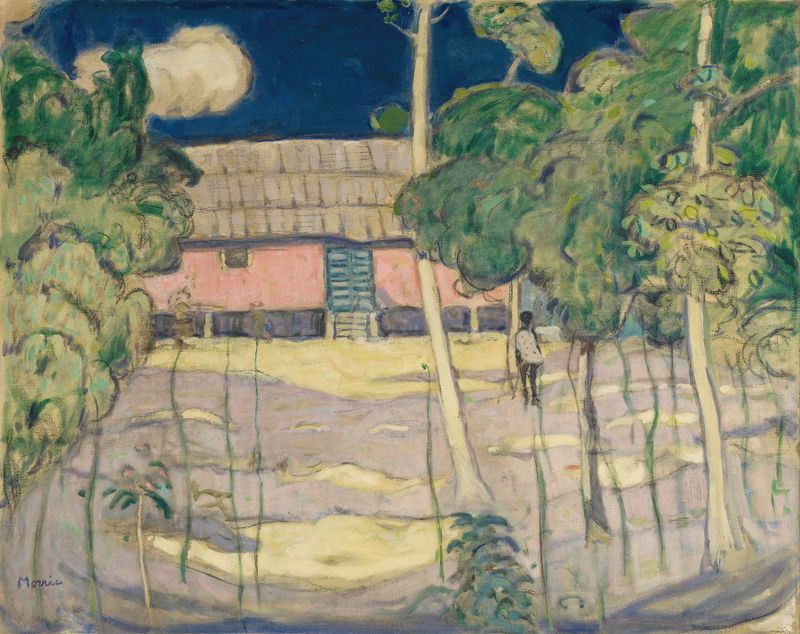
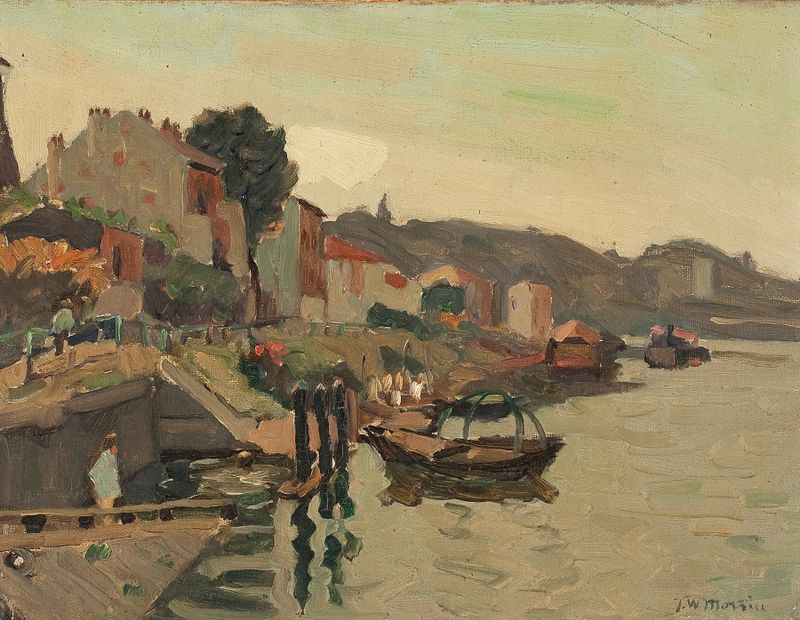
Art reveals the soul when the world turns away. In the soft embrace of light, it captures fleeting moments, whispering secrets about existence and the power of perspective. Look to the upper left corner, where the sun spills its golden rays over the jagged cliffs of Gibraltar, casting long shadows on the tranquil sea below. The artist deftly blends blues and sandy yellows, creating a harmonious interplay of color that draws the viewer’s eye across the canvas.
Notice how the gentle strokes convey both movement and stillness, as the water ripples in response to the afternoon breeze, while the fortress-like rock stands unmoving, a testament to resilience against time’s passage. Delve deeper into the contrasts of the scene — the rugged strength of the land juxtaposed with the fluidity of the water signifies the eternal dialogue between permanence and transience. Each brushstroke ignites a sense of nostalgia, evoking the weight of history while inviting contemplation of the present moment. This compelling interplay invites viewers to consider their place within the unfolding narrative of nature, time, and memory. In 1913, the artist found himself in a world balancing on the precipice of change.
Based in Canada but traveling in Europe, he was influenced by the Impressionists, which is evident in his spontaneous brushwork and vibrant color palette. This period in his life was marked by exploration and a desire to capture the immediate sensory experience of his surroundings, culminating in works that resonate with both personal and universal themes.