Market Scene — History & Facts
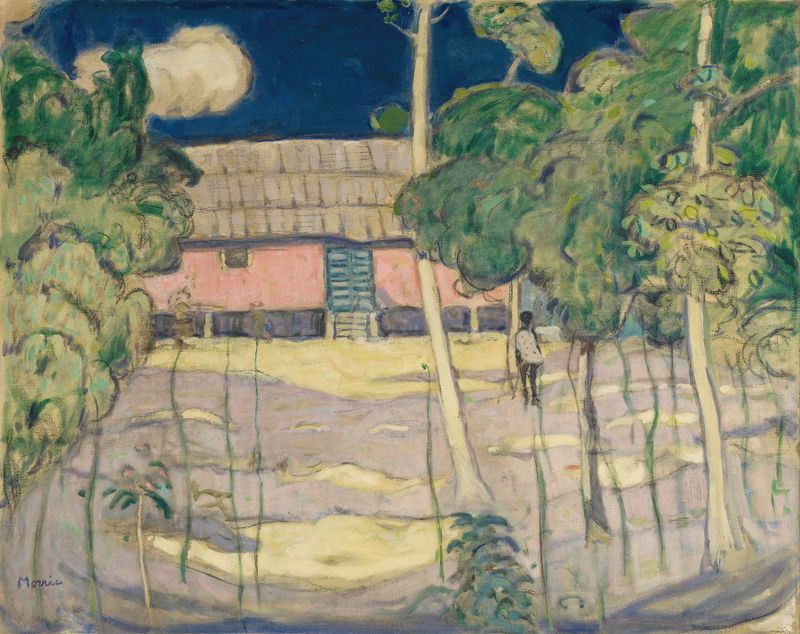
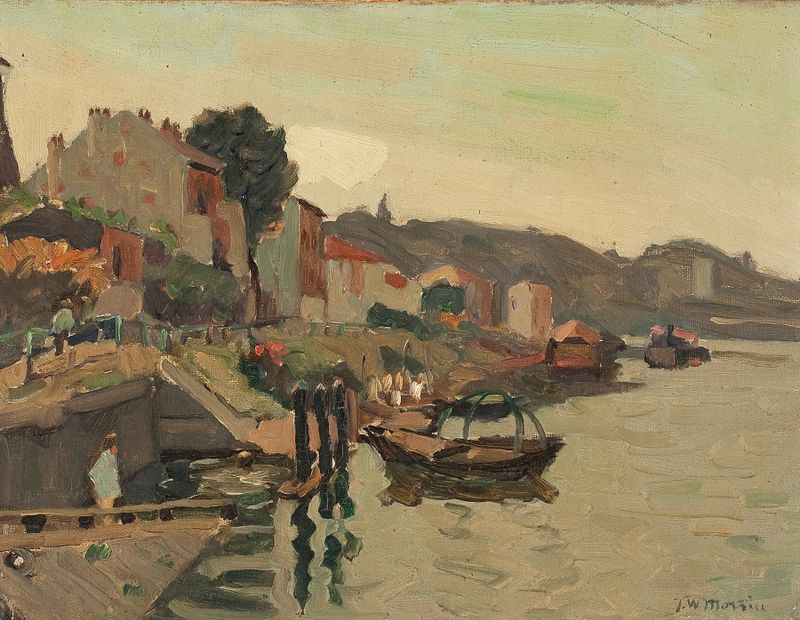
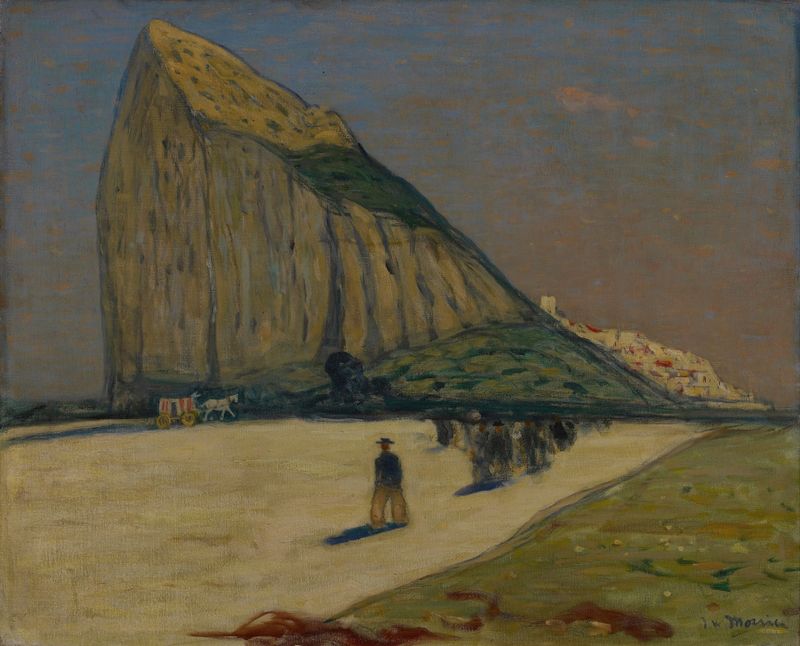
Can beauty exist without sorrow? In the vibrant tapestry of life, moments of joy often intermingle with the shadows of loss, urging us to find faith amidst the chaos. Look to the left at the vivid colors that dance across the canvas, enveloping a bustling market scene. The rich reds and earthy browns of the vendors' wares create a striking contrast against the glowing blue of the sky, drawing your eye to the painter's deft use of light. Notice how the sunlight casts gentle shadows that ripple across the cobblestones, hinting at the transient nature of this lively exchange — a snapshot of daily life, yet steeped in an ethereal quality that elevates it beyond mere observation. Delve deeper and you may find hidden stories within the small details: the weary smile of a vendor, the hesitation in a child's gaze, or the tangle of arms reaching towards the goods.
Each figure, a fragment of the human experience, reveals the tension between desire and fulfillment. In the vibrant chaos, there lies an unspoken faith — a belief in the interconnectedness of all lives, each individual's joy and sorrow woven together in the fabric of the market. In the late 1890s, when this piece was created, Morrice found himself navigating the art world’s shift towards Impressionism while living in Paris, a hub of cultural fervor. He was deeply influenced by both the local life around him and the broader movements in art, seeking to capture the fleeting beauty of everyday moments with a brush that conveyed emotion and humanity.