
Girl on Ashlars of the Antique City Walls of Norba — History & Facts
What secret hides in the quiet of the canvas? In a world often filled with noise and distraction, the stillness of this moment invites us to explore the depths of truth that lie beneath its surface. Look to the center of the canvas, where a girl sits quietly on the weathered ashlar stones. Her contemplative posture, slightly hunched with hands resting on her knees, draws the viewer's eye and evokes a sense of introspection. Notice how the muted palette of earthy browns and soft grays enhances the atmosphere, creating a connection between her and the ancient architecture that surrounds her.
The delicate interplay of light and shadow accentuates the texture of the stones, conveying both the weight of history and the fragility of youth. Beneath the serene exterior, there is a tension present in the juxtaposition of the girl’s purity against the harshness of the stone walls. The ancient ruins symbolize the passage of time, hinting at lost stories and forgotten lives, as they cradle her youthful innocence. Her gaze, directed beyond the viewer, suggests longing or perhaps contemplation of her own place within this timeless landscape, raising questions about identity and belonging. In 1878, Frank Buchser was wandering through the ruins of Norba, a testament to his fascination with history and the human experience.
This period marked a shift in Buchser’s work, as he began to merge realism with romanticized themes, reflecting the broader trends in European art that sought to connect the contemporary with the classical. It was during this moment of exploration and creativity that he captured the essence of youthful introspection against the backdrop of a storied past.
More Artworks by Frank Buchser
Browse all →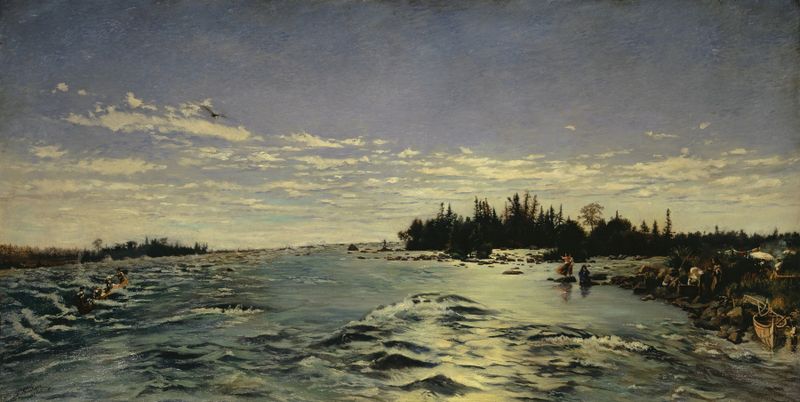
The Rapids of Saint Marys River
Frank Buchser
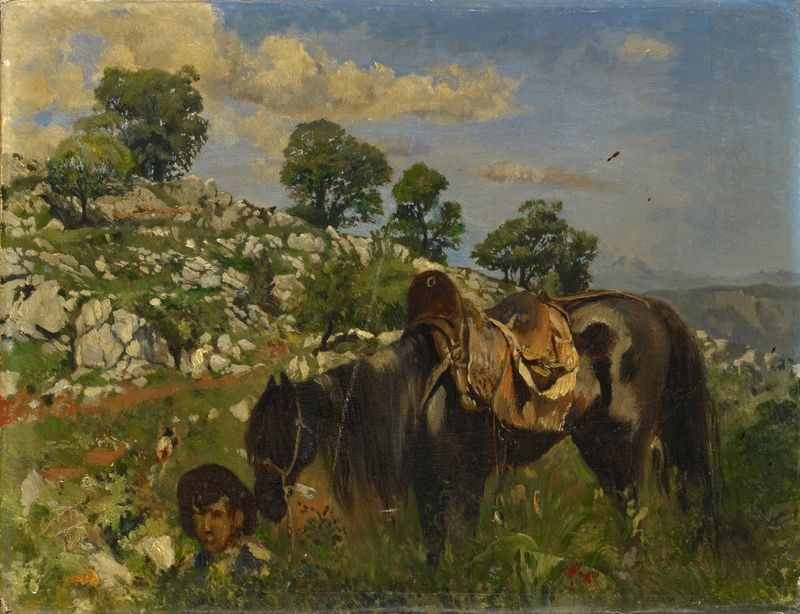
Rider in High Grass
Frank Buchser
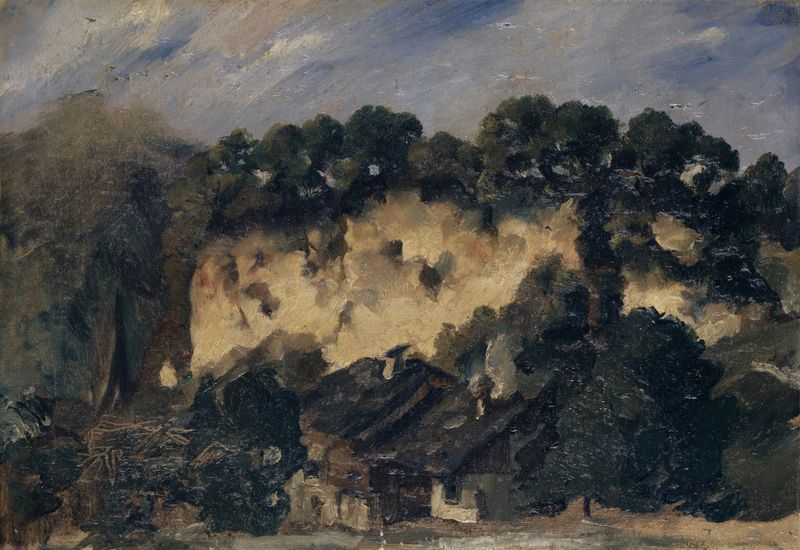
Houses by a Quarry
Frank Buchser

Passage at the Platte River
Frank Buchser
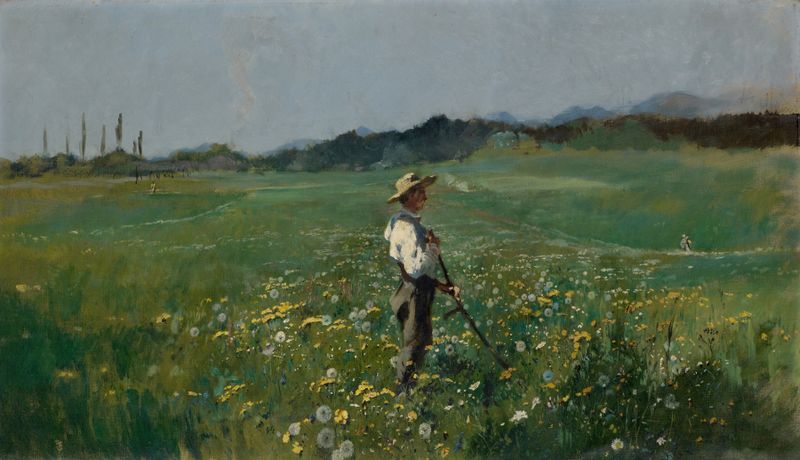
Reaper in a Flowery Meadow
Frank Buchser
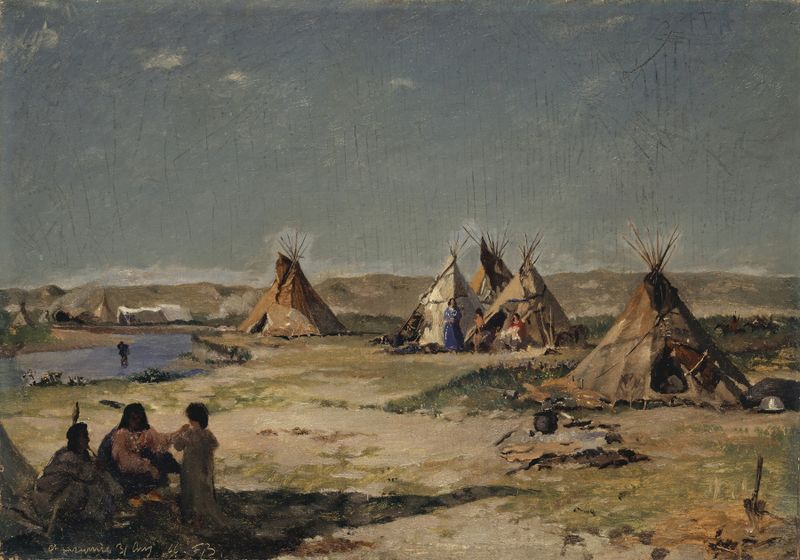
Tent Camp of the Indians at the Laramie
Frank Buchser
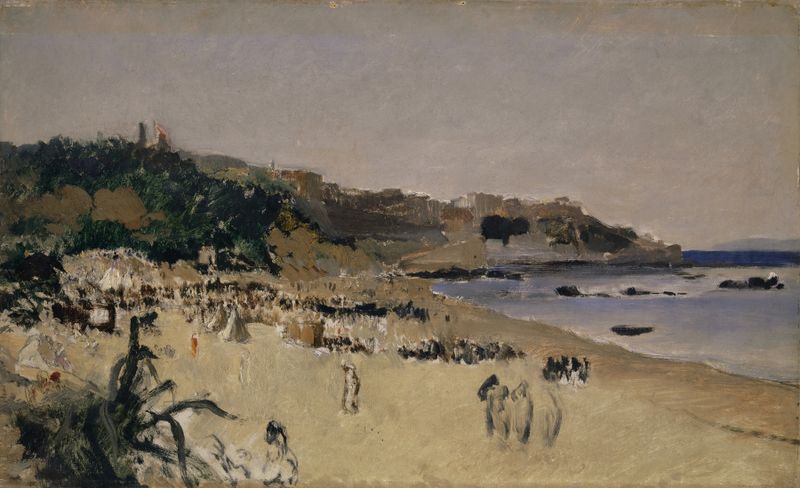
On the Beach at Tangier
Frank Buchser
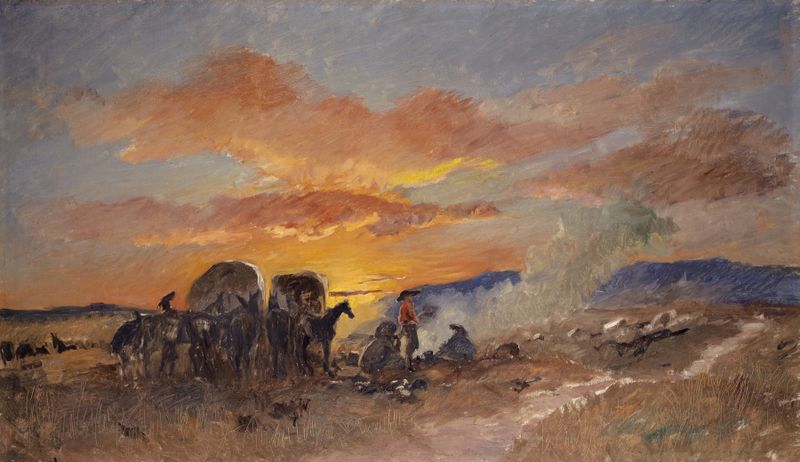
Campfire at Sunrise in the Laramie Plains
Frank Buchser

Landscape with Giant Corn in the Foreground
Frank Buchser
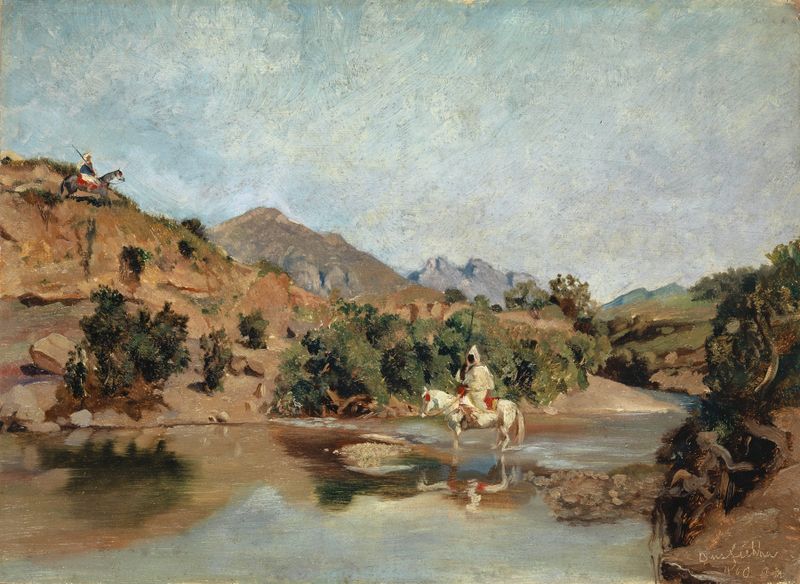
Moroccan Rider Crossing the Ford at Wad Boswicha
Frank Buchser





