
Goatherds in a rocky landscape — History & Facts
In an age where innocence slips through our fingers, the act of capturing a fleeting moment becomes a rebellion against the unforgiving march of time. Look to the left at the rugged outcrops, where the sun gently kisses the rocky terrain, illuminating the goatherds as they traverse this untamed landscape. Notice the way the earthy tones of ochre and soft greens meld together, creating a serene backdrop that contrasts with the figures in the foreground. Each brushstroke reflects Pillement’s meticulous attention to detail, guiding your gaze to the textured wool of the goats and the gentle gestures of the herders, as they navigate both the land and their responsibilities. Yet, beneath this pastoral charm lies an undercurrent of vulnerability.
The goatherds, seemingly at one with nature, evoke a sense of simplicity that underscores the loss of innocence as the world evolves. The juxtaposition of the serene landscape with the arduous tasks of herding suggests a deeper struggle, as the weight of tradition clings to the figures like the shadows they cast. The innocence of their existence is palpable, yet tinged with the awareness that such harmony is often transient. In 1758, Pillement painted this work during a time of artistic exploration and burgeoning romanticism in Europe.
Living in France, he found himself influenced by the shift towards celebrating nature and rural life amidst the encroaching industrial age. The painting reflects not only his personal journey but also the collective yearning for simpler, more innocent times, encapsulating a moment that, like the goatherds themselves, is both timeless and fleeting.
More Artworks by Jean-Baptiste Pillement
Browse all →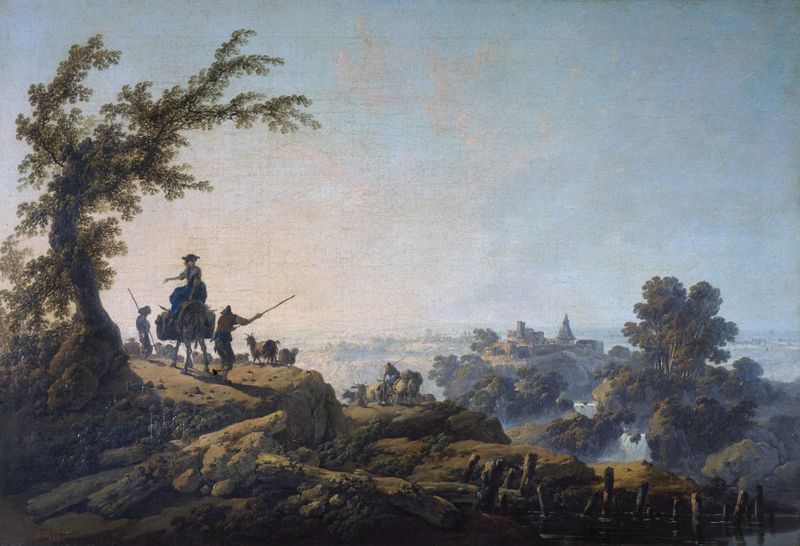
Paysage animé
Jean-Baptiste Pillement
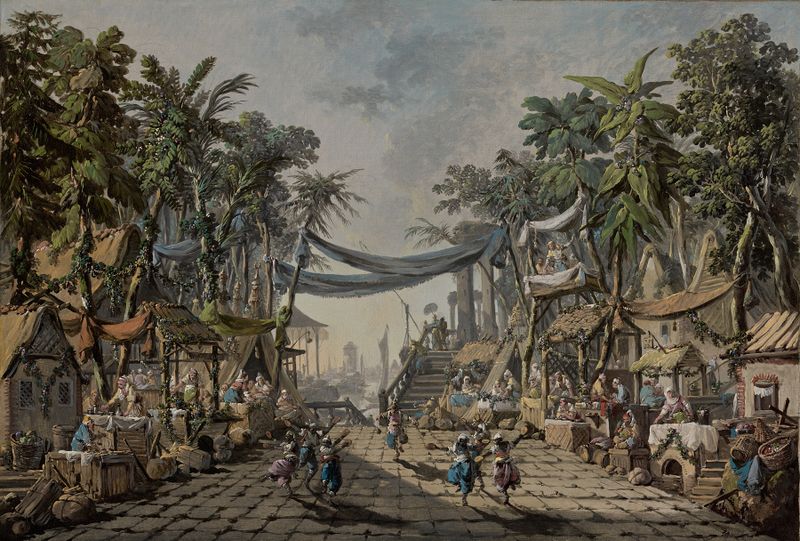
Market Scene in an Imaginary Oriental Port
Jean-Baptiste Pillement
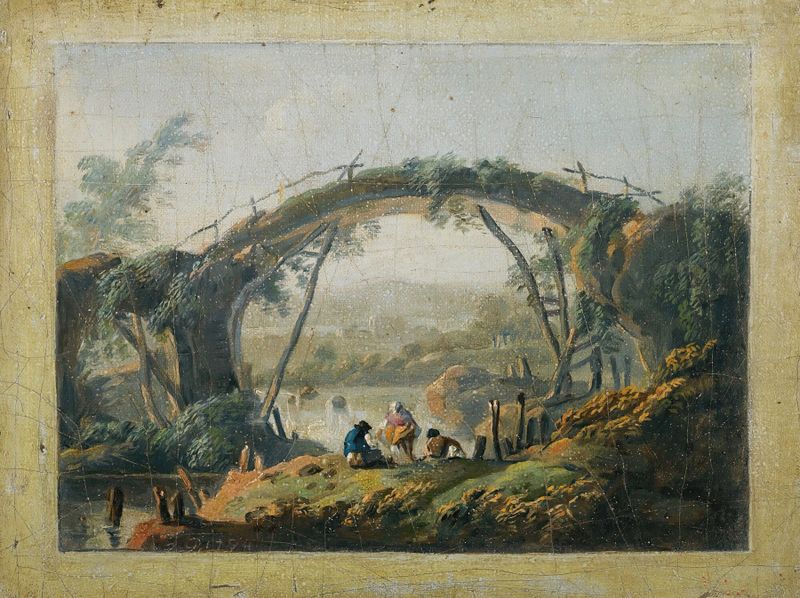
A Pair Of River Landscapes With Figures Approaching A Bridge
Jean-Baptiste Pillement
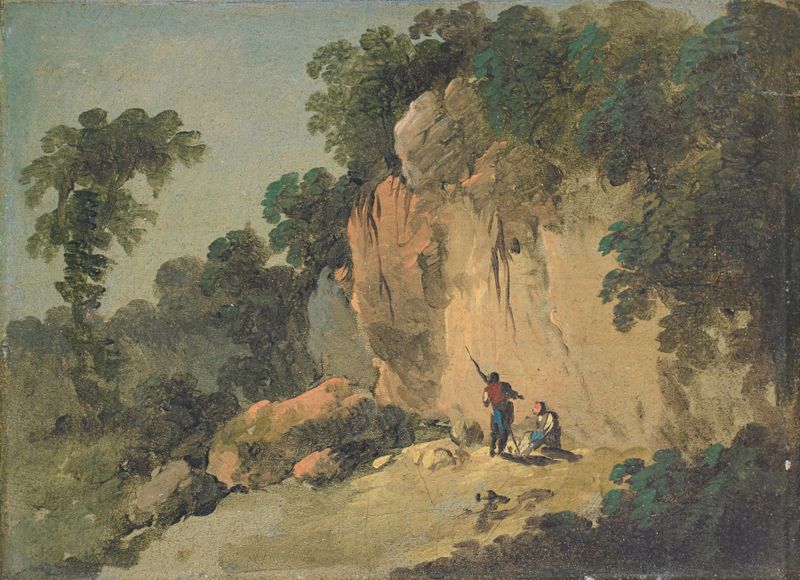
À falaises (Pastoral Landscape).
Jean-Baptiste Pillement
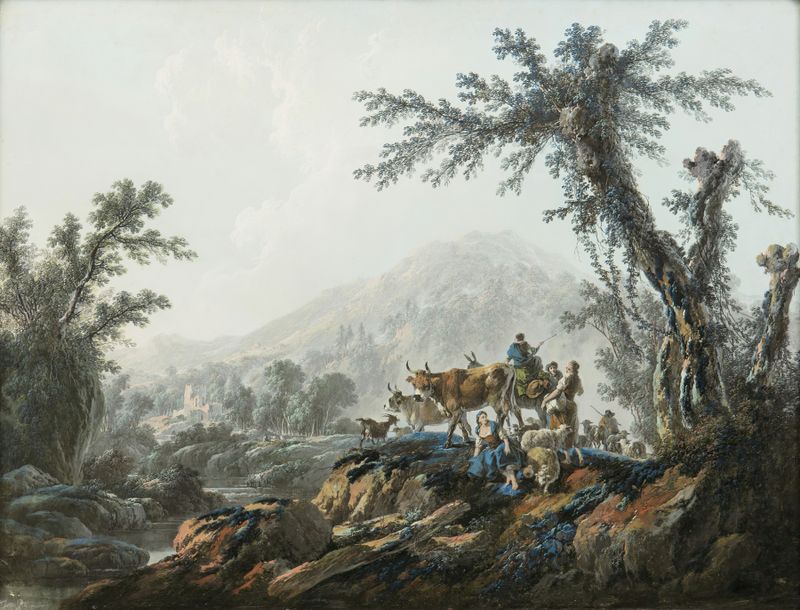
Pastoral Landscape
Jean-Baptiste Pillement
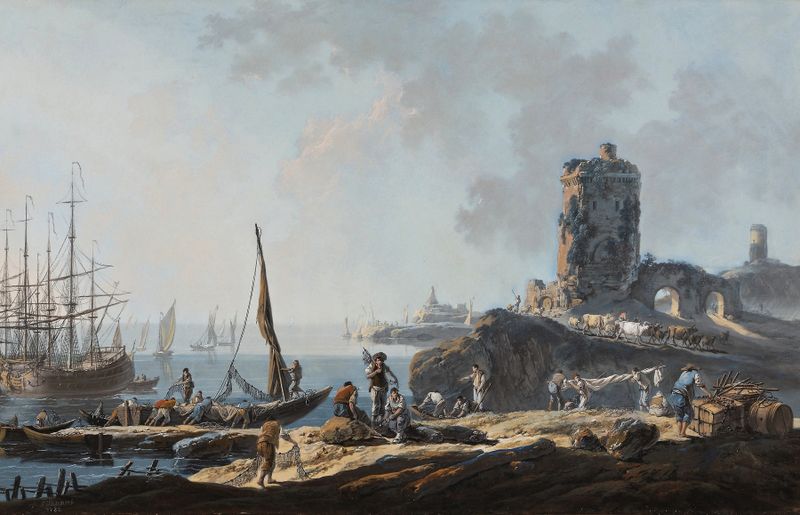
Port Scene in Calm Weather
Jean-Baptiste Pillement
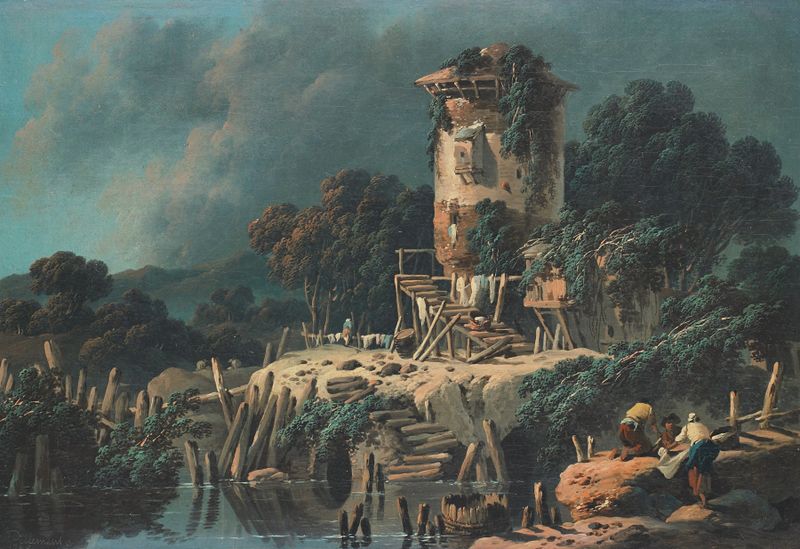
La Vielle Tour (Pastoral Landscape)
Jean-Baptiste Pillement
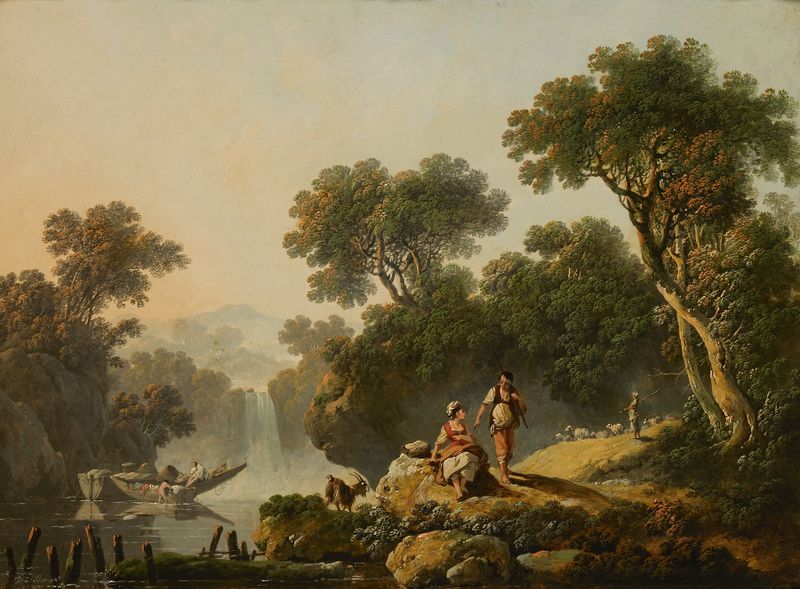
Landschap
Jean-Baptiste Pillement
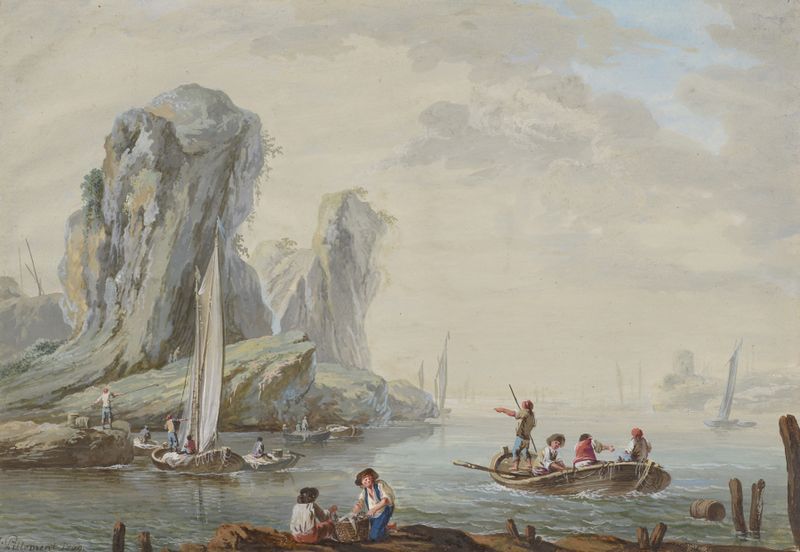
Meeresbucht mit großen Felsen links und Fischern
Jean-Baptiste Pillement
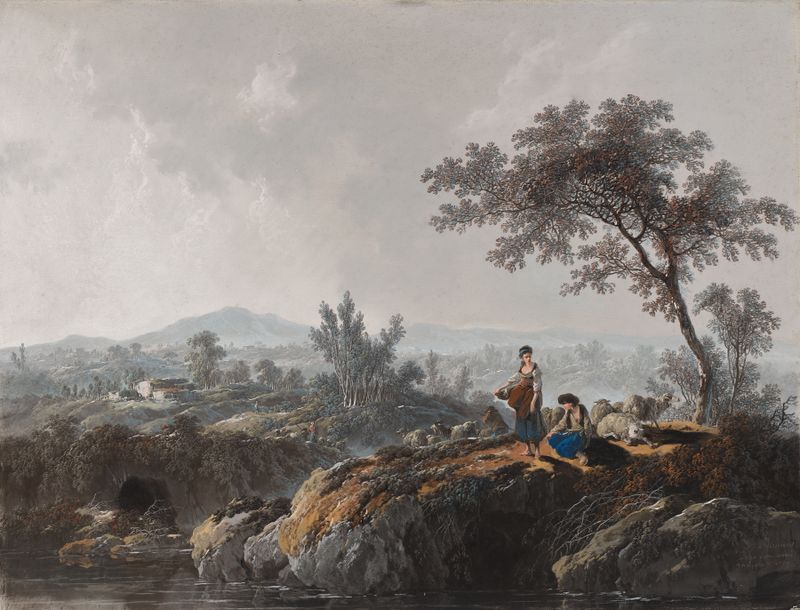
Shepherds in a Landscape
Jean-Baptiste Pillement





