
Goats Under the Trees — History & Facts
What if beauty was never meant to be finished? In Goats Under the Trees, the passage of time is entwined with nature's serene impermanence, inviting viewers to contemplate the fleeting moments that life offers. Look to the left of the canvas, where the verdant trees extend their limbs as if cradling the gentle goats nestled beneath. The dappled sunlight filters through leaves, casting playful shadows across the scene. Notice how the artist balances rich greens and soft browns, creating a harmonious color palette that evokes tranquility.
The careful brushwork highlights each goat's fur, bringing warmth and life to the composition as their peaceful postures suggest a world untouched by chaos. Yet, amid this idyllic setting, an underlying tension simmers. The goats, symbols of both innocence and pastoral life, stand in stark contrast to the looming, ancient trees, suggesting a dialogue between the ephemeral and the eternal. The distant horizon hints at a broader landscape, perhaps reflecting the inevitability of change and the passage of time.
This juxtaposition raises questions about the permanence of nature versus the transient nature of life itself. Roghman created this work during the Dutch Golden Age, a time of flourishing art and exploration in the Netherlands from around 1640 to 1652. He was based in Amsterdam, a city buzzing with cultural exchange and artistic innovation. During this period, artists often depicted landscapes and rural life, infusing their works with both beauty and deeper philosophical themes, mirroring the complexity of human existence.
More Artworks by Roelant Roghman
Browse all →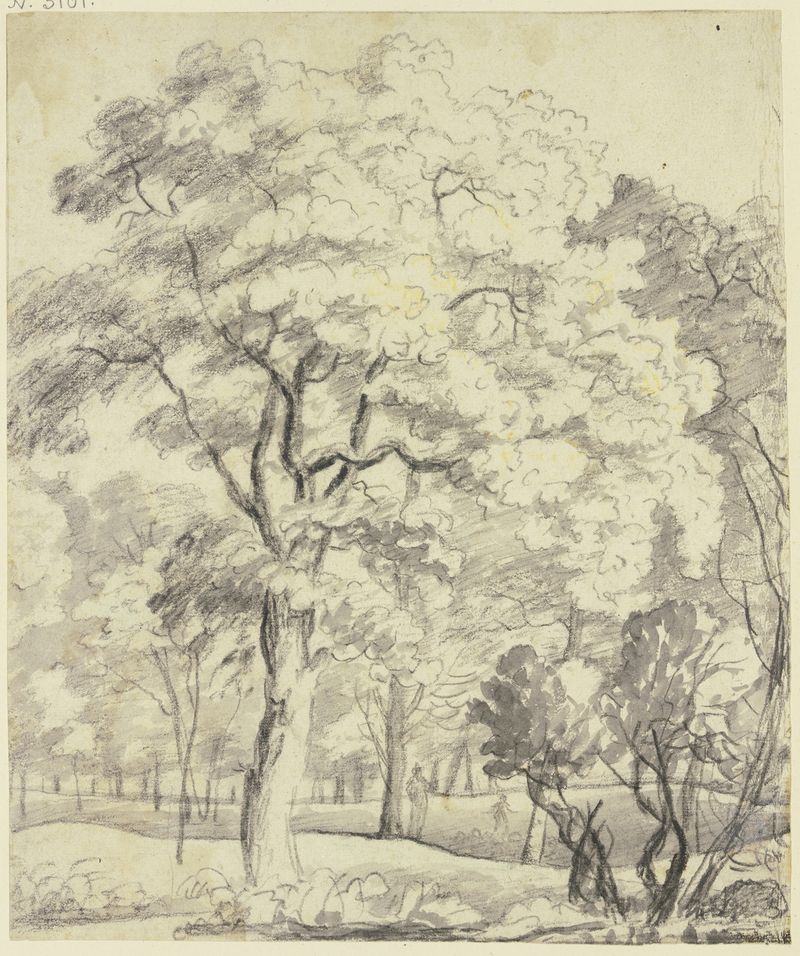
Waldpartie mit zwei Figuren
Roelant Roghman
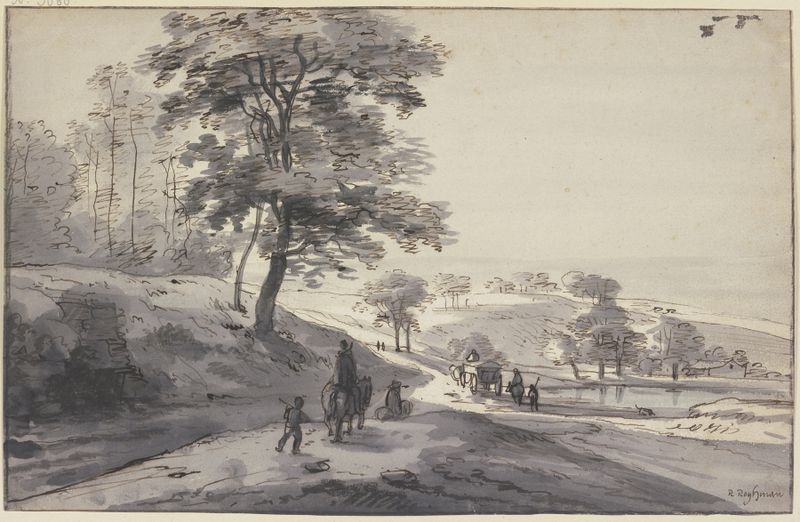
An einem Wasser vorbei über einen Hügel zieht sich ein mit einem Wagen, Reitern und Fußgängern belebter Weg
Roelant Roghman
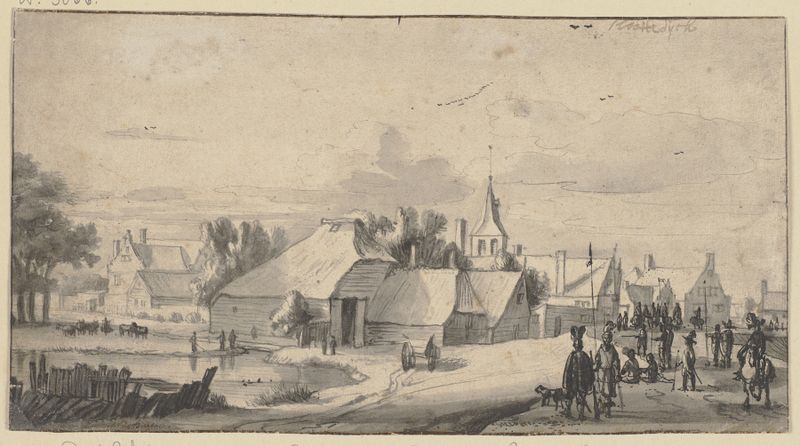
Das Dorf Sloterdyk zur Zeit des Durchzuges der Truppen des Prinzen Wilhelm II von Oranien im Jahre 1650
Roelant Roghman

Landschap met een reiswagen voor een boerderij
Roelant Roghman

The Ruin of Huis ‘t Sant at Katwijk aan Zee
Roelant Roghman
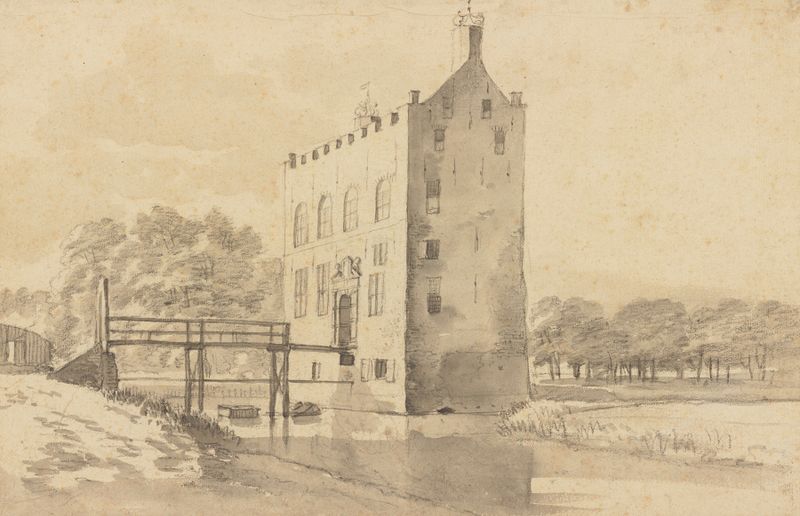
The Castle Giessenburg, near Gorinchem
Roelant Roghman
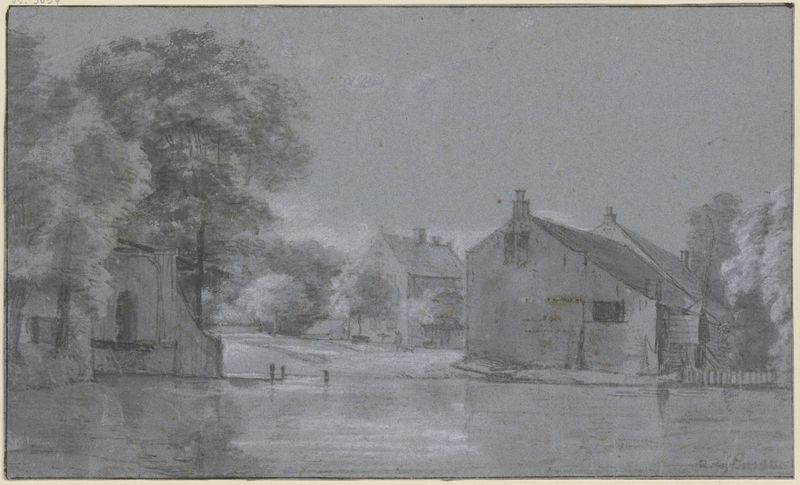
Ein Dorf mit Baumgruppen an einem Fluss
Roelant Roghman
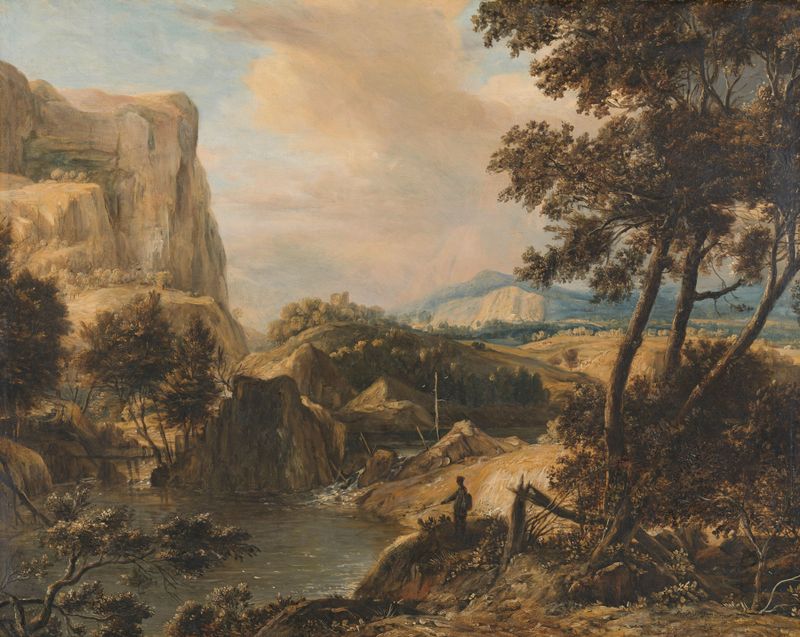
Mountainous landscape with fisherman
Roelant Roghman

Waldlandschaft mit Wasserfall
Roelant Roghman
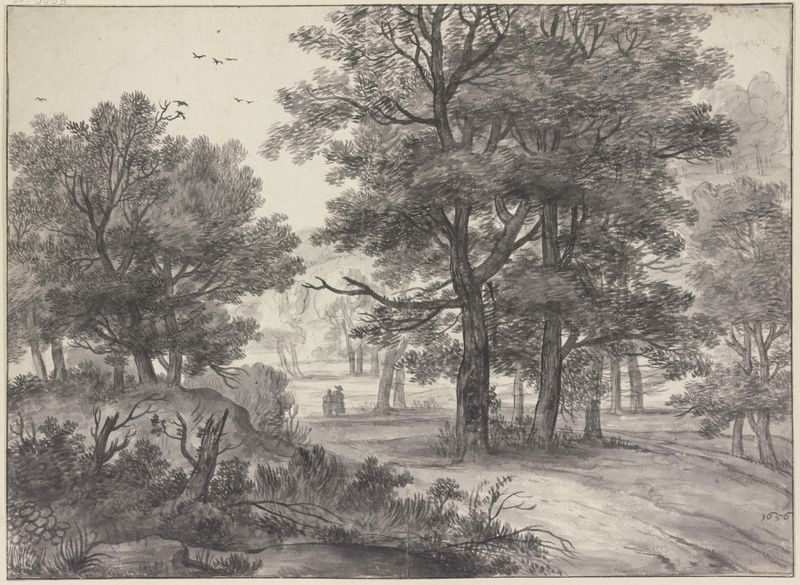
Waldpartie, auf dem Weg zwei Figuren, links oben mehrere Raben
Roelant Roghman





