
Waldpartie, auf dem Weg zwei Figuren, links oben mehrere Raben — History & Facts
In this serene landscape, tranquility reigns, inviting us to pause and reflect on the fleeting nature of existence. Look to the left, where two solitary figures meander along a path, their presence both grounding and ephemeral against the vastness of the canvas. The verdant greens and soft browns of the trees envelop them, while a gentle play of light illuminates their journey. Notice how the muted tones convey the peacefulness of the woodland, with the figures subtly highlighted, as if drawn from a memory rather than reality.
The distant cawing of the ravens above adds a haunting whisper to the tranquil setting, juxtaposing the serenity of the scene with an undercurrent of life's unpredictability. The tension between stillness and movement resonates throughout the work. The ravens, perched ominously in the upper left corner, symbolize a watchful presence, perhaps serving as reminders of death in the midst of beauty. Conversely, the path the figures tread signifies a journey—one that may be both introspective and communal, highlighting human connection against the backdrop of nature's temporal beauty.
This duality creates a contemplative space where life, memory, and the natural world intertwine, prompting viewers to ponder their own place within it. Created in 1656, this piece emerged during a period marked by the growth of the Dutch Golden Age, a time when artists like Roghman sought to capture the harmony of the natural world. He painted this work while exploring the themes of solitude and communion with nature, reflecting a society increasingly engaged with its environment. The tranquility expressed in Waldpartie, auf dem Weg zwei Figuren, links oben mehrere Raben speaks to the collective longing for serenity during a time filled with social and political upheaval.
More Artworks by Roelant Roghman
Browse all →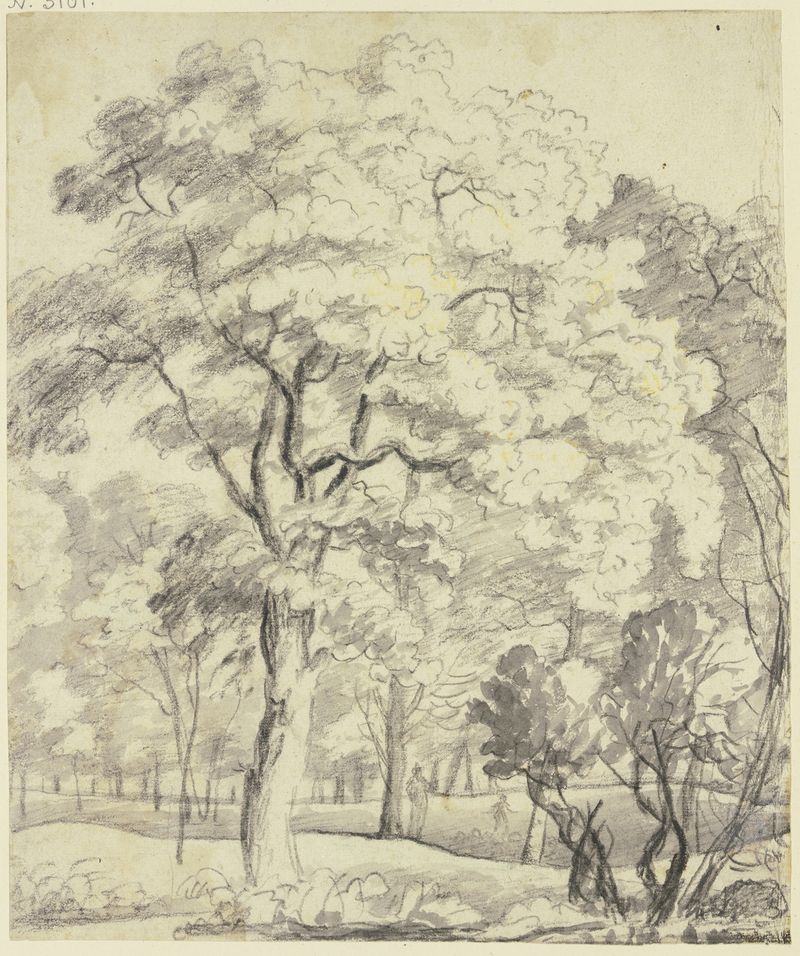
Waldpartie mit zwei Figuren
Roelant Roghman
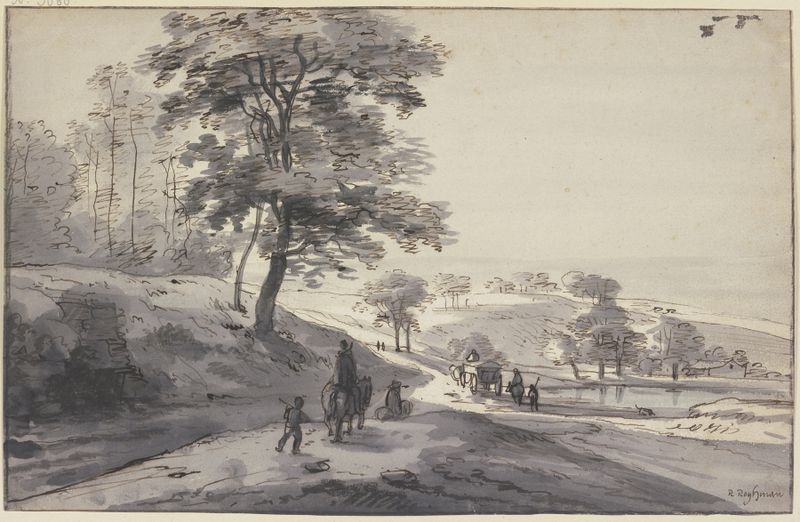
An einem Wasser vorbei über einen Hügel zieht sich ein mit einem Wagen, Reitern und Fußgängern belebter Weg
Roelant Roghman
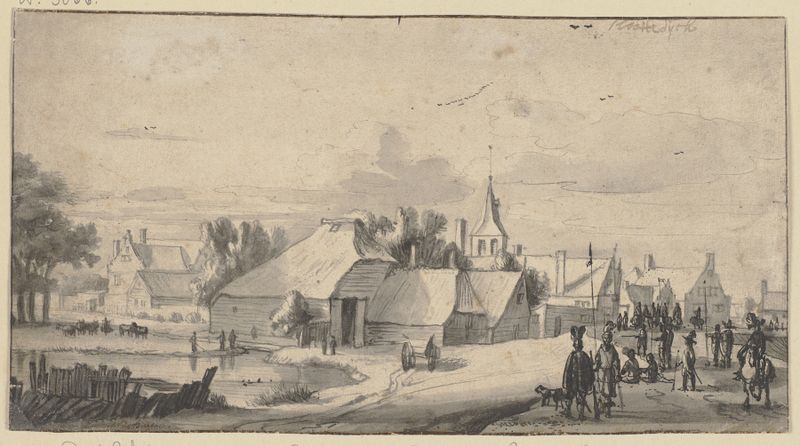
Das Dorf Sloterdyk zur Zeit des Durchzuges der Truppen des Prinzen Wilhelm II von Oranien im Jahre 1650
Roelant Roghman

Landschap met een reiswagen voor een boerderij
Roelant Roghman

The Ruin of Huis ‘t Sant at Katwijk aan Zee
Roelant Roghman
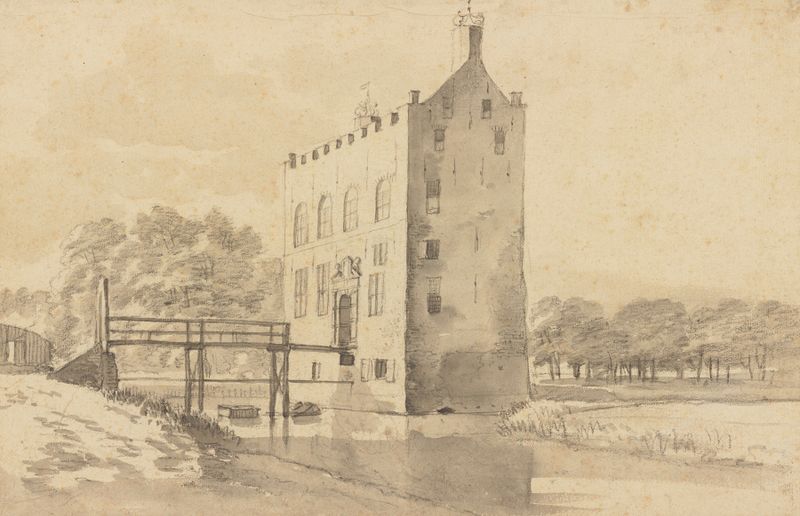
The Castle Giessenburg, near Gorinchem
Roelant Roghman
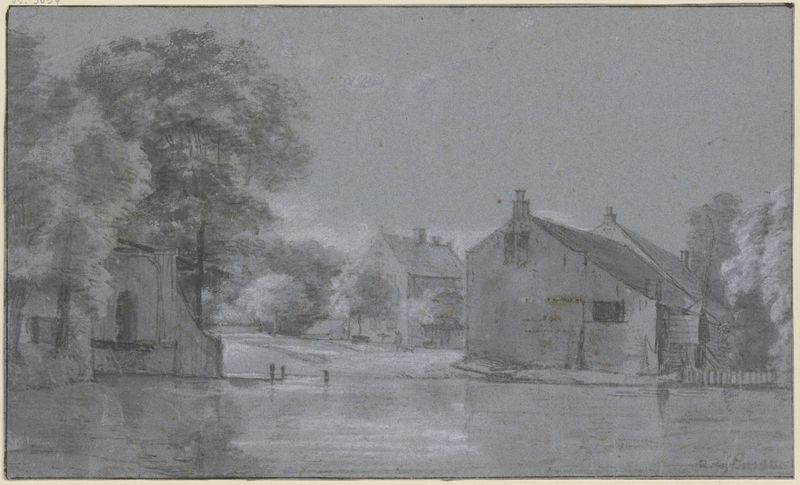
Ein Dorf mit Baumgruppen an einem Fluss
Roelant Roghman
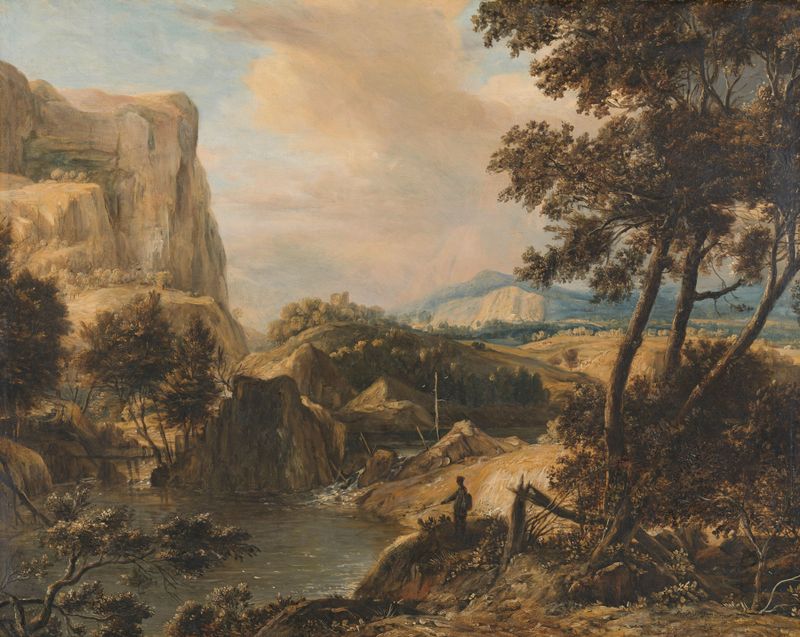
Mountainous landscape with fisherman
Roelant Roghman

Waldlandschaft mit Wasserfall
Roelant Roghman
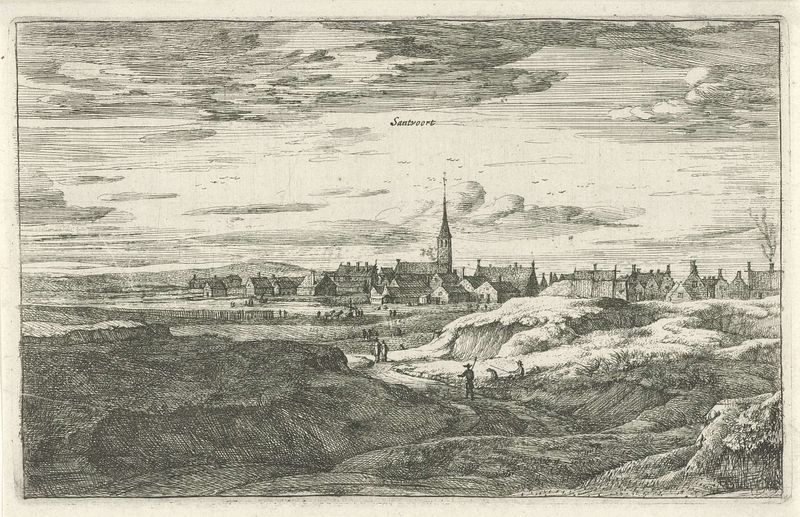
Gezicht op Zandvoort
Roelant Roghman





