
Landschap met een reiswagen voor een boerderij — History & Facts
Art reveals the fragility of existence, and in the landscape before us, this truth resonates with haunting clarity. The soft hues of nature may bloom in grandeur, yet they conceal the vulnerability of life itself. Look to the left, where the delicate strokes of verdant greens form a lush backdrop, cradling a rustic farmhouse. Notice how the light dances along the contours of the rolling hills, creating a serene atmosphere that invites tranquility.
The muted palette—subdued browns and soft blues—imbues the scene with a gentle melancholy, capturing a moment where time stands still, yet teeters on the brink of change. Behind this idyllic representation lies a tension between permanence and transience. The way the travel wagon is painted, caught between the farmhouse and the horizon, symbolizes journeys both taken and abandoned. Each brushstroke carries a whisper of stories untold, echoing the fragility of human endeavor against the vastness of nature.
This interplay invites viewers to reflect on the persistence of hope amidst the inevitable passage of time. During the years 1637 to 1692, Roelant Roghman created this work amid a burgeoning interest in landscape painting in the Dutch Golden Age. As artists explored new techniques and perspectives, Roghman found his voice in portraying the quiet beauty of rural life. The era saw societal shifts and economic changes, yet his art captured the tranquil moments that define our humanity, reminding us of the fleeting beauty that surrounds us.
More Artworks by Roelant Roghman
Browse all →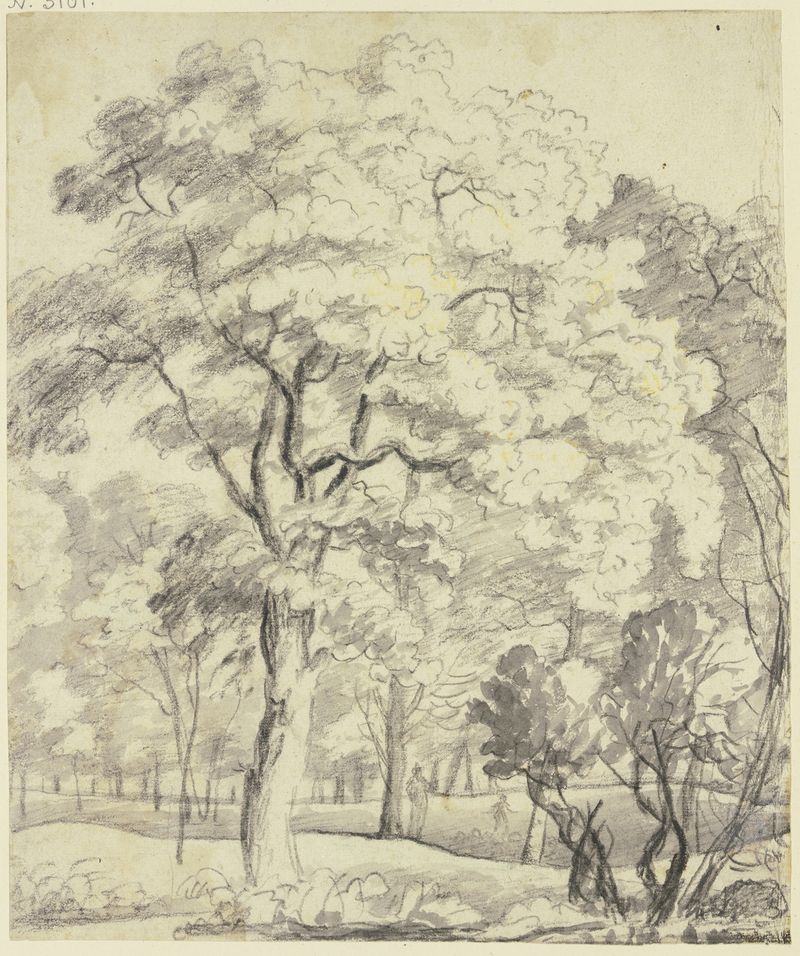
Waldpartie mit zwei Figuren
Roelant Roghman
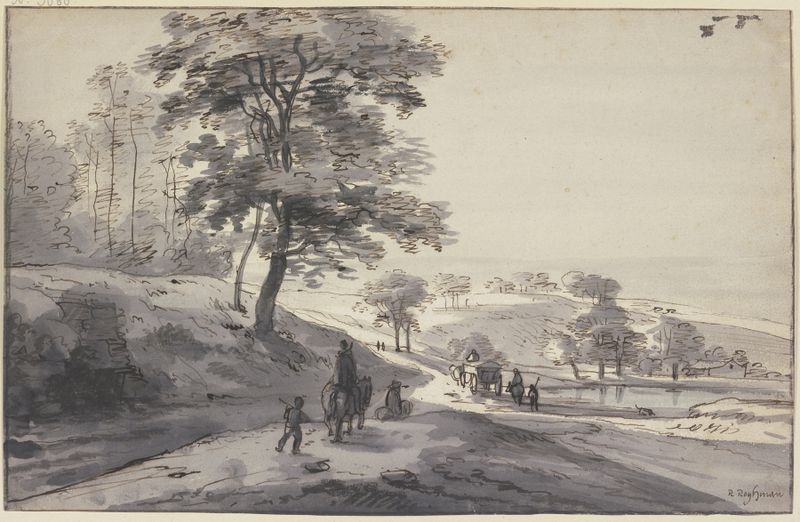
An einem Wasser vorbei über einen Hügel zieht sich ein mit einem Wagen, Reitern und Fußgängern belebter Weg
Roelant Roghman
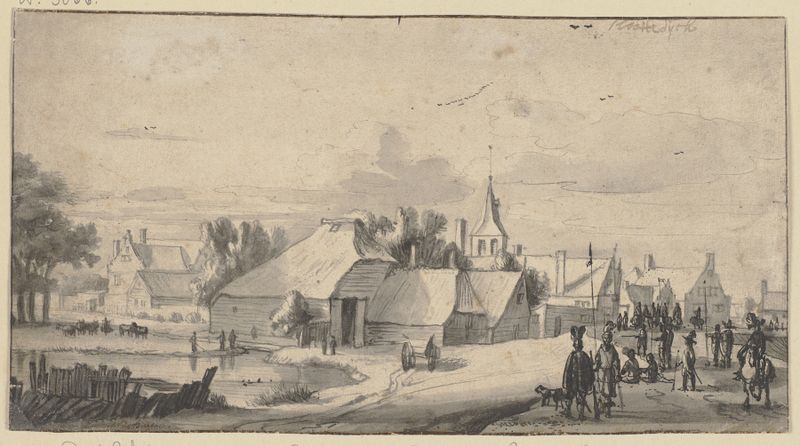
Das Dorf Sloterdyk zur Zeit des Durchzuges der Truppen des Prinzen Wilhelm II von Oranien im Jahre 1650
Roelant Roghman

The Ruin of Huis ‘t Sant at Katwijk aan Zee
Roelant Roghman
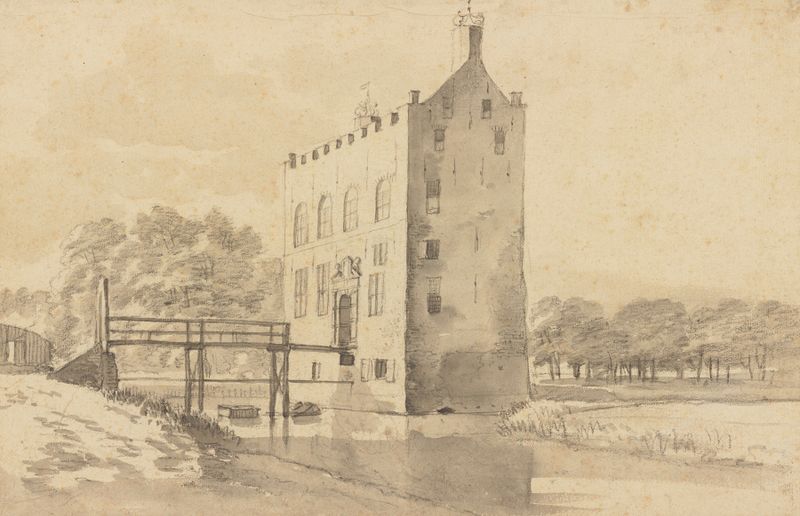
The Castle Giessenburg, near Gorinchem
Roelant Roghman
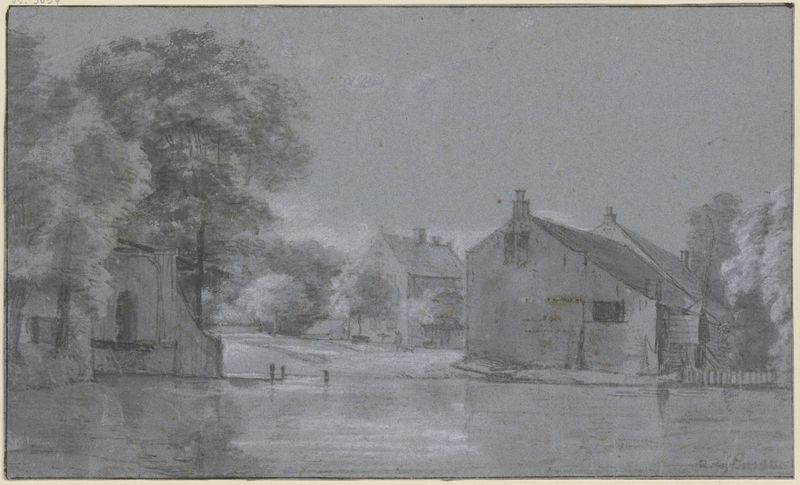
Ein Dorf mit Baumgruppen an einem Fluss
Roelant Roghman
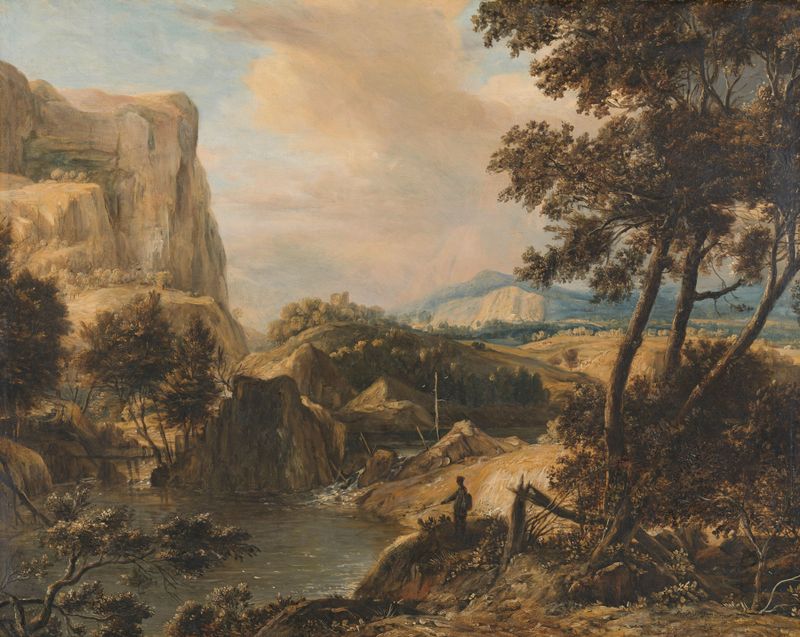
Mountainous landscape with fisherman
Roelant Roghman

Waldlandschaft mit Wasserfall
Roelant Roghman
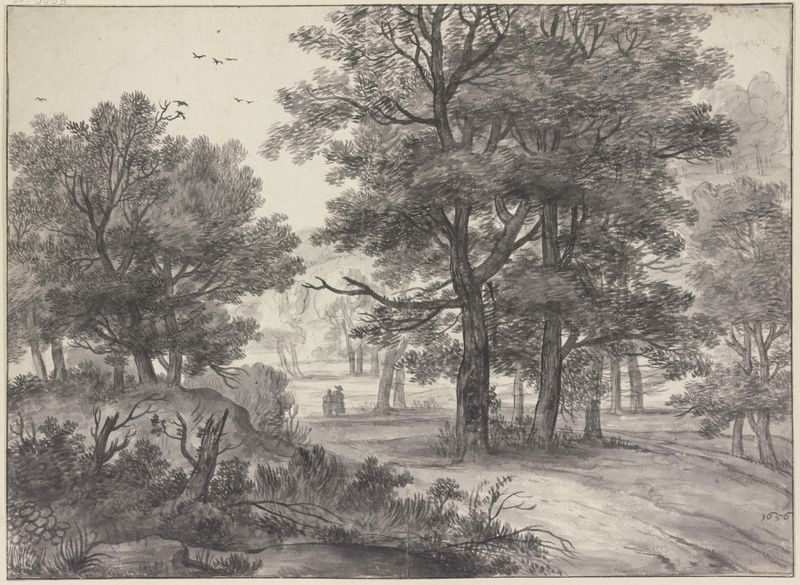
Waldpartie, auf dem Weg zwei Figuren, links oben mehrere Raben
Roelant Roghman
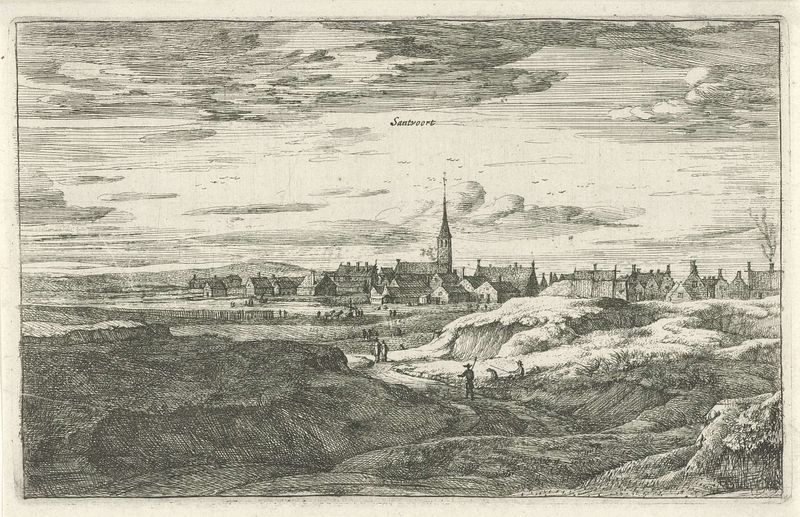
Gezicht op Zandvoort
Roelant Roghman





