
Gothic Doorway — History & Facts
In the threshold of a dream, where reality flickers like an uncertain flame, we find ourselves standing before an imposing structure that beckons yet intimidates. Look closely at the intricate patterns etched into the doorway, where shadows dance amidst the muted tones of deep blues and grays. The painter’s delicate brushwork and layers of texture draw the eye to the ornate carvings, each detail steeped in history, while the play of light creates a sense of depth, inviting the viewer to step into a world suspended between the known and the unknown. The stark contrasts between dark and light evoke a profound sense of mystery, as if the doorway itself holds secrets waiting to be unveiled. The juxtaposition of solidity and ethereality resonates throughout the piece.
The sturdy stones seem anchored to the earth, yet the surrounding atmosphere evokes a weightlessness, a fleeting moment caught between states of being. Perhaps the doorway symbolizes a passage — not just to another realm, but to the very heart of dreams and aspirations, a liminal space where the past and future converge. Here lies a poignant reflection on the barriers we face, both physical and psychological, as we navigate our own journeys. During the early 20th century, Brouet, a prominent figure in the French art scene, explored themes of architecture and the interplay of light and shadow.
Creating Gothic Doorway between 1902 and 1941, during a time marked by great social upheaval and artistic innovation, he captured a moment that reflects the tension of his era, marrying the beauty of historic structures with contemporary existential inquiries.
More Artworks by Auguste Brouet
Browse all →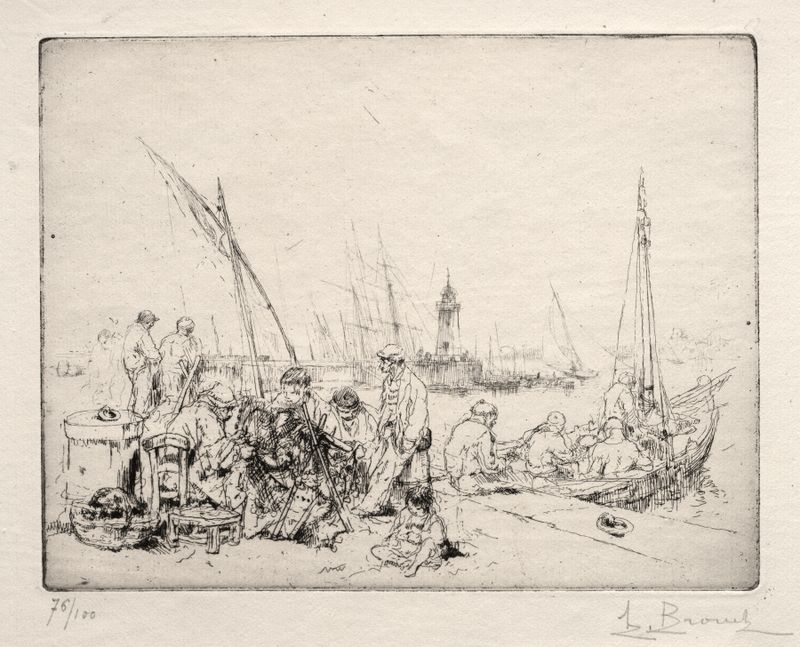
The Net Menders
Auguste Brouet
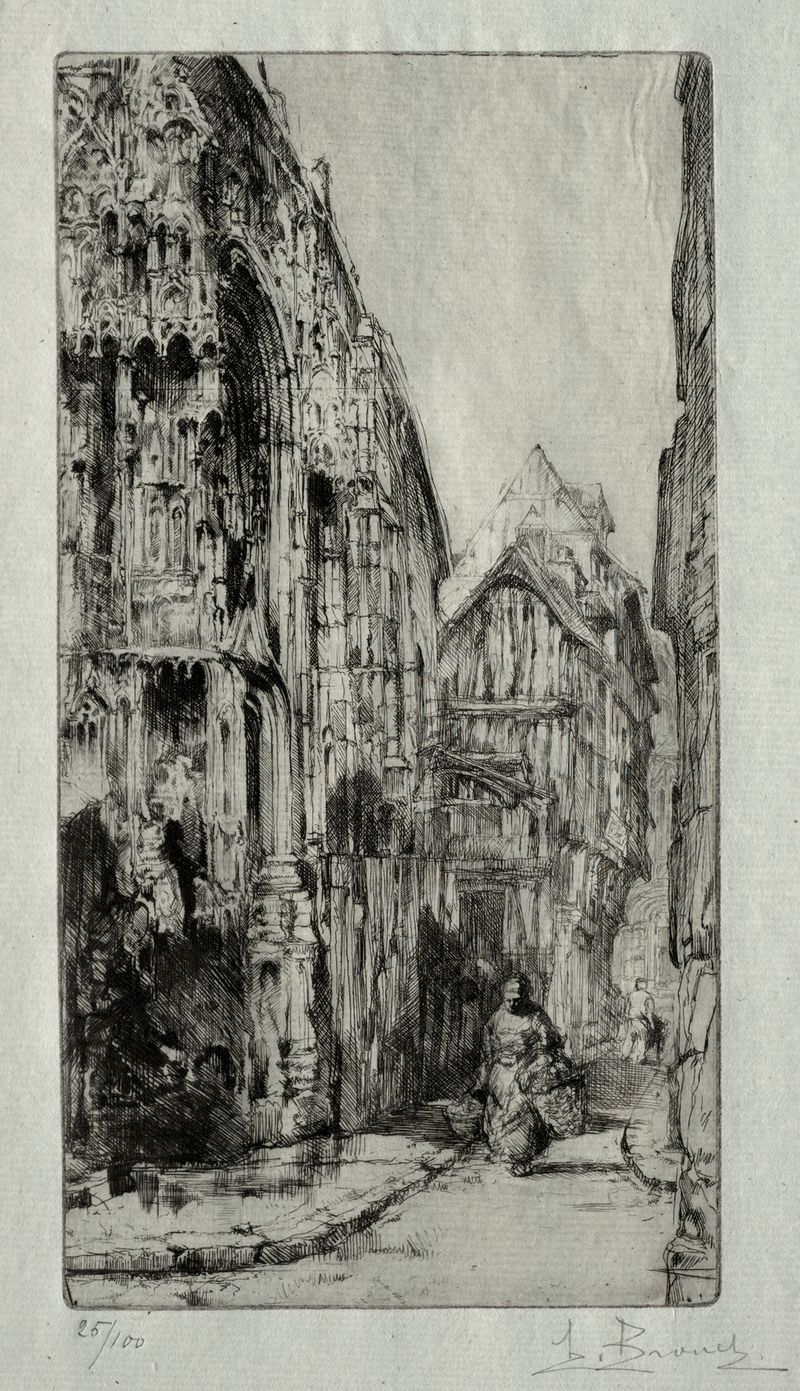
Saint-Etienne des Tonneliers a Rouen
Auguste Brouet
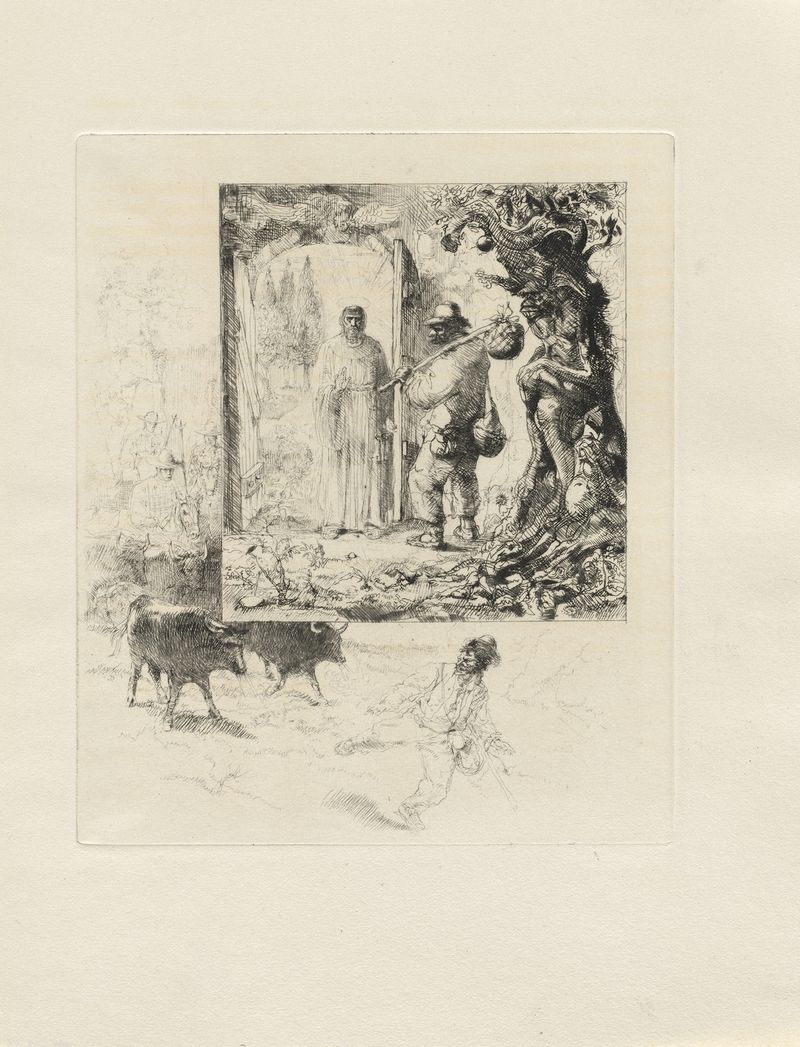
Frédéric Mistral; Mémoires et Recits Pl.08
Auguste Brouet

The Halt at the Village
Auguste Brouet

The Footbridge
Auguste Brouet

Frédéric Mistral; Mémoires et Recits Pl.13
Auguste Brouet

Frédéric Mistral; Mémoires et Recits Pl.12
Auguste Brouet

Frédéric Mistral; Mémoires et Recits Pl.03
Auguste Brouet
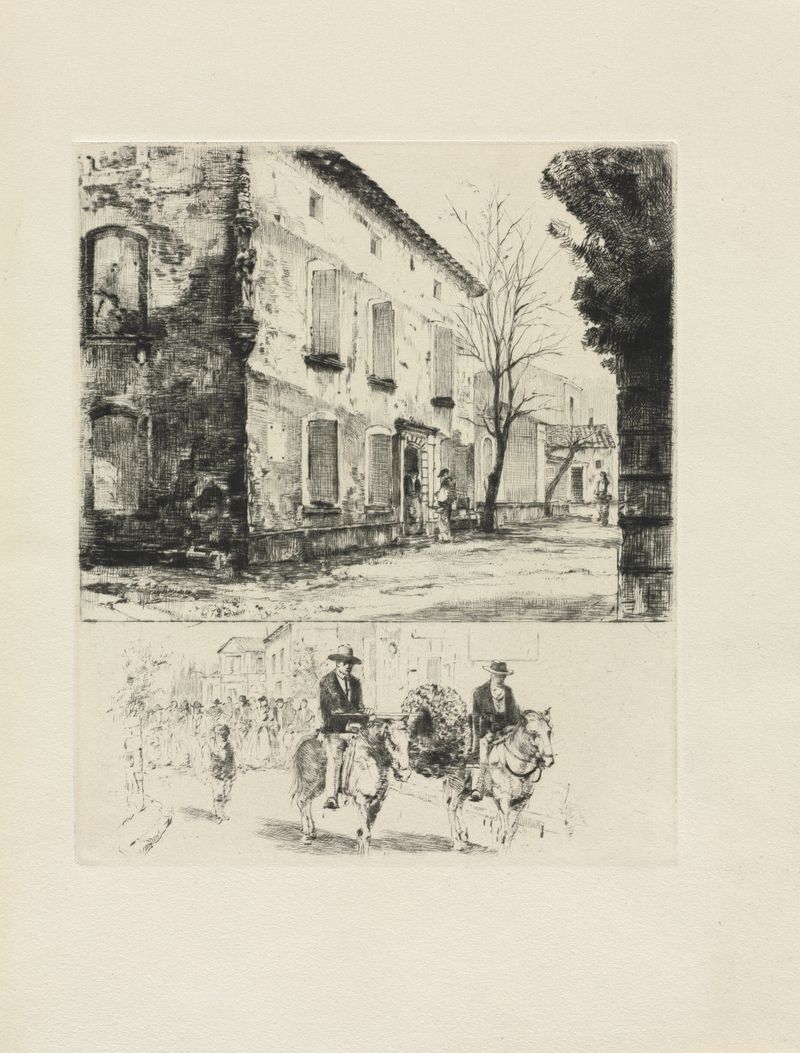
Frédéric Mistral; Mémoires et Recits Pl.14
Auguste Brouet
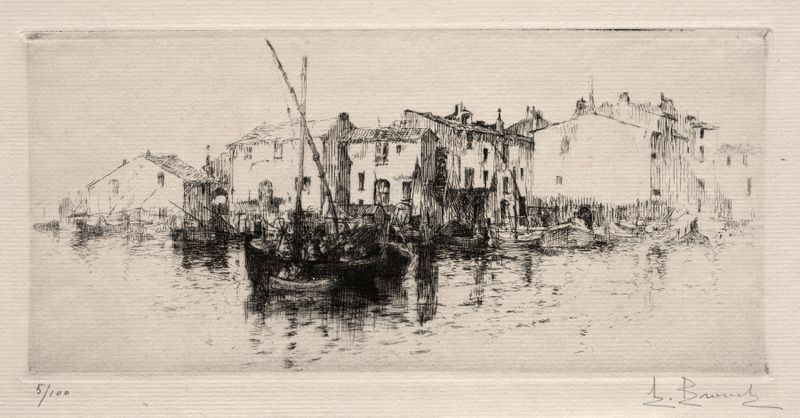
Les Martigues
Auguste Brouet
More Architecture Art
Browse all →
The statue of Liberty
Frédéric Auguste Bartholdi

View of Houses in Delft, Known as ‘The Little Street’
Johannes Vermeer

View of Houses in Delft, Known as ‘The Little Street’
Johannes Vermeer

The Cathedral in Rouen. The portal, Grey Weather
Claude Monet

The yellow house
Vincent van Gogh

The Church in Auvers-sur-Oise, View from the Chevet
Vincent van Gogh