
The Footbridge — History & Facts
As the viewer approaches the artwork, the delicate interplay of color reveals a deeper story behind the serene image. Each hue whispers a narrative of longing, evoking emotions that resonate with the soul. Look to the foreground, where the footbridge arches gracefully over a muted stream, its wooden structure juxtaposed against the soft greens and blues of the surrounding landscape. Notice how the artist employs a palette of warm ochres and cool shadows, creating a harmonious yet tense atmosphere.
The light dapples through the trees, casting intricate patterns that dance upon the water’s surface, inviting you to step into this tranquil yet introspective scene. Yet, beneath the calm exterior lies a tension articulated through subtle contrasts. The bridge, a symbol of connection, stands firm against the ephemeral nature of the water below, which hints at the inevitability of change and loss. The surrounding foliage, lush yet constricting, suggests the burdens of beauty and the fragility of human experience.
Each brushstroke echoes the whispers of those who have crossed this bridge, each carrying their own stories of love, grief, and hope. Created before 1925, this work exemplifies Brouet's exploration of printmaking and color theory during a transformative period in early 20th-century art. While living in France, he sought to merge impressionistic techniques with his unique vision, reflecting the shifting landscapes of both nature and human emotion. This piece stands as a testament to the artist's belief in the power of color to convey the complexities of existence amidst an evolving artistic landscape.
More Artworks by Auguste Brouet
Browse all →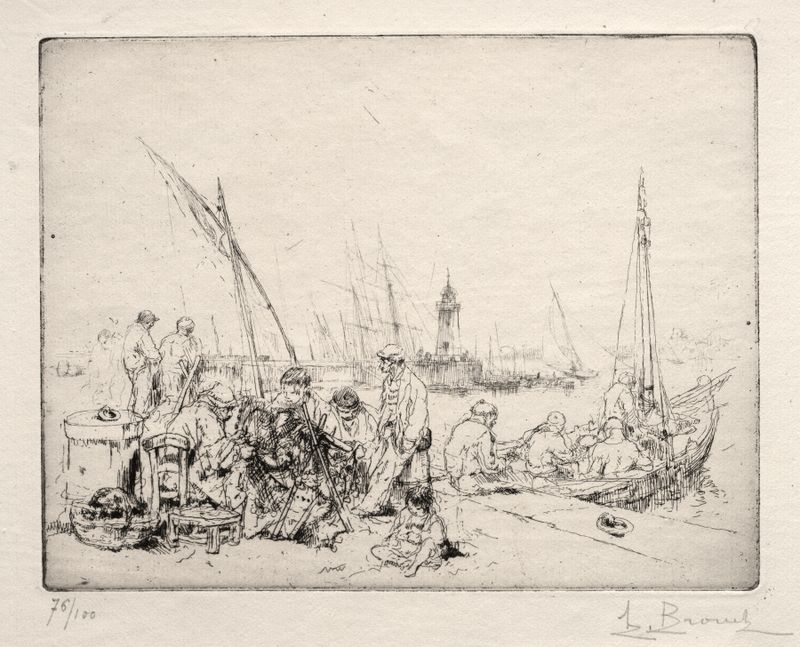
The Net Menders
Auguste Brouet
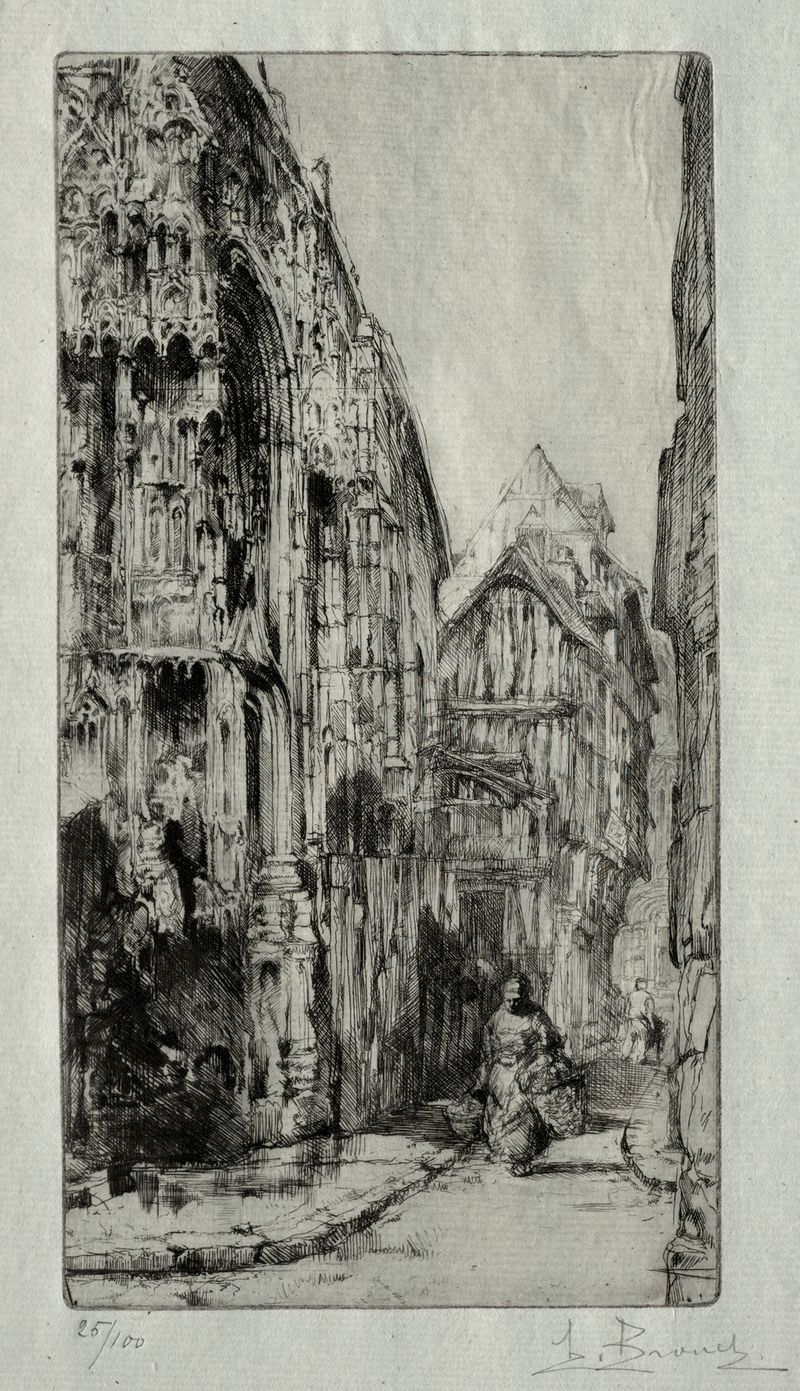
Saint-Etienne des Tonneliers a Rouen
Auguste Brouet
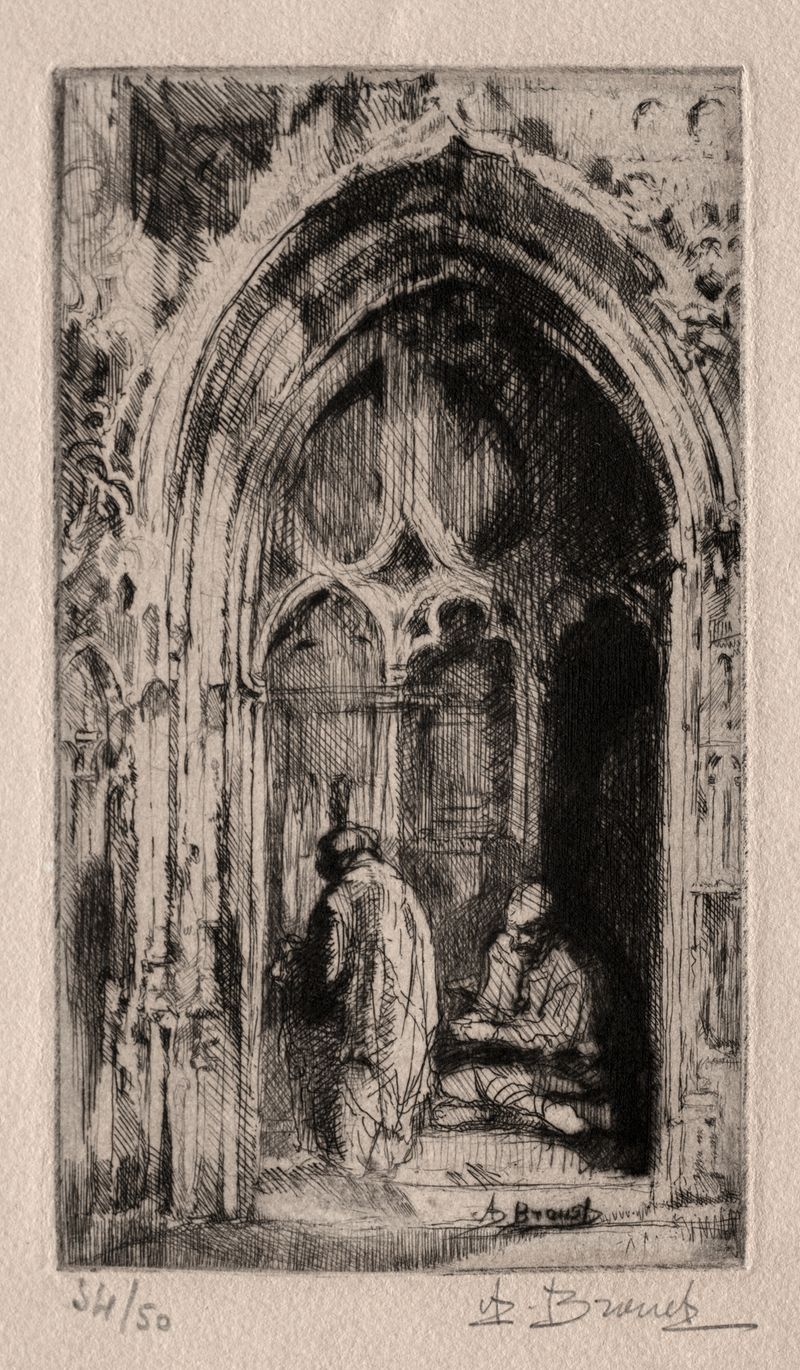
Gothic Doorway
Auguste Brouet
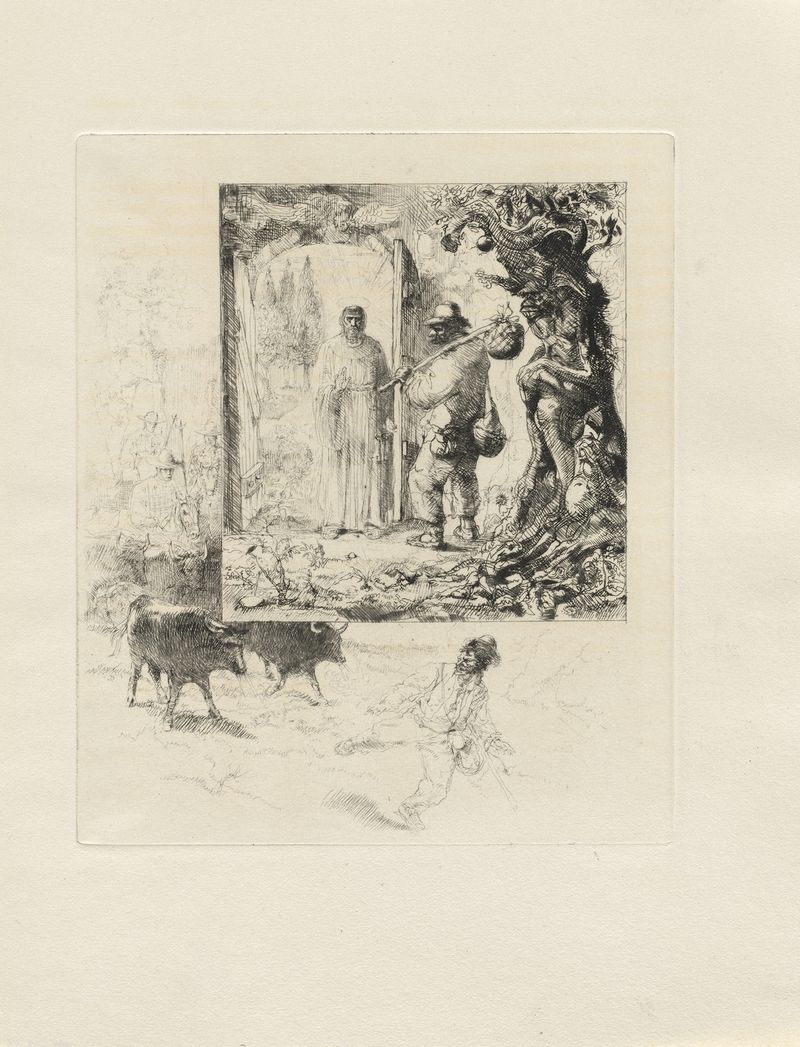
Frédéric Mistral; Mémoires et Recits Pl.08
Auguste Brouet

The Halt at the Village
Auguste Brouet

Frédéric Mistral; Mémoires et Recits Pl.13
Auguste Brouet

Frédéric Mistral; Mémoires et Recits Pl.12
Auguste Brouet

Frédéric Mistral; Mémoires et Recits Pl.03
Auguste Brouet
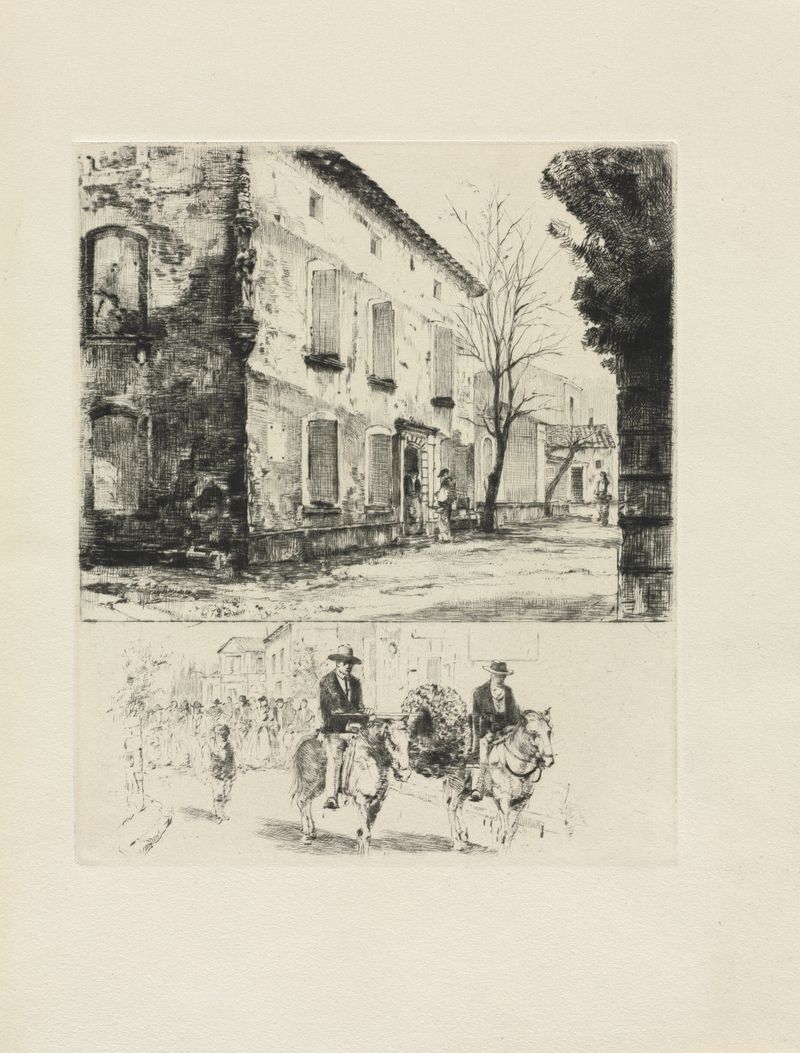
Frédéric Mistral; Mémoires et Recits Pl.14
Auguste Brouet
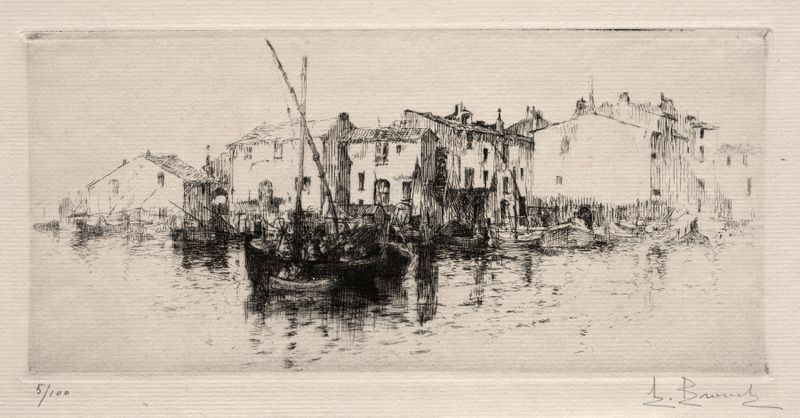
Les Martigues
Auguste Brouet





