
Grachtenhuizen met halsgevels in Amsterdam — History & Facts
In the hushed stillness of a moment captured, the longing for connection and belonging permeates the air. Here, the facades of Amsterdam’s iconic gabled houses stand as sentinels of history, whispering tales of dreams and the passage of time. Look to the left at the delicate contours of the buildings, their gables reaching skyward like fingers tracing an invisible cloud. Each edifice is meticulously rendered, the soft light creating a gentle play of shadow that breathes life into the scene.
The artist’s use of rich, earthy tones—deep greens and warm browns—invites us to explore the interplay between the architecture and the shimmering waterway, drawing our gaze along the canal that cradles these homes. Within this tranquil composition lies a palpable tension between permanence and transience. The sturdy brick structures evoke a sense of steadfastness, yet the rippling water beneath hints at the fleeting nature of time and memory. Each window reflects not only the light but also the stories of those who dwell within, conveying a yearning that transcends the painted surface, inviting viewers to ponder their own histories. In 1895, the artist embraced the charm of his native Amsterdam, a city bustling with artistic innovation and an emerging modernity.
Dupont's works during this period reflect a deep connection to the urban landscape and the architectural beauty that surrounded him. As he painted, the world was on the brink of the 20th century, a time of change both in art and society, making the resonance of place—of home—all the more poignant.
More Artworks by Pieter Dupont
Browse all →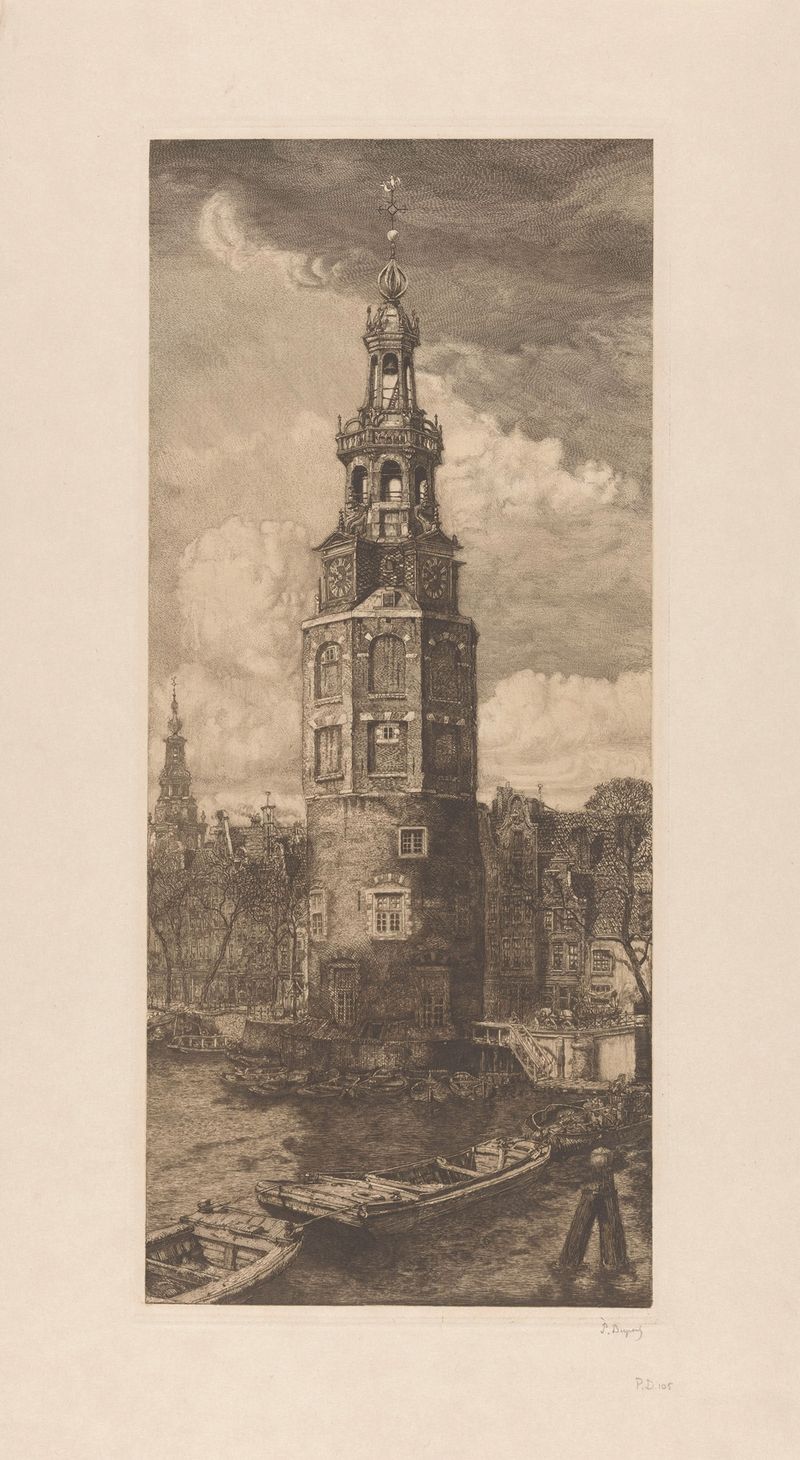
Montelbaanstoren aan de Oudeschans in Amsterdam
Pieter Dupont
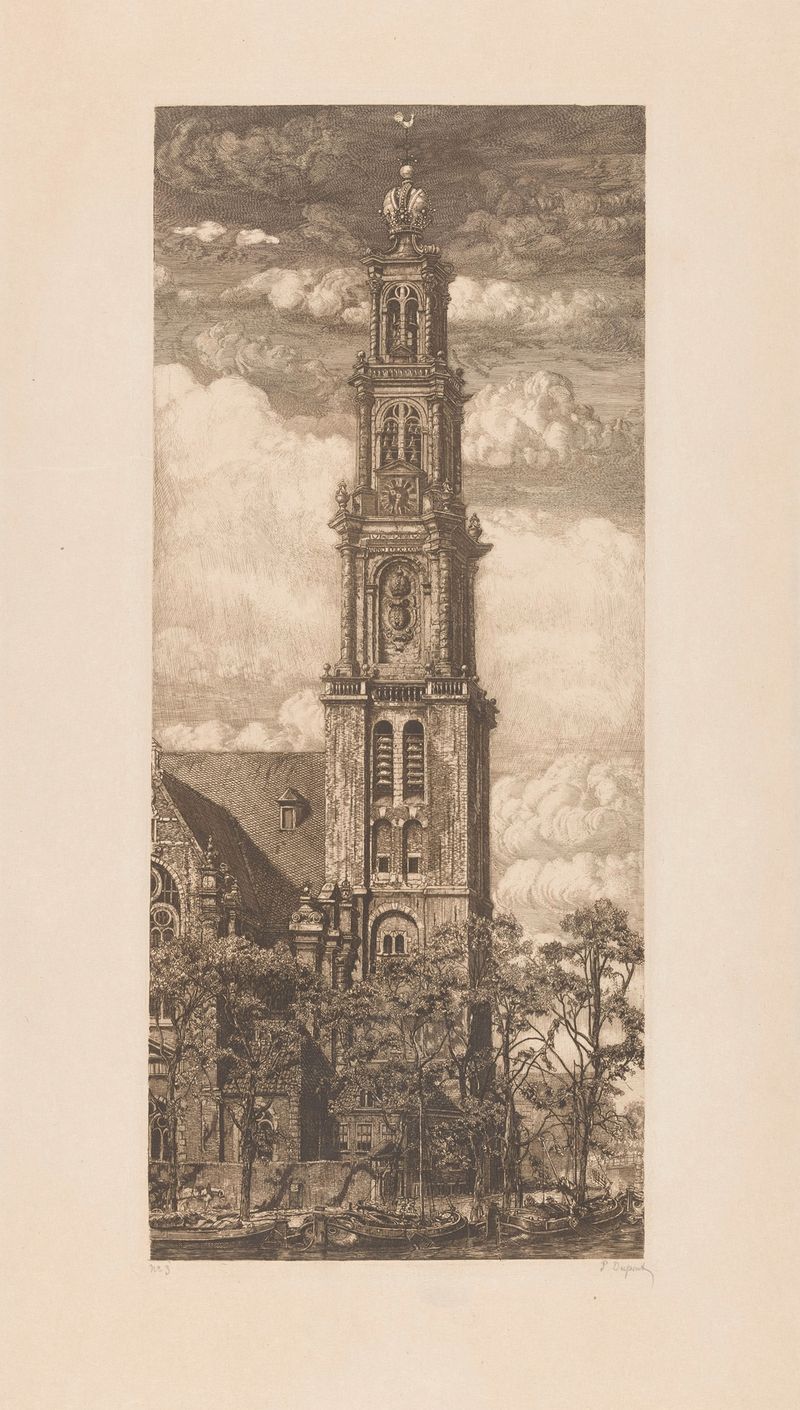
Westertoren in Amsterdam
Pieter Dupont
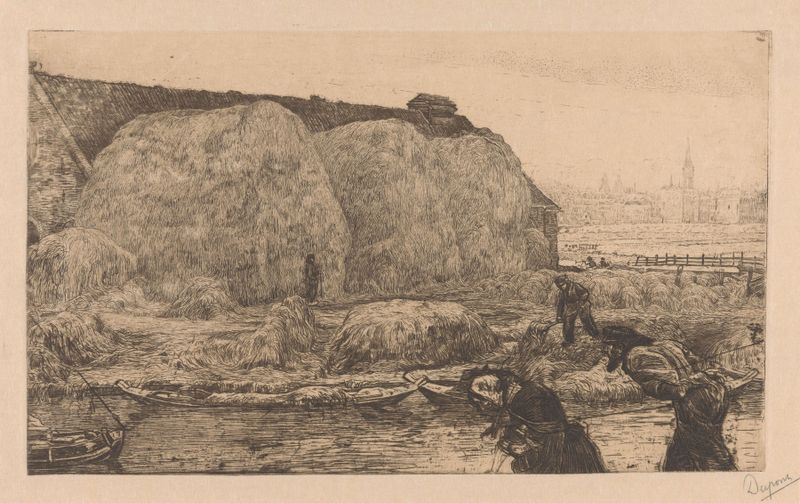
Boerderij met hooischelven aan het Jaagpad in Amsterdam
Pieter Dupont
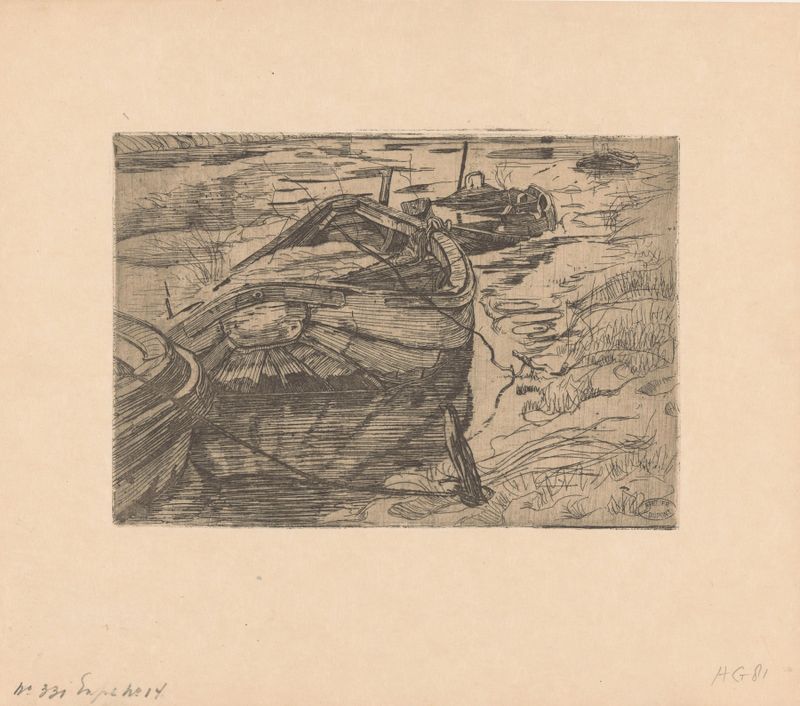
Afgemeerde roeiboten in een sloot
Pieter Dupont
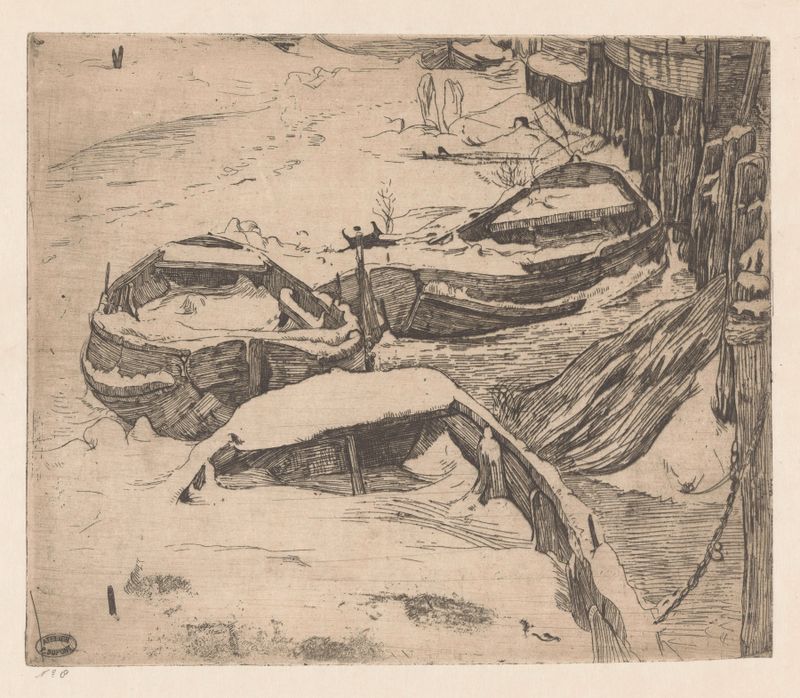
Drie besneeuwde roeiboten bij een wal
Pieter Dupont
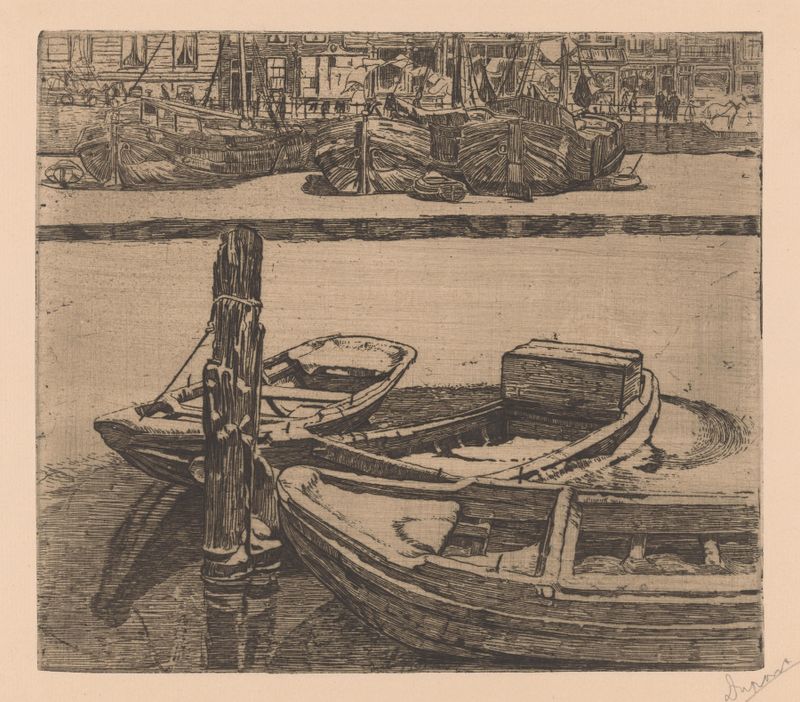
Schepen in het Damrak in Amsterdam
Pieter Dupont
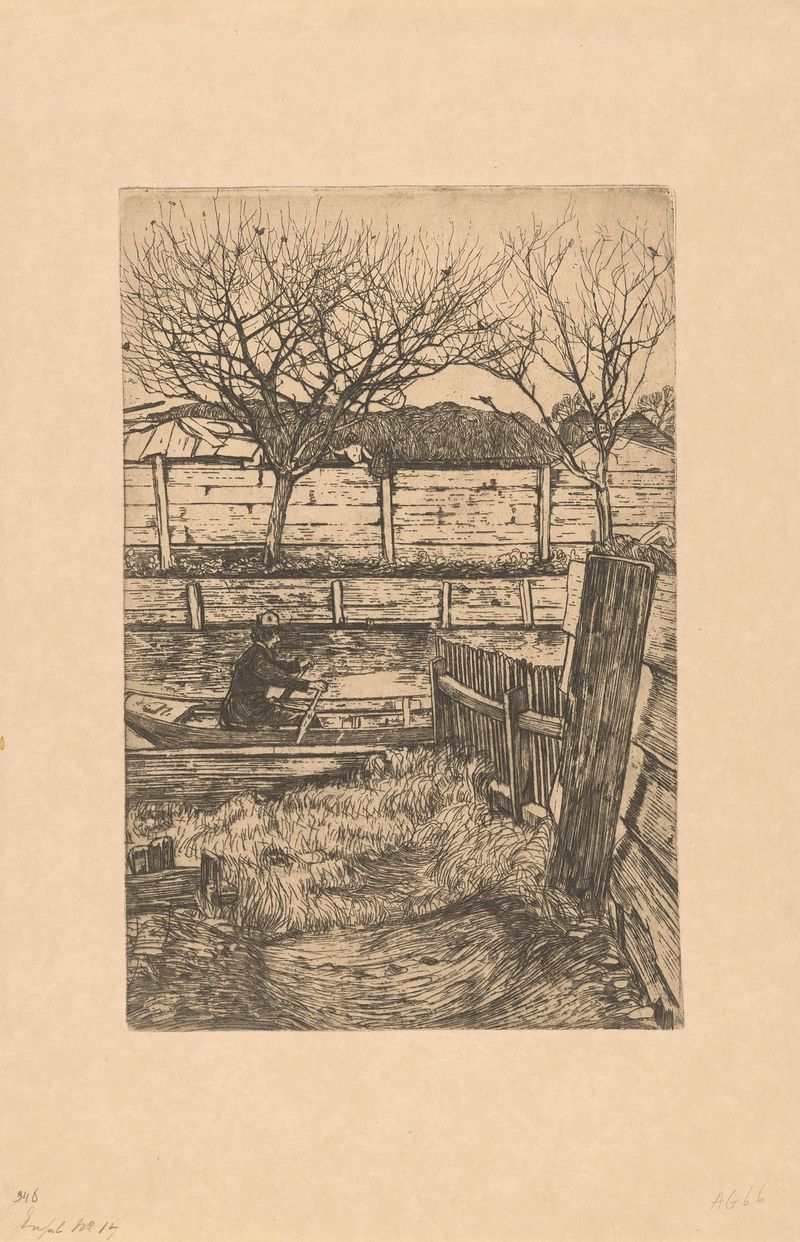
Man in een roeiboot, waarschijnlijk bij de Slatuinen in Amsterdam
Pieter Dupont
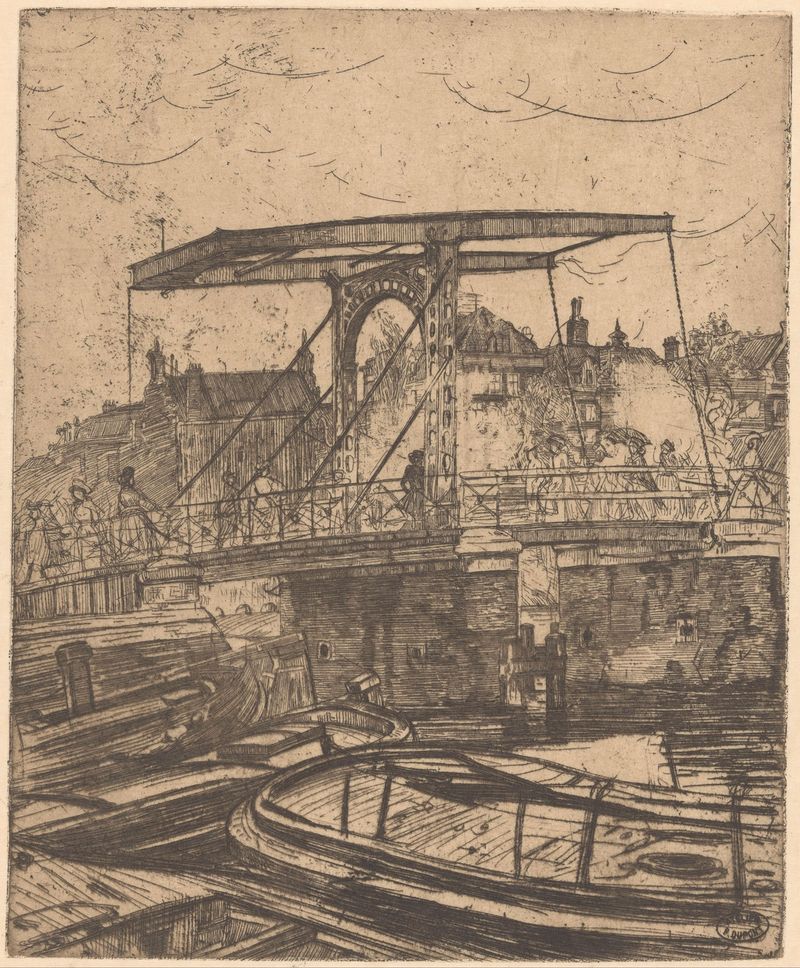
Magere Brug in Amsterdam
Pieter Dupont
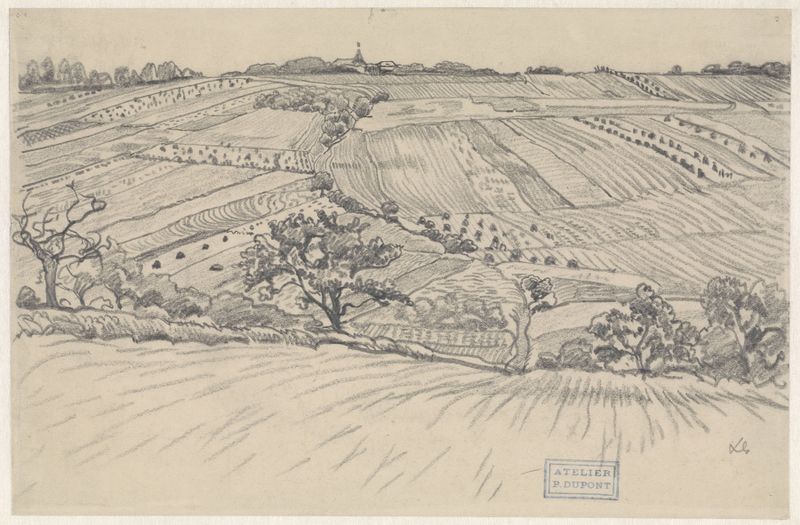
Heuvelachtig landschap met korenvelden
Pieter Dupont
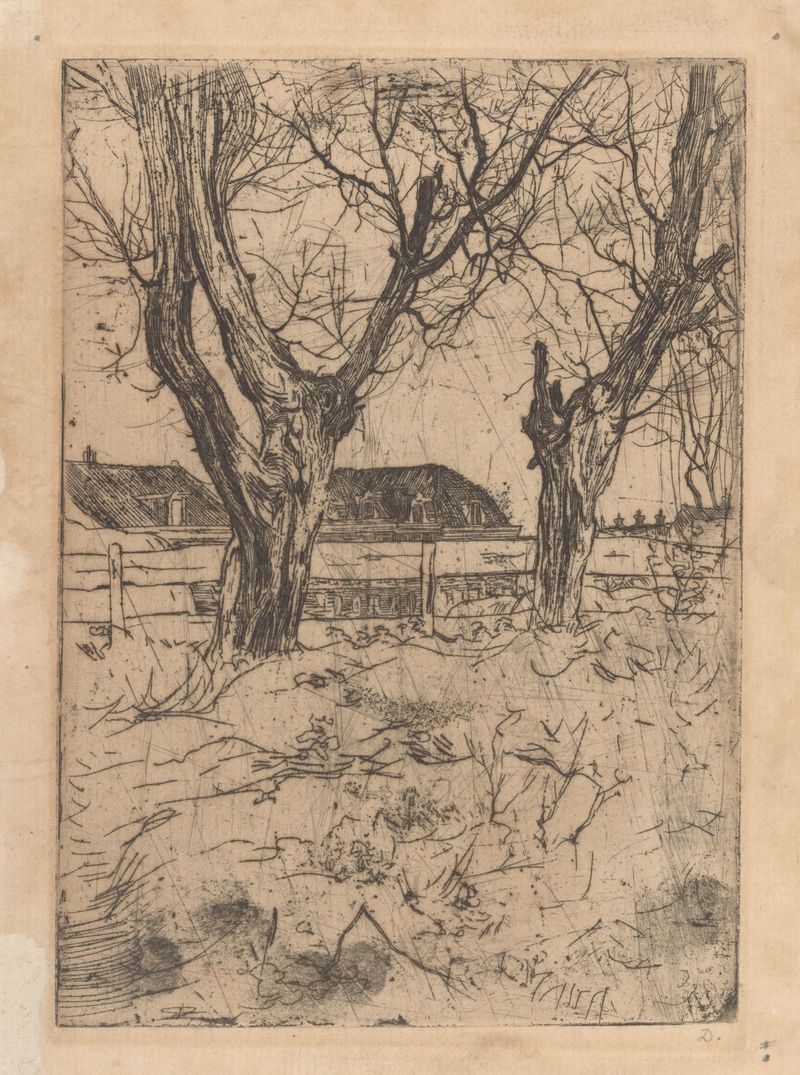
Twee knotwilgen voor een hek
Pieter Dupont
More Architecture Art
Browse all →
The statue of Liberty
Frédéric Auguste Bartholdi

View of Houses in Delft, Known as ‘The Little Street’
Johannes Vermeer

View of Houses in Delft, Known as ‘The Little Street’
Johannes Vermeer

The Cathedral in Rouen. The portal, Grey Weather
Claude Monet

The yellow house
Vincent van Gogh

The Church in Auvers-sur-Oise, View from the Chevet
Vincent van Gogh