
Magere Brug in Amsterdam — History & Facts
In the heart of Amsterdam, where bridges link lives and stories, a moment of truth lays bare the world’s intricate dance. Look to the left at the bold strokes of the bridge’s aged timber, its weathered texture inviting the viewer to touch the canvas. Notice how the light plays delicately across the water, a shimmering reflection of the pastel sky above, infusing the scene with a serene yet dynamic harmony. The soft blues and muted browns blend seamlessly, drawing the eye toward the lively figures crossing the bridge, each painted with a unique touch that breathes life into the composition. Beneath the surface, the painting reveals a delicate tension between nature and human presence.
The bridge stands resilient against the gentle ripples, symbolizing humanity's complex relationship with the natural world. Each figure, though distinct, shares a common purpose, yet their varying postures hint at individual stories, aspirations, and the shared solitude of urban life. This delicate juxtaposition enriches the narrative, suggesting that even amidst the bustling cityscape, there lies a profound connection to truth and community. Pieter Dupont created this work in 1894 during a period of artistic exploration in the Netherlands, marked by a movement towards realism and impressionism.
Living and working in Amsterdam, he was influenced by the city’s unique light and landscape, which was undergoing significant changes due to industrialization. In this context, his painting captures a fleeting moment of everyday life, encapsulating both the historical essence of the city and the artist's personal vision.
More Artworks by Pieter Dupont
Browse all →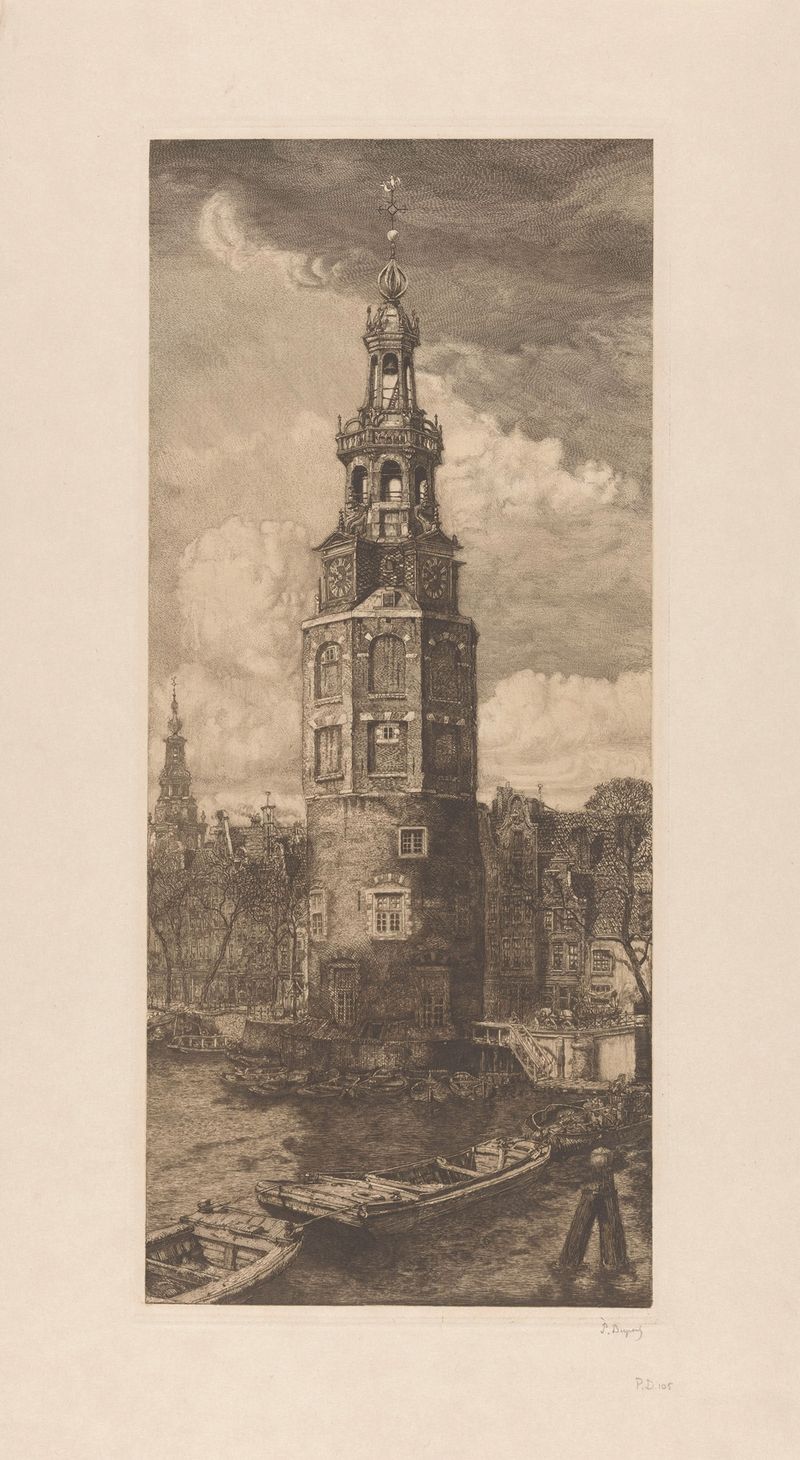
Montelbaanstoren aan de Oudeschans in Amsterdam
Pieter Dupont
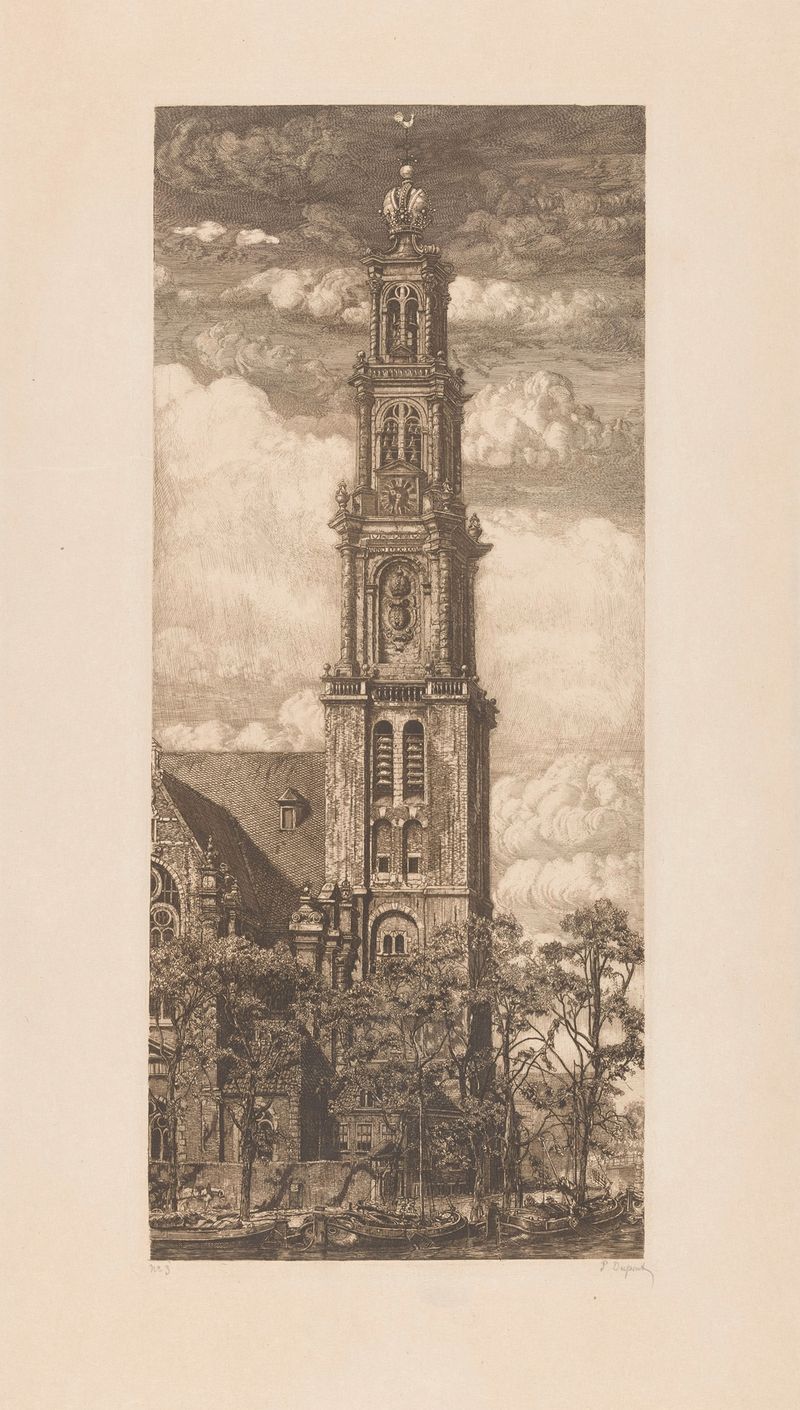
Westertoren in Amsterdam
Pieter Dupont
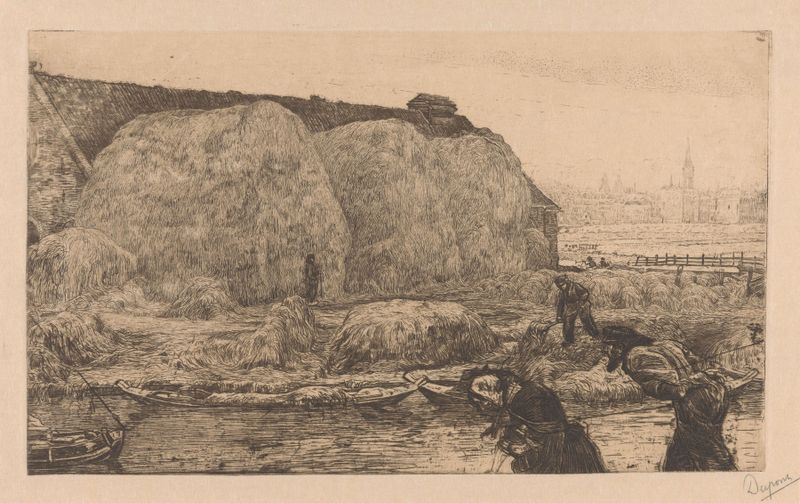
Boerderij met hooischelven aan het Jaagpad in Amsterdam
Pieter Dupont
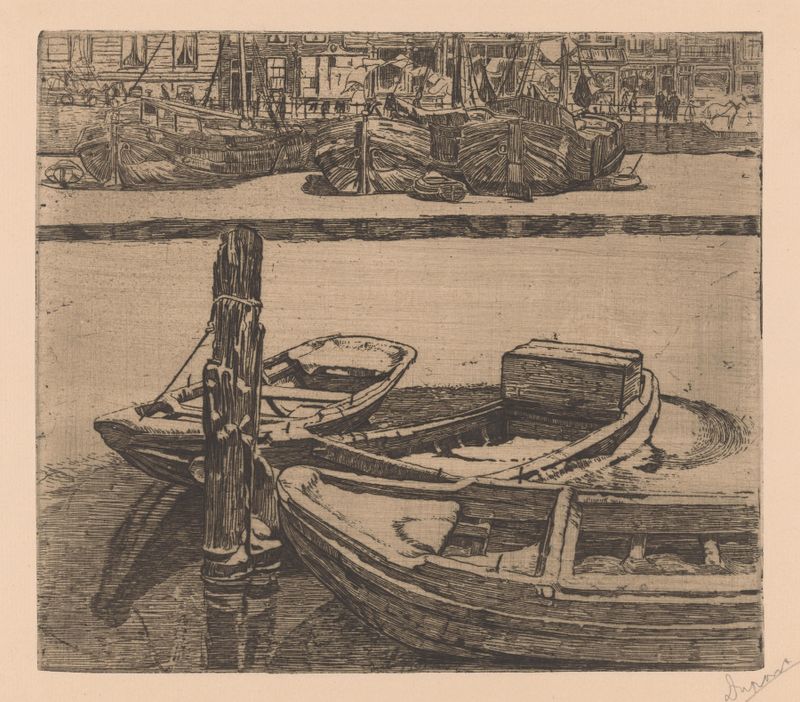
Schepen in het Damrak in Amsterdam
Pieter Dupont
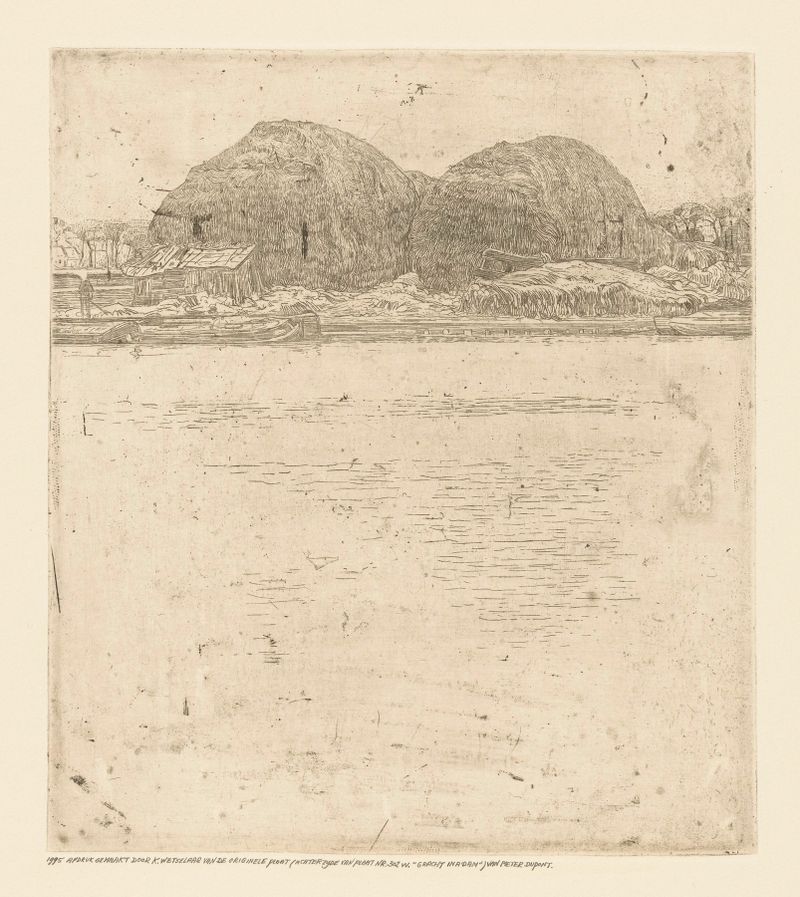
Twee hooibergen op een oever
Pieter Dupont
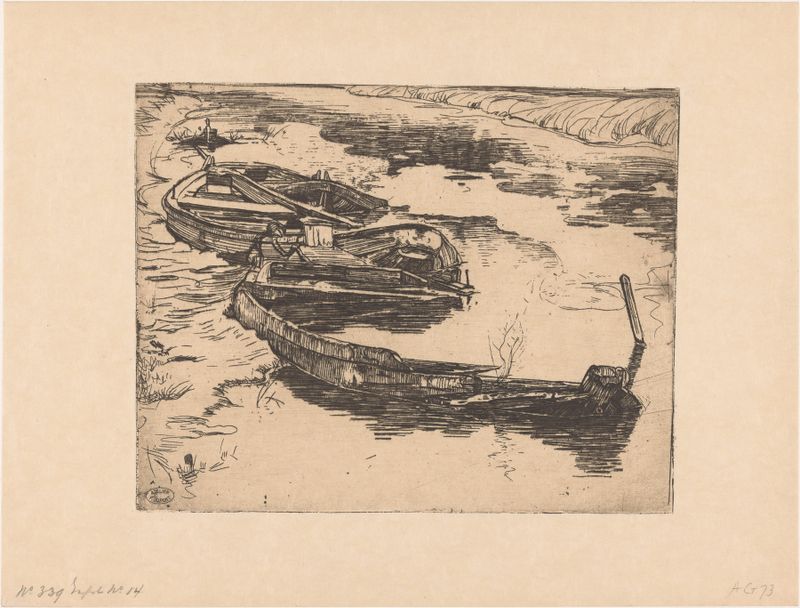
Drie weggezonken roeiboten in een sloot
Pieter Dupont
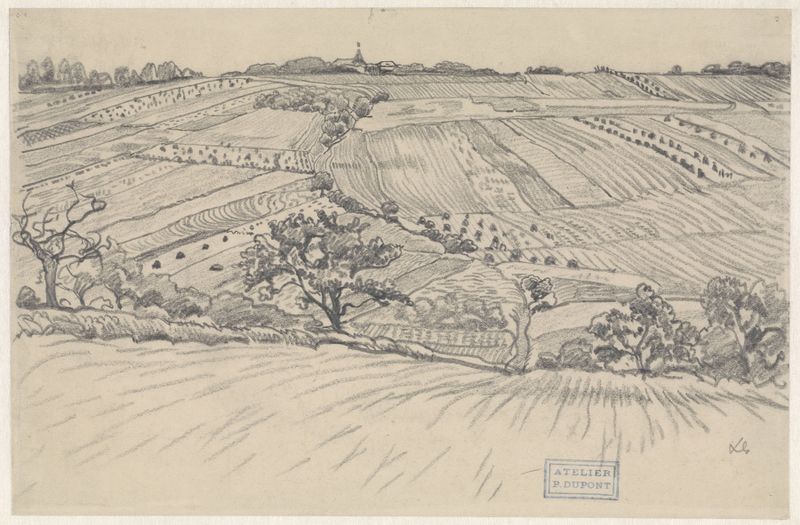
Heuvelachtig landschap met korenvelden
Pieter Dupont
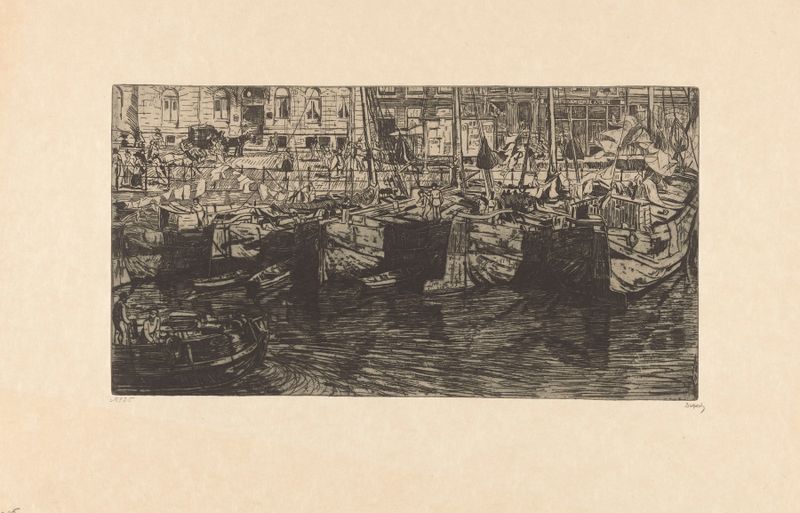
Schepen in het Damrak in Amsterdam
Pieter Dupont
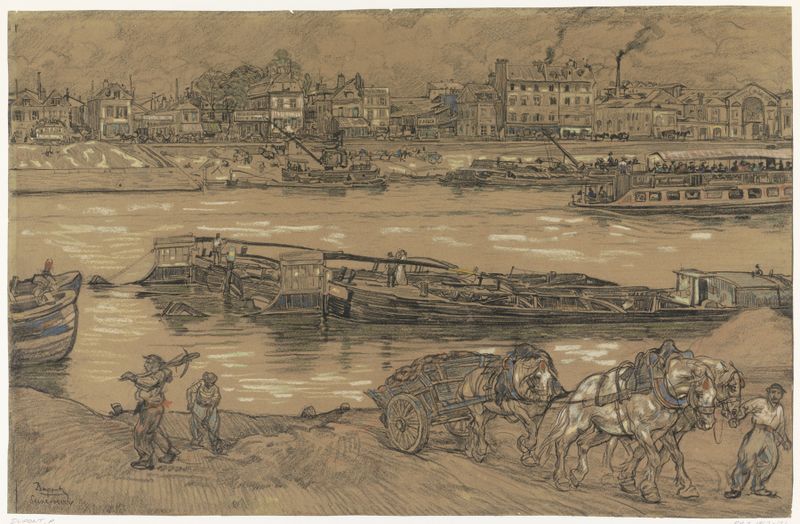
Gezicht op de oever van de Seine
Pieter Dupont
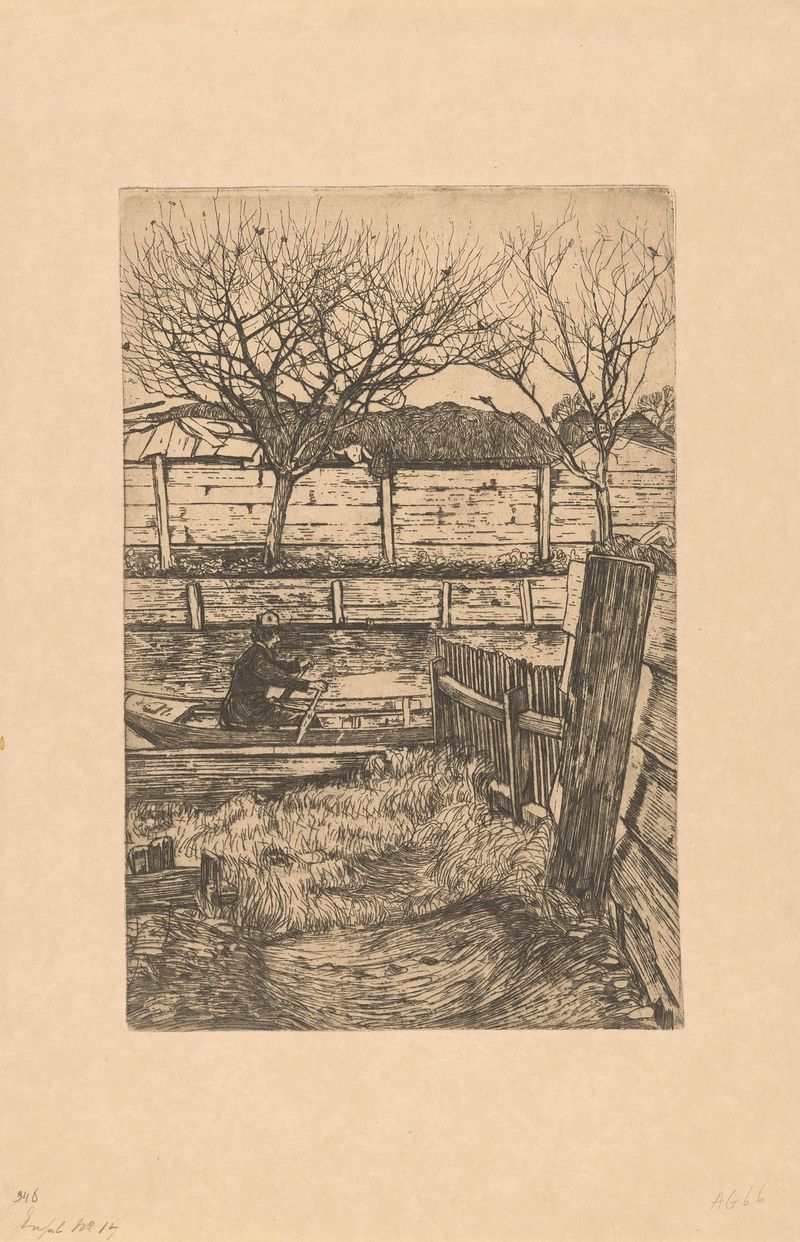
Man in een roeiboot, waarschijnlijk bij de Slatuinen in Amsterdam
Pieter Dupont





