
Heuvelachtig landschap met korenvelden — History & Facts
Can beauty exist without sorrow? In the delicate folds of land, where golden wheat sways under a gentle breeze, the answer seems to linger just out of reach. Look to the horizon, where rolling hills meet a serenely painted sky, a tapestry of soft blues and muted greens. The foreground bursts with the vibrancy of ripening grain, each stalk standing as a silent sentinel of nature’s bounty. Notice how the light captures the surface of the fields, creating a shimmering effect that evokes warmth and a sense of peace.
The brushwork, both fluid and deliberate, invites the viewer to linger in this pastoral paradise, as if time itself has paused to admire the scene. Yet, within this idyllic landscape, there lies an undercurrent of tension. The juxtaposition of lush fields and the expansive sky may suggest both abundance and vulnerability. The shadows cast by distant clouds hint at the impermanence of such beauty, reminding us that innocence is often intertwined with fleeting moments.
There’s a whisper of nostalgia in the scene, a gentle acknowledgment that every bloom is destined to wither, every harvest tinged with the ache of loss. Pieter Dupont created this work between 1880 and 1911, during a transformative period in the Netherlands. As industrialization began to reshape the countryside, his landscapes served as a poignant reminder of the beauty and tranquility that could still be found in rural life. Dupont’s focus on nature reflects a broader movement in art, emphasizing the importance of the natural world amid an era of rapid change.
More Artworks by Pieter Dupont
Browse all →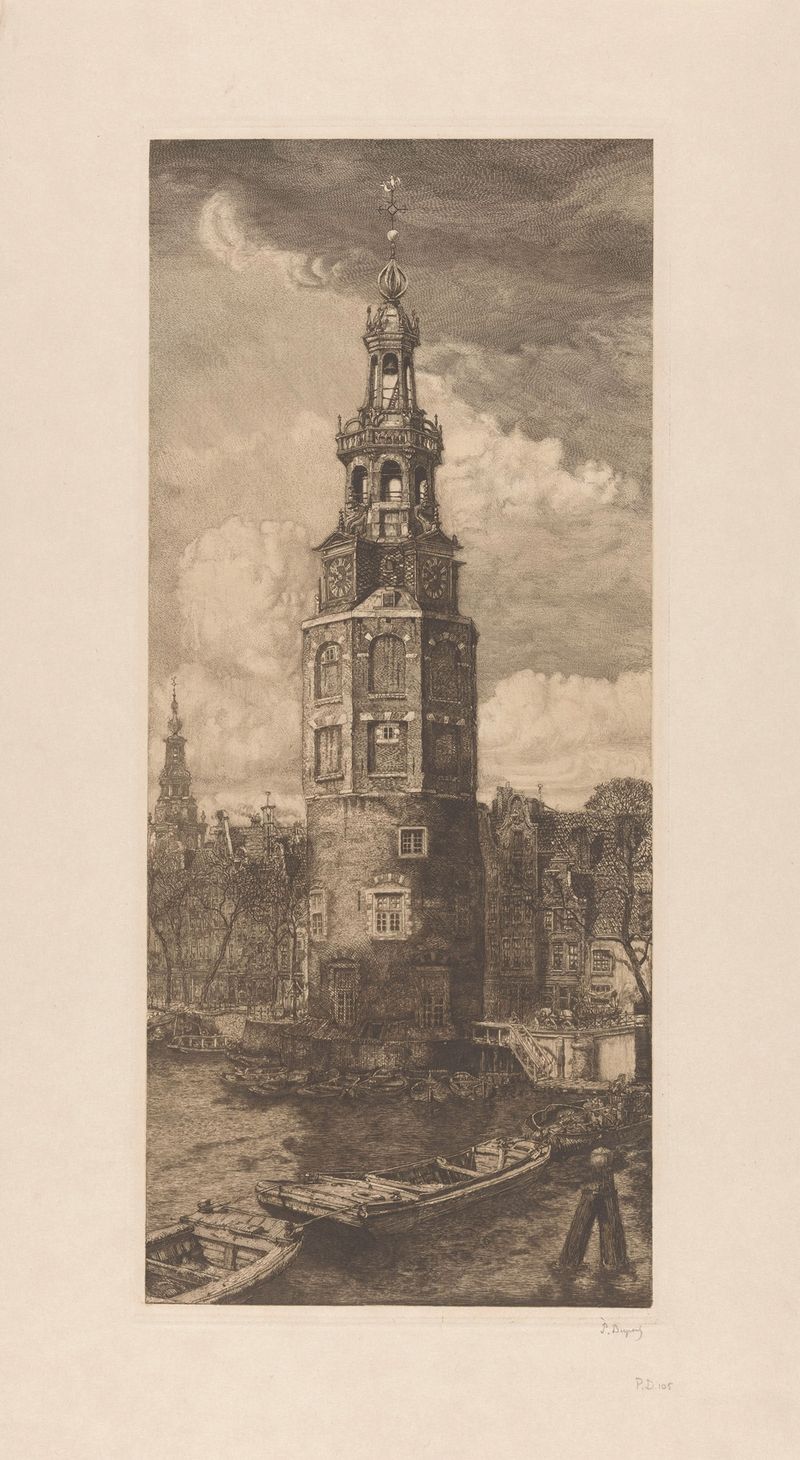
Montelbaanstoren aan de Oudeschans in Amsterdam
Pieter Dupont
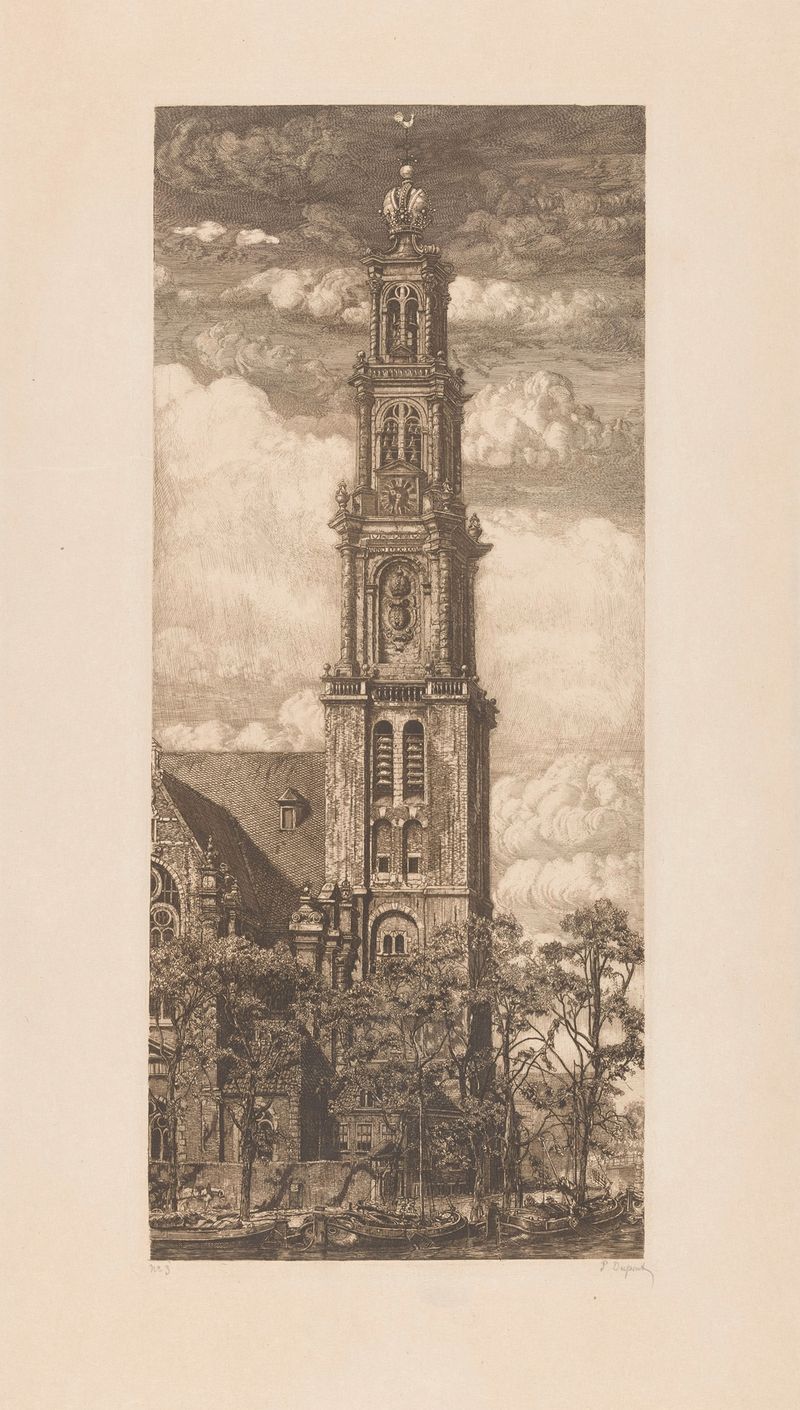
Westertoren in Amsterdam
Pieter Dupont
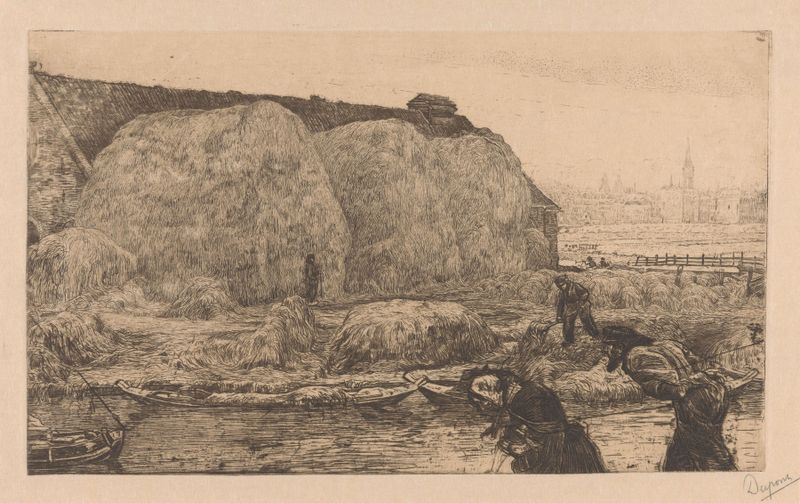
Boerderij met hooischelven aan het Jaagpad in Amsterdam
Pieter Dupont
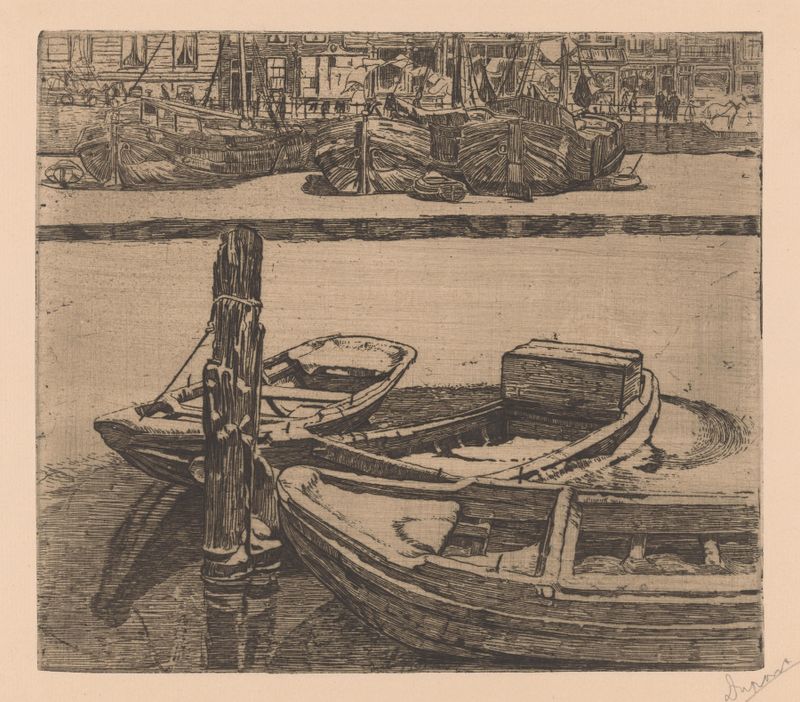
Schepen in het Damrak in Amsterdam
Pieter Dupont
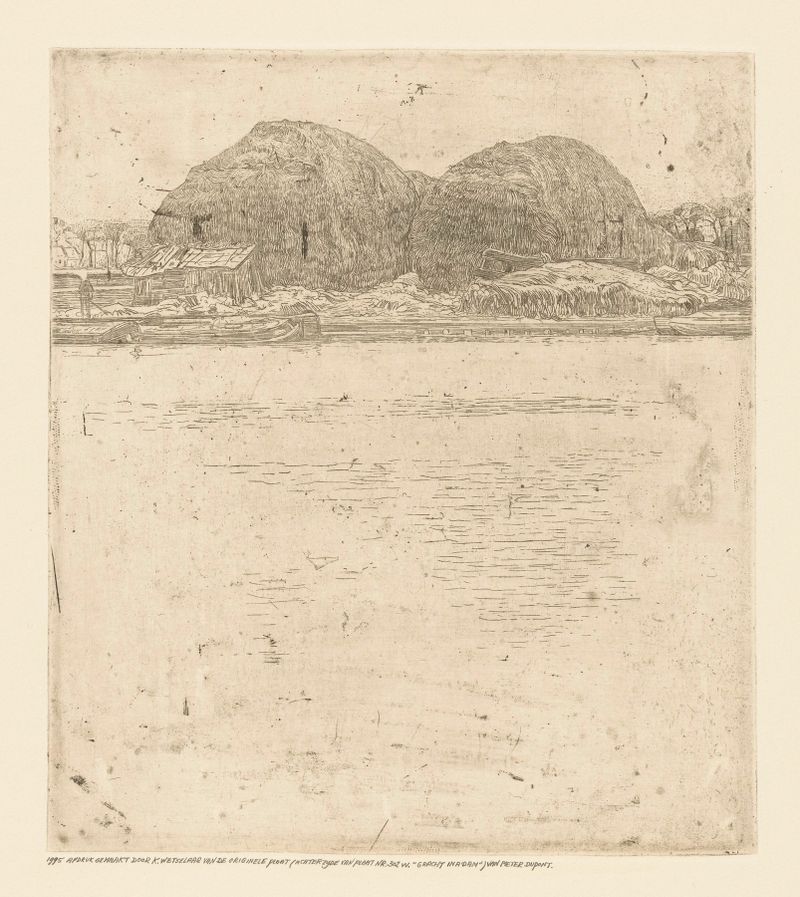
Twee hooibergen op een oever
Pieter Dupont
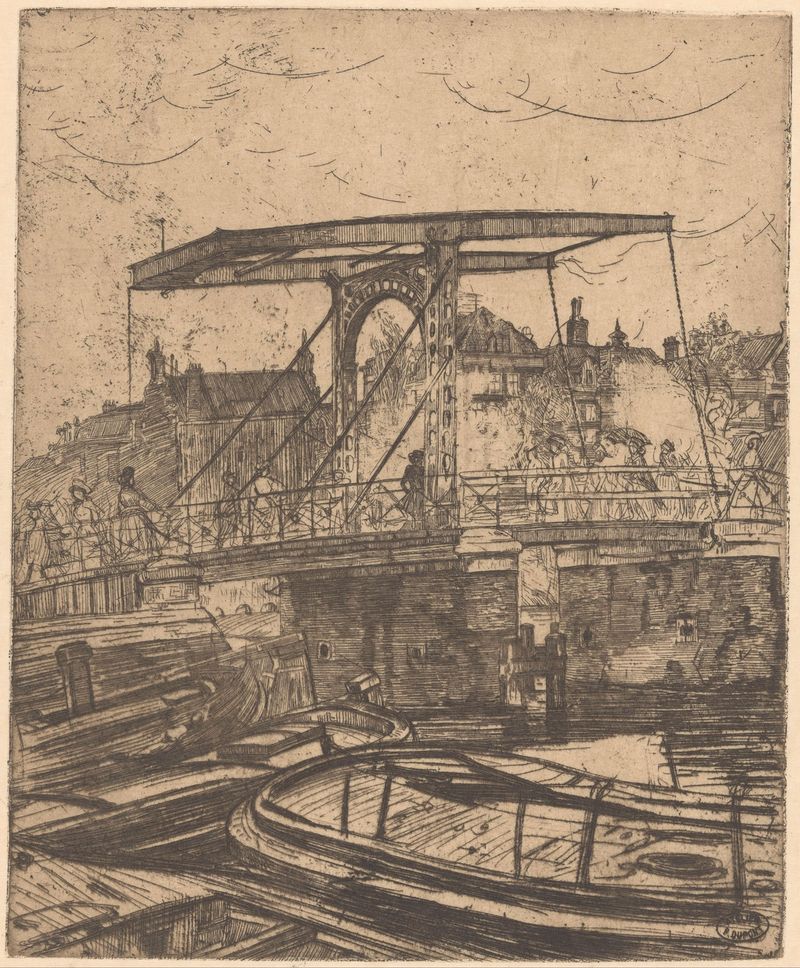
Magere Brug in Amsterdam
Pieter Dupont
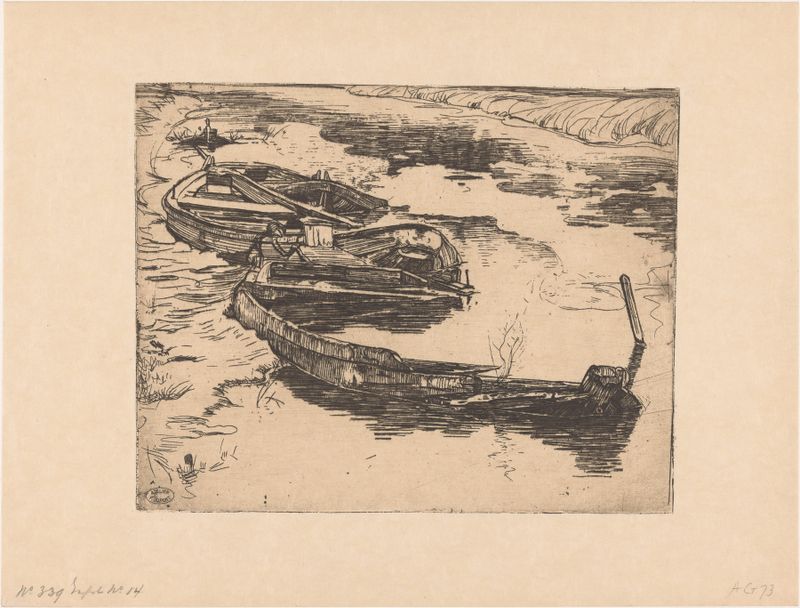
Drie weggezonken roeiboten in een sloot
Pieter Dupont
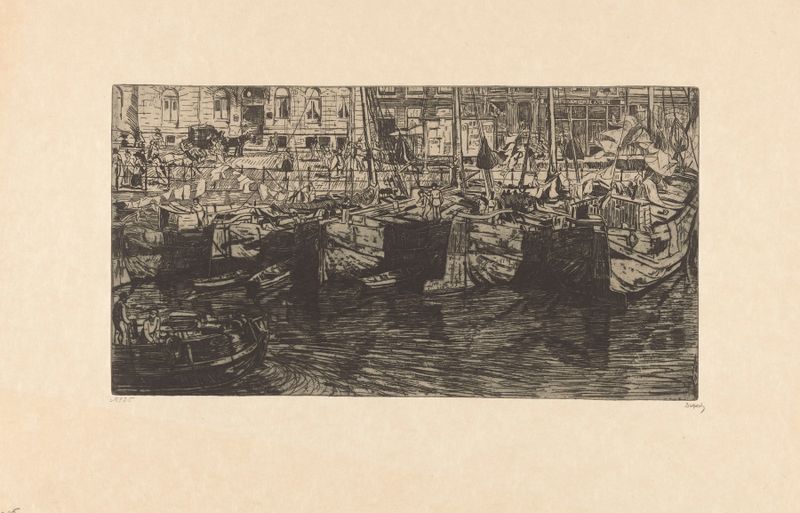
Schepen in het Damrak in Amsterdam
Pieter Dupont
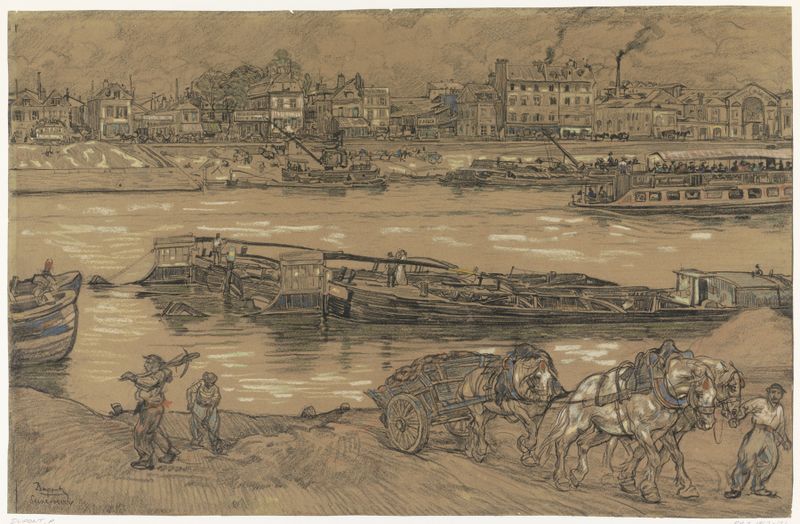
Gezicht op de oever van de Seine
Pieter Dupont
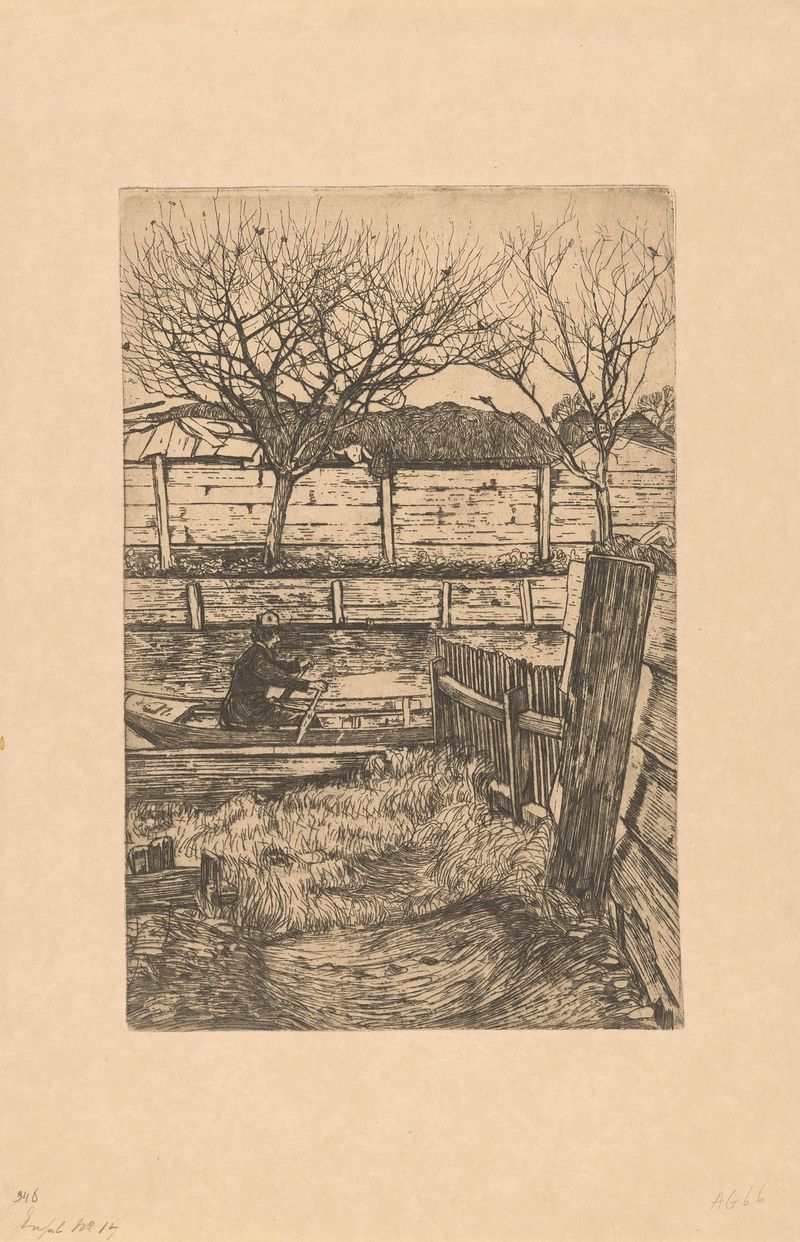
Man in een roeiboot, waarschijnlijk bij de Slatuinen in Amsterdam
Pieter Dupont





