Grafbord van Pieter de Brueys (1750-83), opperkoopman en hoofd-administrateur te Chinsura — History & Facts
Time drips like wax, pooling in the corners of the canvas, capturing both fleeting moments and the eternity of what has been. Look toward the center where the table lays, laden with documents and instruments of trade, telling the story of commerce and ambition. The muted colors—earthy browns, soft whites, and subdued greens—create an atmosphere of gravity and stillness. Notice how the light pours from the left, illuminating the meticulously crafted tools, their reflections shimmering just enough to hint at the labor and expertise involved in trade.
The composition is deliberate, drawing the eye in a circular motion from the objects to the stoic figure observing them, who becomes both participant and spectator. Beneath the surface, there lies a tension between progress and nostalgia. The array of items on the table signifies the weight of responsibility and decision, while the surrounding shadows suggest the past's quiet grip on the present. The stillness speaks of a moment suspended in time, where every element possesses its own story, yet is united by the invisible thread of fate that binds them together.
Here, the viewer is invited to contemplate the balance between the entrepreneurial spirit and the echoes of history. The work emerged in the aftermath of a significant era, painted post-1783, when the world was shifting towards modernity and colonialism's impact was profoundly felt. The artist, whose identity remains obscured, captured the essence of a bustling trade environment in Chinsura, India, where commerce thrived amid the complexities of colonial rule. This piece reflects a moment of introspection during a time where new horizons were both promising and fraught with challenges.
More Artworks by Unknown Artist
Browse all →
Ridder, Dood en Duivel
Unknown Artist
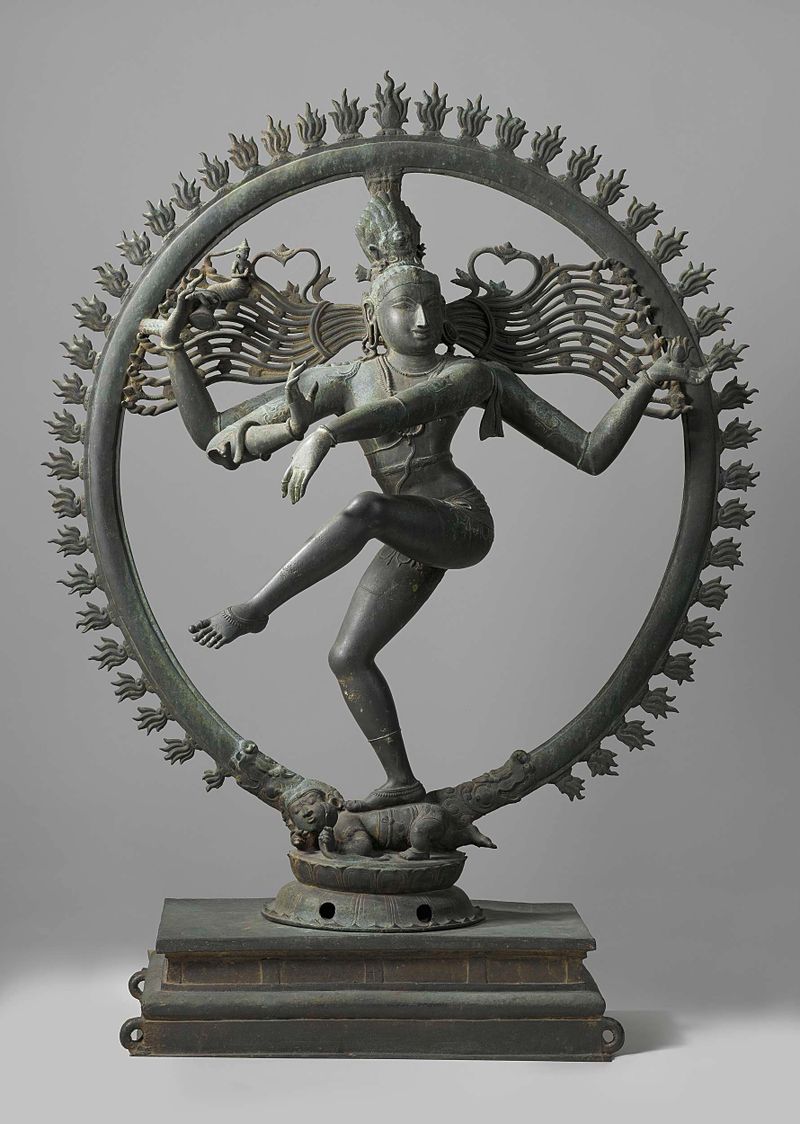
Shiva Nataraja
Unknown Artist
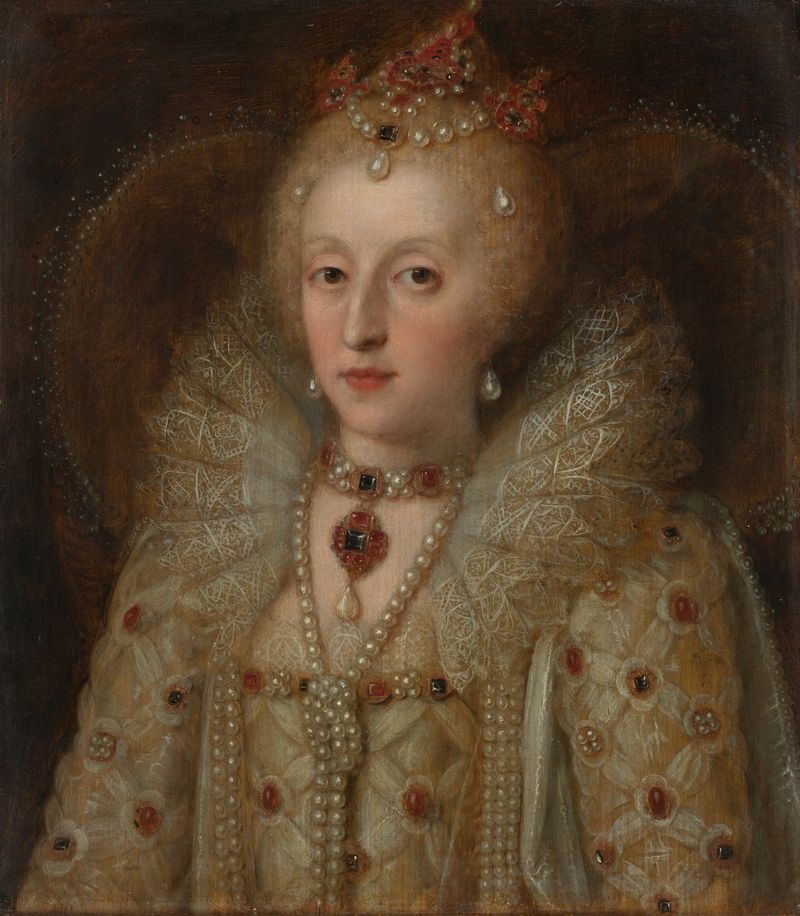
Portrait of Elizabeth I, Queen of England
Unknown Artist
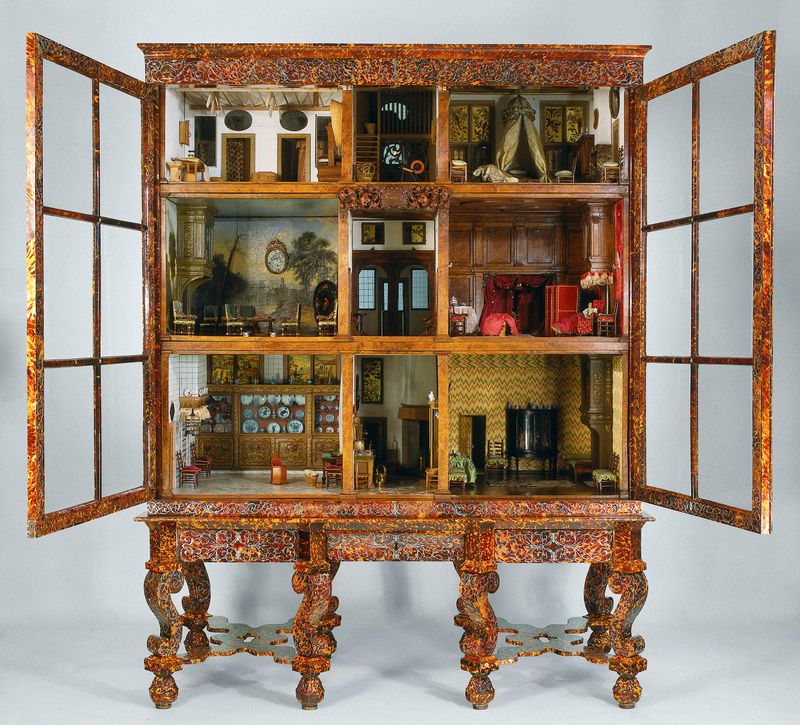
Dolls’ house of Petronella Oortman
Unknown Artist
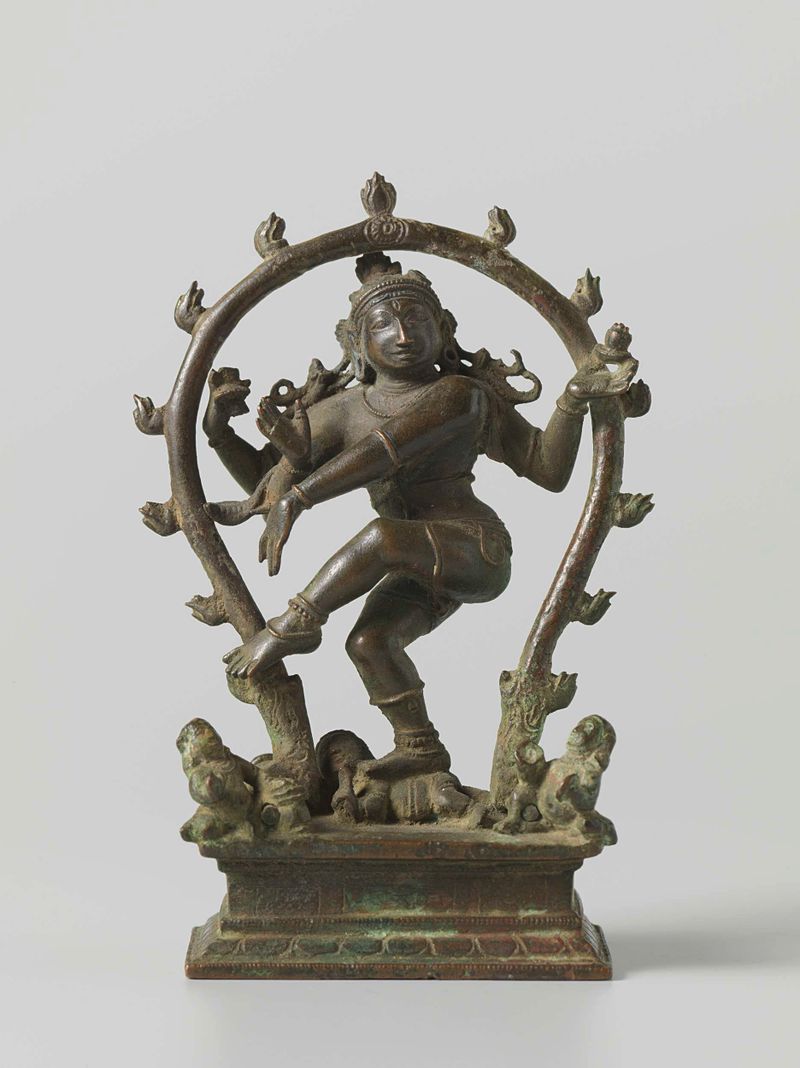
Shiva Nataraja
Unknown Artist

The Tale of Genji
Unknown Artist

The Tale of Genji
Unknown Artist

Cong
Unknown Artist
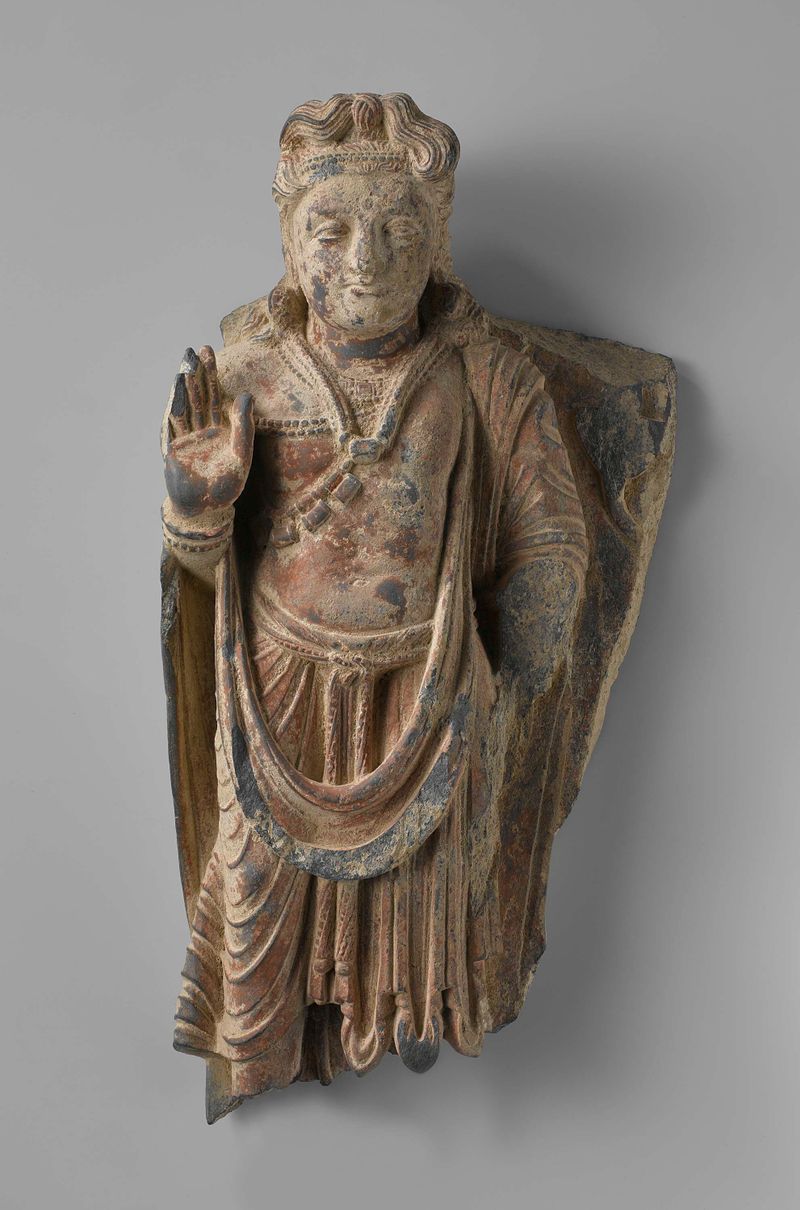
The bodhisattva Maitreya
Unknown Artist

Teabowl with a 'hare's fur' glaze
Unknown Artist