Grand chapiteau de bronze sculpté et patiné — History & Facts
What first catches the eye is the restless energy swirling through the lines—this is no static architectural study, but a living vision of ornament in motion. The leafy forms at the capital seem to ripple and twist, as if caught mid-breath, their contours flowing seamlessly into the vertical shaft. The artist’s hand lingers on every curve and hollow, drawing the viewer’s gaze up and around, never letting it settle.
The play of light and shadow in the pencil work is deliberate, giving the impression that this structure might spring into bloom at any moment. This drawing belongs unmistakably to the world of Art Nouveau, and the name Alphonse Mucha carries with it the promise of organic invention. Around 1900, designers like Mucha were reimagining everyday objects—furniture, architecture, even streetlights—as opportunities for nature to infiltrate the city. The capital here is not just a support, but a celebration of the natural world, rendered with a precision that suggests both a craftsman’s blueprint and an artist’s fantasy.
History has kept few traces of exactly how this particular design was realized, but its presence in the Musée Carnavalet reminds us that Paris at the turn of the century was a laboratory for such experiments. Look again at the drawing, and imagine the bronze it proposes: not cold or rigid, but alive with the pulse of its age.
More Artworks by Alphonse Mucha
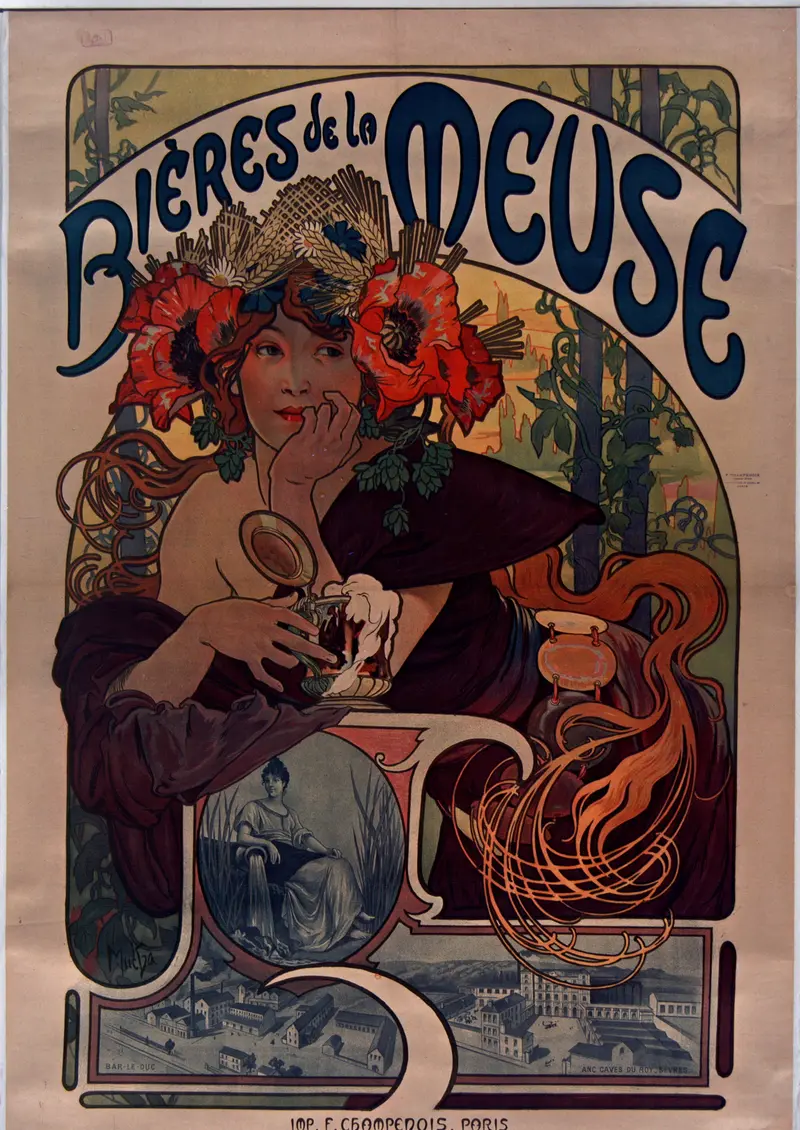
Bières de la Meuse
Alphonse Mucha
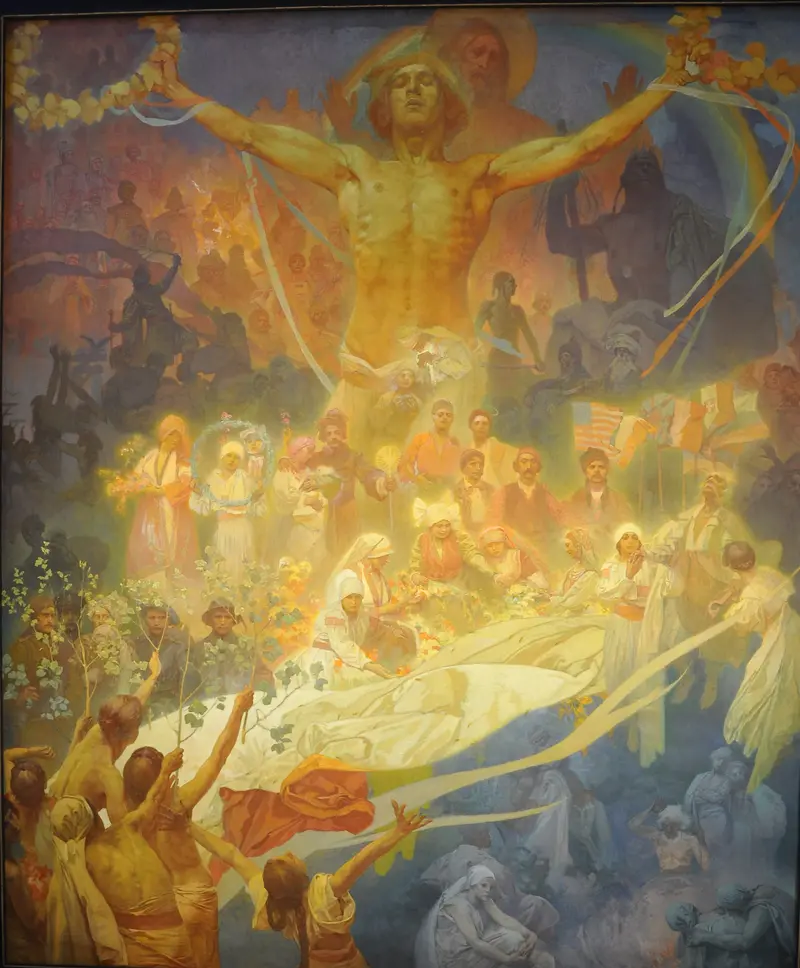
The Apotheosis of the Slavs
Alphonse Mucha
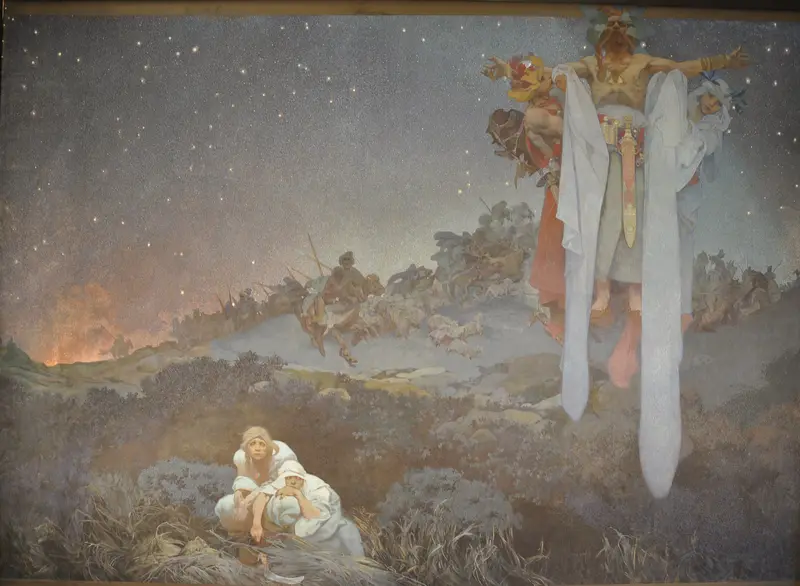
The Slavs in Their Original Homeland
Alphonse Mucha
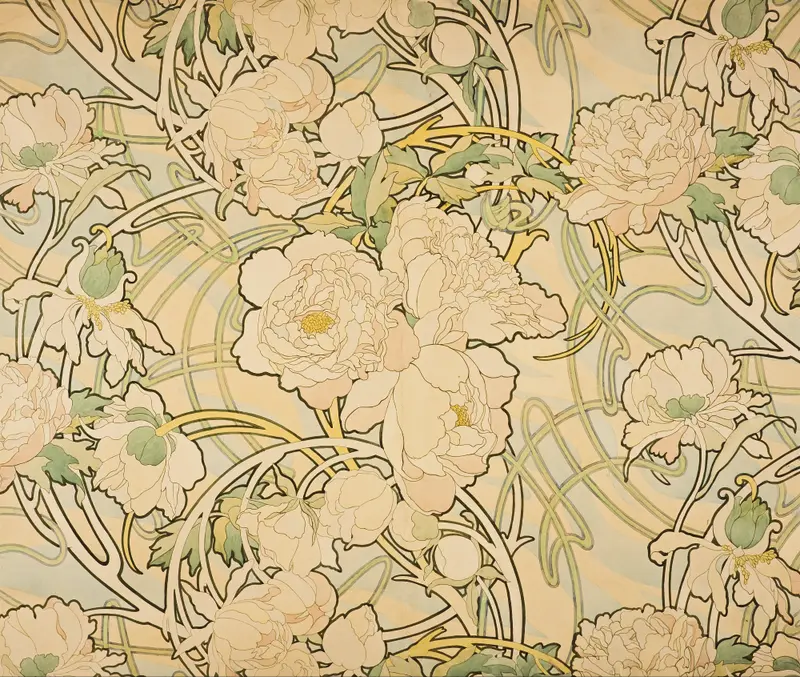
Peonies
Alphonse Mucha
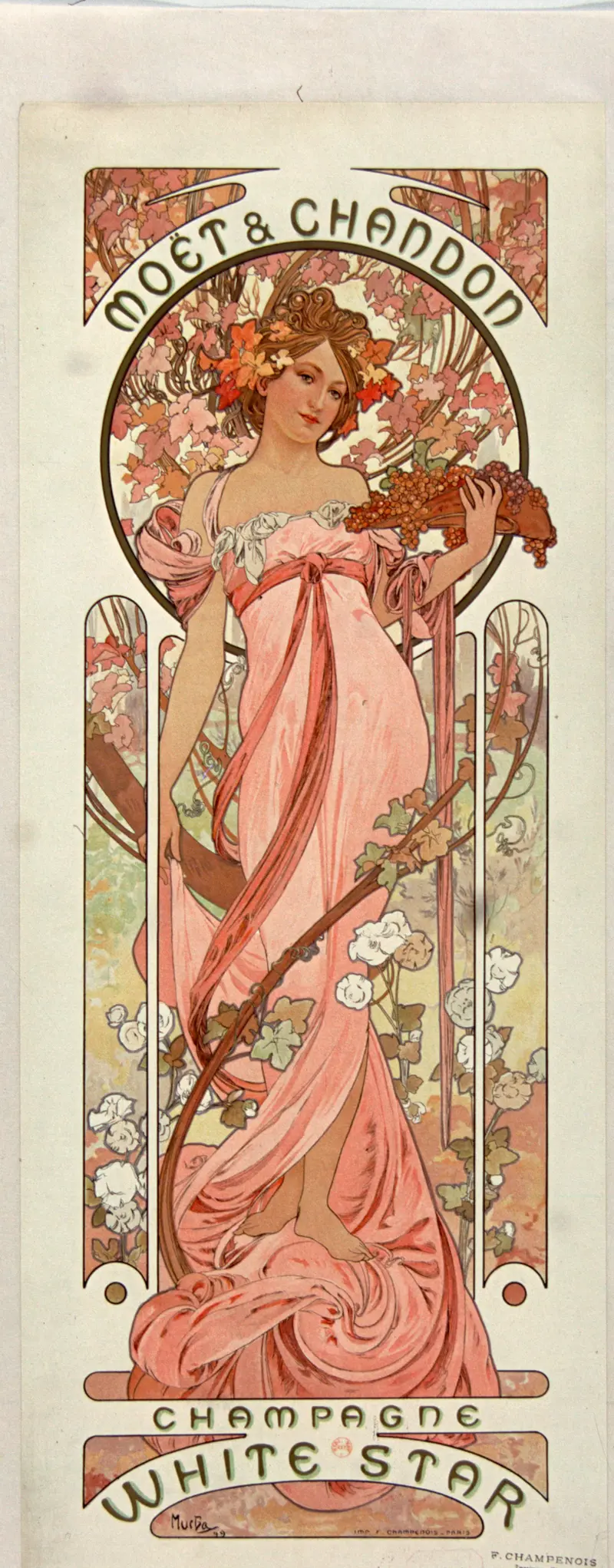
Moët & Chandon White Star
Alphonse Mucha
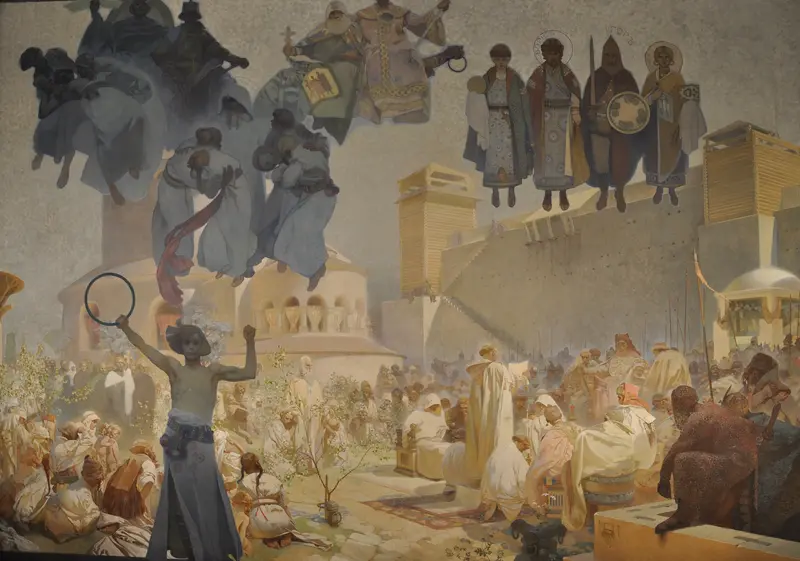
The Introduction of the Slavonic Liturgy
Alphonse Mucha
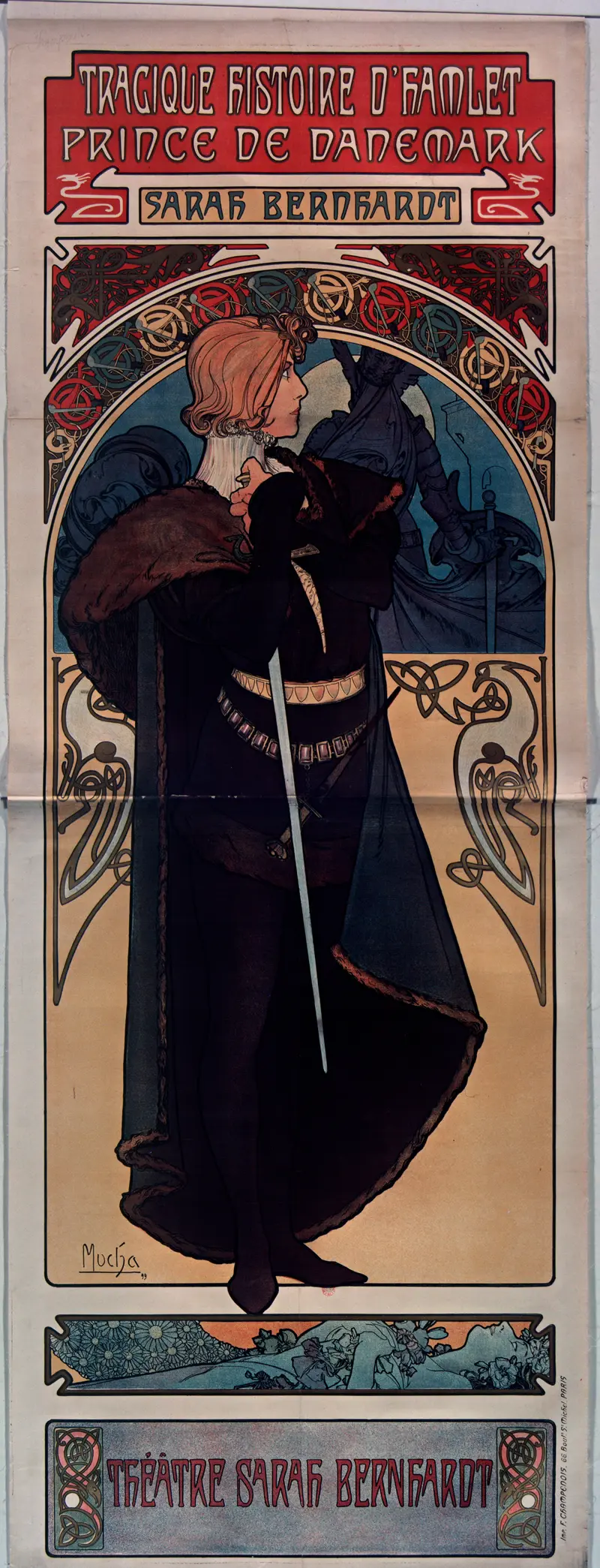
Hamlet (Sarah Bernhardt)
Alphonse Mucha
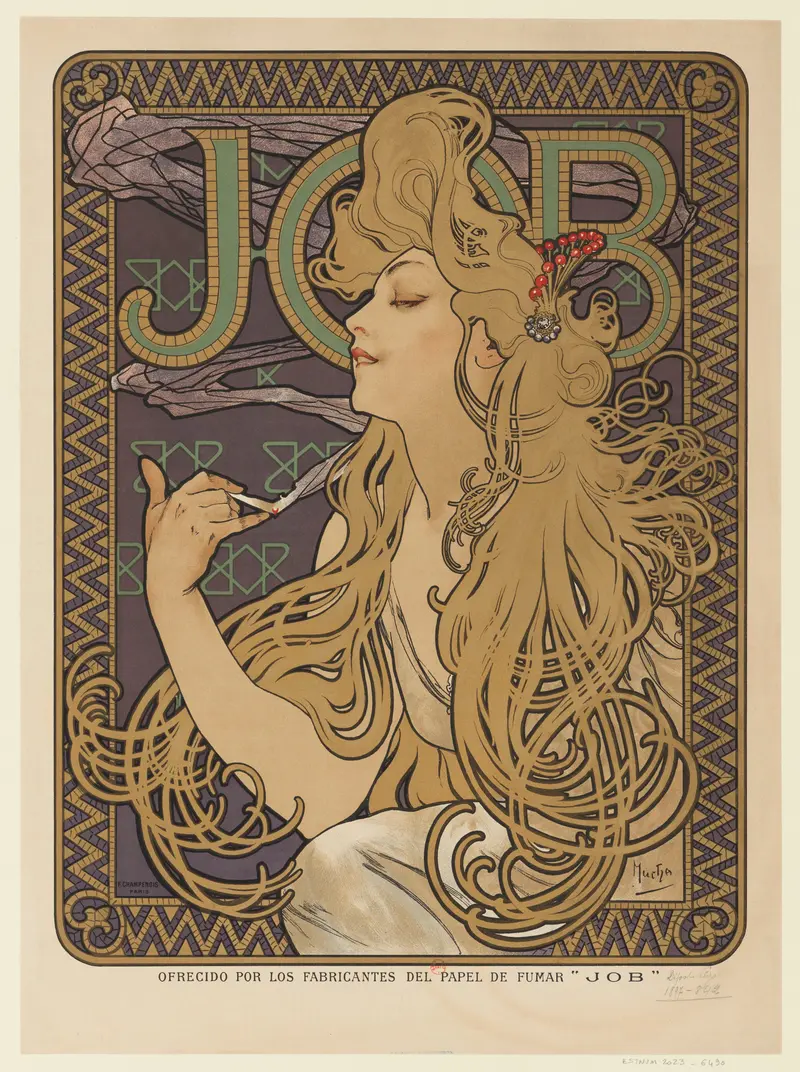
JOB cigarette papers
Alphonse Mucha
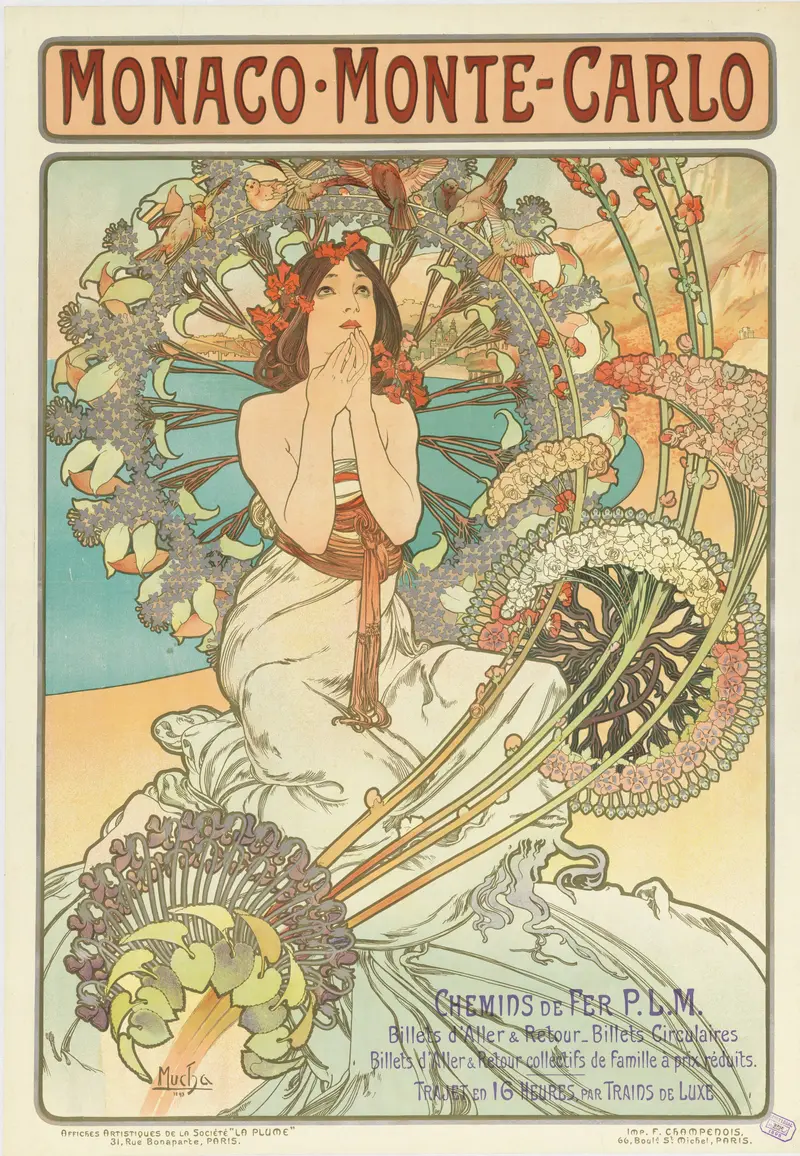
Monaco-Monte Carlo
Alphonse Mucha
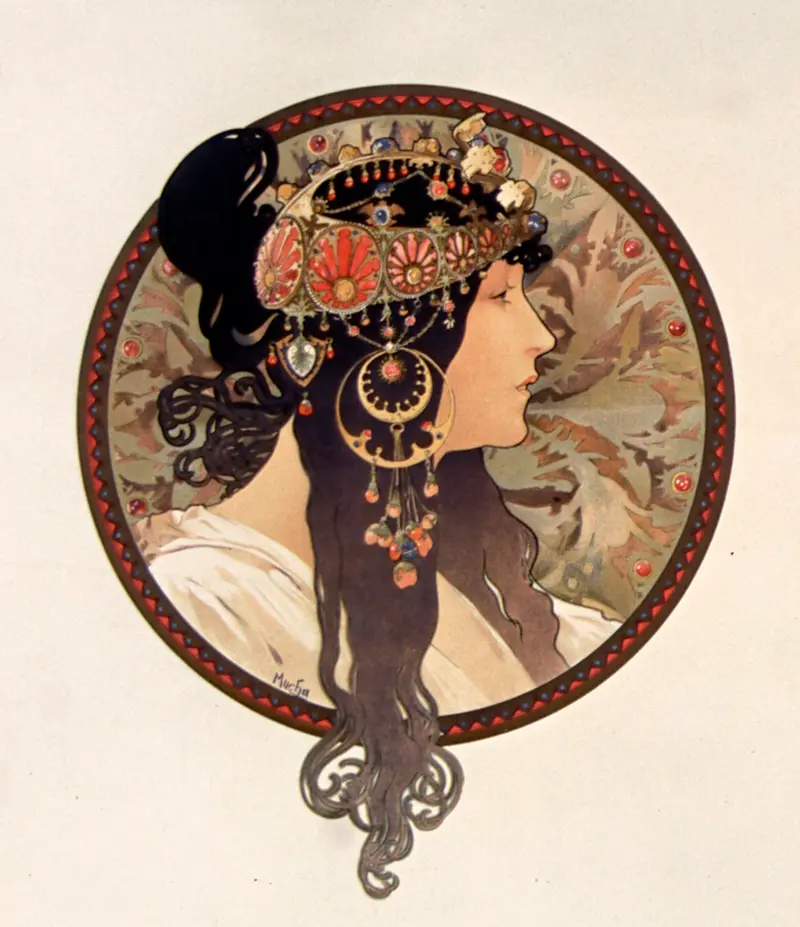
Byzantine Head: Brunette
Alphonse Mucha