
Grassmere — History & Facts
Did the painter know this moment would outlive them? The hues of dusk — vibrant greens melding into soothing blues — whisper the answer as they invite viewers into a world captured in time. Focus first on the lush expanse of grass that sprawls across the canvas. Notice the strokes that breathe life into each blade, the meticulous layering of paint creating texture and depth. Your gaze can’t help but be drawn to the gentle gradient of colors that shift with the light, from the sun-kissed greens to the shadowy outlines of distant hills.
There’s a palpable serenity in the composition, each element harmonizing with the next to create a tableau that feels both alive and eternal. Yet, beneath this calm façade lies a quiet tension. The contrast between the vibrant foreground and the muted background hints at the transience of beauty, a reminder that all moments, no matter how splendid, are fleeting. The subtle interplay of light suggests a time of day that is both an end and a beginning, evoking a poignant sense of nostalgia.
As the painter meticulously rendered each detail, one can sense an emotional undercurrent that connects the earthly scene to the ethereal experience of life itself. Joseph Farington created this work in a period when Romanticism was on the rise, capturing the beauty of nature with a fresh perspective. Although the exact date of Grassmere remains unknown, the artist's dedication to portraying the British landscape during the late 18th century reflects a growing appreciation for natural beauty amidst the industrial changes of his time. Farington, a member of the Royal Academy, was immersed in an artistic community that celebrated emotion and nature, shaping a legacy that continues to resonate today.
More Artworks by Joseph Farington
Browse all →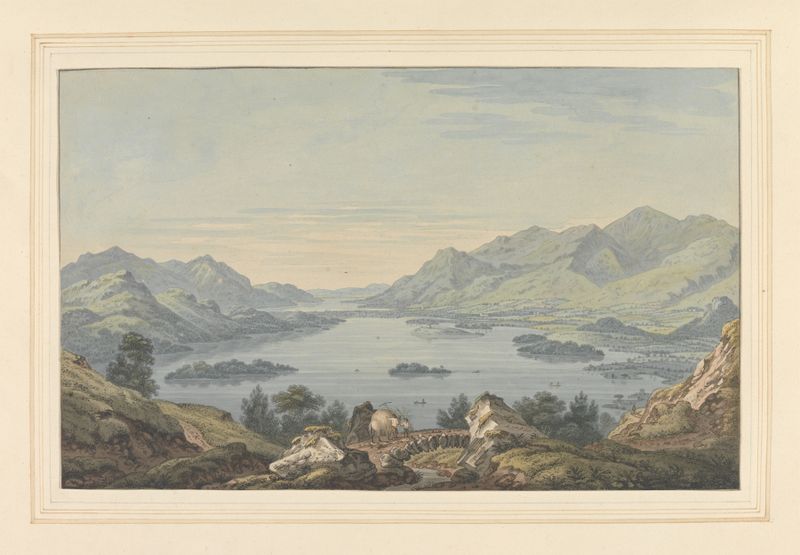
Vale of Keswick and Derwent Water
Joseph Farington

Caernarvon Castle
Joseph Farington

Grange of Borrodale
Joseph Farington
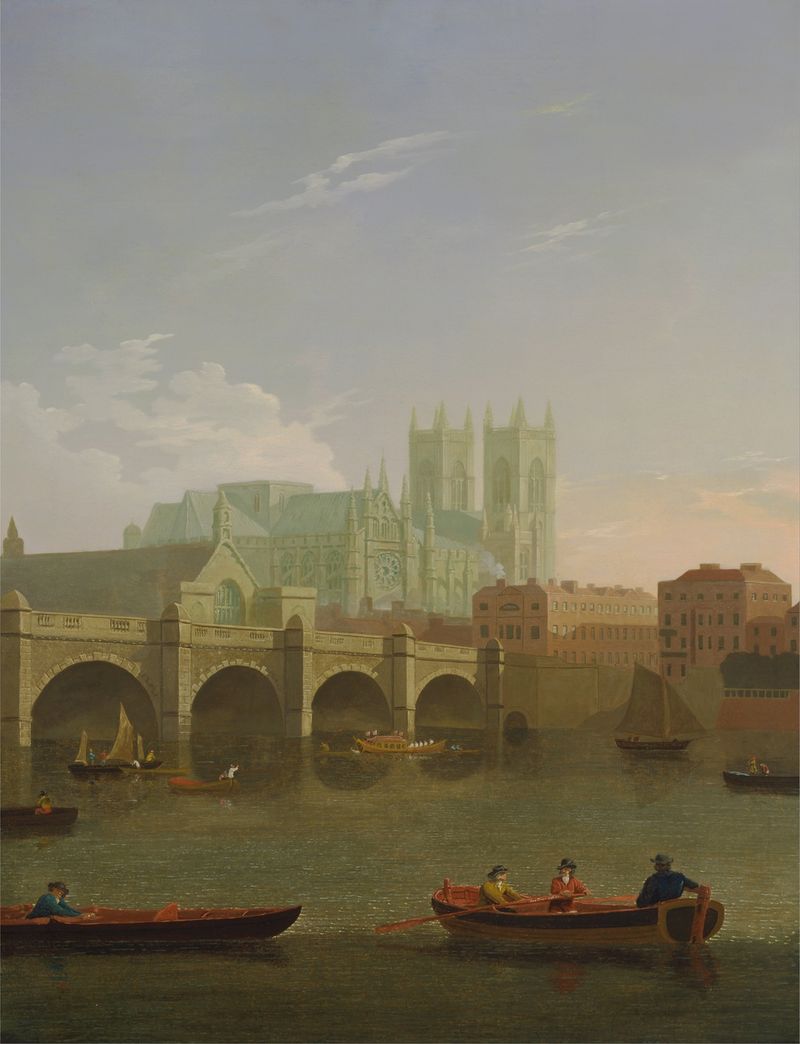
Westminster Abbey and Bridge
Joseph Farington

Dumbarton Rock from the South
Joseph Farington
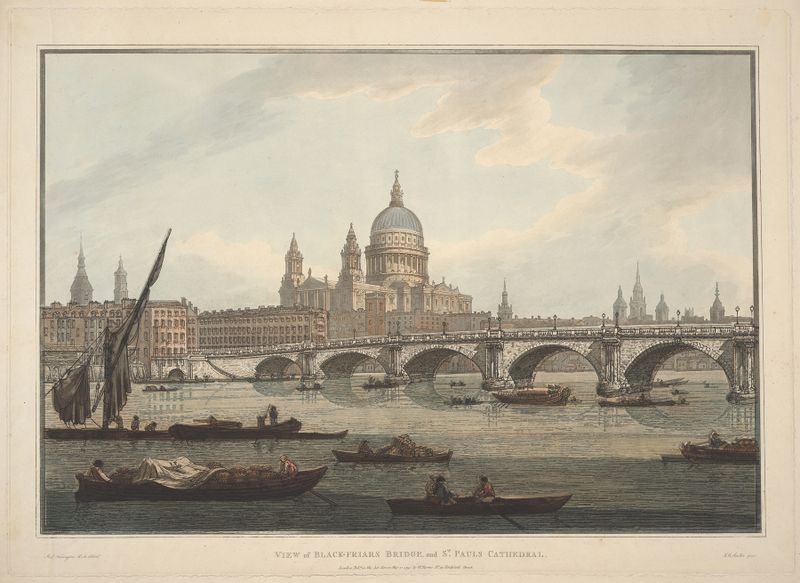
A View of Blackfriars Bridge and St. Paul’s Cathedral
Joseph Farington

Lodore Rocks — fall & cottage
Joseph Farington

No. View on the Road from Ambleside to Keswick from 6 mile Stone
Joseph Farington
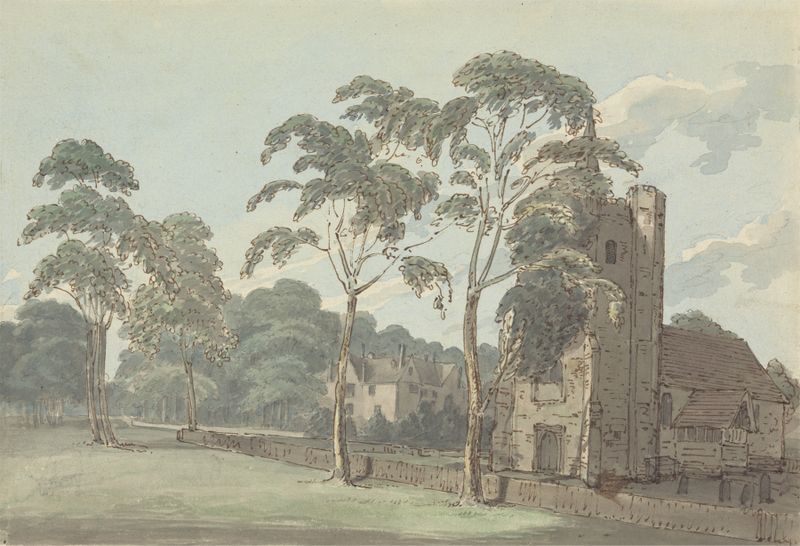
A Church at Stanstead
Joseph Farington

Lower End of Ullswater
Joseph Farington





