Great Silas at Night — History & Facts
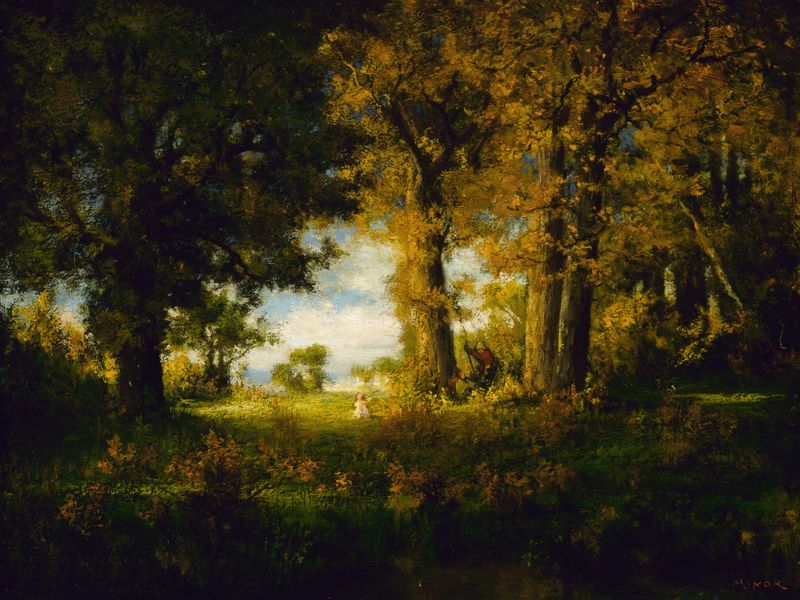
Can paint confess what words never could? In Great Silas at Night, the darkness envelops the canvas, the chaos of life swirling beneath a tranquil surface, inviting the viewer to peer deeper into its throbbing heart. Look to the left at the silhouetted figure, cloaked in shadow yet vibrant with emotion. The brushwork dances with strokes of deep indigo and violet, capturing the tumult of the night sky. Notice how the flickers of golden light seem to emanate from within, illuminating parts of the scene while leaving others steeped in uncertainty.
This interplay of light and darkness is not just a portrayal of night but a metaphor for internal chaos, hinting at the complexities of the human experience. The tension between the calm of the moonlit sky and the restless forms below creates a dichotomy that resonates deeply. The subtle details—the hints of tumult beneath the surface, the stark contrast of light and shadow—speak to the chaos that coexists with serenity. Each brushstroke is a whisper of a hidden struggle, inviting contemplation about the turmoil that simmers beneath life's quiet moments. In 1890, Robert Crannell Minor painted Great Silas at Night during a period of burgeoning artistic exploration in America.
Living in the aftermath of the Civil War, the nation was grappling with its identity, and artists began to reflect on more profound psychological themes. Minor, influenced by the romanticism of his time, was seeking to merge representational art with the emotive power of color and form, thus laying the groundwork for the expressive movements that would follow.