
Griechische Tempelruinen — History & Facts
Could beauty survive in a century of chaos? The haunting remnants of ancient architecture bridge time, whispering stories of glory long past and inviting contemplation on the nature of creation. Look to the left at the crumbling columns, each one a testament to craftsmanship and endurance. The soft light bathes the scene, enhancing the delicate textures of the stone and emphasizing the interplay between nature and architecture. Notice how the verdant foliage encroaches upon the pillars, a vivid green contrasting against the muted grays and browns of the ruins, suggesting both decay and the relentless force of life continuing to thrive amidst abandonment. Emotional tensions arise where the once proud structures now stand in faded dignity, evoking a poignant sense of nostalgia.
The shadows cast by the columns hint at both absence and presence, suggesting the passage of time and the ephemeral nature of human achievements. This duality resonates deeply with the viewer, prompting reflections on what defines beauty and legacy in a world often marked by upheaval. In 1854, the artist painted these ruins amid a transformative period in Europe, marked by political upheaval and societal change. Stifter, known for his profound engagement with nature and history, sought to capture the essence of beauty in a world that often felt chaotic.
His works emerged during a time when Romanticism was giving way to a more modern sensibility, reflecting both a longing for the past and an exploration of new artistic directions.
More Artworks by Adalbert Stifter
Browse all →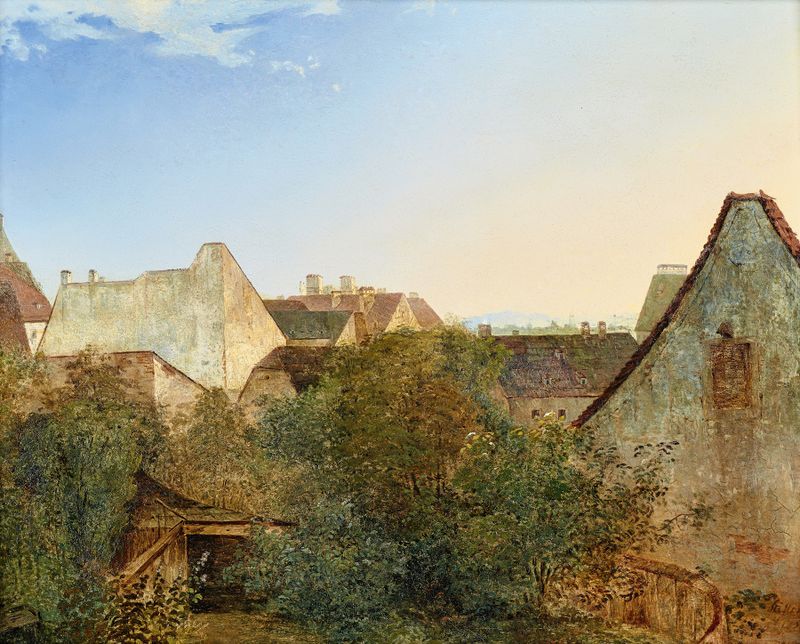
Blick über Wiener Vorstadthäuser (Beatrixgasse)
Adalbert Stifter
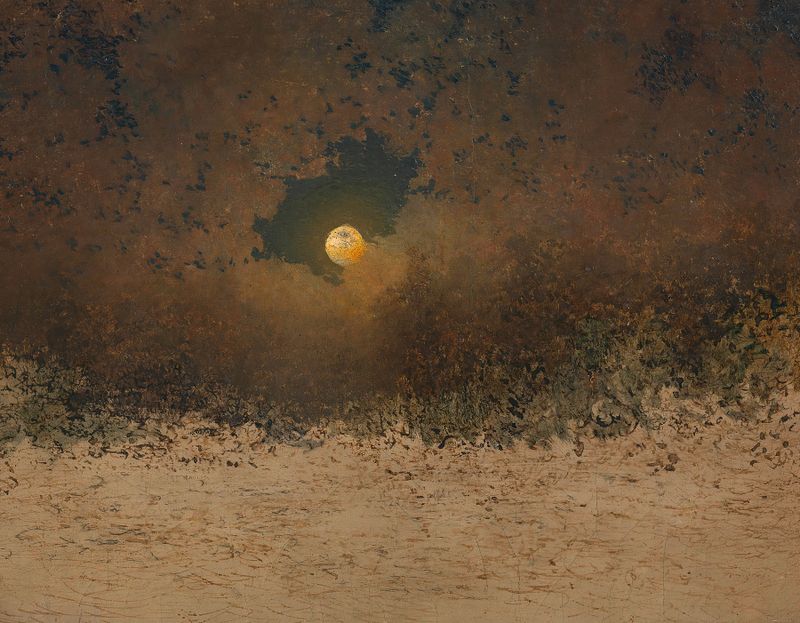
Mondlandschaft mit bewölktem Himmel
Adalbert Stifter
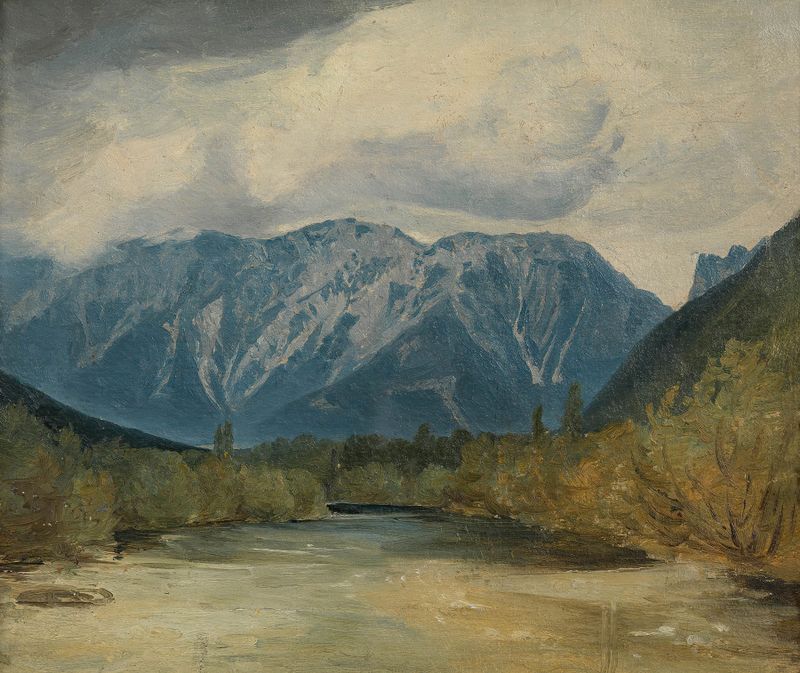
Die Rax in Niederösterreich
Adalbert Stifter
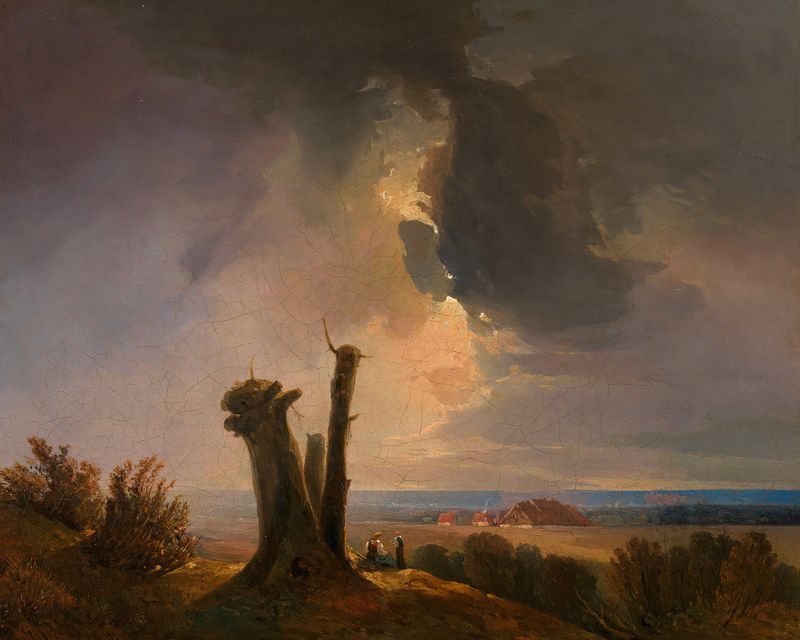
Westungarische Landschaft – Blick vom Leithagebirge
Adalbert Stifter
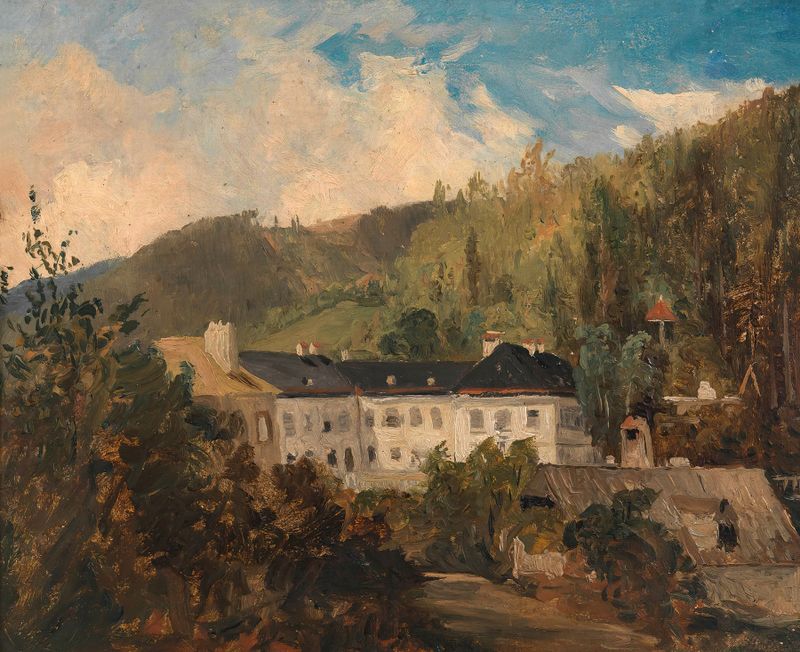
Motiv aus Neuwaldegg
Adalbert Stifter
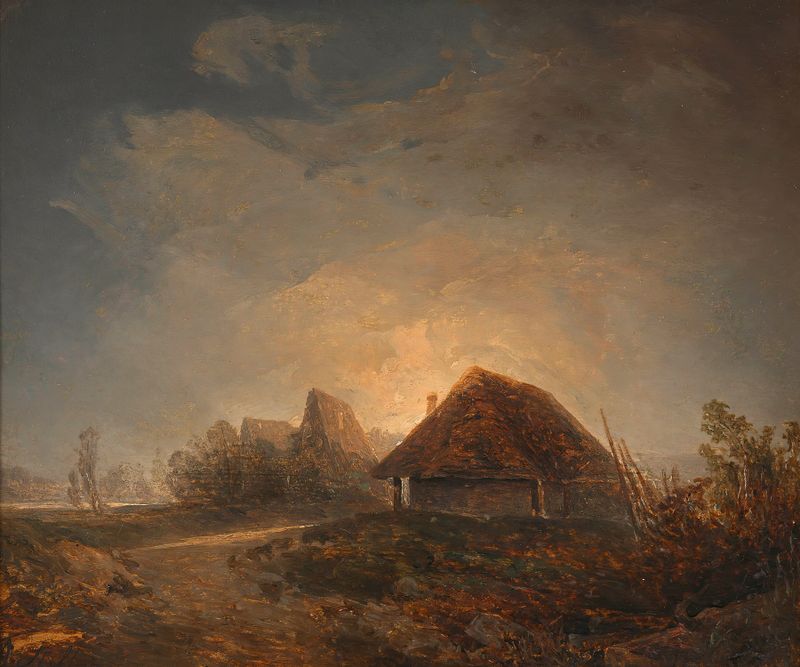
Westungarische Landschaft mit Hütten und aufgehendem Mond
Adalbert Stifter
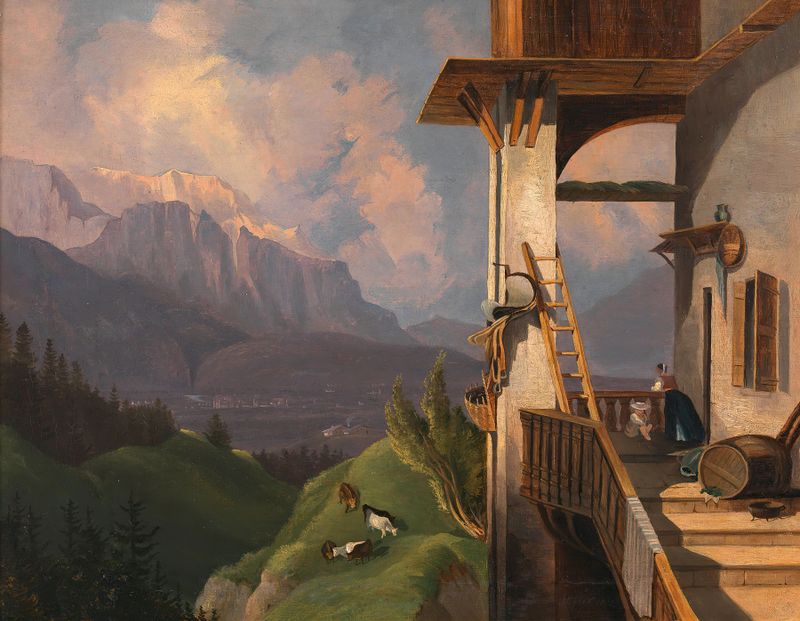
Innsbruck mit der Nordkette
Adalbert Stifter
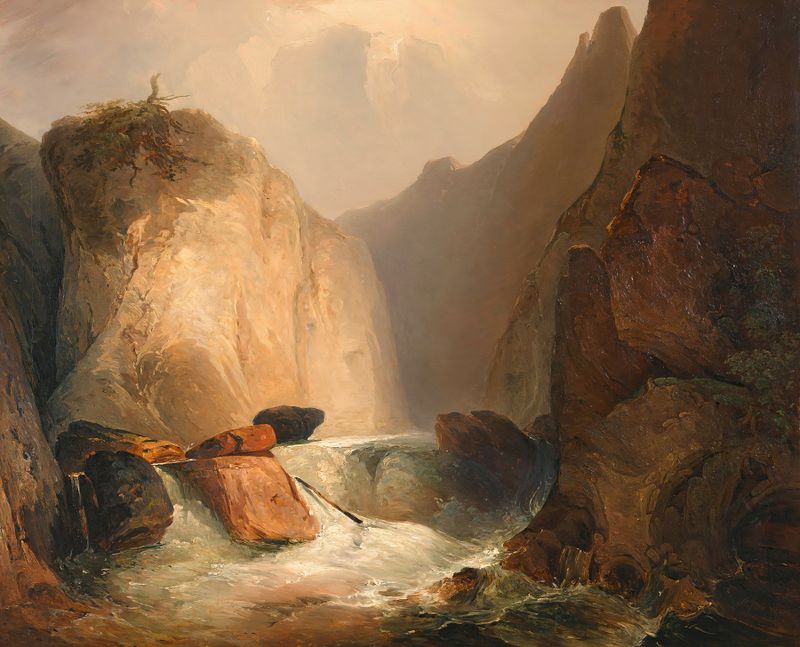
Felspartie – Moldauenge bei Hohenfurt
Adalbert Stifter
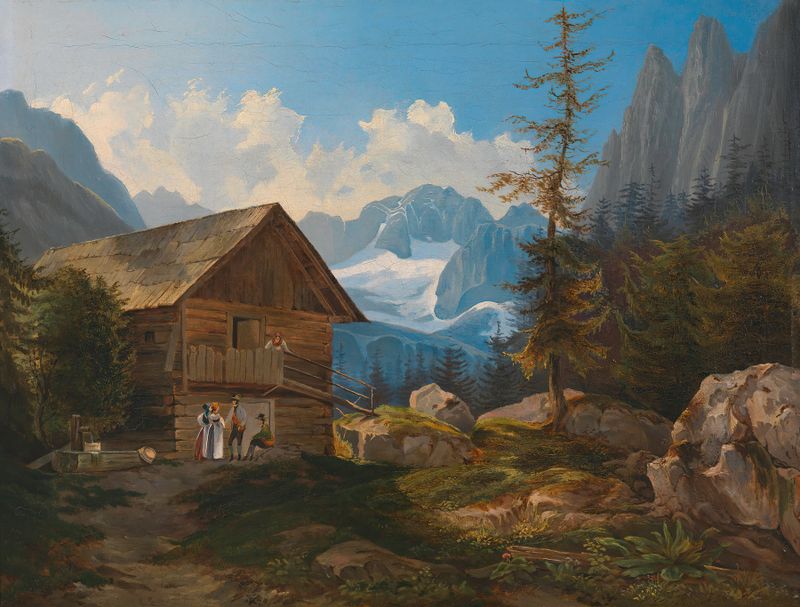
Im Gosautal (Oberösterreich)
Adalbert Stifter
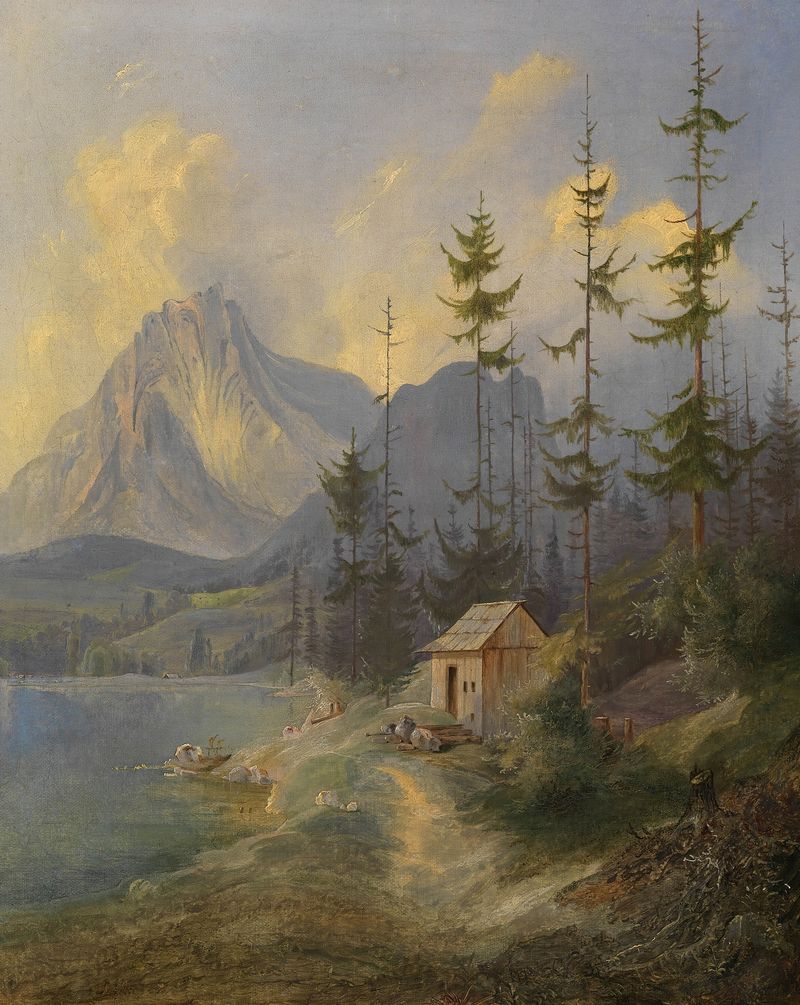
Der Sarstein bei Alt-Aussee
Adalbert Stifter





