
Griechische Tempelruinen — History & Facts
Can paint confess what words never could? In Griechische Tempelruinen, the brush whispers the fragile truths of mortality, inviting a dialogue that intertwines beauty and decay. Look to the left at the crumbling pillars, their weathered forms silhouetted against the soft glow of a fading sky. Notice how the muted palette—earthy ochres and gentle greens—evokes the passage of time, while the delicate play of light bathes the architecture in a melancholic warmth. Each brushstroke reveals the artist’s meticulous attention to texture, suggesting not only the ruin of these grand structures but also the silence of history itself. Within the work lies a poignant contrast between grandeur and decay, the once-majestic temples now mere echoes of their past.
The juxtaposition of nature reclaiming the manmade—tendrils of ivy entwining through stone—speaks to the inevitability of time’s embrace. This intricate relationship between human endeavor and the relentless march of nature invites contemplation of our own fleeting existence, framing mortality as both a loss and a profound beauty. Adalbert Stifter created this piece in 1860, during a period when he sought to explore the intersection of art and nature. Living in Vienna, he was influenced by the Romantic movement, which emphasized emotion and the sublime beauty of the natural world.
Stifter’s focus on landscape as a reflection of human experience resonated with the collective consciousness of a Europe grappling with change, urging viewers to confront the impermanence that shadows every construct of civilization.
More Artworks by Adalbert Stifter
Browse all →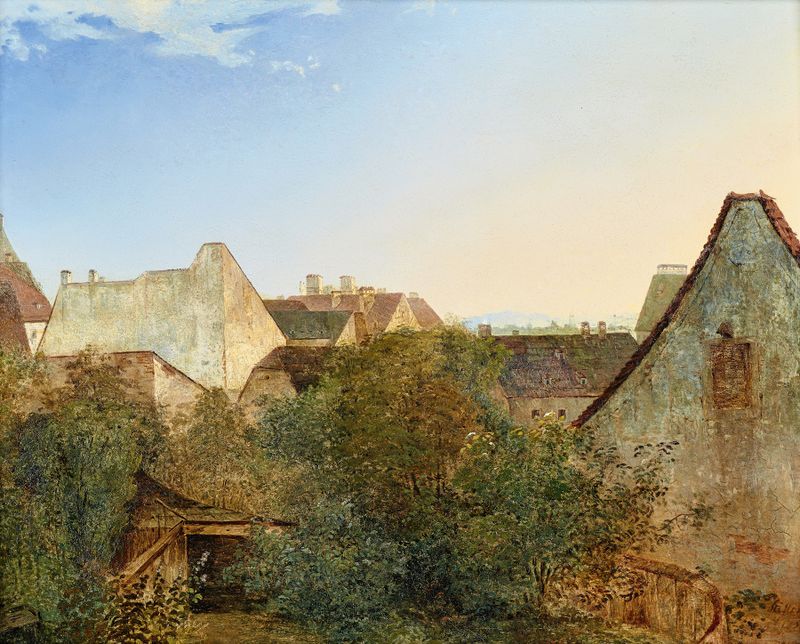
Blick über Wiener Vorstadthäuser (Beatrixgasse)
Adalbert Stifter
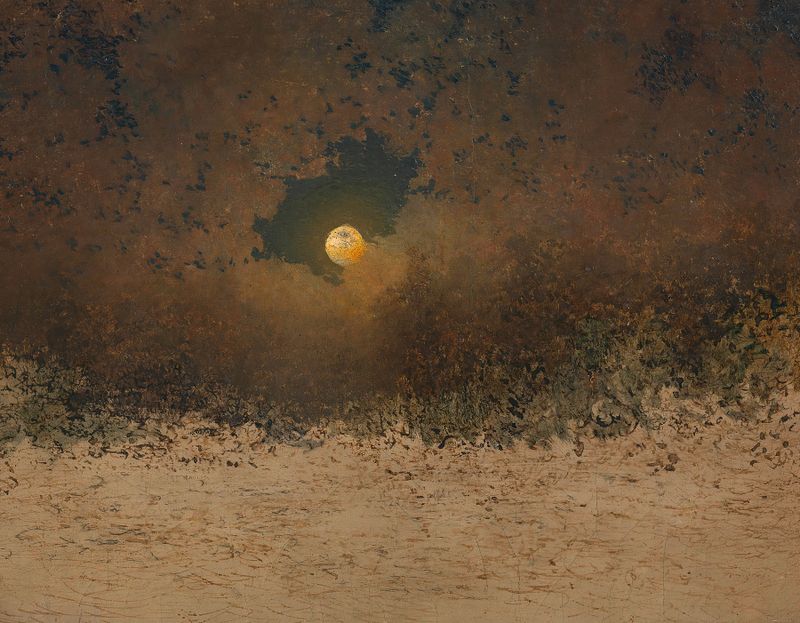
Mondlandschaft mit bewölktem Himmel
Adalbert Stifter
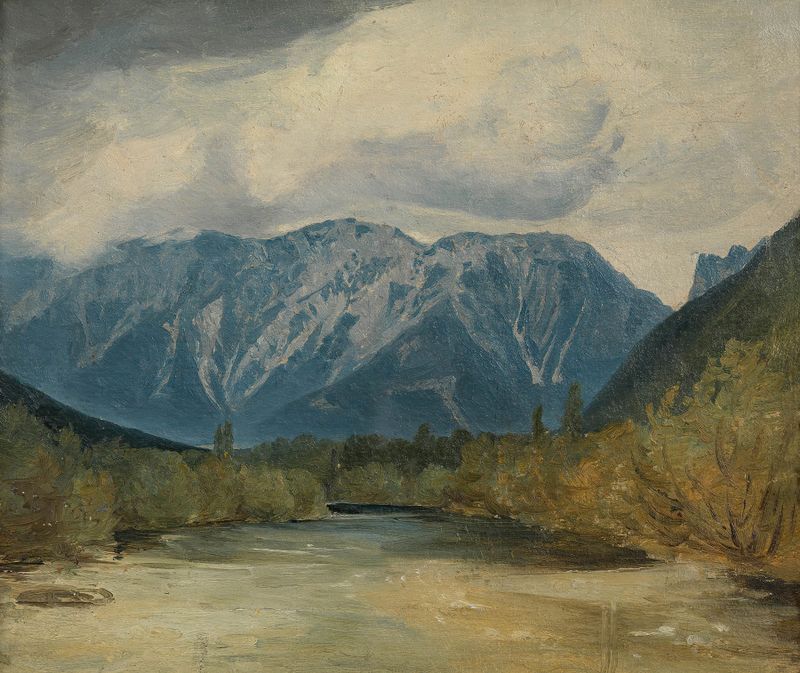
Die Rax in Niederösterreich
Adalbert Stifter
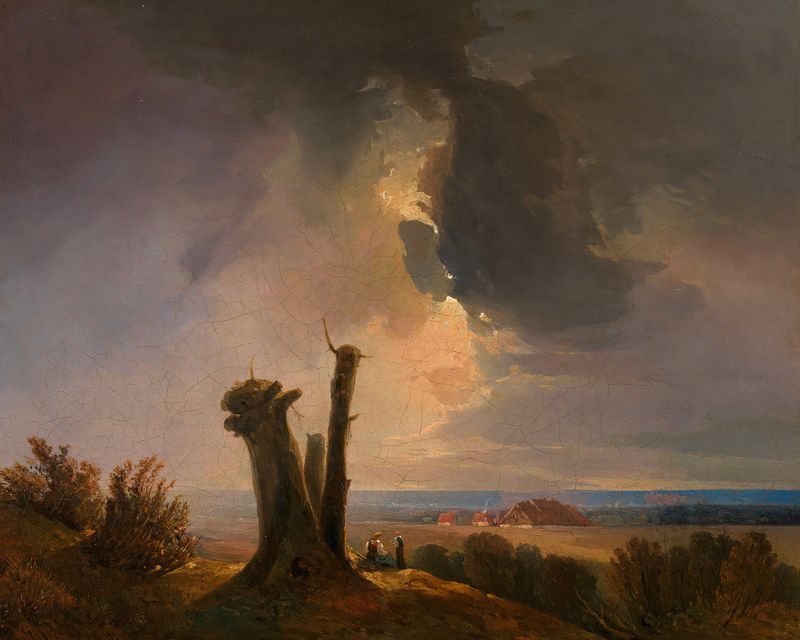
Westungarische Landschaft – Blick vom Leithagebirge
Adalbert Stifter
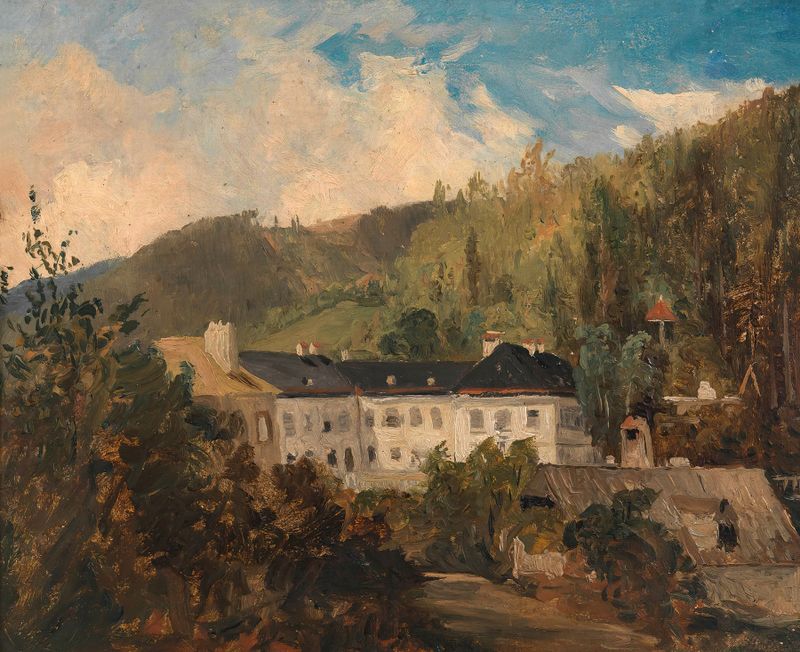
Motiv aus Neuwaldegg
Adalbert Stifter
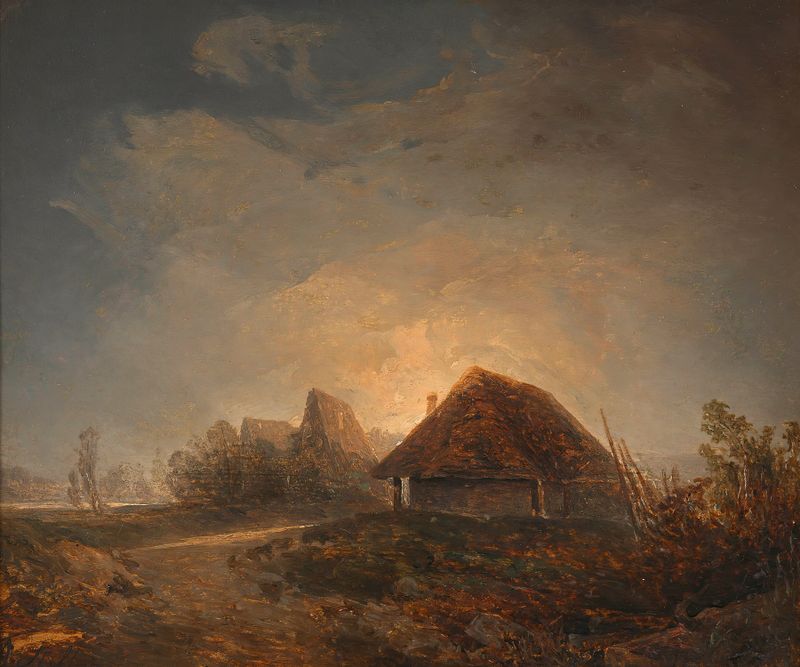
Westungarische Landschaft mit Hütten und aufgehendem Mond
Adalbert Stifter
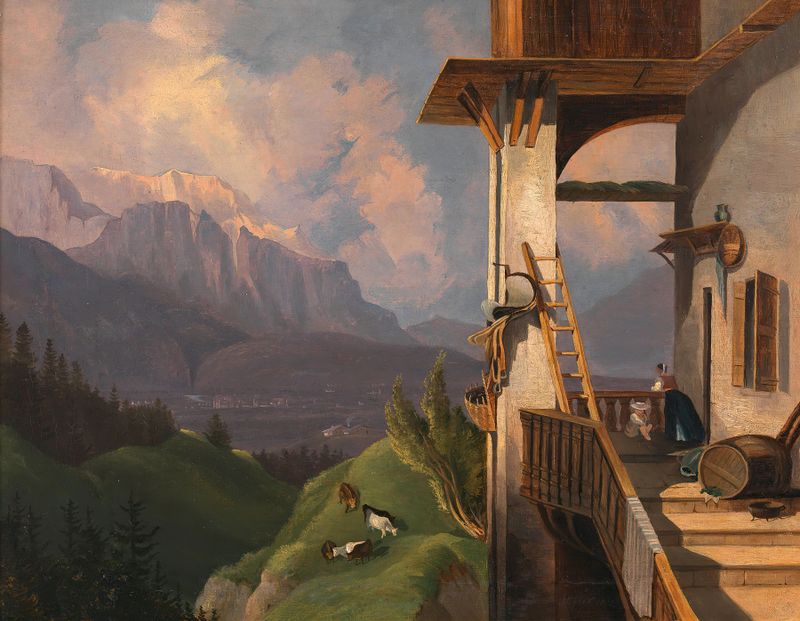
Innsbruck mit der Nordkette
Adalbert Stifter
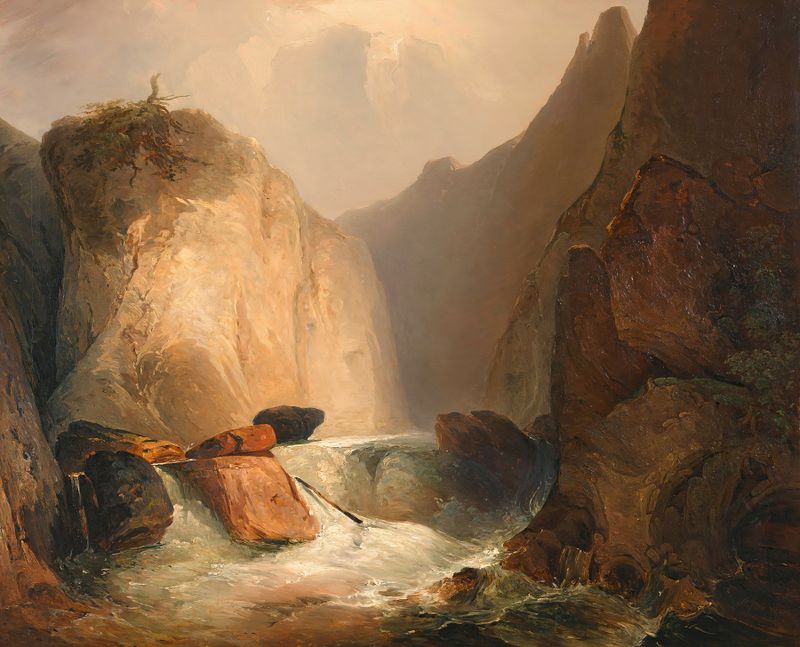
Felspartie – Moldauenge bei Hohenfurt
Adalbert Stifter
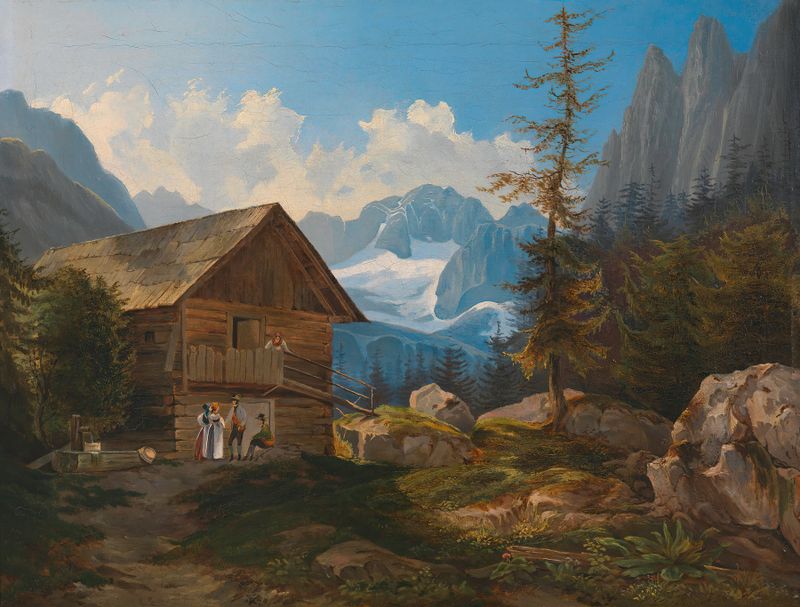
Im Gosautal (Oberösterreich)
Adalbert Stifter
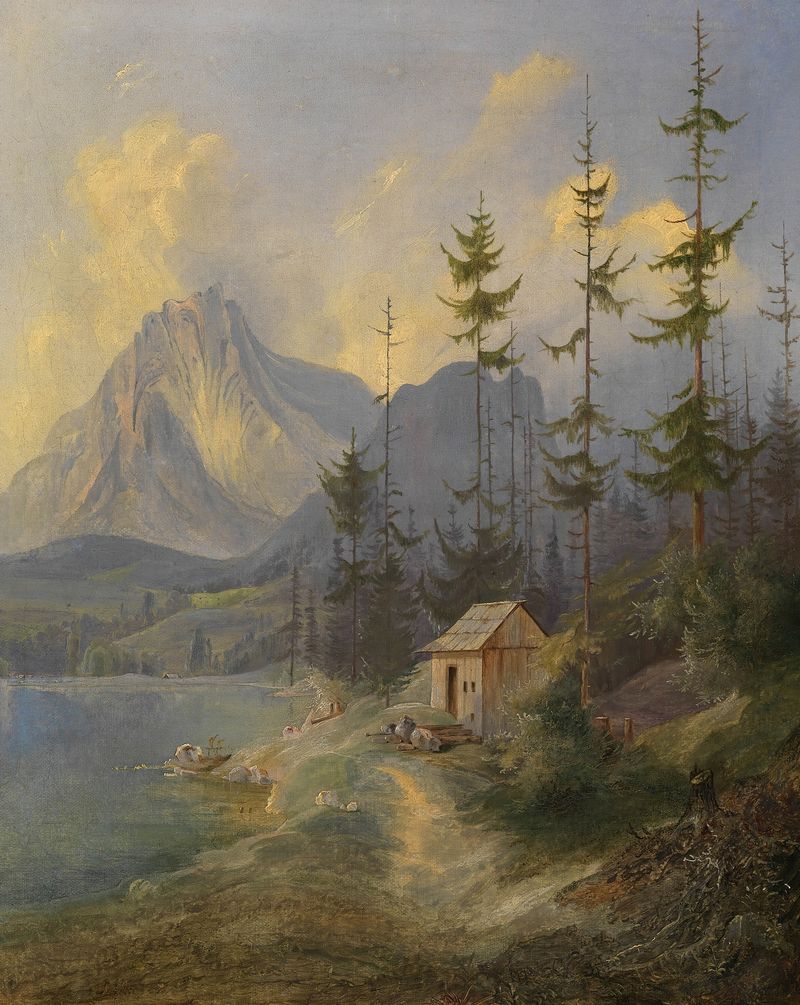
Der Sarstein bei Alt-Aussee
Adalbert Stifter





