
Grote boom langs een weg — History & Facts
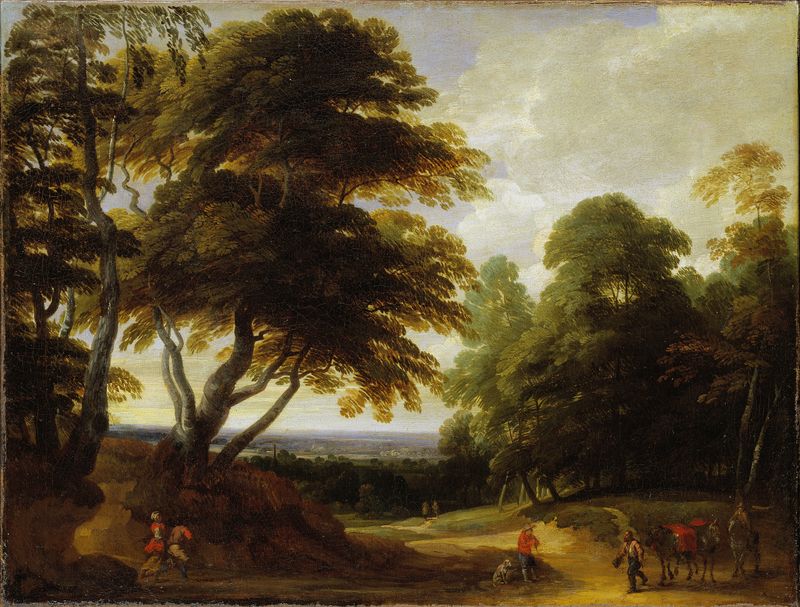
When did color learn to lie? In Grote boom langs een weg, the vibrancy of the greens and browns deceives the eye, masking the inevitable decay of time. Look to the left at the sturdy trunk of the ancient tree, its bark textured and gnarled, whispering tales of centuries gone by. Notice how the light filters through the leaves, casting dappled shadows on the earthy path beneath, inviting your gaze to wander deeper into the scene. The artist employs a palette of rich greens and muted earth tones, creating a delicate balance between life and death, vitality and decay. Beneath this seemingly peaceful landscape lies a profound tension between the beauty of nature and the inevitability of its decline.
The vibrant foliage, lush yet tinged with the hint of rot, serves as a poignant reminder that beauty can often mask impermanence. The winding path beckons the viewer forward, suggesting both a journey and a fleeting passage of time, while the encroaching shadows hint at an approaching dusk, a metaphor for the cycle of life and death. Lodewijk de Vadder painted this work during the 17th century, a period marked by a growing interest in realism and the beauty of nature. Living in the Netherlands during a time of artistic innovation, he was influenced by the burgeoning Dutch landscape tradition, which celebrated both the ordinary and the profound.
This painting reflects not only his skill but also the broader artistic shift towards capturing the intimate relationship between humanity and the natural world, forever caught in a dance of light and decay.
More Artworks by Lodewijk de Vadder
Browse all →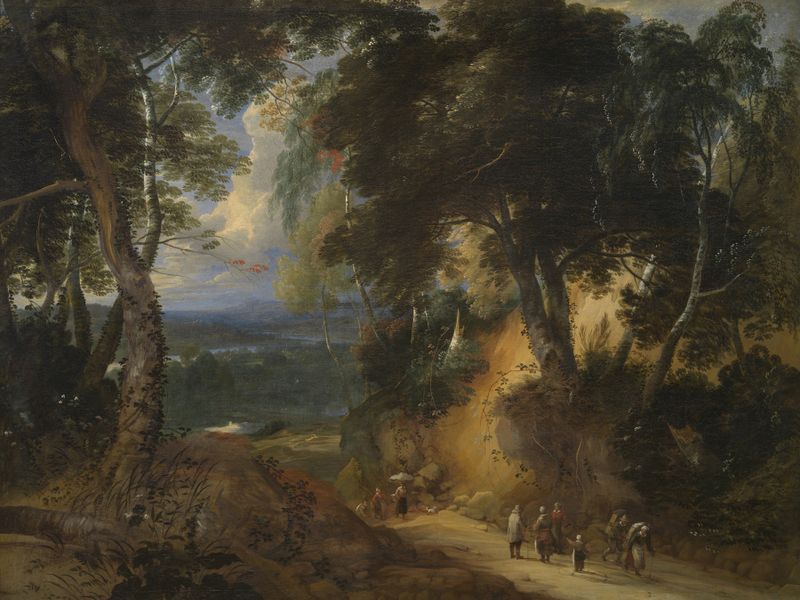
The Soignes Forest
Lodewijk de Vadder
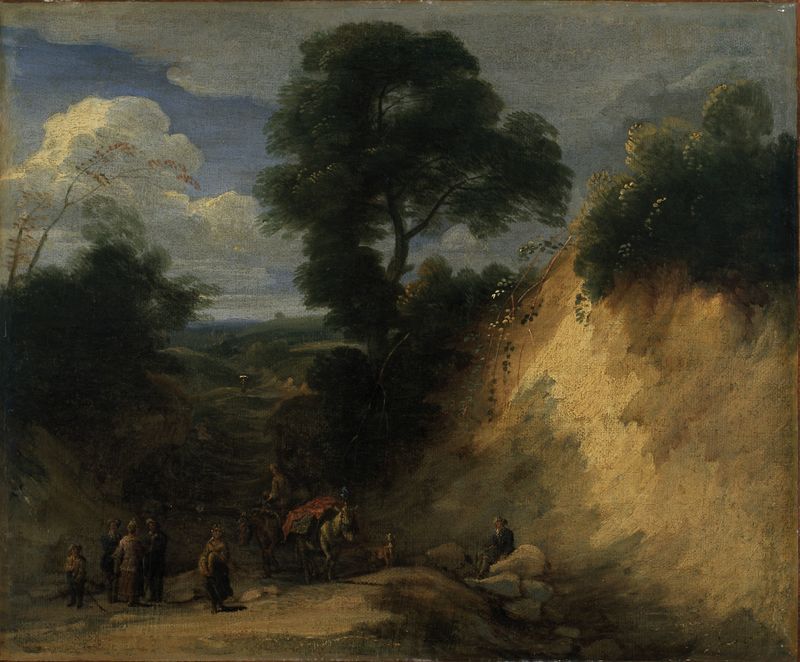
The Sonian Forest with Market Vendors
Lodewijk de Vadder
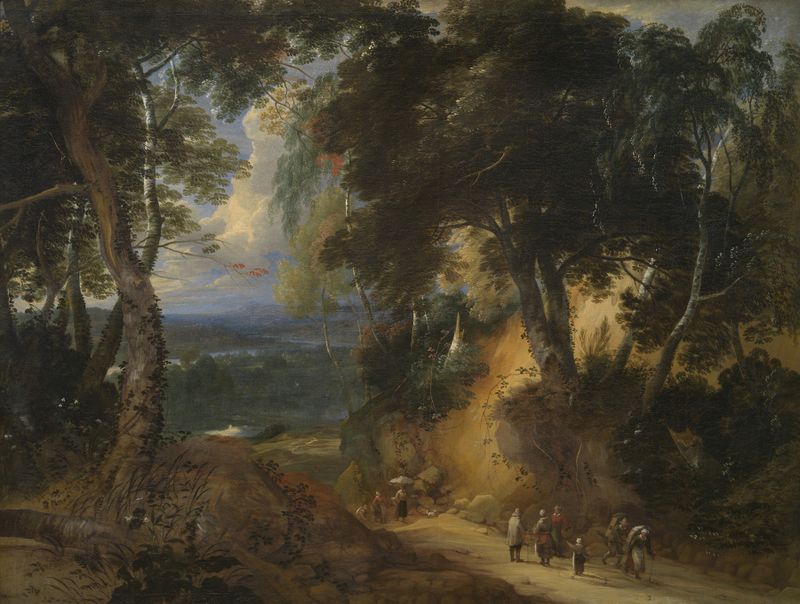
The Soignes Forest
Lodewijk de Vadder
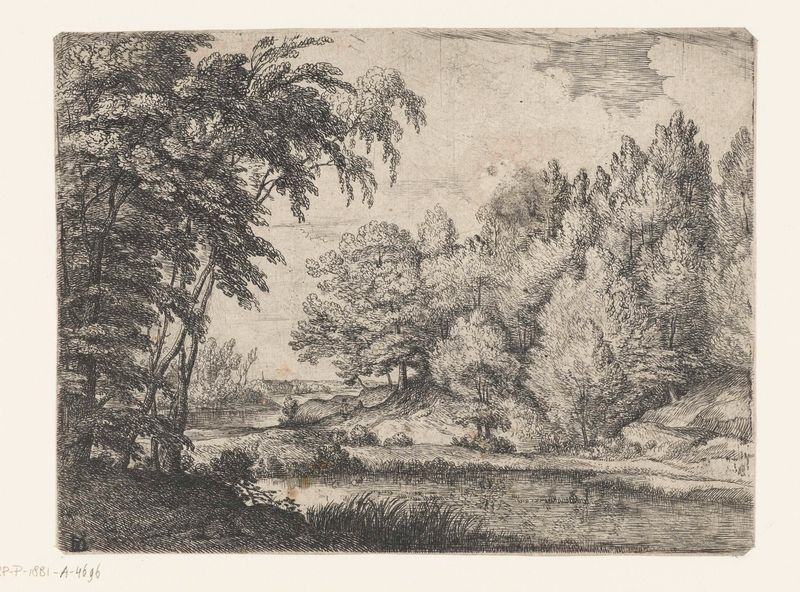
Landschap met een kronkelende rivier
Lodewijk de Vadder
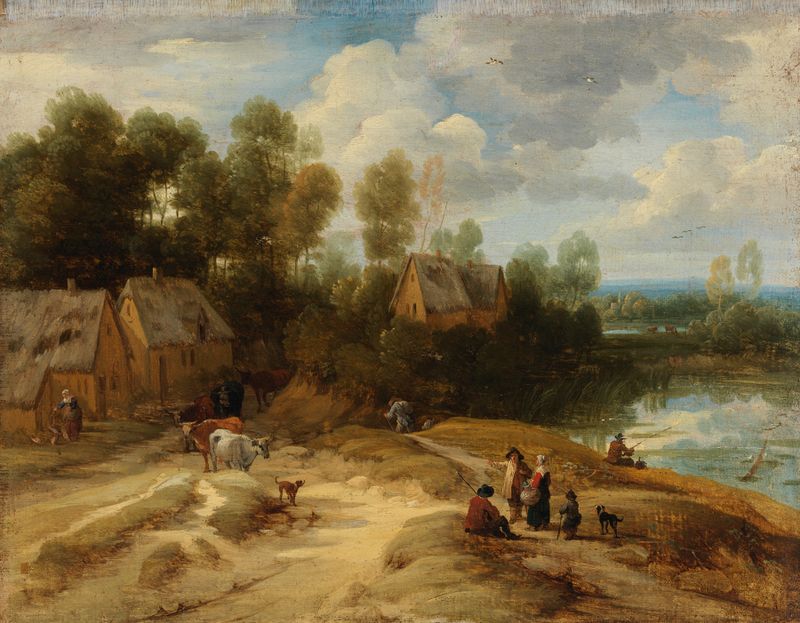
Landscape with Peasants and Cattle
Lodewijk de Vadder
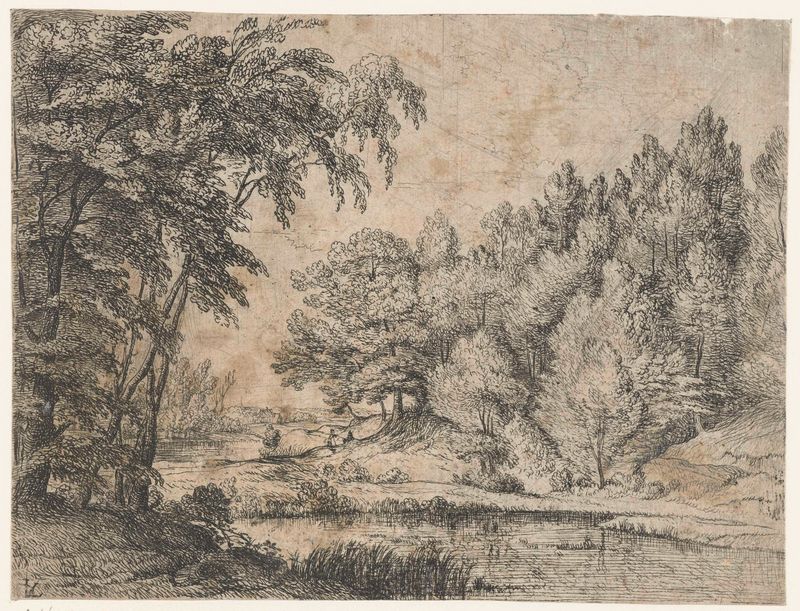
Landschap met een kronkelende rivier
Lodewijk de Vadder
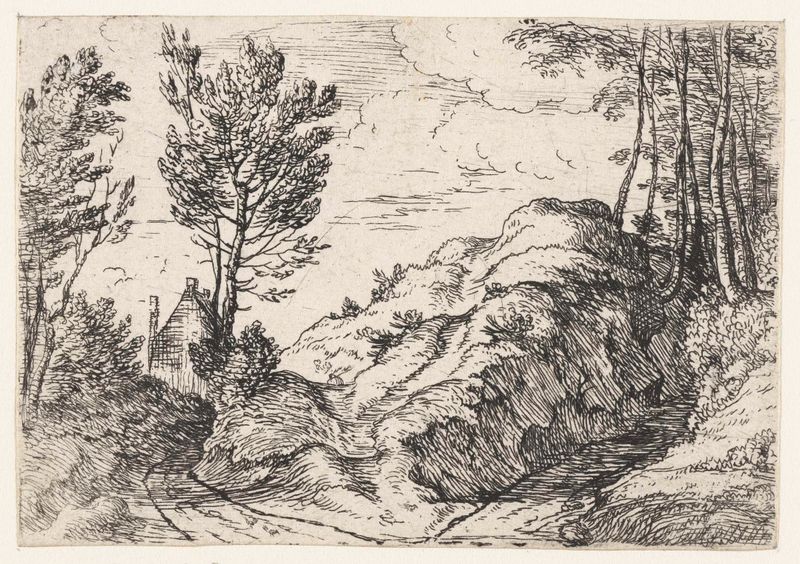
Tweesprong
Lodewijk de Vadder
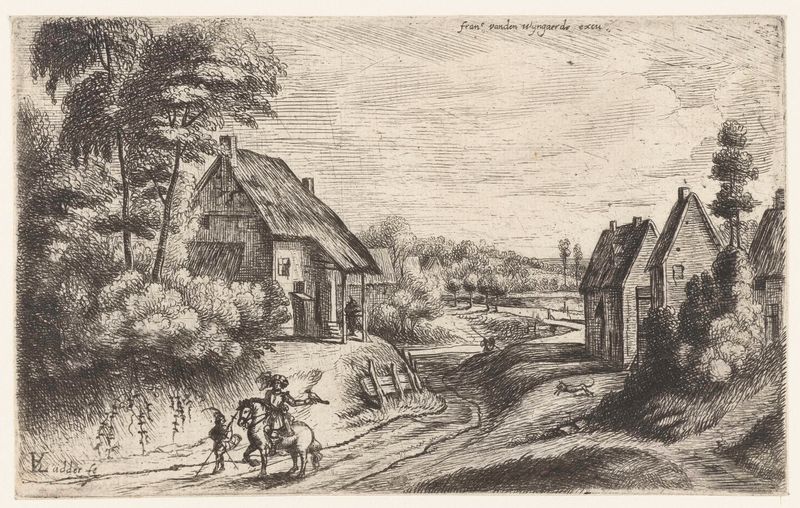
Landschap met twee boerderijen langs een weg
Lodewijk de Vadder
At the Edge of the Forest
Lodewijk de Vadder
Landscape
Lodewijk de Vadder





