
Grotte du Nymphée (Syracuse) — History & Facts
Could beauty survive in a century of chaos? Jacques-Raymond Brascassat's Grotte du Nymphée (Syracuse) whispers a response through its serene yet haunting landscape. Look to the left, where a cascade of lush greenery envelops the ancient stones, inviting the eye to explore the interplay of light and shadow. Notice how the delicate brushstrokes capture the dappled sunlight filtering through the foliage, illuminating the cool grotto with an ethereal glow. The subtle palette of greens and earth tones contrasts with hints of azure in the distant water, creating a harmonious balance that resonates with tranquility yet hints at hidden depths. Delve deeper into the composition, and observe the intricate details that speak of desire and longing.
The craggy rocks cradle the water, symbolizing the fragile coexistence of nature and beauty. Here, one can sense the tension between the serene surface and the tumultuous history of the site, evoking the idea that beauty often flourishes amidst decay. The gentle ripples in the water mimic the inner desires of those who have sought solace within this sanctuary, reflecting the myriad emotions that echo through time. In 1828, Brascassat painted this work during a period of artistic transition in France, as Romanticism began to flourish.
Living in a time when nature was increasingly celebrated, he was inspired by the landscapes of Italy, combining observation with a sense of nostalgia. This painting emerged as a testament not only to the beauty of the natural world but also to the enduring desire for peace amidst the chaos surrounding him.
More Artworks by Jacques-Raymond Brascassat
Browse all →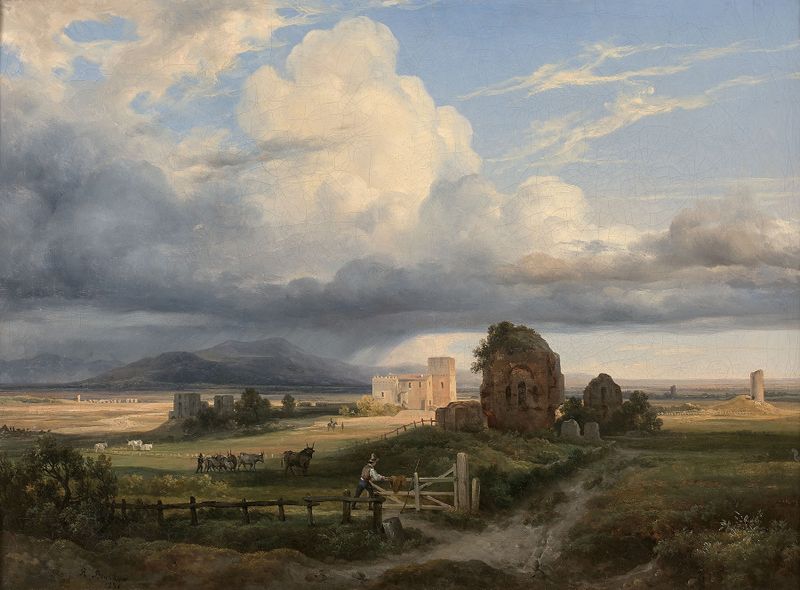
Vacher et son troupeau dans la campagne romaine, dans les environs de la via Appia
Jacques-Raymond Brascassat

Puits
Jacques-Raymond Brascassat

Paysage d’Italie
Jacques-Raymond Brascassat

Tour en bordure de mer
Jacques-Raymond Brascassat

Le Monastère
Jacques-Raymond Brascassat

Cascade et rochers
Jacques-Raymond Brascassat

Le Vieux chêne
Jacques-Raymond Brascassat

View of Bordeaux
Jacques-Raymond Brascassat
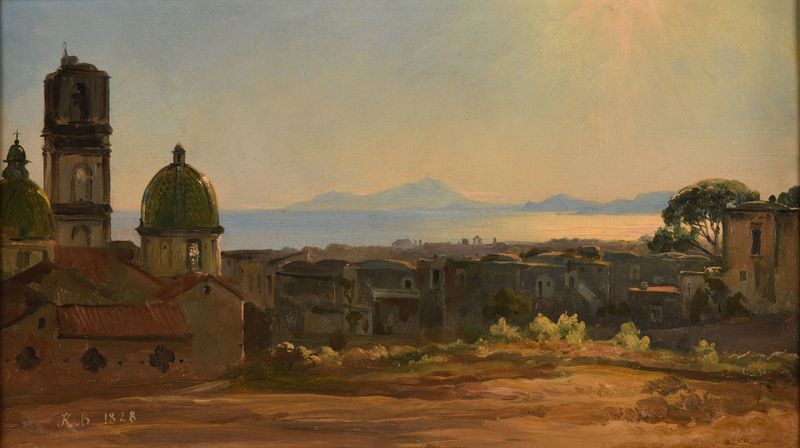
Vue de ville d’Italie
Jacques-Raymond Brascassat
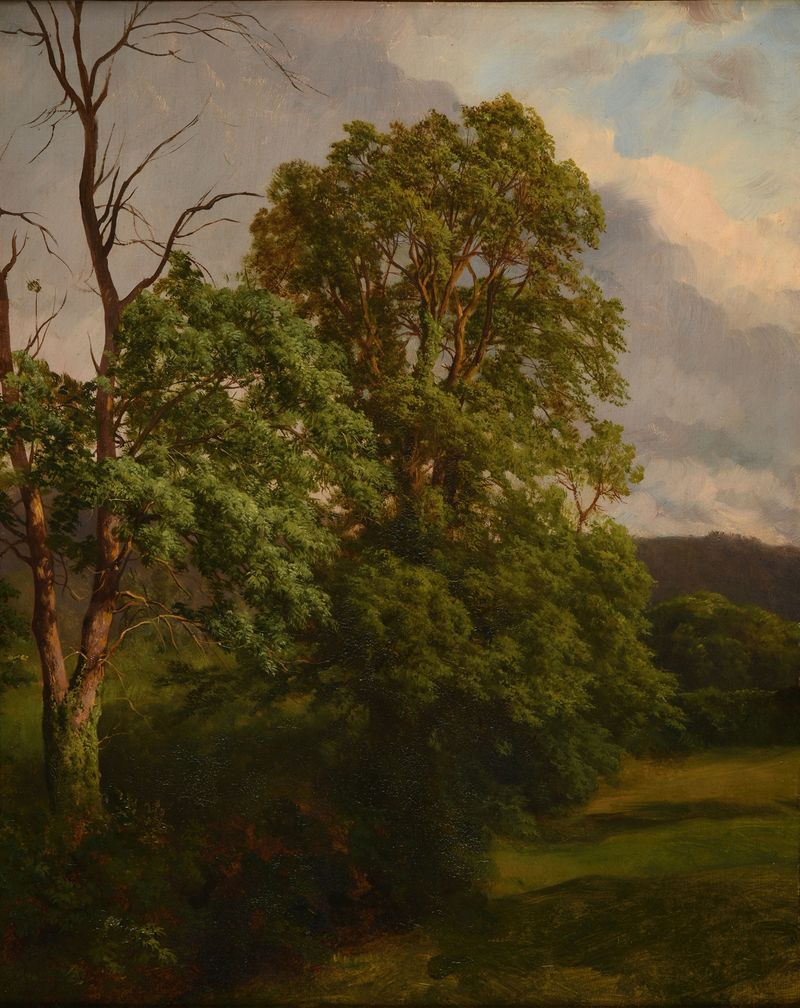
Les Chênes
Jacques-Raymond Brascassat





