
Puits — History & Facts
Who listens when art speaks of silence? In the stillness of decay, whispered stories emerge from forgotten corners, revealing the passage of time. Look to the center, where shadows gather around a sunken well, its edges softened by the embrace of nature. The texture of the brushstrokes gives life to the weathered stone, while vibrant greens creep up the sides, contrasting the muted earth tones. Notice how the interplay of light and shadow dances across the well’s surface, inviting you to peer into the depths, yet hesitating, as if the depth itself holds secrets too profound to unveil. The well becomes a metaphor for the boundaries between past and present, life and decay.
The lush vegetation surrounding it reflects resilience, contrasting sharply with the stillness of the well, hinting at the cycle of growth and deterioration. Each element conveys a sense of nostalgia, invoking questions about what lies beneath the surface—both in the well and within ourselves. Jacques-Raymond Brascassat painted this work in a period marked by a growing interest in the natural world and the perception of time. Active in the 19th century, he found himself amidst the Romantic movement, when artists began to explore themes of nature and emotional expression.
This painting epitomizes that spirit, portraying a moment in nature that resonates with the viewer's own sense of transience and memory.
More Artworks by Jacques-Raymond Brascassat
Browse all →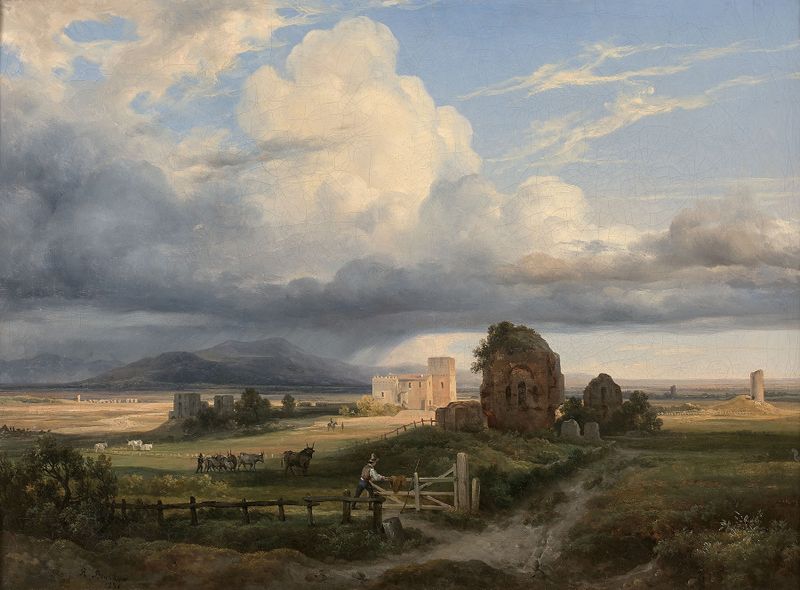
Vacher et son troupeau dans la campagne romaine, dans les environs de la via Appia
Jacques-Raymond Brascassat

Paysage d’Italie
Jacques-Raymond Brascassat

Tour en bordure de mer
Jacques-Raymond Brascassat

Le Monastère
Jacques-Raymond Brascassat

Cascade et rochers
Jacques-Raymond Brascassat

Le Vieux chêne
Jacques-Raymond Brascassat

View of Bordeaux
Jacques-Raymond Brascassat
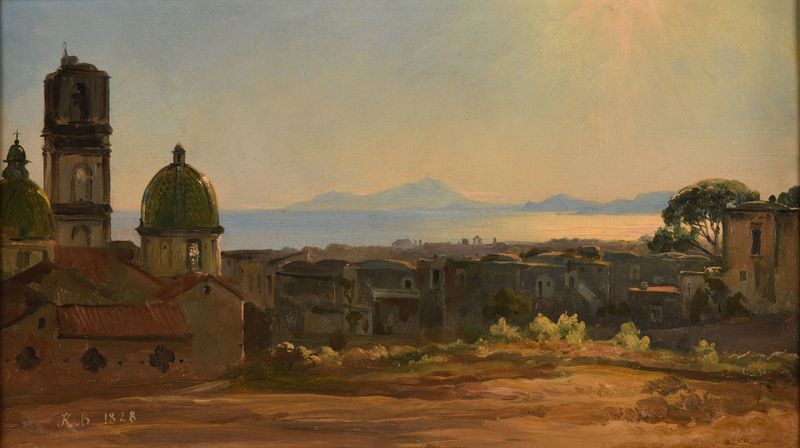
Vue de ville d’Italie
Jacques-Raymond Brascassat
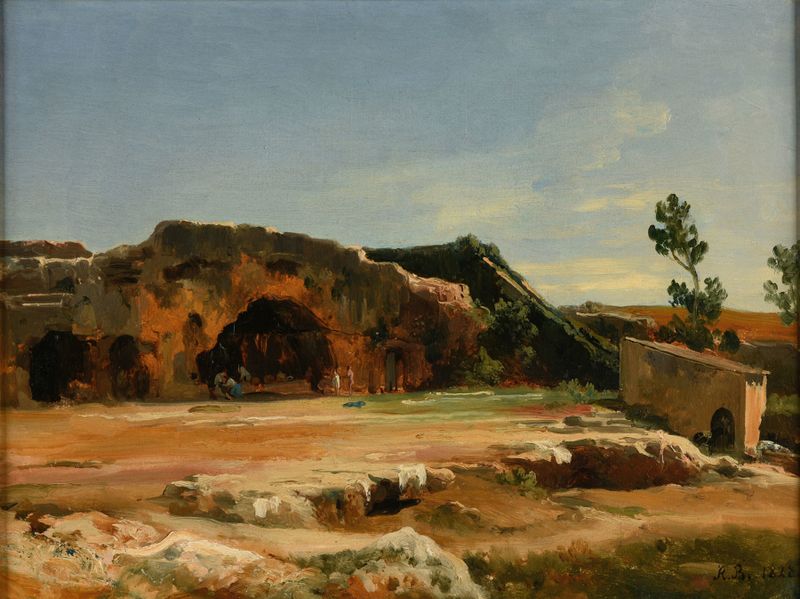
Grotte du Nymphée (Syracuse)
Jacques-Raymond Brascassat
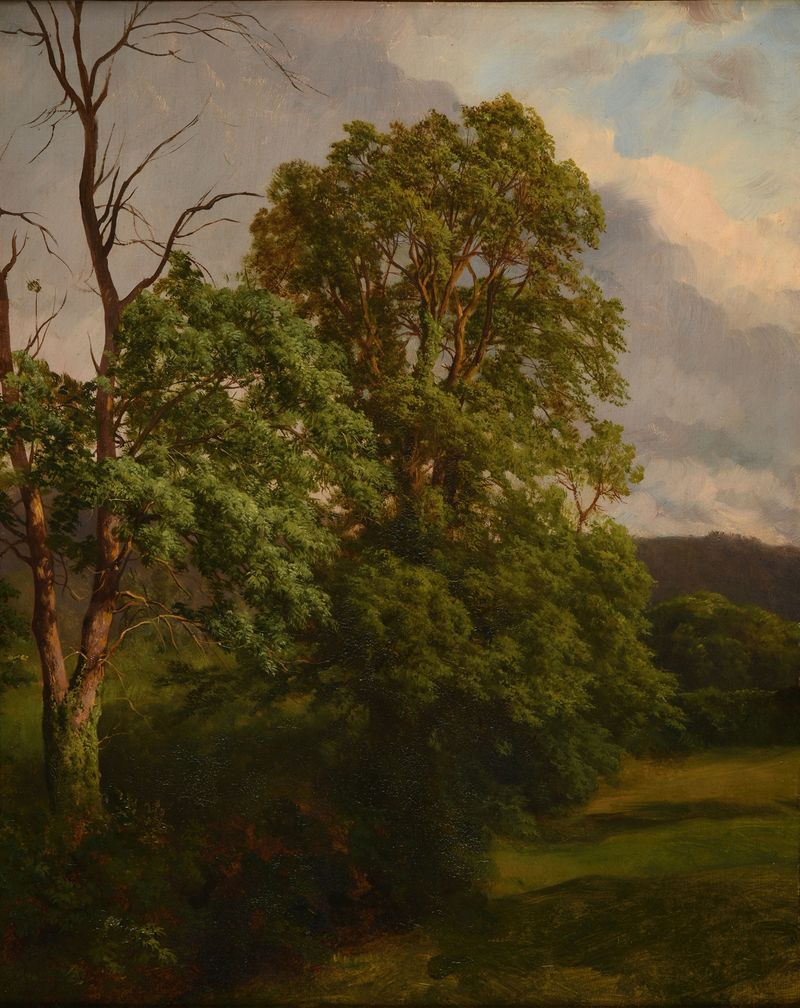
Les Chênes
Jacques-Raymond Brascassat





