
Grotto of Montserrat — History & Facts
Did the painter know this moment would outlive them? The dance of nature, captured in the depths of a hidden grotto, speaks to the timeless beauty of life's movement. Look to the left, where the interplay of light and shadow creates an enchanting entrance to the cave. The delicate brushwork portrays the rough textures of the rock, while soft greens and blues suggest the gentle caress of water. Notice how the figures in the foreground—merging with the landscape—seem to emerge from the depths, inviting the viewer into their world with a sense of both mystery and familiarity. Beneath the surface, the painting reveals a juxtaposition of tranquility and dynamism.
The flowing lines of the water and the graceful stance of the figures contrast sharply with the rugged stillness of the grotto. This balance reflects not just nature's serenity, but the tension between human experience and the untamed wilderness. Observing the detailing in the foliage, one may sense a connection to fleeting moments, a reminder of the passage of time and the inevitability of change. During the time Grotto of Montserrat was created, Charles Hamilton Smith was deeply engaged with the Romantic movement, influenced by his travels across Europe.
This period marked a growing interest in capturing the sublime and the picturesque, as artists sought to depict nature's majesty against the backdrop of an industrializing world. Though the exact date remains uncertain, Smith's work reflects his pursuit of an emotional resonance with the natural landscapes he so passionately painted.
More Artworks by Charles Hamilton Smith
Browse all →
Situation of H.M.S. Hecla & Griper
Charles Hamilton Smith
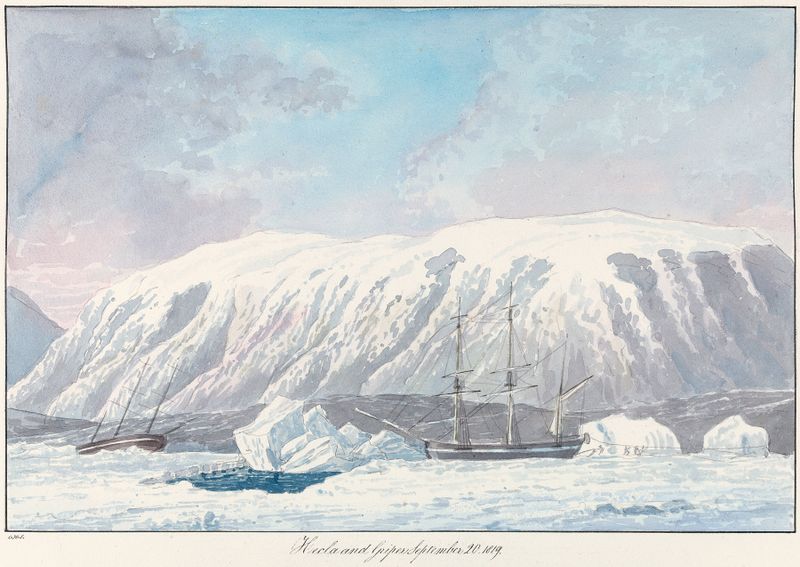
Hecla and Griper
Charles Hamilton Smith

Friendly Cove, Nootka Sound
Charles Hamilton Smith

Iceberg in Baffin’s Bay
Charles Hamilton Smith
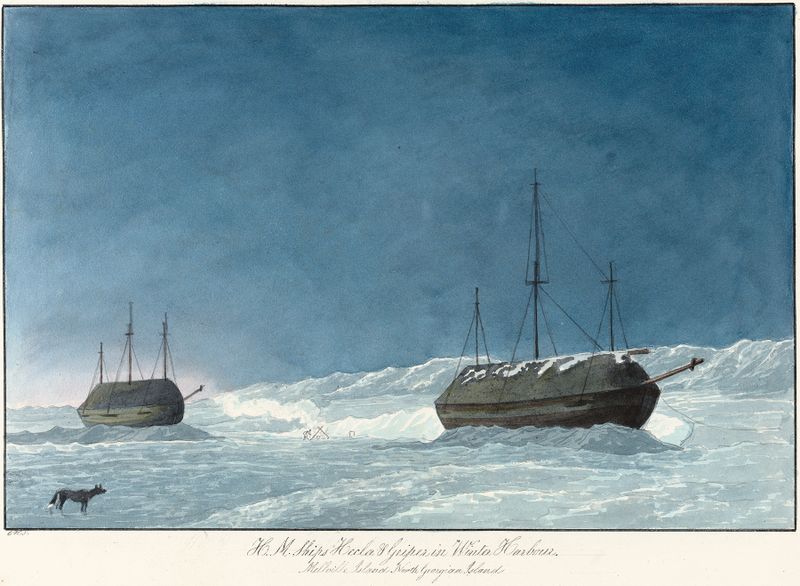
H. M. Ships Hecla and Griper in Winter Harbour
Charles Hamilton Smith

The Erebus & Terror in a Gale in the Pack of the Ice
Charles Hamilton Smith
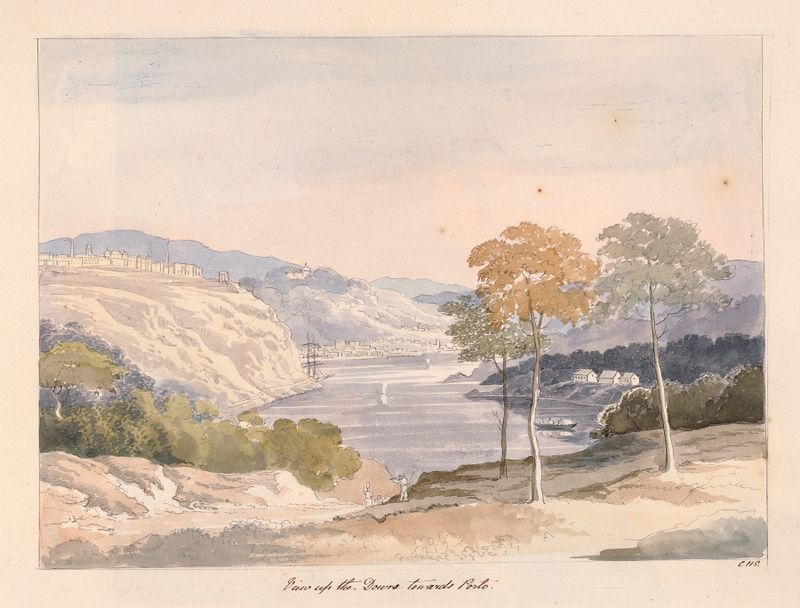
View of the Douro towards Porto
Charles Hamilton Smith
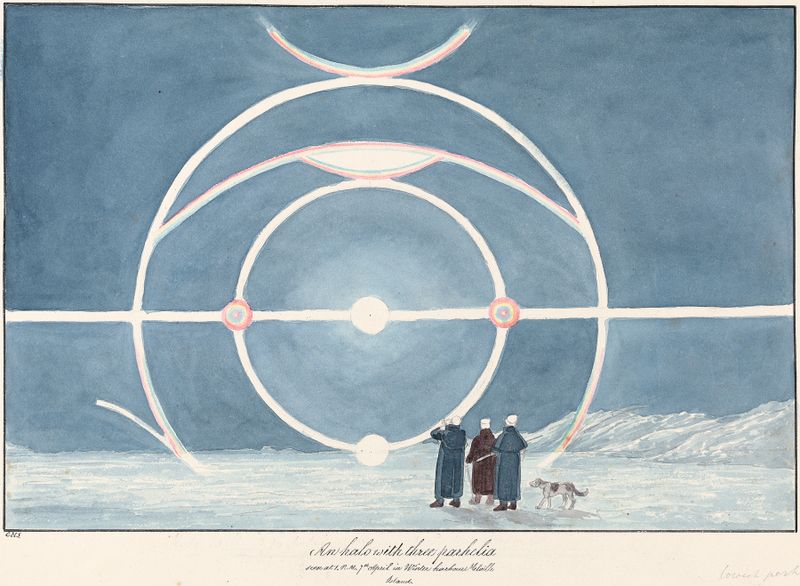
Halo with Three Parhelia, Winter Harbour Melville Island
Charles Hamilton Smith
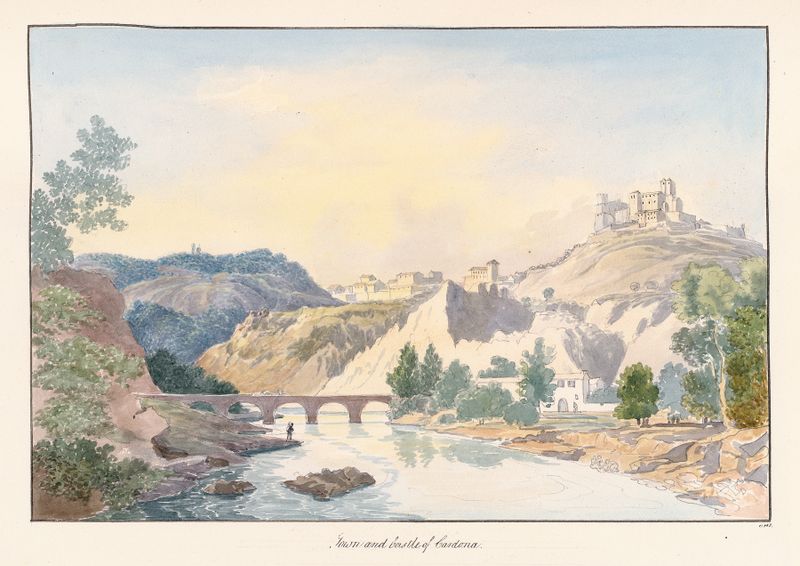
Town and Castle of Cardona
Charles Hamilton Smith

Monastery of San Just where Charles V died
Charles Hamilton Smith





