
Halo with Three Parhelia, Winter Harbour Melville Island — History & Facts
When did color learn to lie? Perhaps in the fleeting moments of nature's grandeur, beauty becomes a veil, masking deeper truths. In Halo with Three Parhelia, Winter Harbour Melville Island, a delicate interplay of light invites us to question not only our perception but the very essence of reality itself. Look to the center of the canvas, where a luminous halo appears to embrace the sun, radiating surreal colors that blend softly into the icy blues and whites of the landscape. The artist employs a subtle gradient of hues, contrasting the warmth of the halo against the coolness of the environment, emphasizing the tension between warmth and the chill of winter.
Notice the meticulous brushwork that captures the crystalline texture of the ice below, inviting the viewer to feel the frigid air that surrounds this ephemeral spectacle. Yet, it is not merely the beauty of the scene that resonates; hidden narratives unfold within this ethereal vision. The three parhelia, or sun dogs, embody the delicate dance between illusion and clarity, reflecting humanity’s relationship with nature—wondrous yet often deceptive. Each shimmering ray suggests ephemerality, a reminder of life's transient nature, while the starkness of the icy landscape alludes to the harsh realities often masked by beauty. Created in the early 19th century, this work emerged when the artist was immersed in the burgeoning Romantic movement, seeking to capture the sublime aspects of nature.
During this period, explorers were venturing into uncharted territories, and the fascination with the Arctic's beauty and mystery deeply influenced many artists, including Smith. This painting stands as a testament to that era's spirit, merging scientific observation with an emotive response to the natural world.
More Artworks by Charles Hamilton Smith
Browse all →
Situation of H.M.S. Hecla & Griper
Charles Hamilton Smith
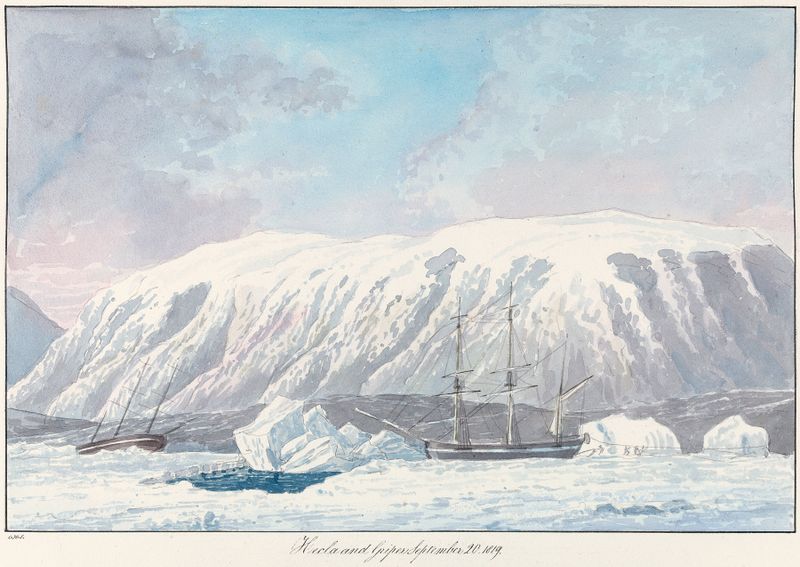
Hecla and Griper
Charles Hamilton Smith

Friendly Cove, Nootka Sound
Charles Hamilton Smith

Iceberg in Baffin’s Bay
Charles Hamilton Smith
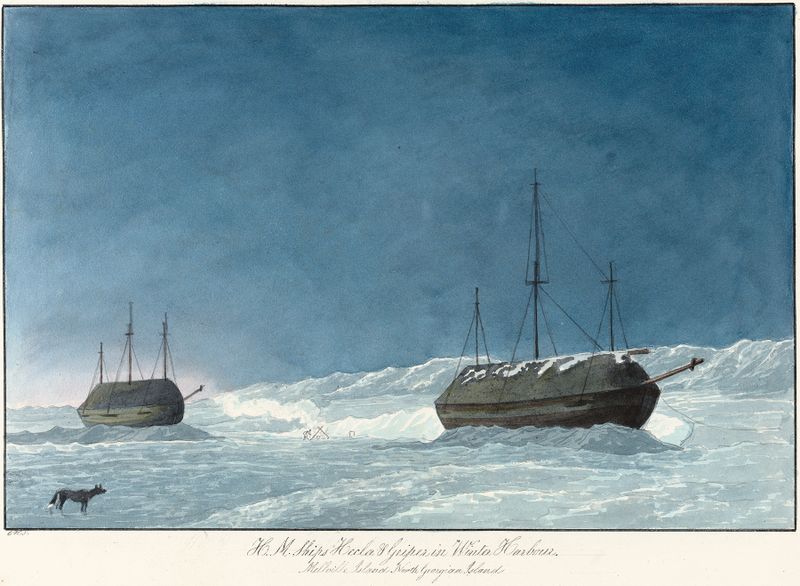
H. M. Ships Hecla and Griper in Winter Harbour
Charles Hamilton Smith

The Erebus & Terror in a Gale in the Pack of the Ice
Charles Hamilton Smith
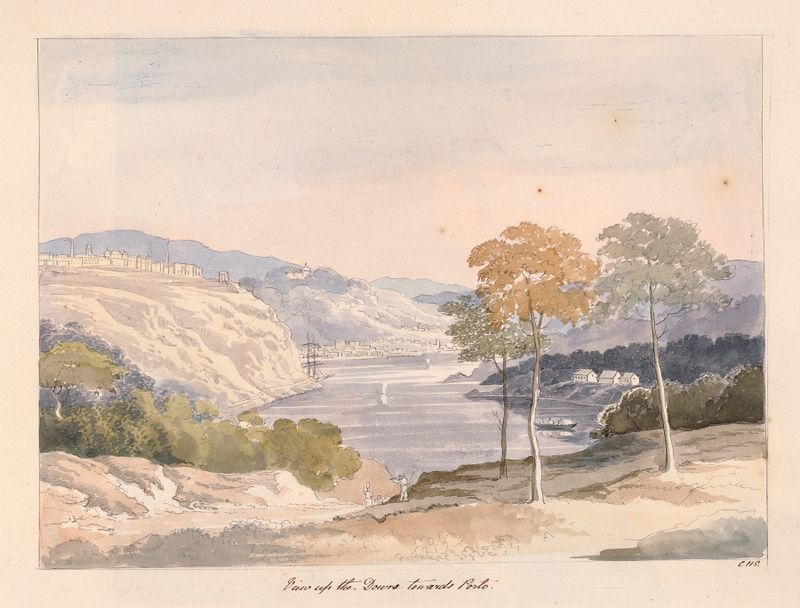
View of the Douro towards Porto
Charles Hamilton Smith
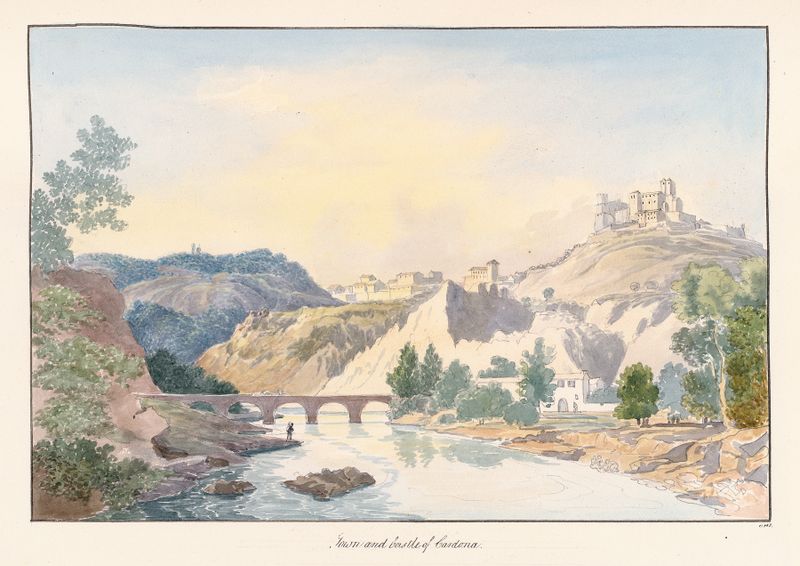
Town and Castle of Cardona
Charles Hamilton Smith
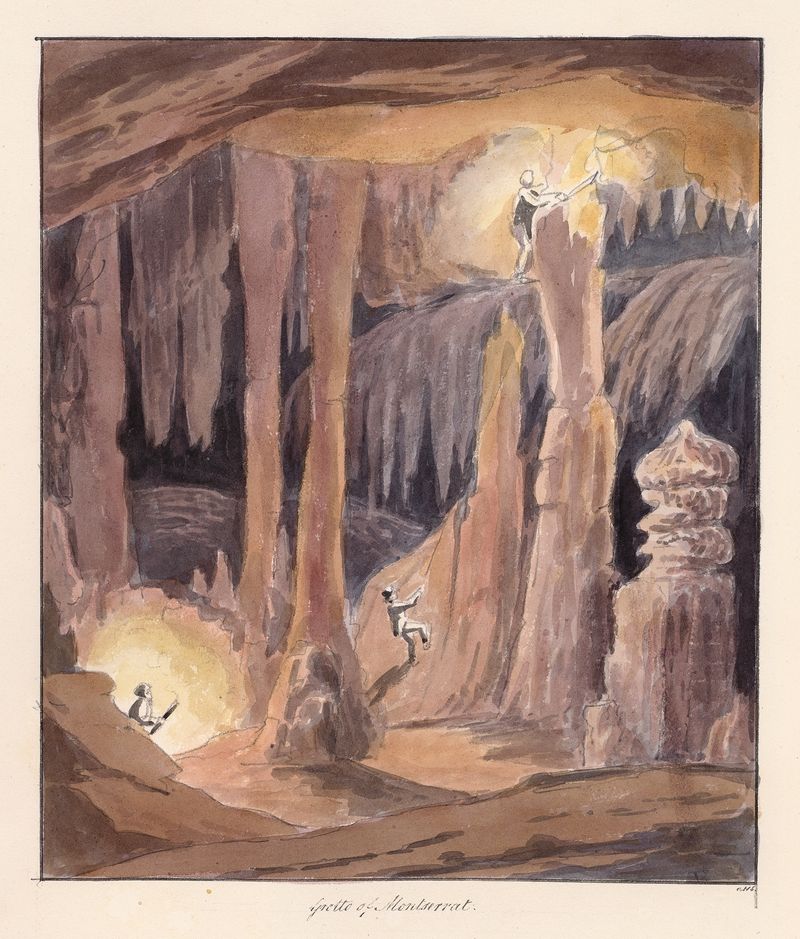
Grotto of Montserrat
Charles Hamilton Smith

Monastery of San Just where Charles V died
Charles Hamilton Smith





