
Gräsgård Church — History & Facts
Can paint confess what words never could? In Gräsgård Church, the chaos of emotion finds its voice through a landscape steeped in light and shadow. Look to the center, where the church stands resolute against a backdrop of tumultuous skies. The brushstrokes swirl around its silhouette, merging vibrant greens and muted grays, imbuing the scene with an unsettling energy. Notice how the light cascades, illuminating the church's facade, creating a stark contrast with the stormy atmosphere that surrounds it.
The unfolding landscape seems to breathe, suggesting a tension between tranquility and turmoil, as if the very earth beneath it is alive with the whispers of history. The dissonance within the work reveals a deeper commentary on the duality of faith and the unpredictability of life. The church, a symbol of refuge and stability, is enveloped in an almost chaotic embrace of nature, inviting contemplation on the fragility of belief amidst uncertainty. Hidden details, like the way the trees bend under an unseen pressure, underscore an emotional landscape that hints at turmoil just beyond the frame, suggesting that what is sacred is often intertwined with chaos. Per Ekström painted Gräsgård Church in 1922, during a time when Europe was still grappling with the aftermath of World War I.
His work emerged from a period of exploration in Swedish landscape painting, where artists sought new expressions amid a changing world. This painting reflects both his personal quest for meaning in tumultuous times and the broader shifts in artistic movements as they began to embrace abstraction and emotion.
More Artworks by Per Ekström
Browse all →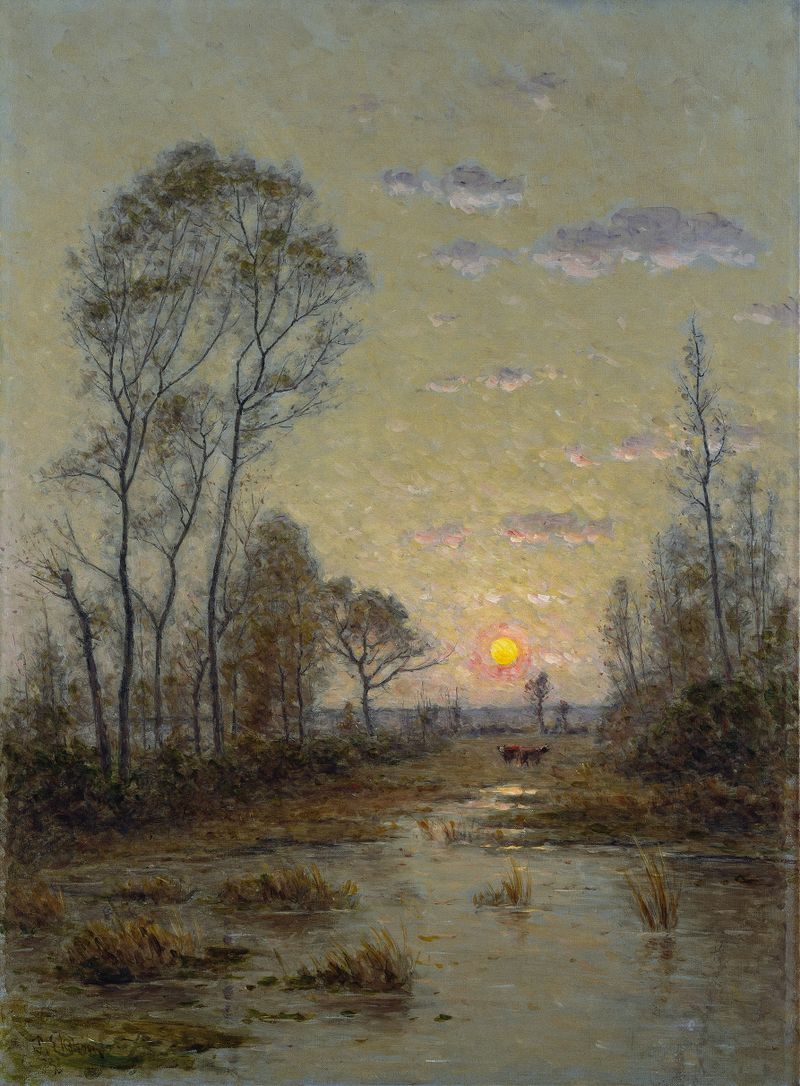
Two Cows in an Evening Landscape
Per Ekström

La vallée des peintres, Carolles
Per Ekström
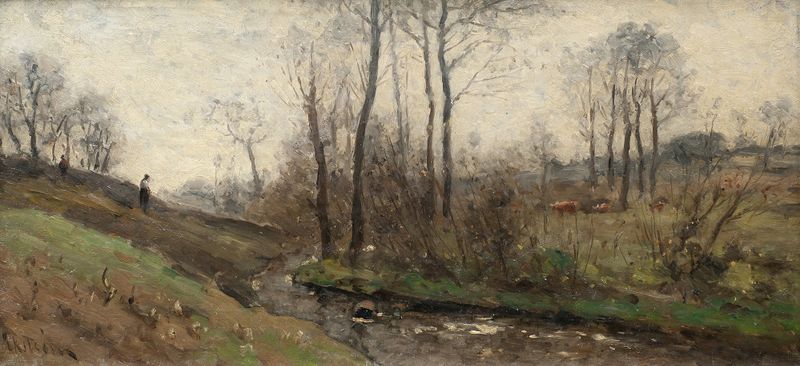
Landscape with a Running Brook. Scene from the Carolles in Normandy
Per Ekström
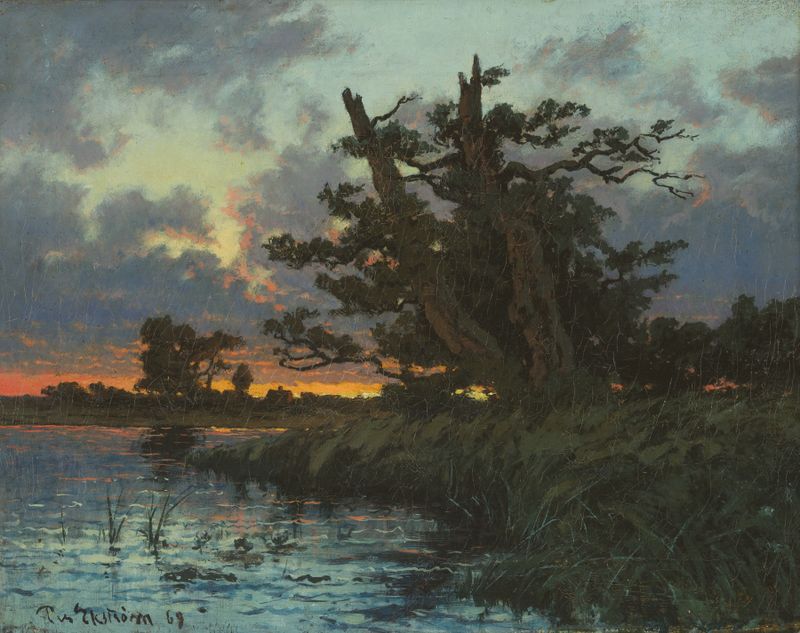
Landscape after Sunset
Per Ekström

Sunlight Shimmering through the Trees
Per Ekström

Winter Landscape. Öland Scene
Per Ekström
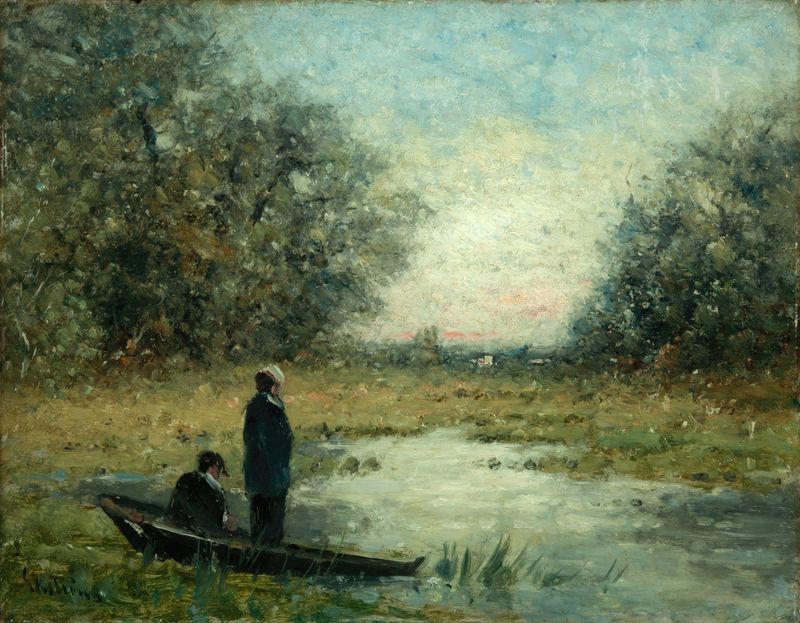
Woodland Pool
Per Ekström
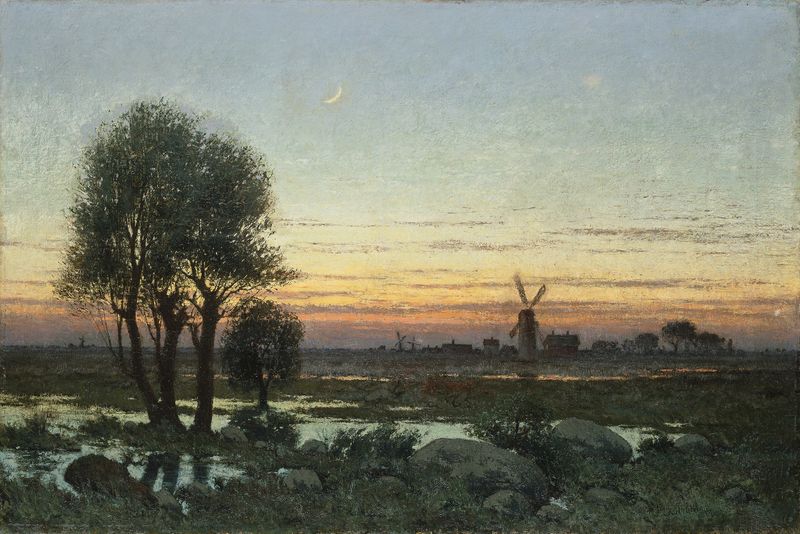
Autumn Landscape in the Glow of Sunset
Per Ekström

Sunset
Per Ekström
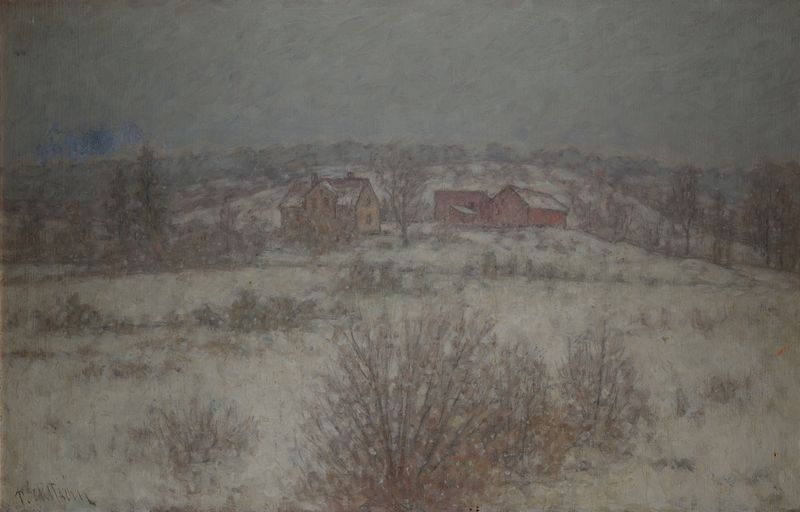
Winter Landscape at Partille
Per Ekström
More Architecture Art
Browse all →
The statue of Liberty
Frédéric Auguste Bartholdi

View of Houses in Delft, Known as ‘The Little Street’
Johannes Vermeer

View of Houses in Delft, Known as ‘The Little Street’
Johannes Vermeer

The Cathedral in Rouen. The portal, Grey Weather
Claude Monet

The yellow house
Vincent van Gogh

The Church in Auvers-sur-Oise, View from the Chevet
Vincent van Gogh