
Winter Landscape. Öland Scene — History & Facts
When did color learn to lie? In the depths of winter, hues of blue and white wrestle with the stark reality of a barren landscape, suggesting a silent awakening beneath the frost. This tension between truth and deception invites the viewer to delve deeper into the canvas. Look to the sprawling expanse of white, where the snow blankets the ground like a delicate veil. Notice how the gentle strokes of icy blue contrast with the muted browns of the bare trees, creating a fragile harmony.
As your gaze moves across the foreground, the light glimmers upon the snow, capturing a fleeting moment of clarity in this wintry world, and inviting contemplation of the winter's serene but deceptive beauty. The painting embodies both desolation and hope, as the starkness of the landscape hints at the potential for rebirth that lies beneath the surface. Small details, like the delicate texture of the snow and the subtle play of shadows, evoke a sense of longing for the awakening that spring promises. This interplay between desolation and renewal resonates profoundly, suggesting that even in the depths of winter, life is merely lying in wait. In the 1890s, Per Ekström found inspiration in the serene yet harsh landscapes of Öland, Sweden.
At this time, he was exploring naturalism, capturing the essence of the scenery around him while reflecting broader artistic movements. As he painted Winter Landscape. Öland Scene, the art world was evolving towards impressionism, influencing his technique and perspective on representation, grounding his work in both tradition and the promise of change.
More Artworks by Per Ekström
Browse all →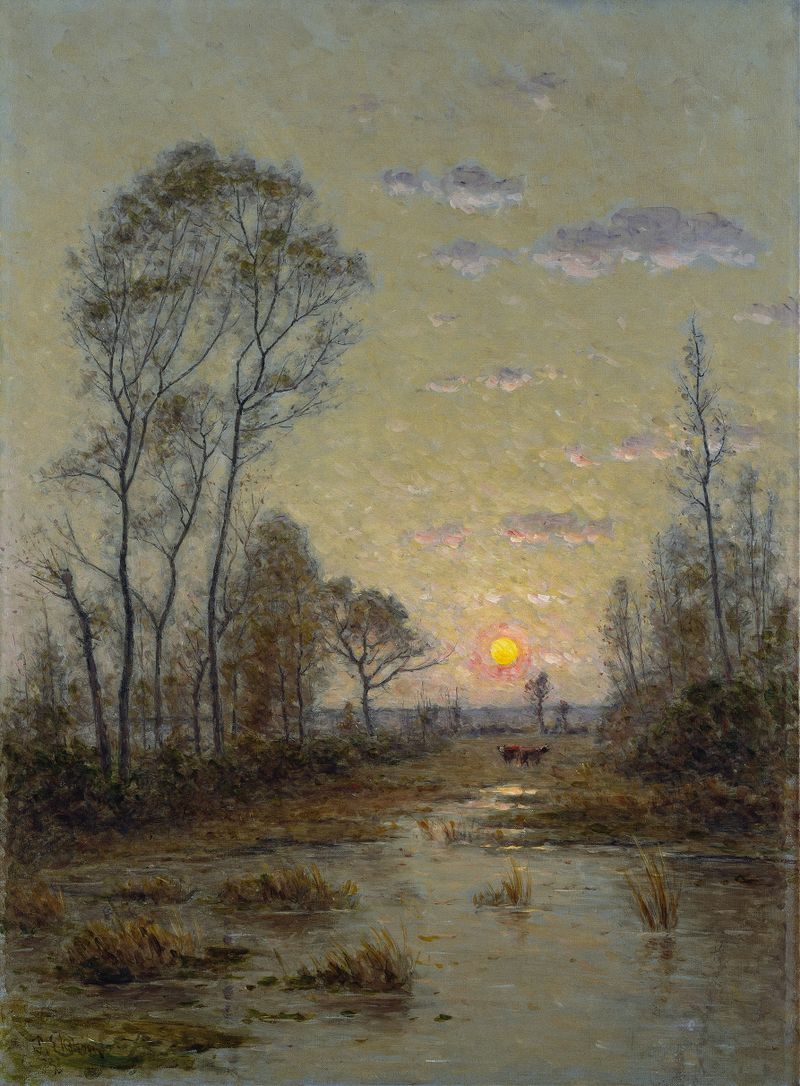
Two Cows in an Evening Landscape
Per Ekström

La vallée des peintres, Carolles
Per Ekström
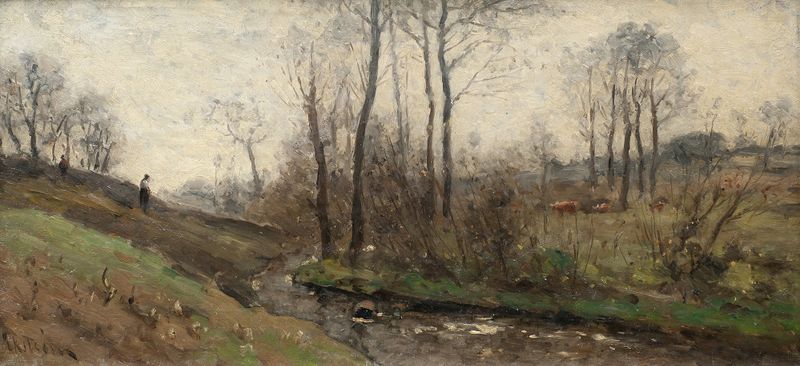
Landscape with a Running Brook. Scene from the Carolles in Normandy
Per Ekström
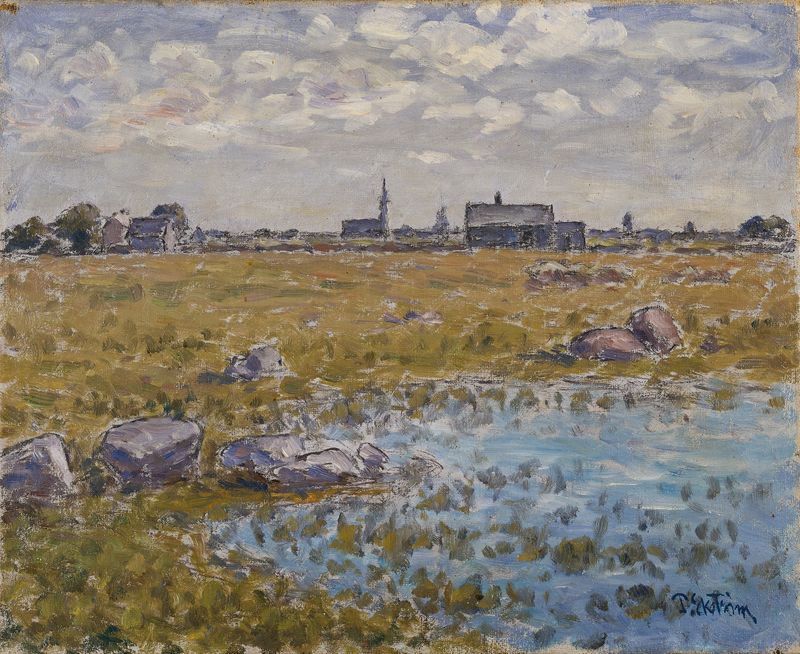
Gräsgård Church
Per Ekström
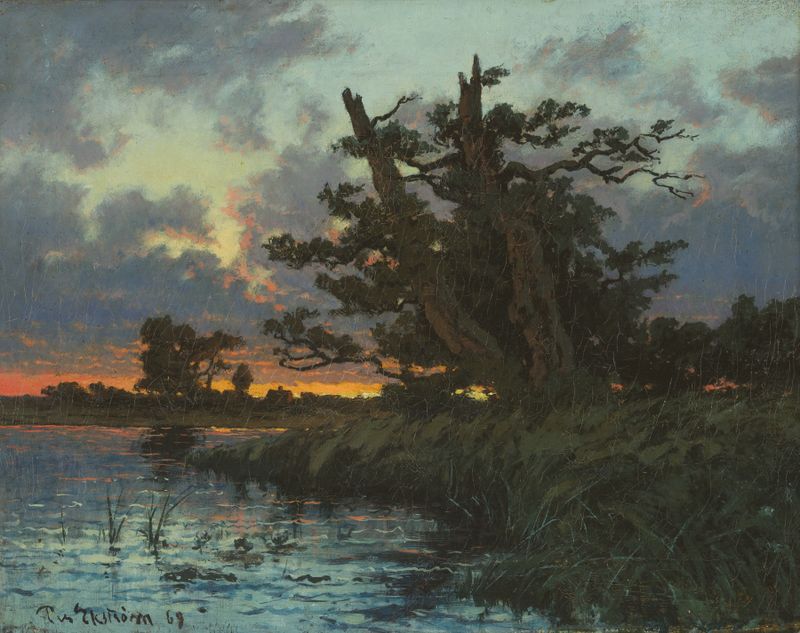
Landscape after Sunset
Per Ekström

Sunlight Shimmering through the Trees
Per Ekström
Woodland Pool
Per Ekström
Autumn Landscape in the Glow of Sunset
Per Ekström

Sunset
Per Ekström
Winter Landscape at Partille
Per Ekström





