
Landscape after Sunset — History & Facts
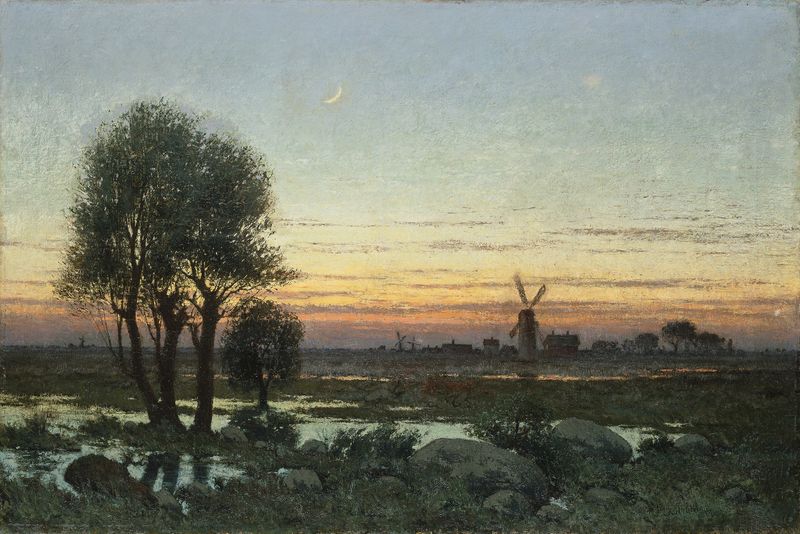
What if silence could speak through light? In Landscape after Sunset, the chaos of a fading day whispers through the soft hues of twilight, revealing the delicate balance between turmoil and tranquility. Look to the horizon, where deep blues and purples bleed into softer pinks and oranges. The layered brushstrokes convey a sense of movement, as if the sky itself is alive with the remnants of daylight. The trees stand sentinel in the foreground, their dark silhouettes sharp against the luminous backdrop, inviting you to explore the interplay between shadow and light.
Notice how the clouds are painted with a sense of weight, swirling and merging like thoughts in the mind, creating a dynamic tension that speaks to nature’s unruly beauty. Beyond the immediate visual appeal lies a profound contrast between chaos and serenity. The looming clouds suggest a brewing storm, yet the gentle glow of the sunset offers a moment of peace before nightfall. This duality evokes feelings of nostalgia and introspection, drawing the viewer into their own reflections on the passage of time and the fleeting nature of both day and life.
The artist skillfully captures this tension, urging us to contemplate the tumult that exists alongside moments of calm. In 1869, Per Ekström painted this landscape during a period of artistic exploration in Sweden, where Romanticism was giving way to Impressionism. It was a time when artists were beginning to embrace the emotional resonance of natural scenes, seeking to capture not just what is seen, but also what is felt. Ekström’s work reflects this shift, as he navigated his own artistic voice amidst a changing world, marked by vibrant colors and a burgeoning appreciation for the ephemeral beauty of nature.
More Artworks by Per Ekström
Browse all →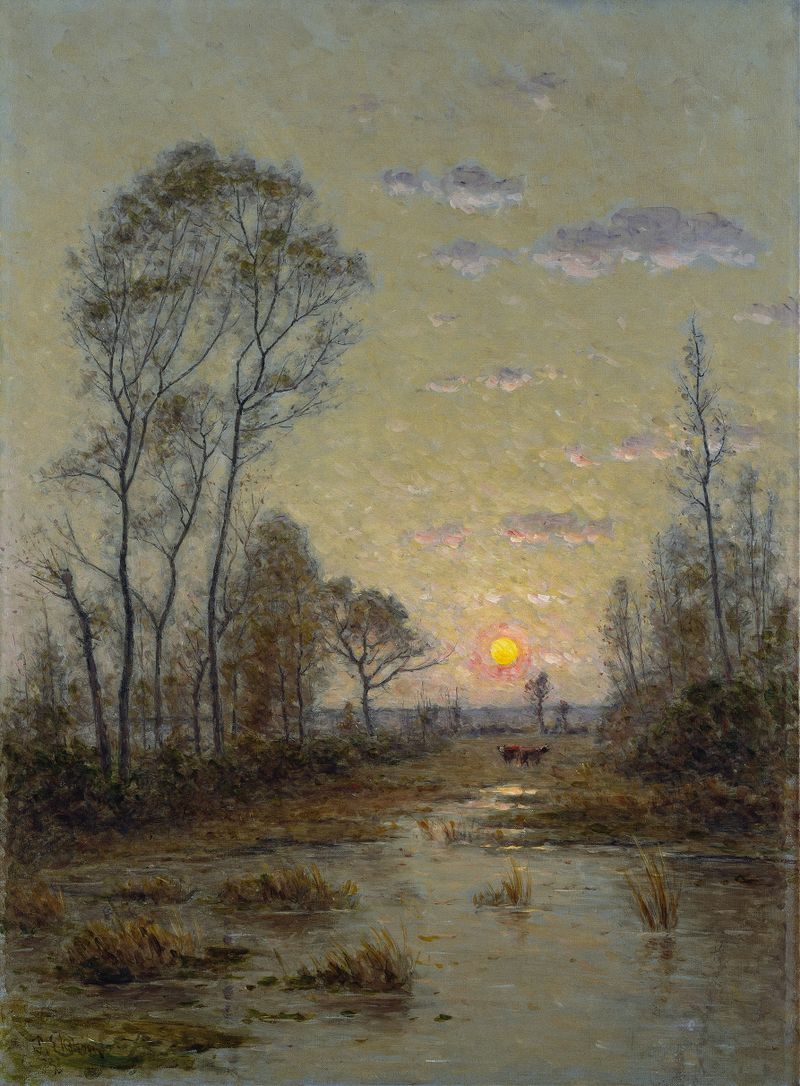
Two Cows in an Evening Landscape
Per Ekström

La vallée des peintres, Carolles
Per Ekström
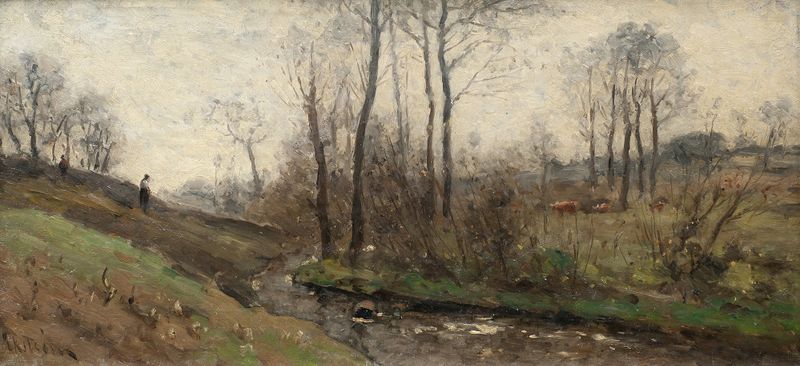
Landscape with a Running Brook. Scene from the Carolles in Normandy
Per Ekström
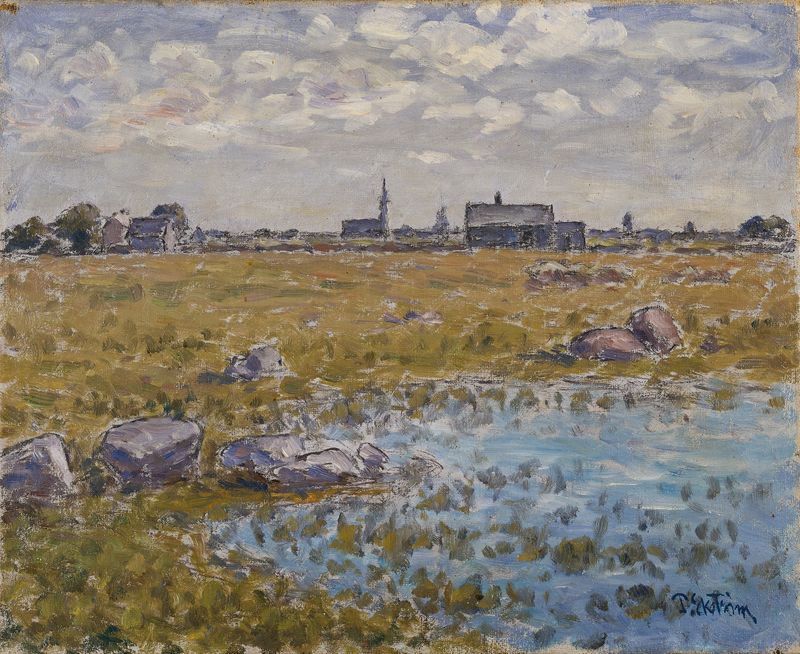
Gräsgård Church
Per Ekström

Sunlight Shimmering through the Trees
Per Ekström

Winter Landscape. Öland Scene
Per Ekström
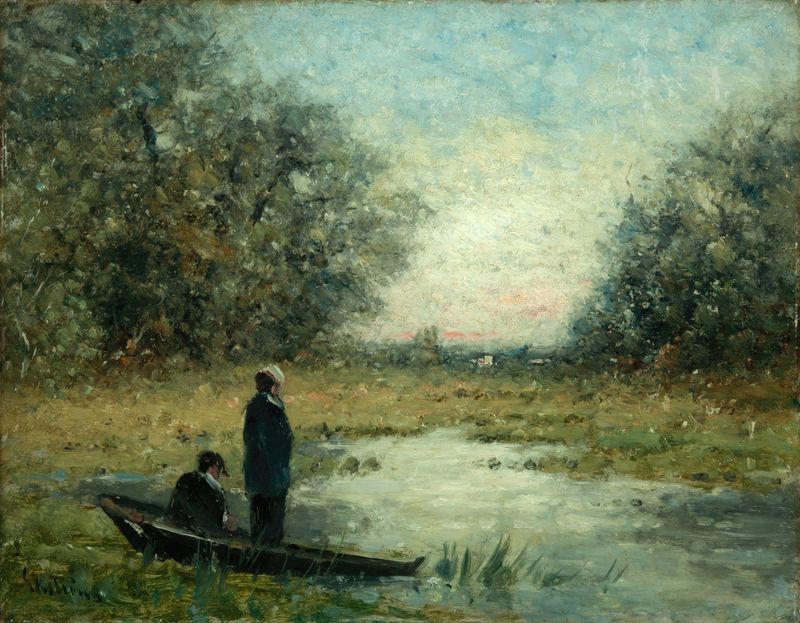
Woodland Pool
Per Ekström
Autumn Landscape in the Glow of Sunset
Per Ekström

Sunset
Per Ekström
Winter Landscape at Partille
Per Ekström





