
Grunewaldsee — History & Facts
Can beauty exist without sorrow? This question hangs in the air like the mist rising from the tranquil waters of Grunewaldsee, where serene reflections dance upon the surface, whispering the passage of time. Focus on the left, where the dark silhouette of trees stands sentinel against the soft hues of dawn. The subdued palette of greens and browns imbues the scene with a sense of quiet melancholy, while delicate strokes reveal the gentle ripples of the lake that seem to echo distant memories. Notice how light filters through the foliage, casting dappled shadows that hint at fleeting moments and the transient nature of life. Upon closer examination, the stillness of the water contrasts sharply with the undercurrent of emotion present in the work.
The seemingly idyllic landscape serves as a metaphor for introspection, suggesting that beneath the surface lies a world of unexpressed feelings. The interplay between shadow and light evokes the duality of existence—beauty intertwined with the inevitable passage of time, where joy and sorrow coexist in a delicate balance. In 1902, Walter Leistikow painted Grunewaldsee during a period of profound transformation in the art world. Living in Berlin, he was part of a movement that emphasized the emotional resonance of nature, responding to the burgeoning expressionist tendencies around him.
This work reflects both his personal exploration of the natural world and the era's shift towards a more introspective, symbolic representation of reality.
More Artworks by Walter Leistikow
Browse all →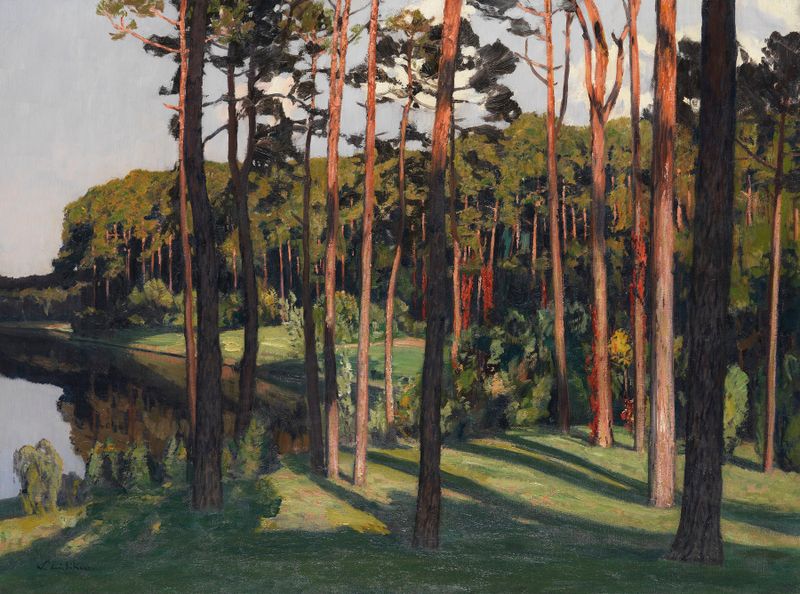
Märkische Landschaft
Walter Leistikow

Grunewaldsee
Walter Leistikow

Birken am Seeufer bei untergehender Sonne
Walter Leistikow
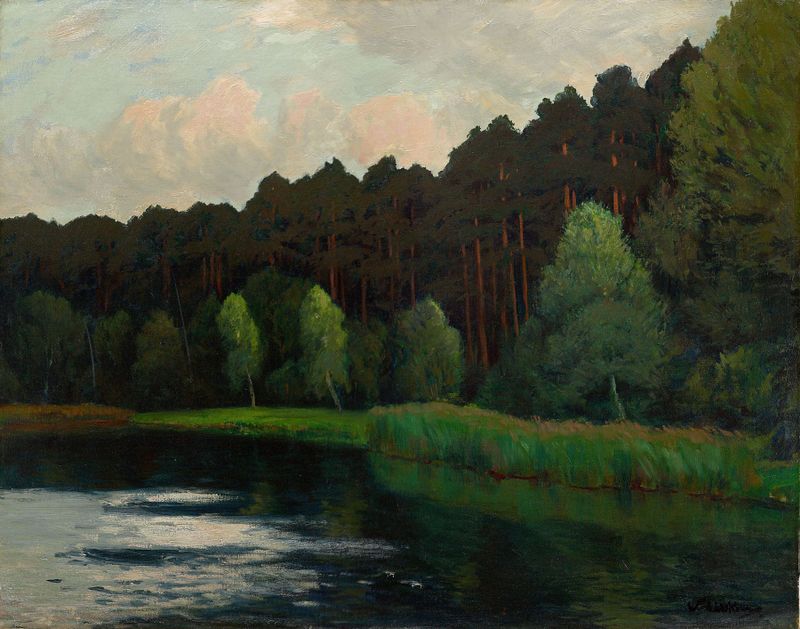
Märkischer See
Walter Leistikow
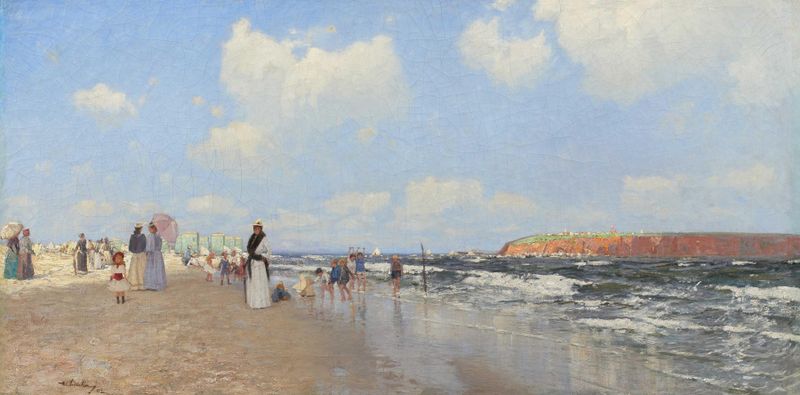
Strandpromenade von Helgoland
Walter Leistikow

Sailing Ships On The Baltic Sea
Walter Leistikow
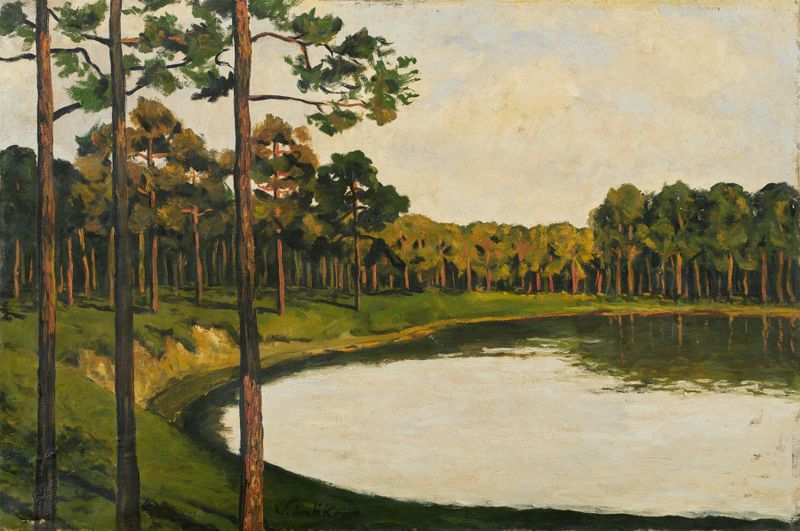
Grunewaldsee
Walter Leistikow
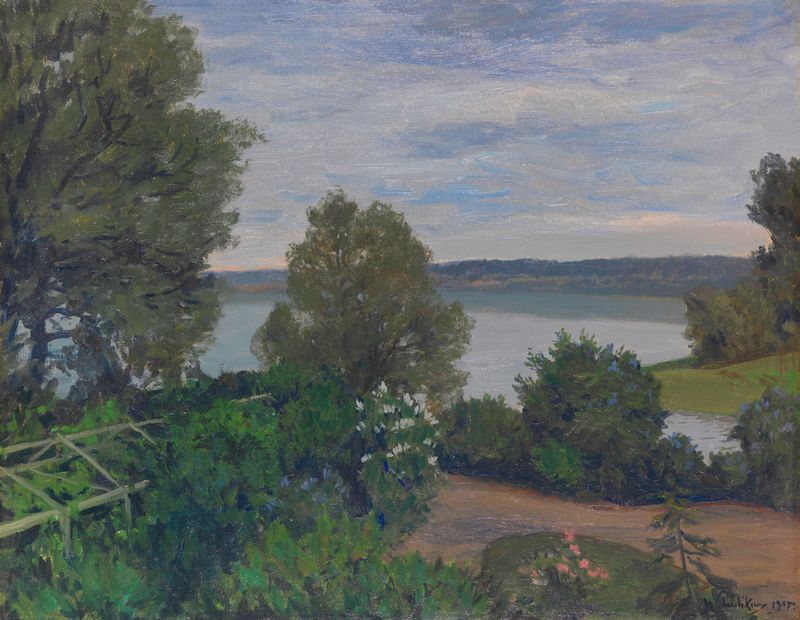
Garten in Grünheide
Walter Leistikow
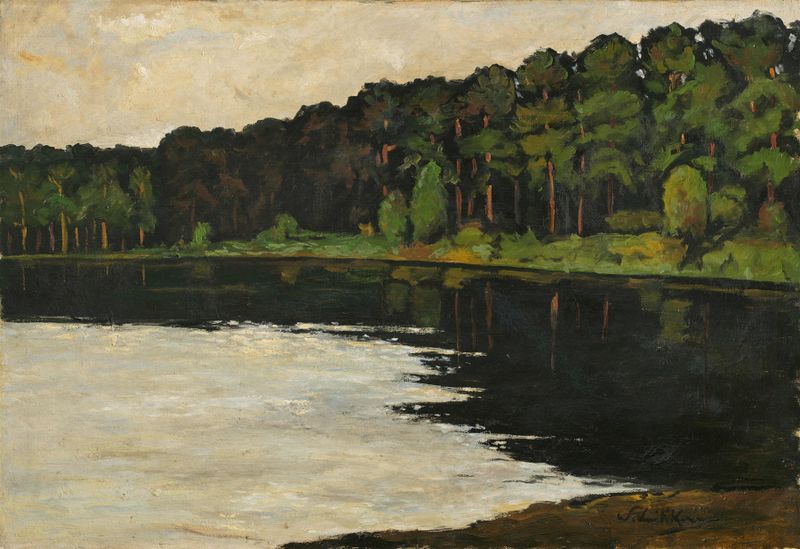
Grunewaldsee am Morgen
Walter Leistikow
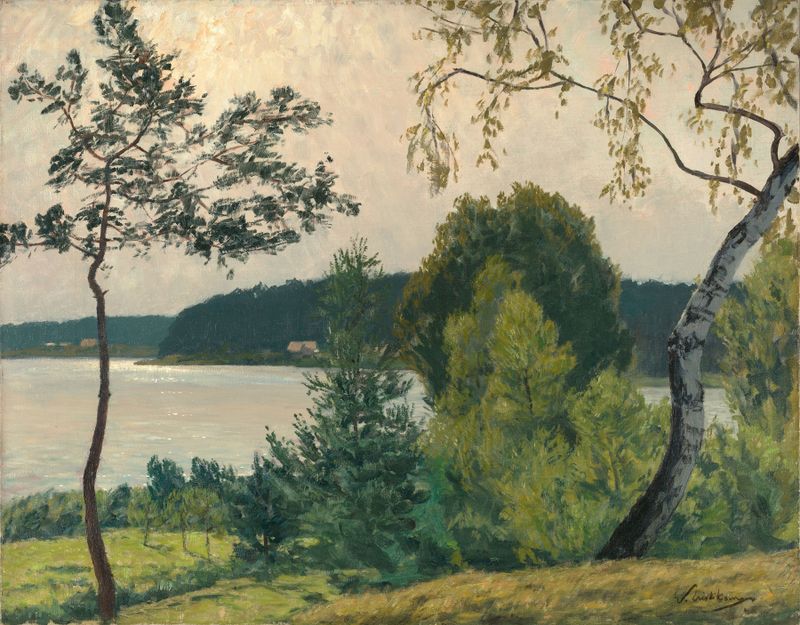
Motiv aus der Mark
Walter Leistikow





