
Strandpromenade von Helgoland — History & Facts
Did the painter know this moment would outlive them? In the fleeting embrace of time, decay weaves its melancholic thread through the fabric of memories captured on canvas. Look to the left at the gentle curve of the shoreline, where the pale sands meet the rolling surf. The painter skillfully layers soft pastels, allowing the light to shimmer on the water while shadows linger in the dunes. Notice how the solitary figure, draped in a shawl, gazes contemplatively toward the horizon, embodying both stillness and yearning.
The composition draws your eye across the scene, from the silvery waves to the distant cliffs, inviting you to reflect on the delicate balance between beauty and transience. Beyond its tranquil surface, the work resonates with themes of isolation and introspection. The expansive sky, while serene, hints at an impending tempest, suggesting that nature's beauty is often tinged with foreboding. The solitary figure symbolizes the human experience of searching for connection in an indifferent world, a silent commentary on the inevitability of decay—not just of life, but of joy and longing.
Each brushstroke captures a moment that feels suspended, evoking the sweet ache of nostalgia. In 1892, while residing in Berlin, the artist painted this piece amidst a backdrop of artistic evolution, as Impressionism and Symbolism began to reshape perspectives. This period was marked by a growing desire to express subjective experience and evoke emotion through color and light, reflecting the artist's inner world. As he captured the ethereal beauty of Helgoland, Leistikow navigated the complexities of his own journey, intertwining personal reflection with broader artistic movements of his time.
More Artworks by Walter Leistikow
Browse all →
Märkische Landschaft
Walter Leistikow

Grunewaldsee
Walter Leistikow

Birken am Seeufer bei untergehender Sonne
Walter Leistikow
Märkischer See
Walter Leistikow

Sailing Ships On The Baltic Sea
Walter Leistikow
Grunewaldsee
Walter Leistikow
Garten in Grünheide
Walter Leistikow
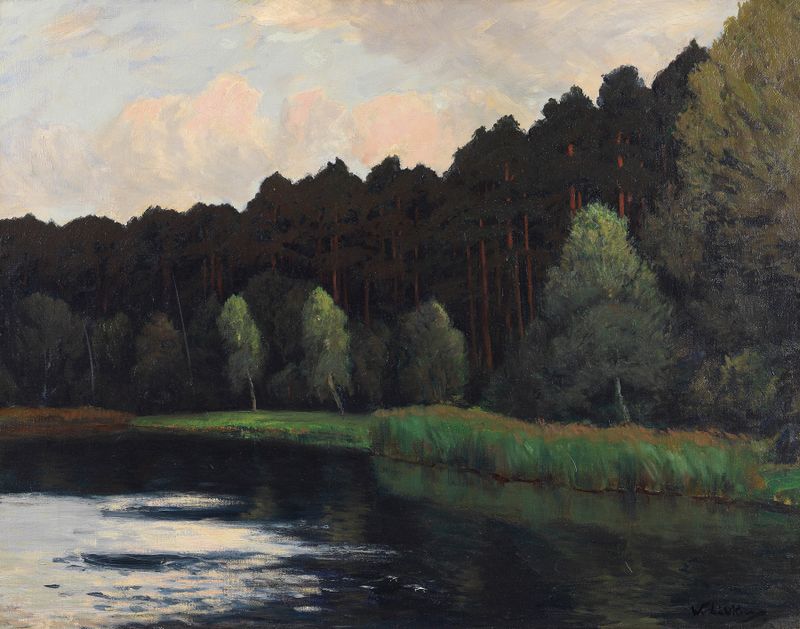
Grunewaldsee
Walter Leistikow
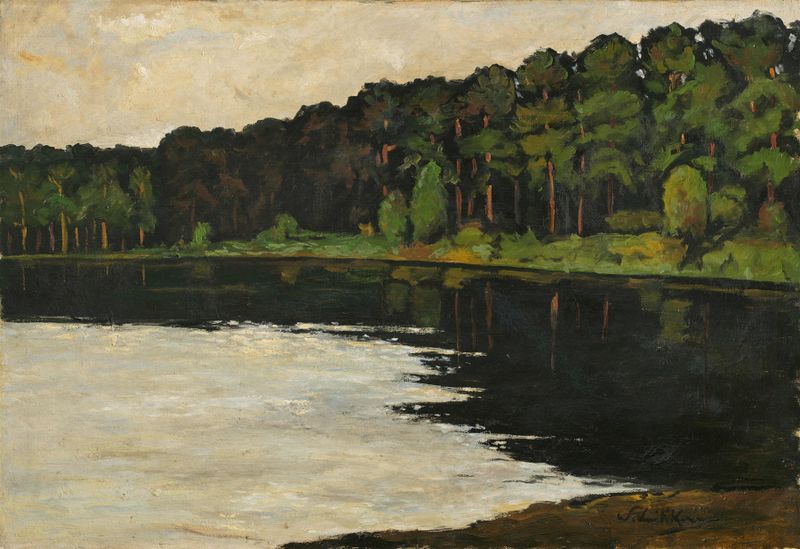
Grunewaldsee am Morgen
Walter Leistikow
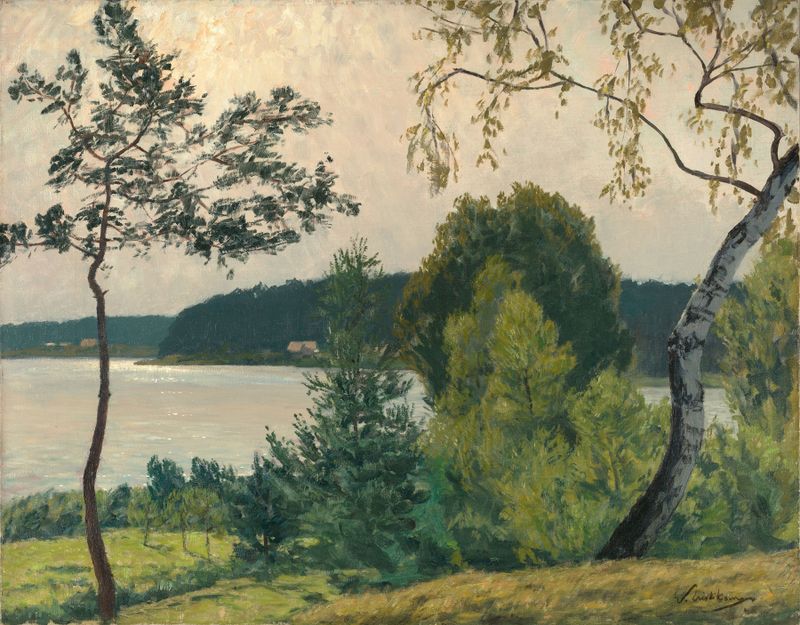
Motiv aus der Mark
Walter Leistikow





