
Haginotera, the temple of bush clovers — History & Facts
In a time when emotions ran deep and landscapes were painted in the hues of human experience, color became a language of its own, resonating with the heart of the observer. Focus first on the vibrant, almost ethereal greens and yellows that envelop the canvas, drawing your eyes into the lush serenity of the temple grounds. Notice how the delicate strokes of the bush clovers dance with the light, their subtle variations capturing both movement and stillness. The interplay of color creates a visual symphony, inviting you to explore the shadows and highlights that breathe life into the sacred space depicted before you. Yet, beneath the surface, the painting whispers stories of resilience and hope.
The temple stands as a sanctuary in a world fraught with uncertainty, showcasing the contrast between nature's persistence and the fragility of human life. The soft hues evoke a sense of peace that belies the turmoil of post-war Japan, where the artist sought solace and reaffirmation in the beauty of his surroundings. Each color choice reveals a deeper emotional landscape, encouraging viewers to reflect on their own journeys and connections to the natural world. Akamatsu Rinsaku painted Haginotera, the temple of bush clovers in 1947, a year when Japan was navigating the aftermath of World War II.
During this tumultuous time, the artist found himself in a country grappling with loss and rebuilding, turning to nature and traditional themes for comfort and inspiration. His work emerged as a poignant reminder of resilience, symbolizing a haven in a changing world.
More Artworks by Akamatsu Rinsaku
Browse all →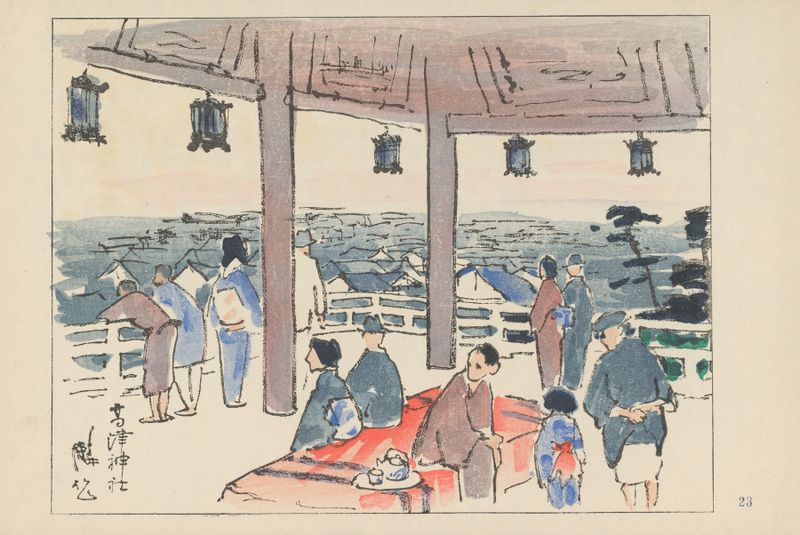
Kozu shrine dedicated to Nintoku Emperor
Akamatsu Rinsaku
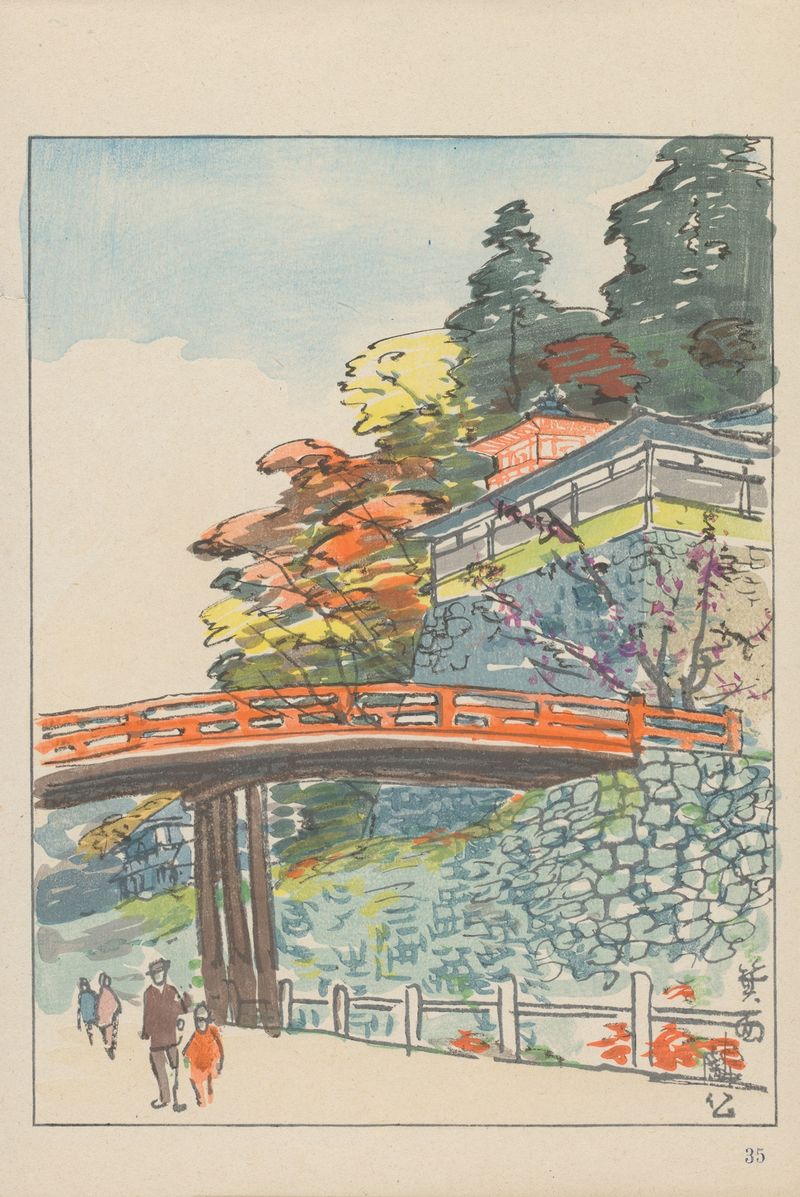
Minoo, National Park
Akamatsu Rinsaku
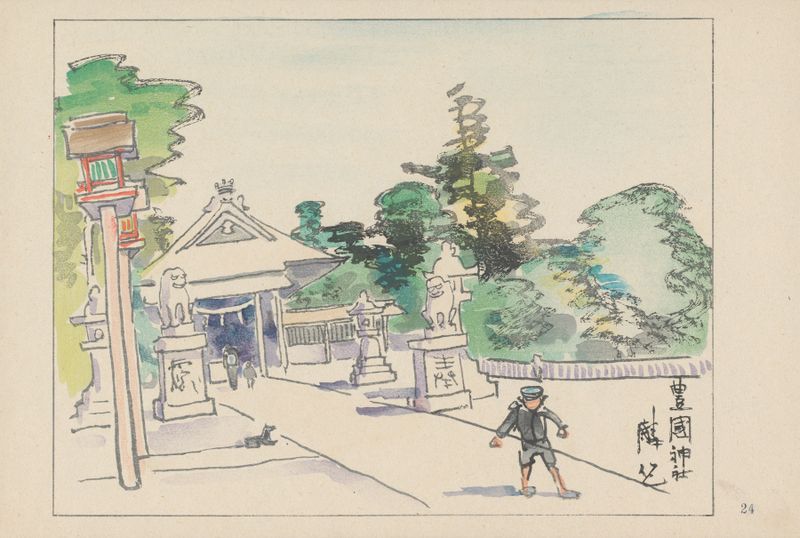
Toyokuni shrine dedicated to Toyotomi Hideyoshi
Akamatsu Rinsaku

Tsumura betsuin, the agency of Nishi-honganji
Akamatsu Rinsaku
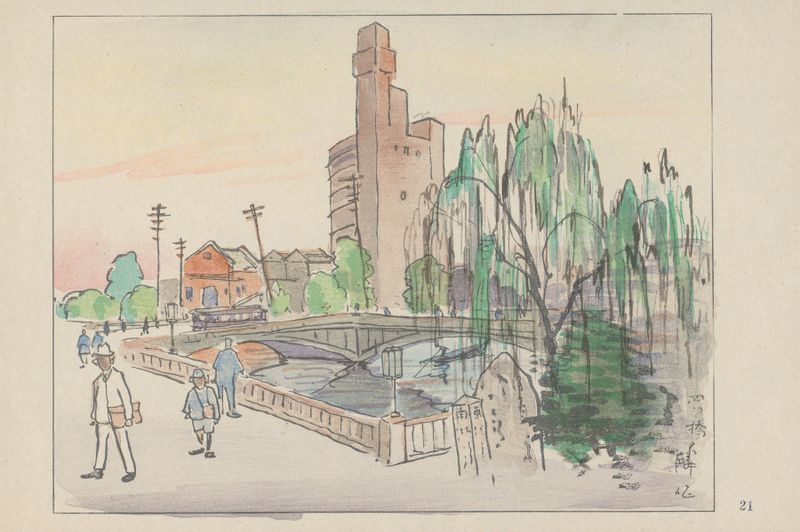
Yotsubashi, four joint bridges
Akamatsu Rinsaku
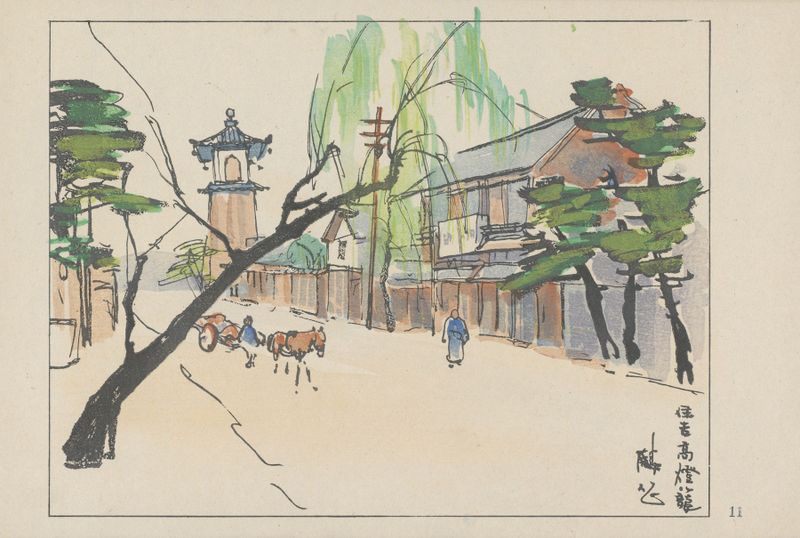
The high lanton at Sumiyoshi, a light house in older time
Akamatsu Rinsaku
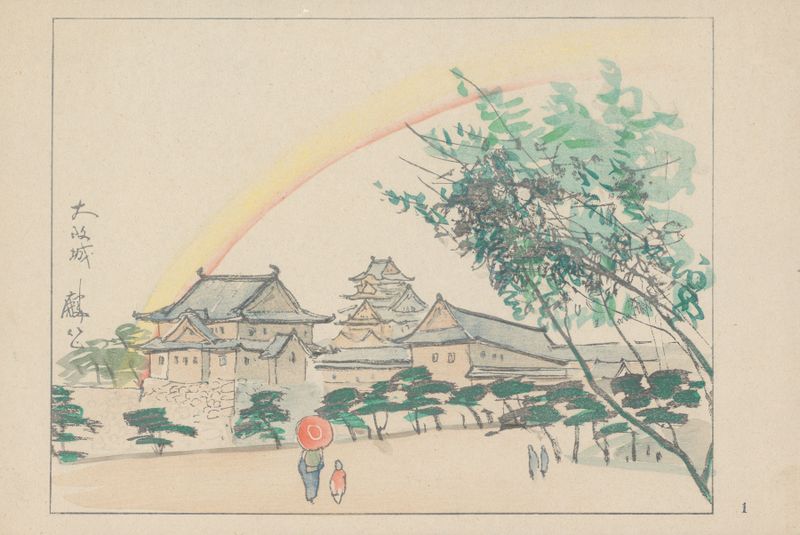
Osaka Castle, built by Toyotomi Hideyoshi in 1585 A.D
Akamatsu Rinsaku
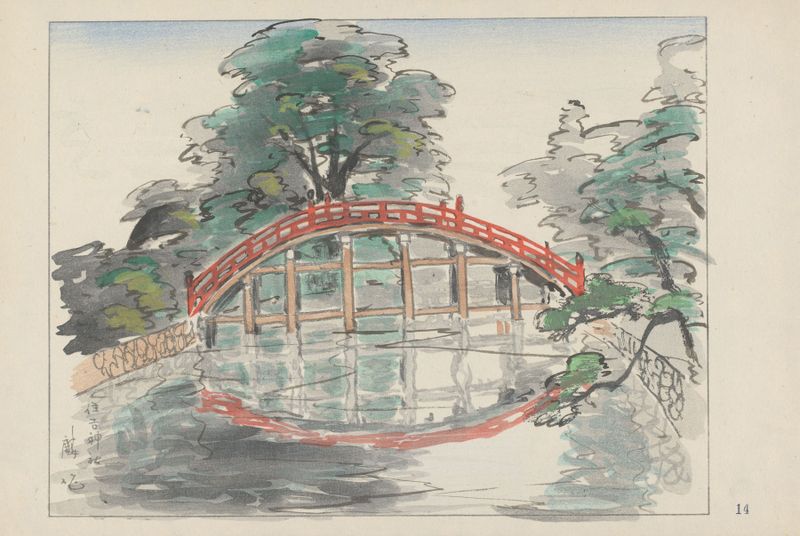
Sumiyoshi Shinto shrine
Akamatsu Rinsaku
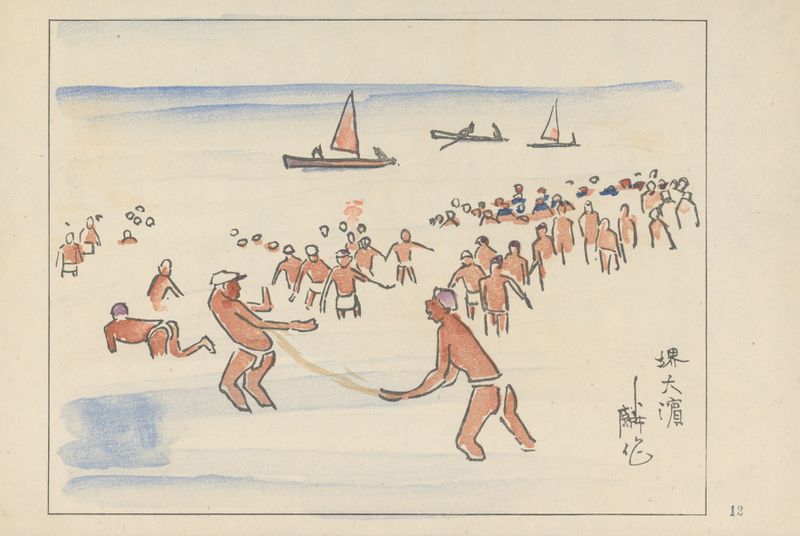
Sakai Ohama, swiming beach
Akamatsu Rinsaku

Kawaguchi, the estuary of Yodo river
Akamatsu Rinsaku





