
Hamamatsu — History & Facts
Can paint confess what words never could? In Hamamatsu, the viewer is swept into a realm of ecstatic beauty, as if the very air vibrates with the joy of existence. Look to the foreground, where delicate cherry blossoms burst into bloom, their soft pinks contrasting with the deep indigos of the evening sky. Notice how the horizon dances with shades of orange and gold, reflecting the last light of the day. The meticulous detail of the trees and the fluidity of the river convey a sense of movement, inviting the eye to travel across the canvas, from the verdant banks to the distant mountains.
Hiroshige’s masterful use of color and composition balances serenity and vibrancy, creating a harmonious tableau that captures a fleeting moment of nature's splendor. Beneath this picturesque surface lies a deeper exploration of transience and joy. The cherry blossoms, symbols of ephemeral beauty, beckon the viewer to contemplate the fleeting nature of life itself, while the soft ripple of the river hints at the passage of time. This juxtaposition evokes a profound sense of longing, a reminder that ecstasy resides in both the tangible and the ephemeral, anchored yet ever-elusive. In 1855, while residing in Edo, Hiroshige produced Hamamatsu during a time when Japan was experiencing both cultural richness and transition.
The ukiyo-e movement, which highlighted the beauty of fleeting moments, was at its zenith, allowing the artist to explore themes of nature and impermanence. This period of creativity not only reflected his personal experiences but also resonated with a society captivated by the allure of beauty in everyday life.
More Artworks by Utagawa Hiroshige
Browse all →
Sudden Shower over Shin Ohashi Bridge and Atake (Ohashi Atake no yudachi), from the series "One Hundred Famous Views of Edo (Meisho Edo hyakkei)"
Utagawa Hiroshige
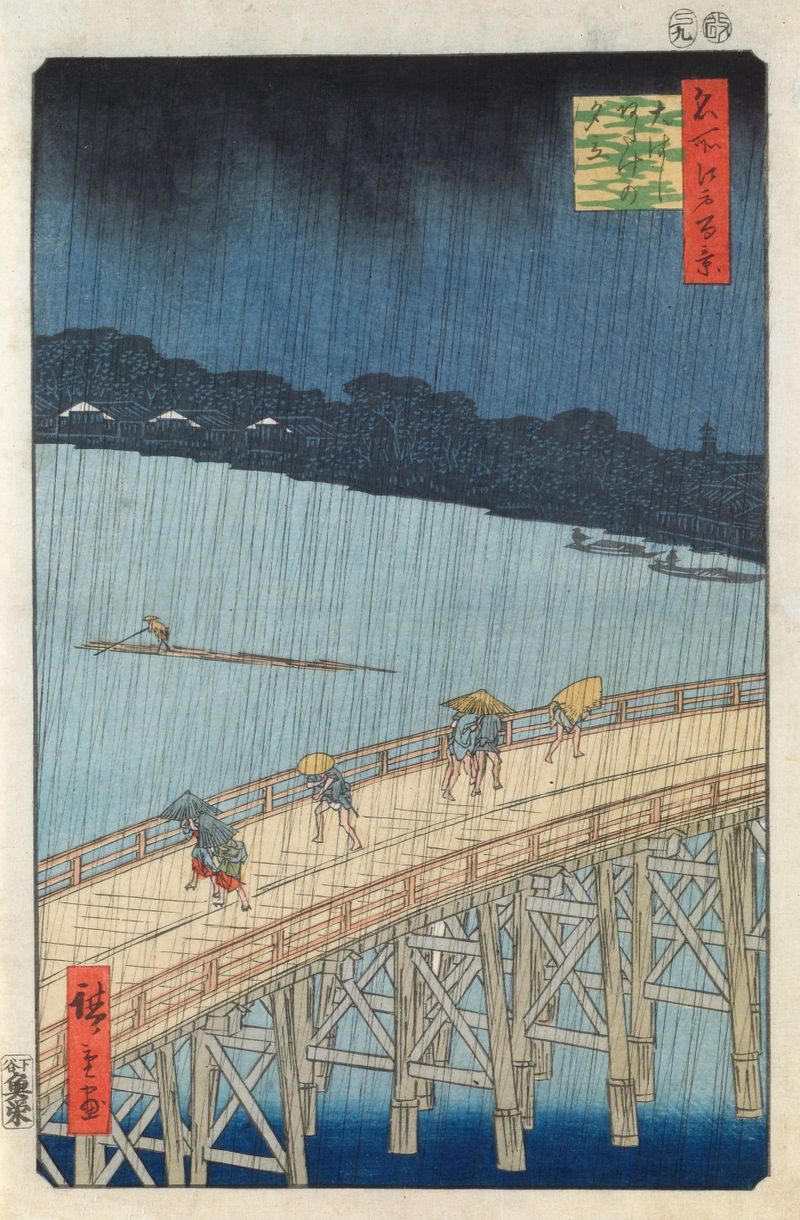
Sudden Shower Over Ohashi Bridge and Atake
Utagawa Hiroshige
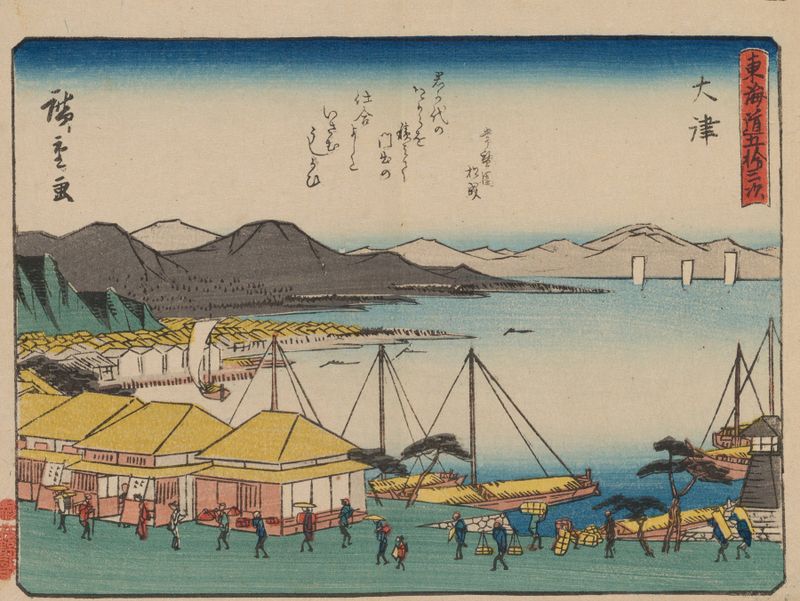
Tokaido gojusantsugi, Pl.54
Utagawa Hiroshige
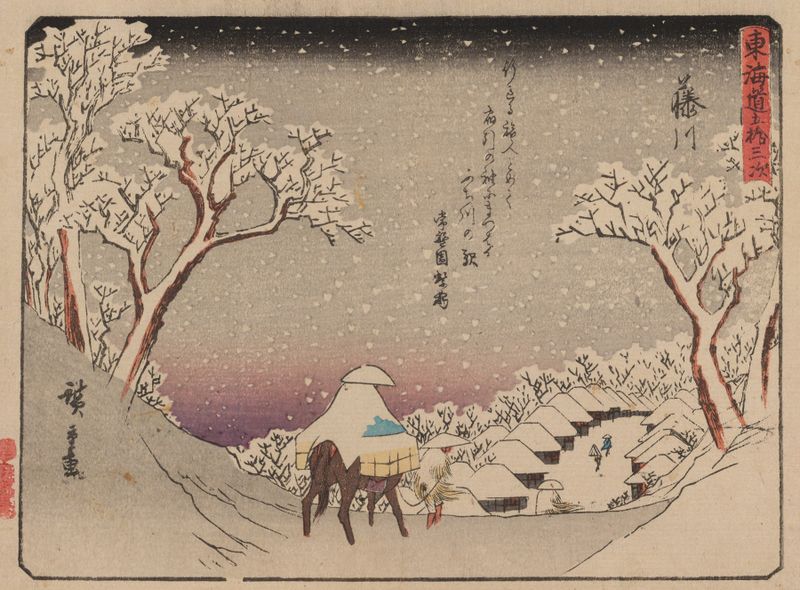
Tokaido gojusantsugi, Pl.38
Utagawa Hiroshige
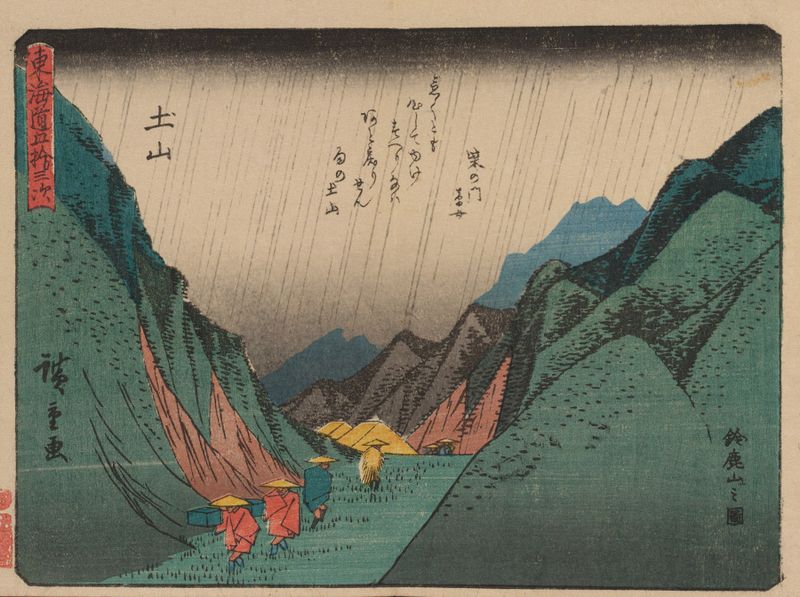
Tokaido gojusantsugi, Pl.50
Utagawa Hiroshige
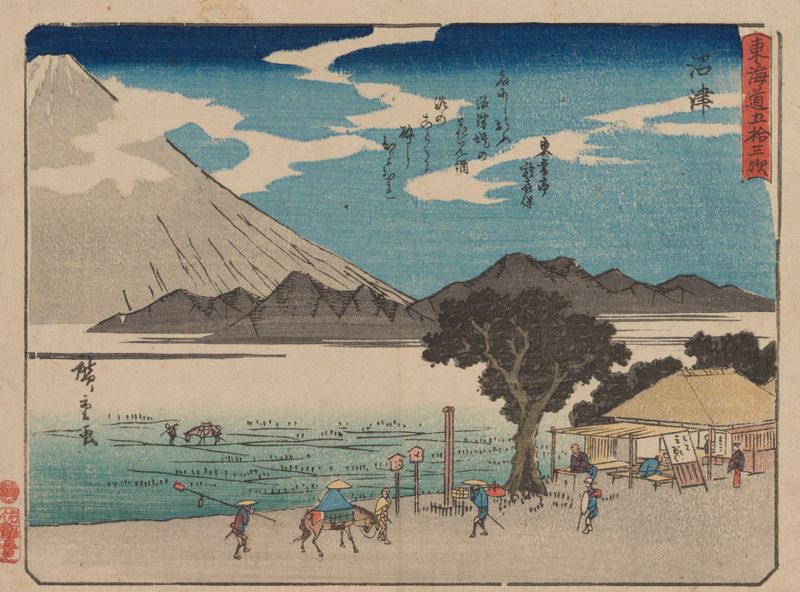
Tokaido gojusantsugi, Pl.13
Utagawa Hiroshige
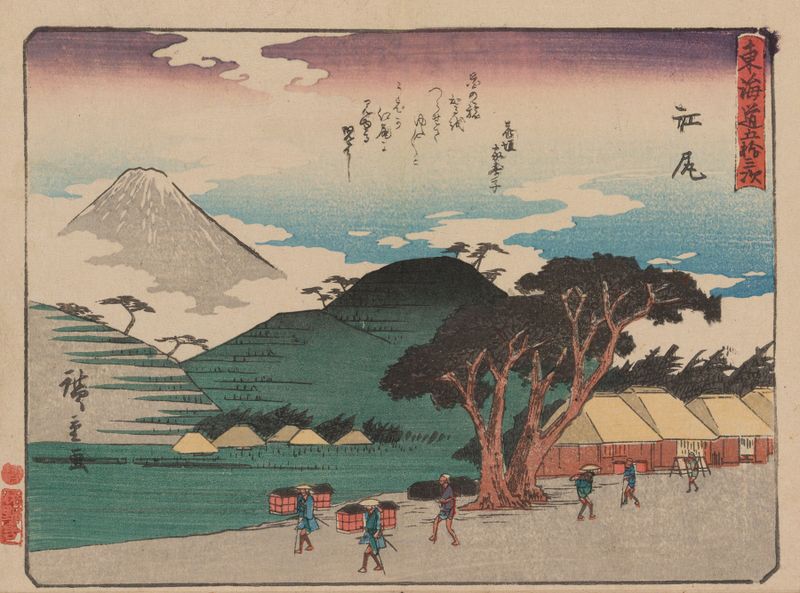
Tokaido gojusantsugi, Pl.19
Utagawa Hiroshige
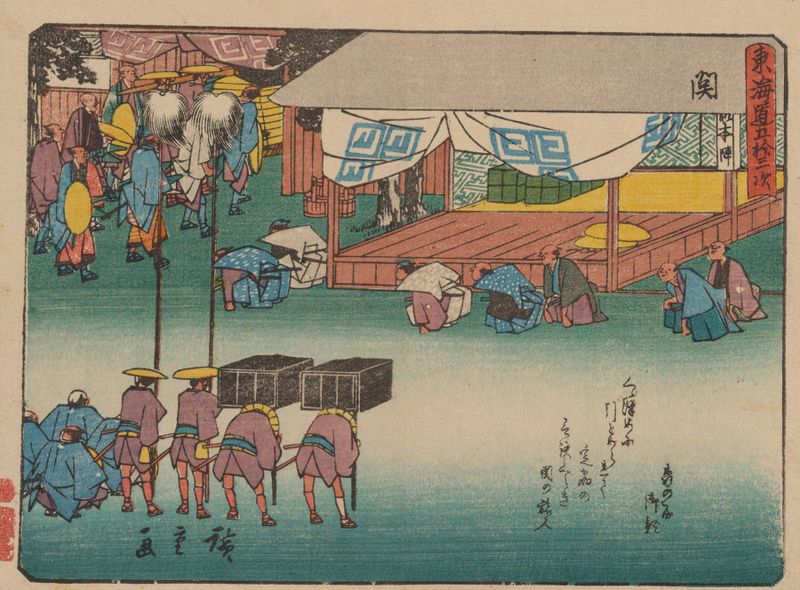
Tokaido gojusantsugi, Pl.48
Utagawa Hiroshige
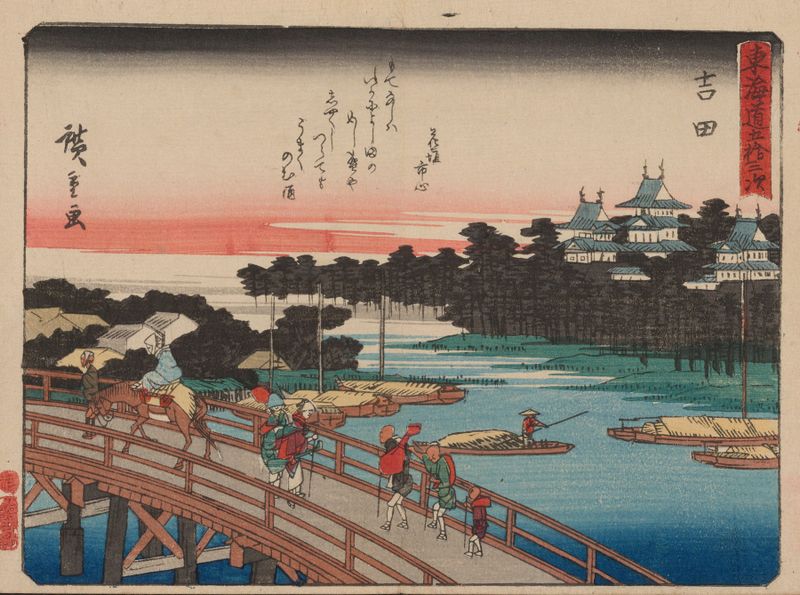
Tokaido gojusantsugi, Pl.35
Utagawa Hiroshige
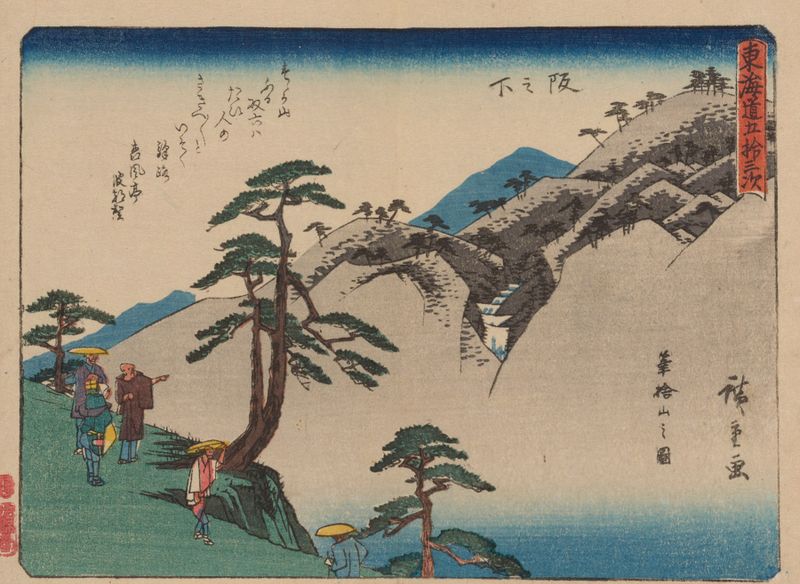
Tokaido gojusantsugi, Pl.49
Utagawa Hiroshige





