
Hamlet, Prince of Denmark. Whose skull is this — History & Facts
In Hamlet, Prince of Denmark. Whose skull is this, Louis Rhead presents a dramatic scene where Hamlet holds a skull. The colors are muted, with dark tones dominating the background, creating a somber atmosphere.
Hamlet's expression is one of deep contemplation, reflecting the weight of his thoughts. The skull, a symbol of mortality, draws the viewer's attention and invites reflection on life and death. The painting is executed in oil on canvas, a medium that allows for rich texture and depth. Rhead's technique includes fine brushwork, which adds detail to Hamlet's features and the skull.
The composition is centered around Hamlet, emphasizing his existential dilemma. The use of light and shadow enhances the emotional intensity of the scene. Louis Rhead was known for his illustrations and paintings that often drew from literary themes. This work, inspired by Shakespeare's Hamlet, captures a pivotal moment of introspection.
Interestingly, Rhead's choice to depict the skull emphasizes the play's exploration of mortality and the human condition. This painting reflects the Symbolism movement, where artists sought to express deeper meanings through imagery.
More Artworks by Louis Rhead

Ricksecker Perfumes
Louis Rhead
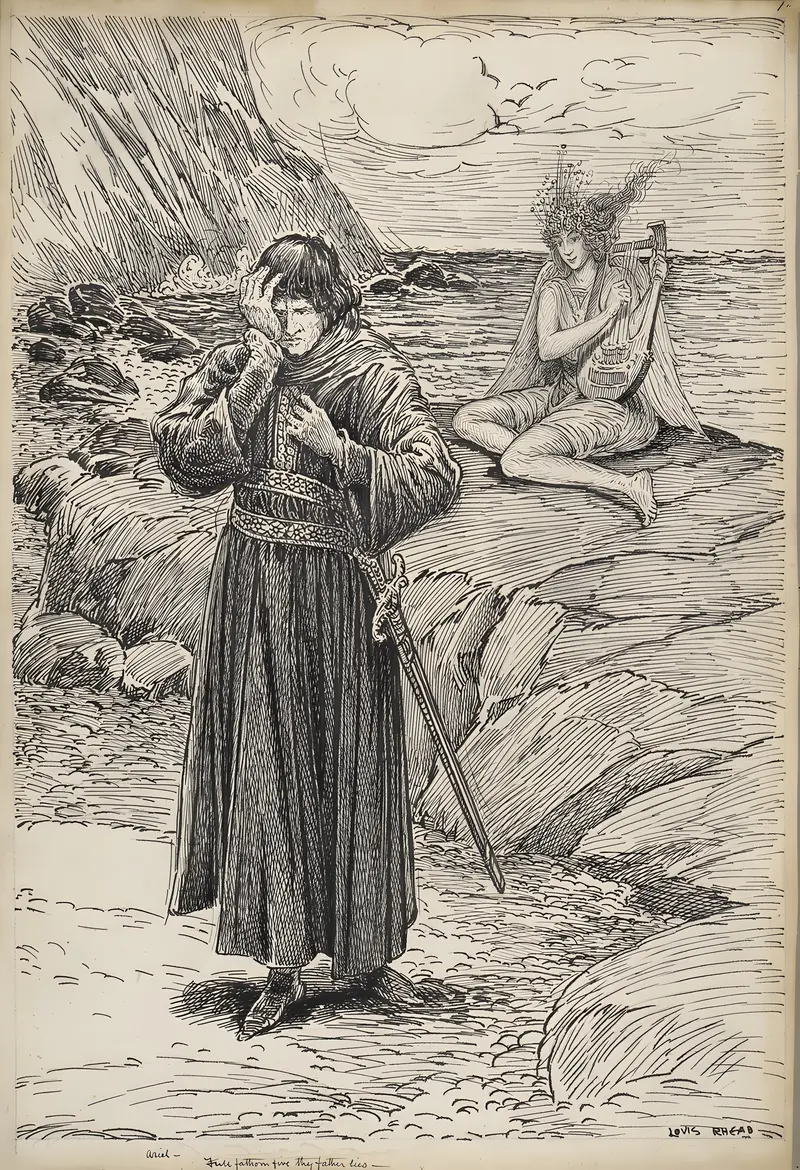
Tempest, Ariel; Full fathom five thy father lies
Louis Rhead
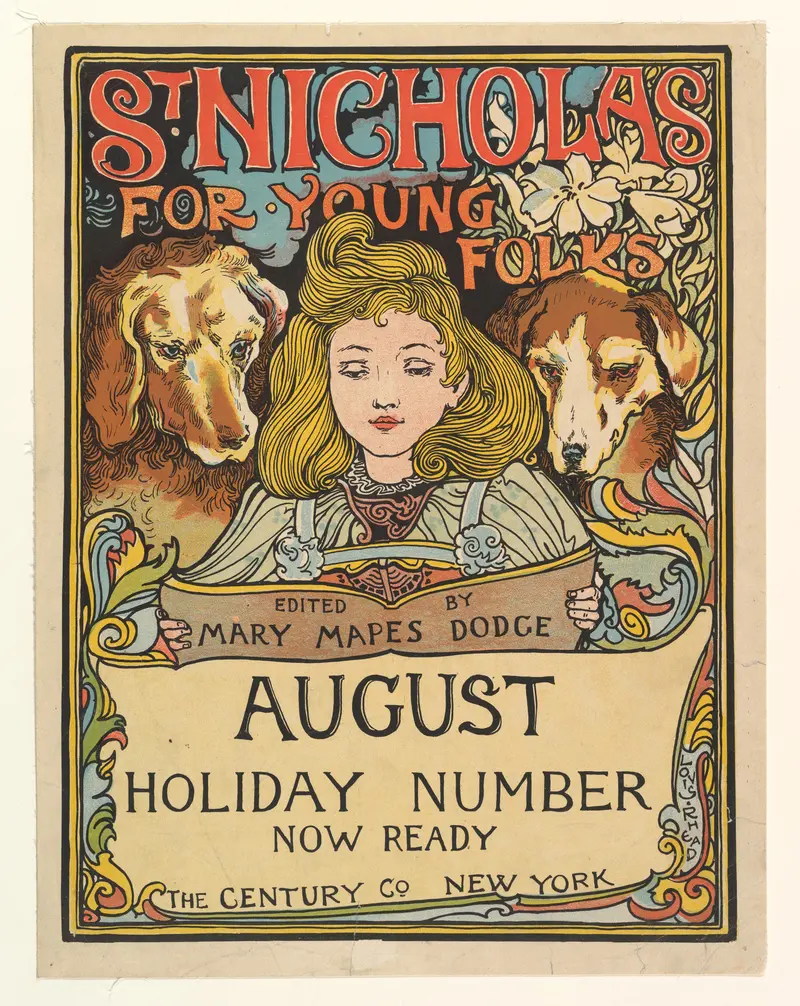
The Century; Holiday Number; St. Nicholas for Young Folks, August
Louis Rhead
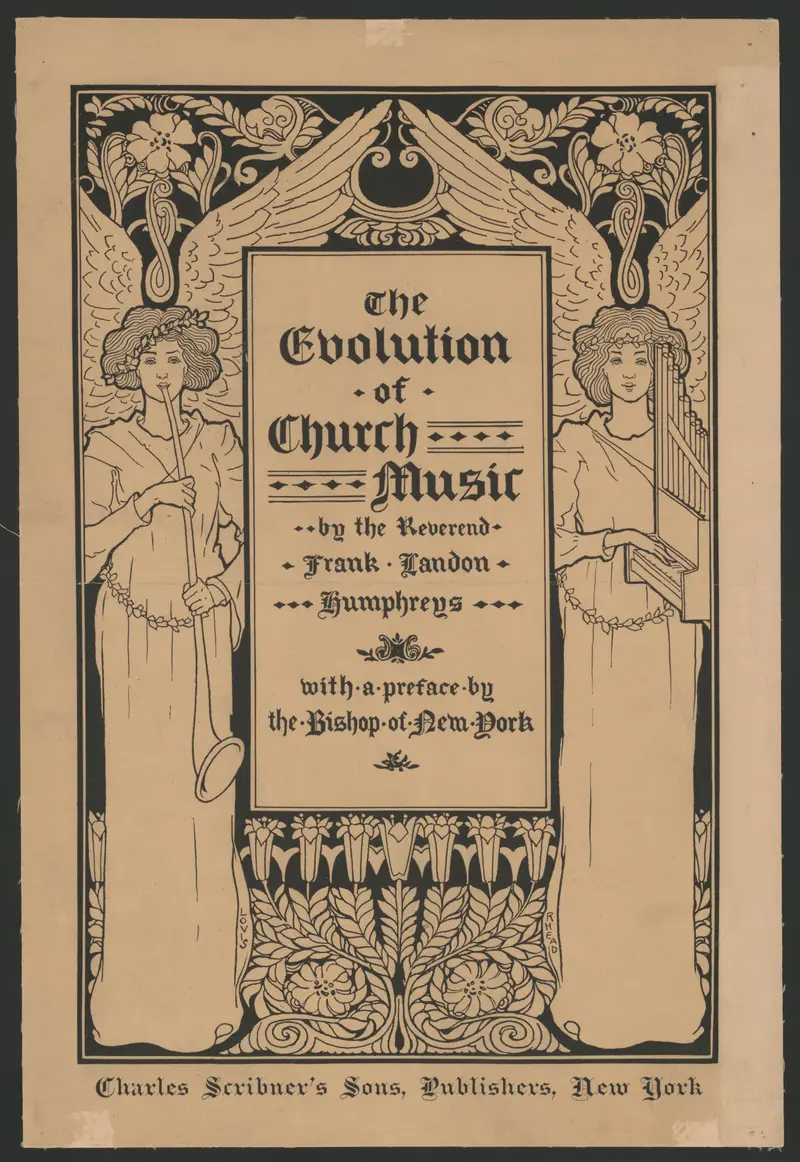
The evolution of church music
Louis Rhead
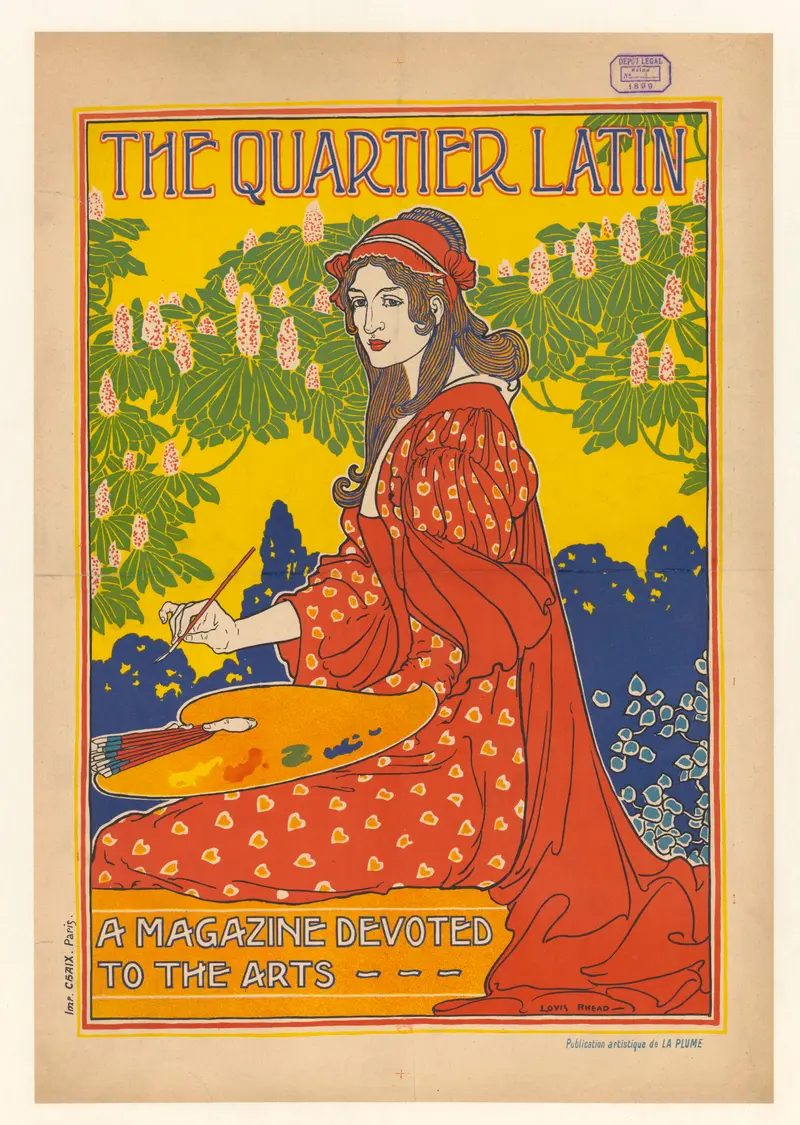
The Quartier Latin. A magazine devoted to the arts
Louis Rhead
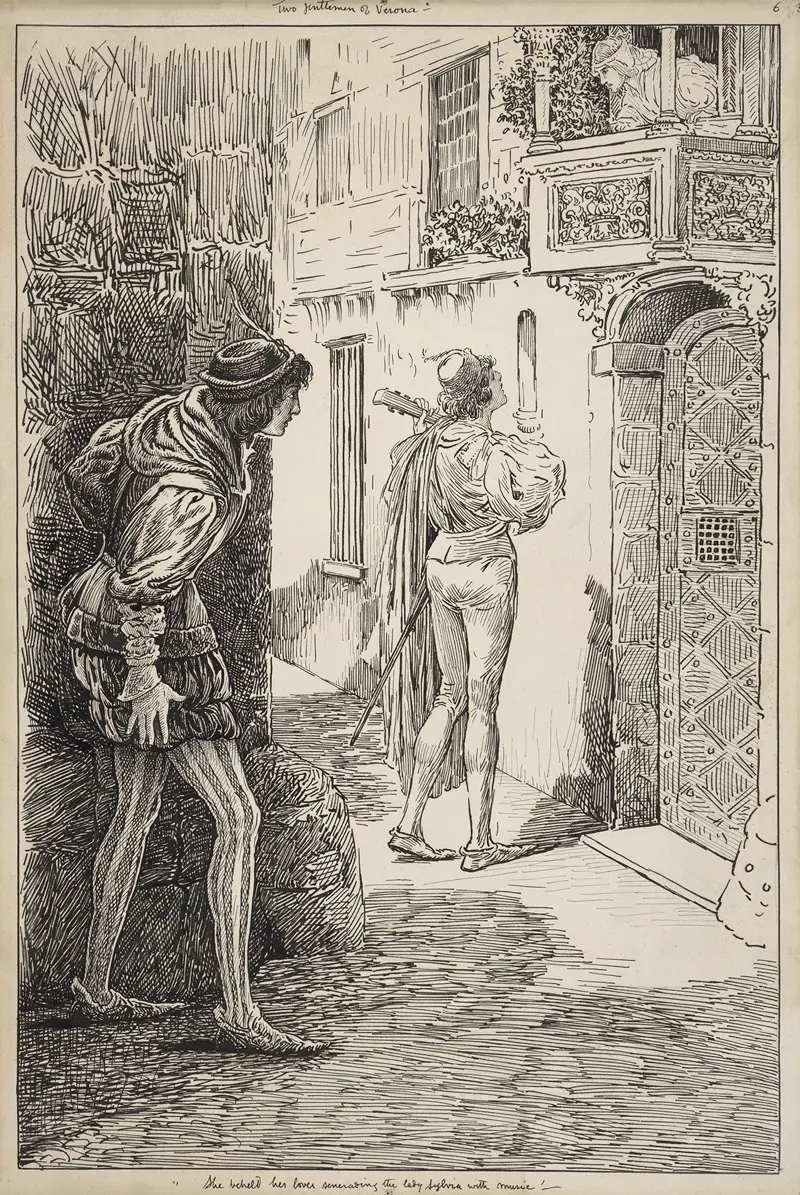
Two gentlemen of Verona. She beheld her lover serenading the Lady Silvia with music
Louis Rhead
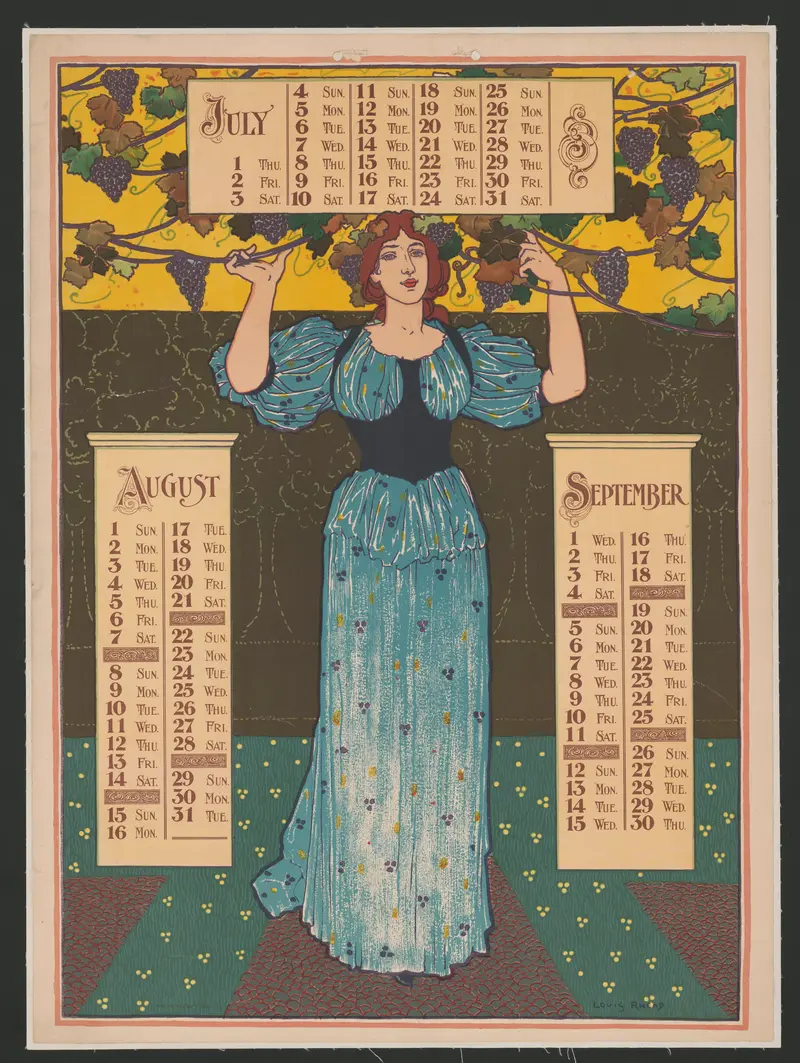
Poster calendar for 1897. July, August , September
Louis Rhead

Century Magazine – Midsummer Holiday Number
Louis Rhead
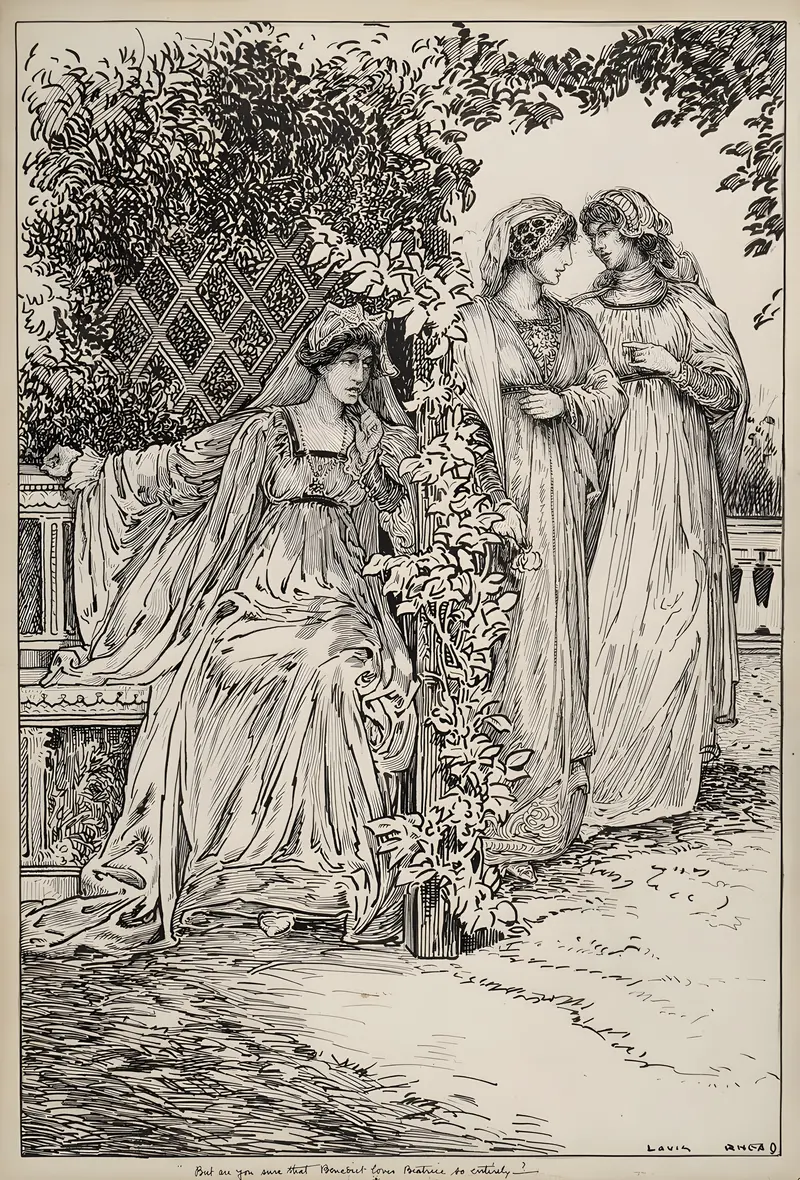
Much ado about nothing. But are you sure that Benedict loves Beatrice so entirely
Louis Rhead
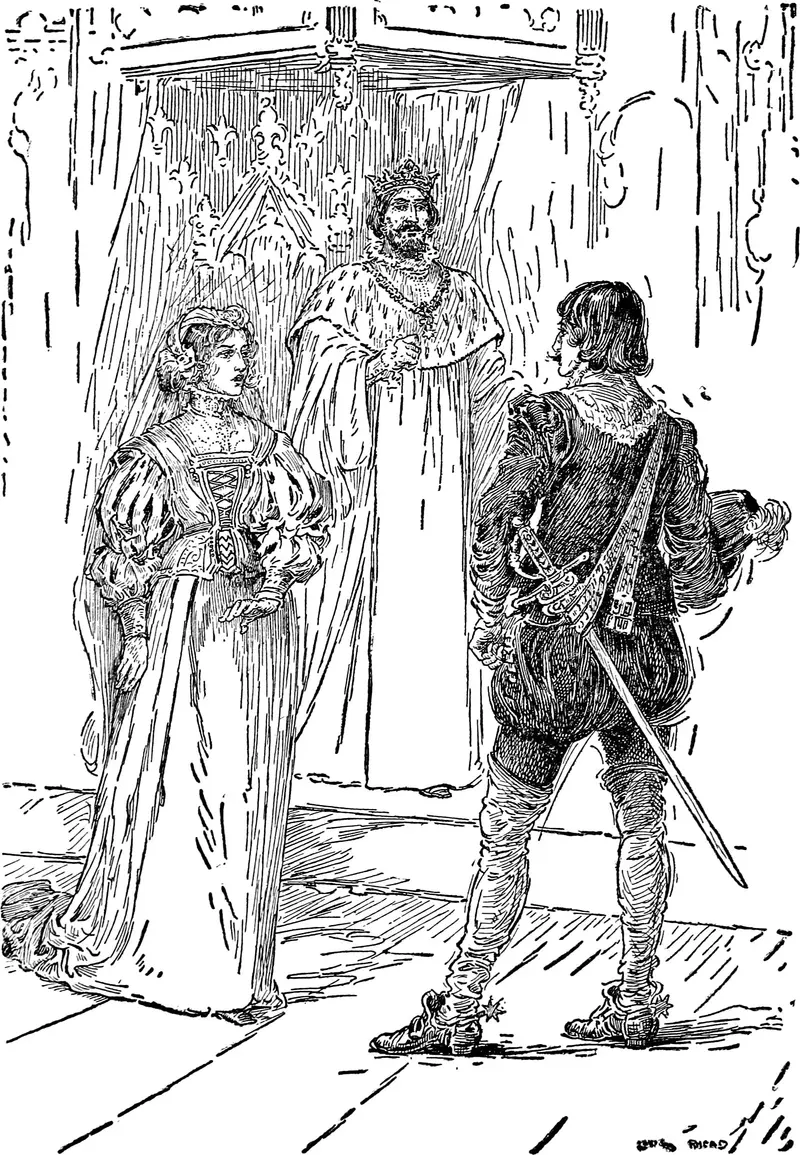
All’s well that ends well. I dare not say, my lord. I take you
Louis Rhead





