
Hara — History & Facts
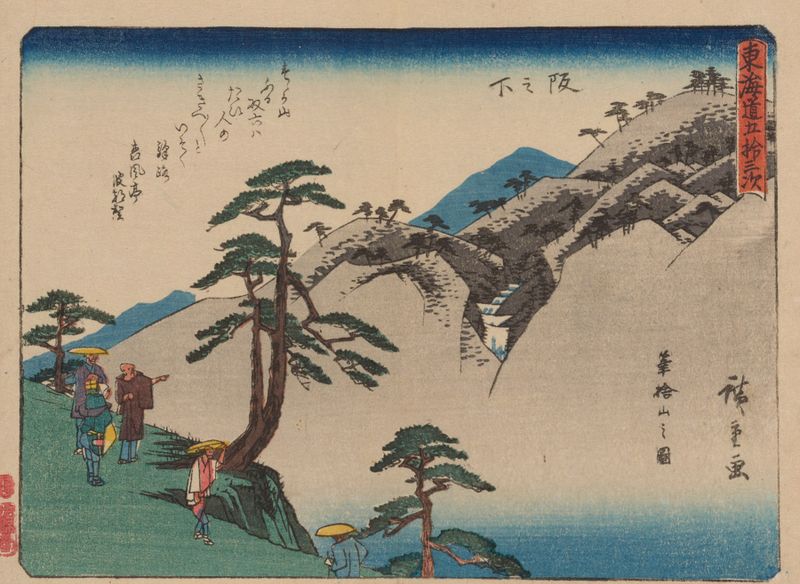
Who listens when art speaks of silence? In Hara, the delicate balance of nature whispers the truths of solitude and reflection, inviting us to ponder the unseen narratives that unfold in tranquil landscapes. Look to the left at the gentle slopes of the low hills, where the rhythm of line and color draws your eye along the undulating form. The muted palette, punctuated by soft greens and dusky blues, evokes a sense of fading light, as if the world is caught in a moment of quiet surrender. Notice how the trees, silhouetted against the horizon, seem to cradle the sky, while the delicate strokes suggest a gentle breeze, creating a breath of life within this serene scene. At its core, Hara encapsulates the tension between human presence and nature's vastness.
The subtle shapes of the hills contrast with the expansive sky, suggesting a dialogue between the earthly and the ethereal. The simplicity of the composition invites contemplation, allowing room for personal interpretation of truth and existence, yet also evokes an underlying melancholy, as if nature is embracing the silence left by those who have passed. Composed in 1855, Hiroshige was deeply engaged in the ukiyo-e tradition, reflecting the beauty of everyday life in Edo-period Japan. During this time, he faced both personal challenges and societal shifts as modernity began to encroach upon traditional aesthetics.
His work brilliantly captures the essence of this transitional period, intertwining the ephemeral beauty of the natural world with the enduring quest for truth.
More Artworks by Utagawa Hiroshige
Browse all →
Sudden Shower over Shin Ohashi Bridge and Atake (Ohashi Atake no yudachi), from the series "One Hundred Famous Views of Edo (Meisho Edo hyakkei)"
Utagawa Hiroshige
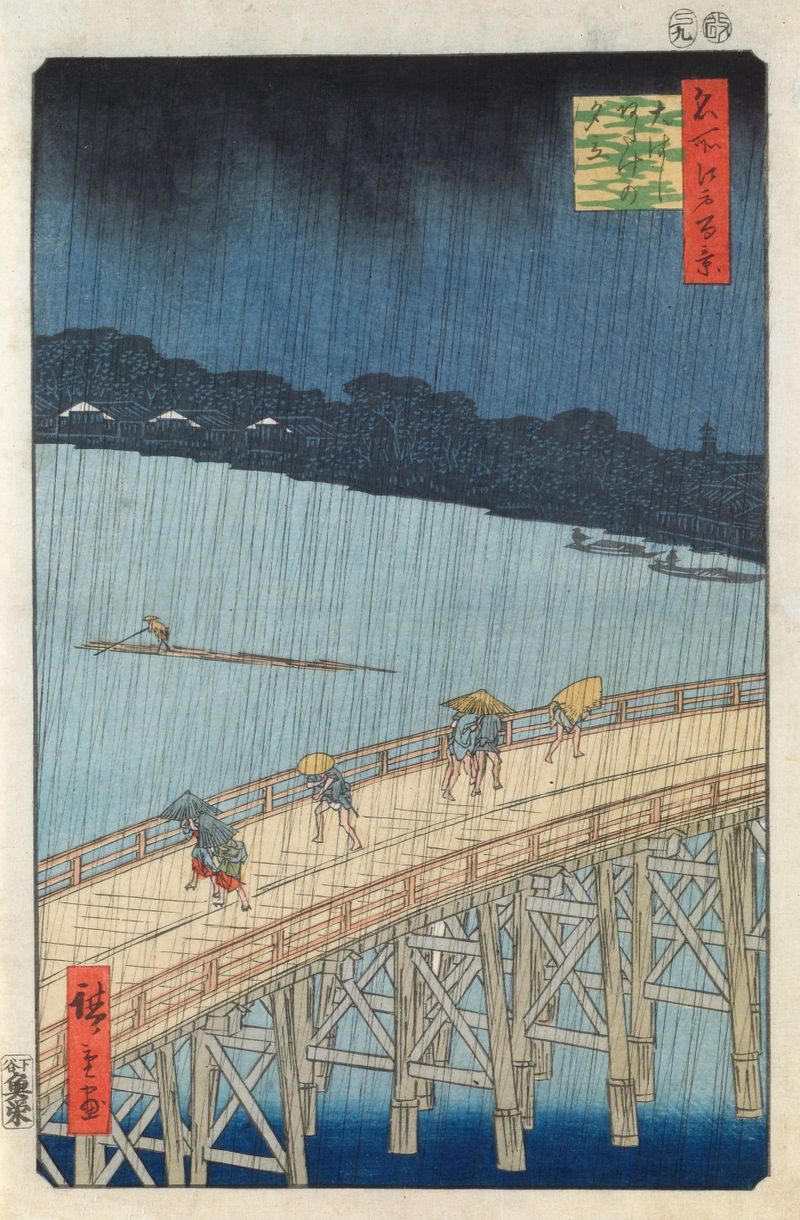
Sudden Shower Over Ohashi Bridge and Atake
Utagawa Hiroshige
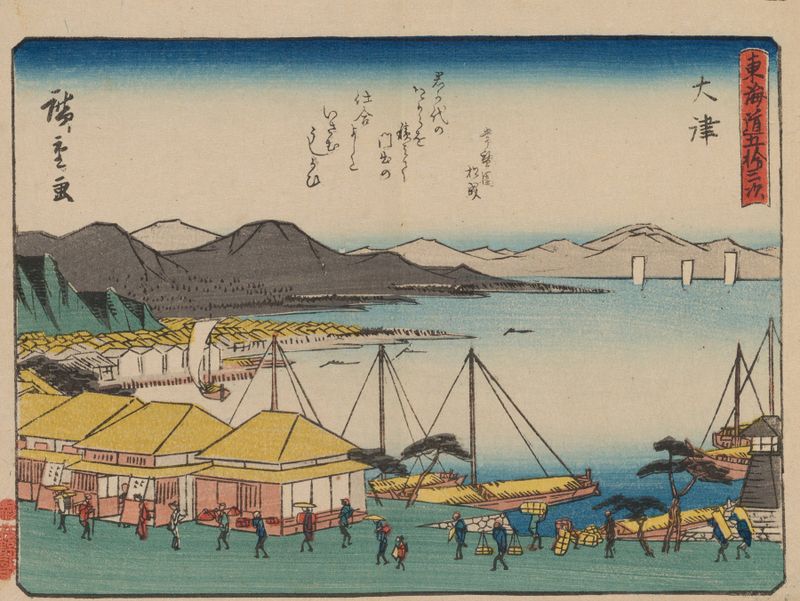
Tokaido gojusantsugi, Pl.54
Utagawa Hiroshige
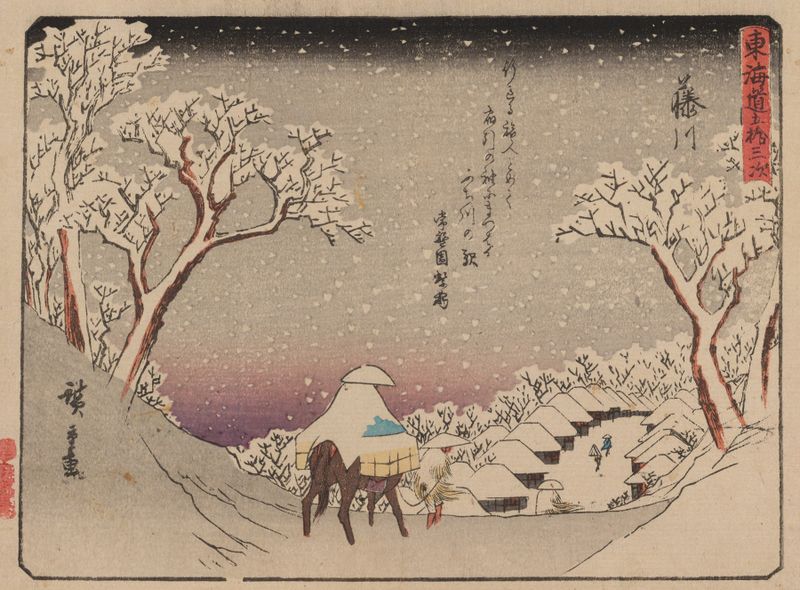
Tokaido gojusantsugi, Pl.38
Utagawa Hiroshige
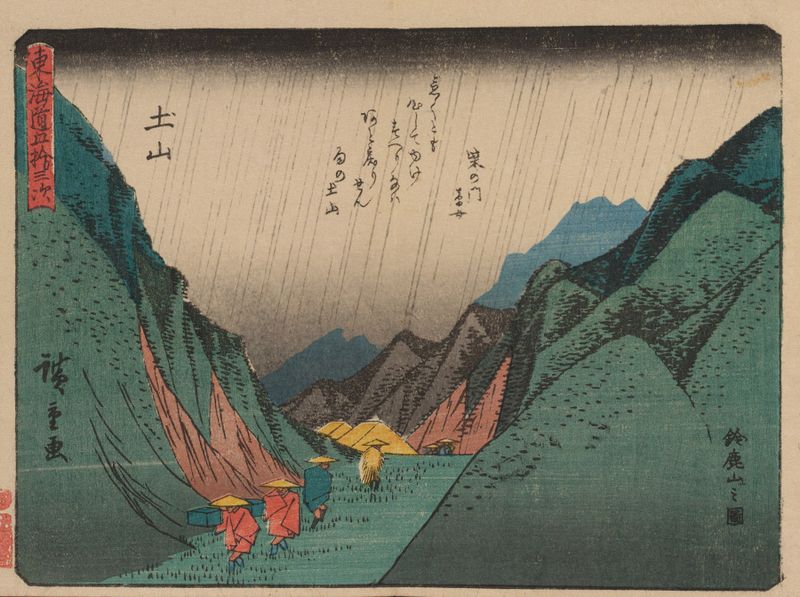
Tokaido gojusantsugi, Pl.50
Utagawa Hiroshige
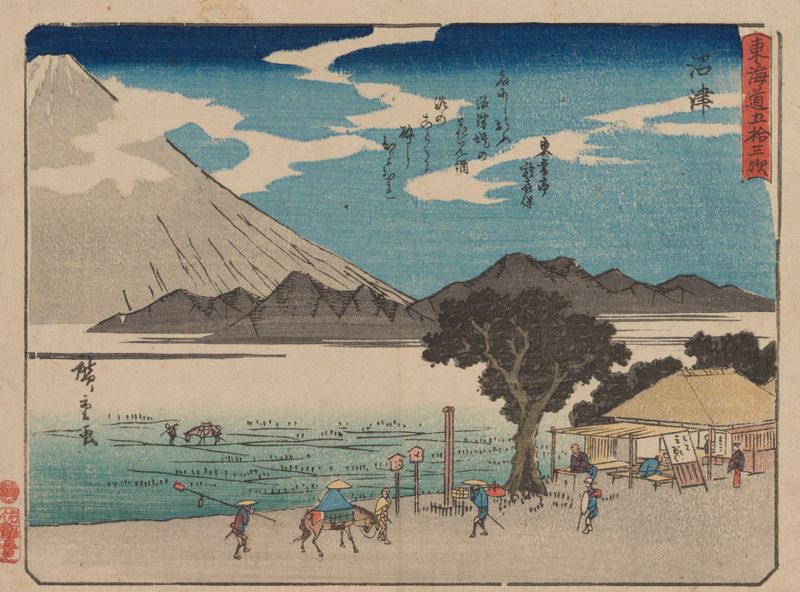
Tokaido gojusantsugi, Pl.13
Utagawa Hiroshige
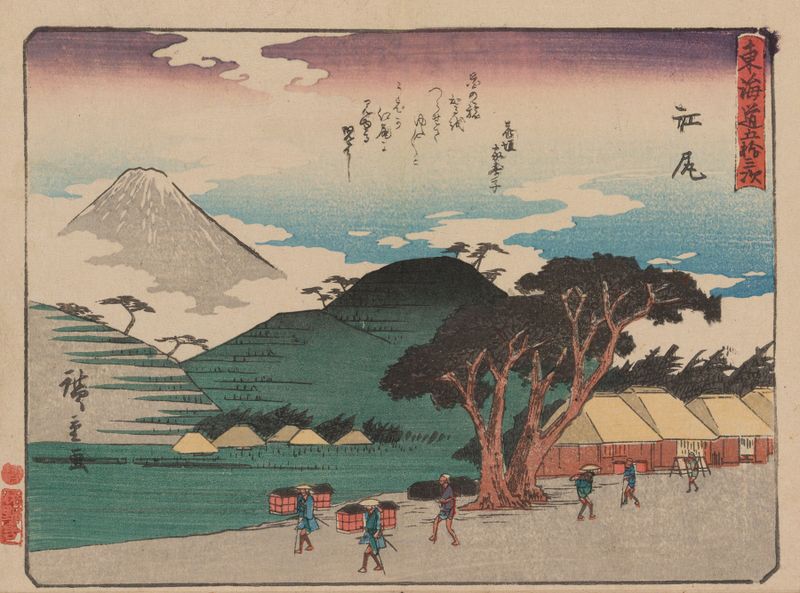
Tokaido gojusantsugi, Pl.19
Utagawa Hiroshige
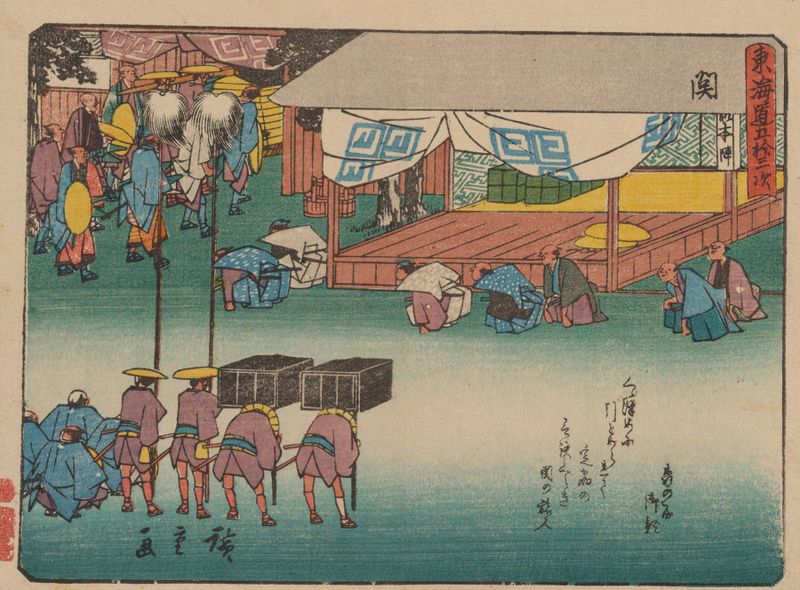
Tokaido gojusantsugi, Pl.48
Utagawa Hiroshige
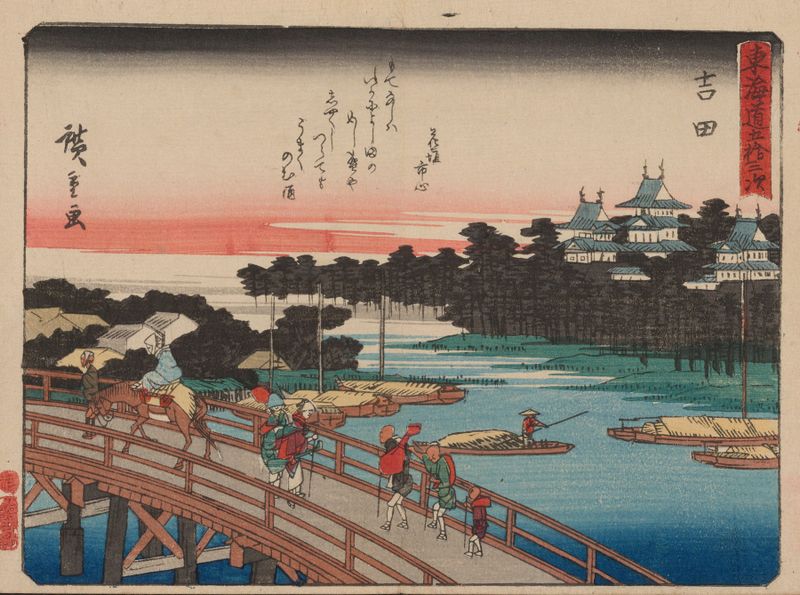
Tokaido gojusantsugi, Pl.35
Utagawa Hiroshige
Tokaido gojusantsugi, Pl.49
Utagawa Hiroshige





