
Hara — History & Facts
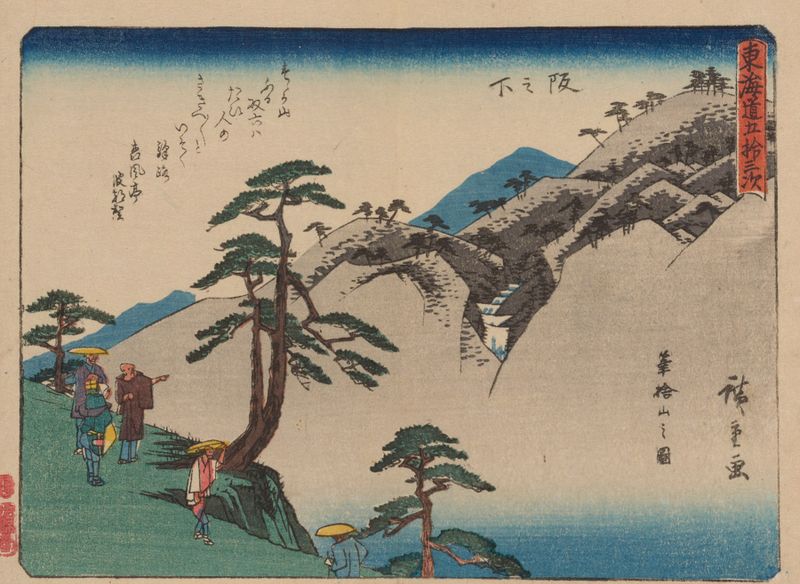
In every brushstroke lies an unspoken yearning, a desire for connection that transcends time and space. Focus first on the tranquil waters that glide across the foreground, their gentle ripples inviting the viewer to lean in closer. Notice how the soft blues and greens blend seamlessly, creating a harmonious balance that encapsulates serenity. To the left, a small boat appears, almost weightless, as it navigates the delicate interplay of light dancing upon the surface.
The composition is masterfully crafted, guiding the eye towards the distant hills, where muted shades of purple and brown suggest a world both familiar and distant. Yet beneath this serene facade lies a richer tapestry of emotion. The juxtaposition of the calm water and the distant mountains evokes a tension between longing and fulfillment, hinting at dreams just out of reach. The figures in the boat, though small and seemingly insignificant, symbolize the universal quest for connection amidst the vastness of nature.
This delicate balance between the intimate and the expansive reveals a profound narrative of desire that resonates deeply within us. Utagawa Hiroshige painted Hara between 1841 and 1842 during a period of great artistic innovation in Japan. As a leading figure of the ukiyo-e movement, he was focused on capturing the beauty of landscapes and everyday life. Hiroshige's work emerged in a time when traditional art forms were evolving, reflecting both the changing dynamics of Japanese society and his own pursuit of artistic perfection.
This piece stands as a testament to his ability to convey deep emotions through the simplicity of natural beauty.
More Artworks by Utagawa Hiroshige
Browse all →
Sudden Shower over Shin Ohashi Bridge and Atake (Ohashi Atake no yudachi), from the series "One Hundred Famous Views of Edo (Meisho Edo hyakkei)"
Utagawa Hiroshige
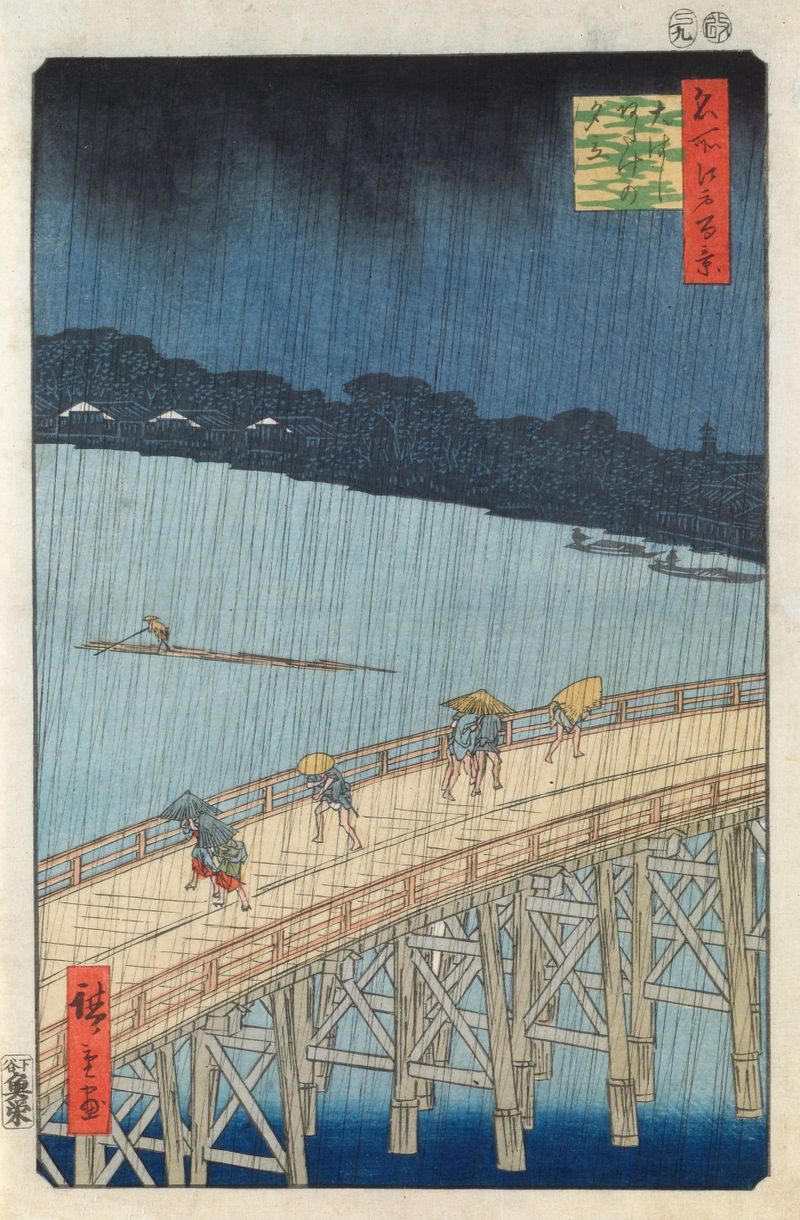
Sudden Shower Over Ohashi Bridge and Atake
Utagawa Hiroshige
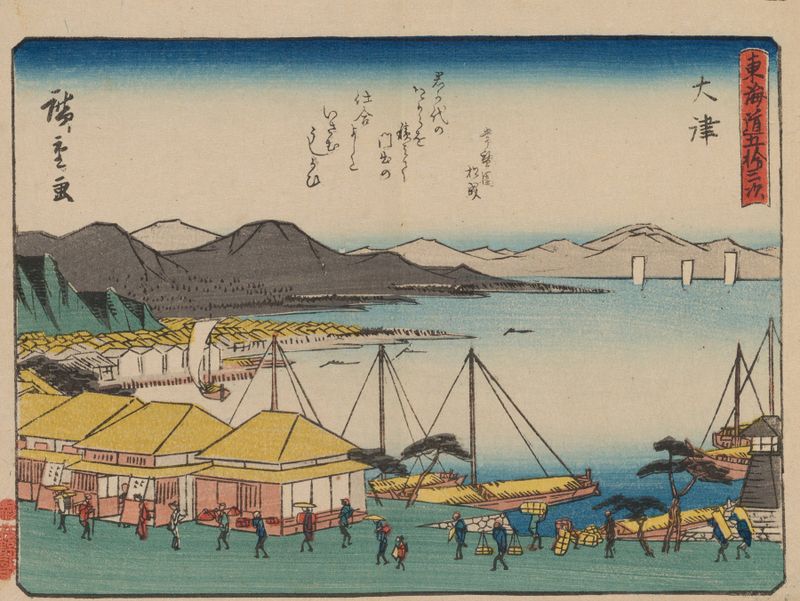
Tokaido gojusantsugi, Pl.54
Utagawa Hiroshige
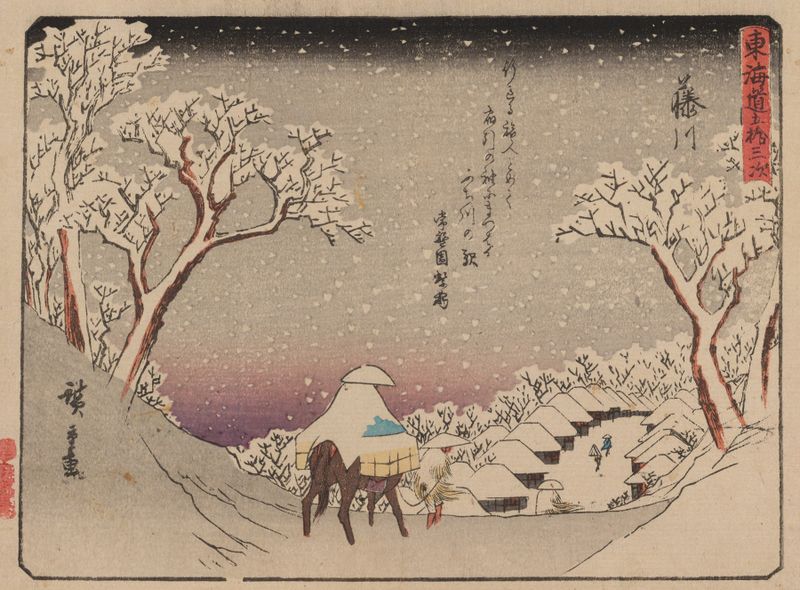
Tokaido gojusantsugi, Pl.38
Utagawa Hiroshige
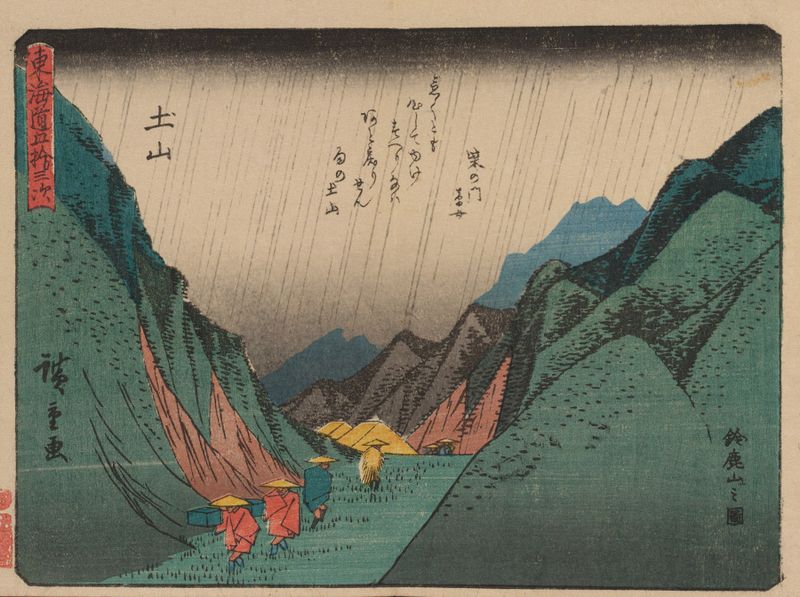
Tokaido gojusantsugi, Pl.50
Utagawa Hiroshige
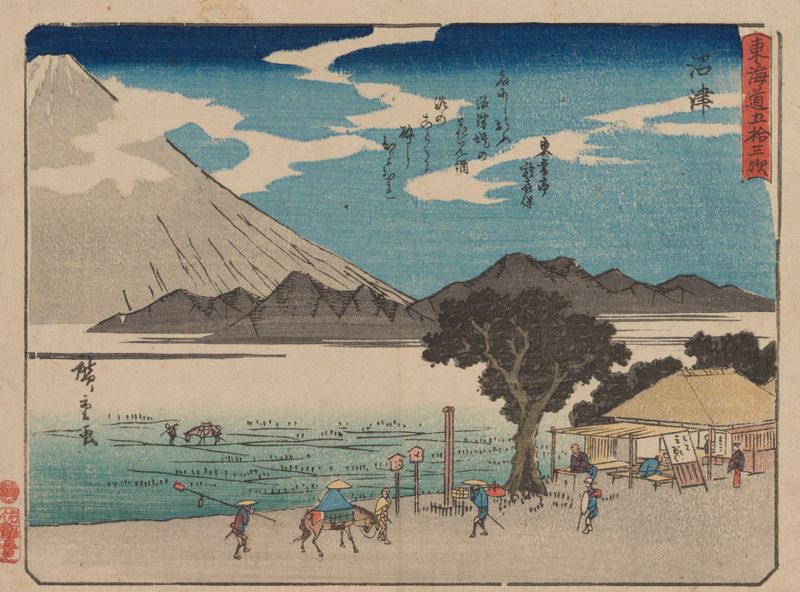
Tokaido gojusantsugi, Pl.13
Utagawa Hiroshige
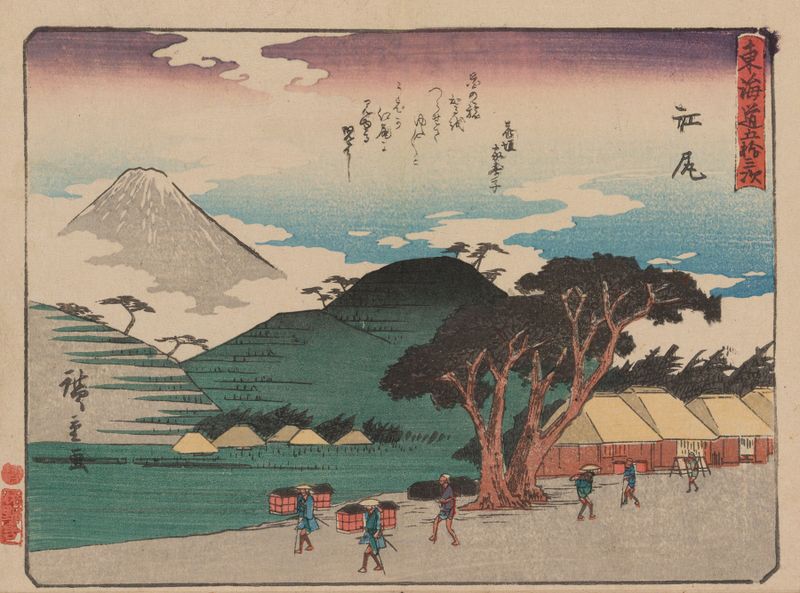
Tokaido gojusantsugi, Pl.19
Utagawa Hiroshige
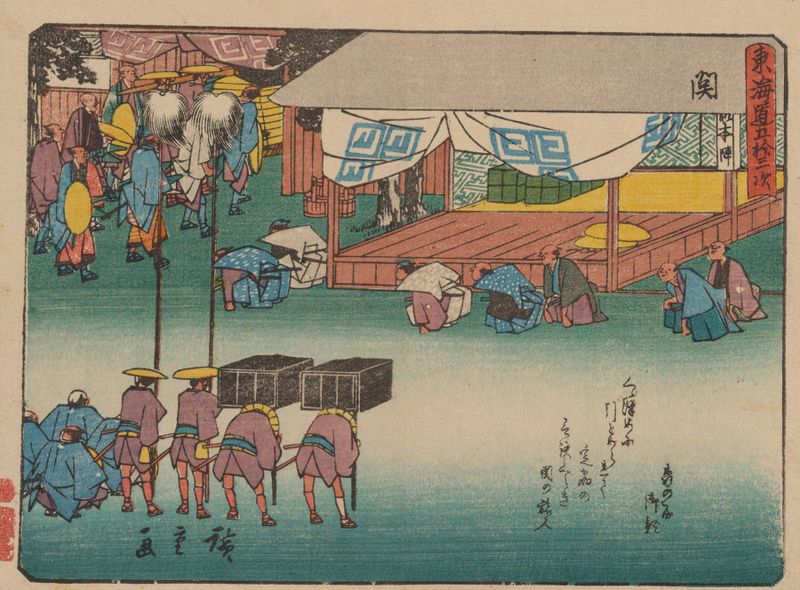
Tokaido gojusantsugi, Pl.48
Utagawa Hiroshige
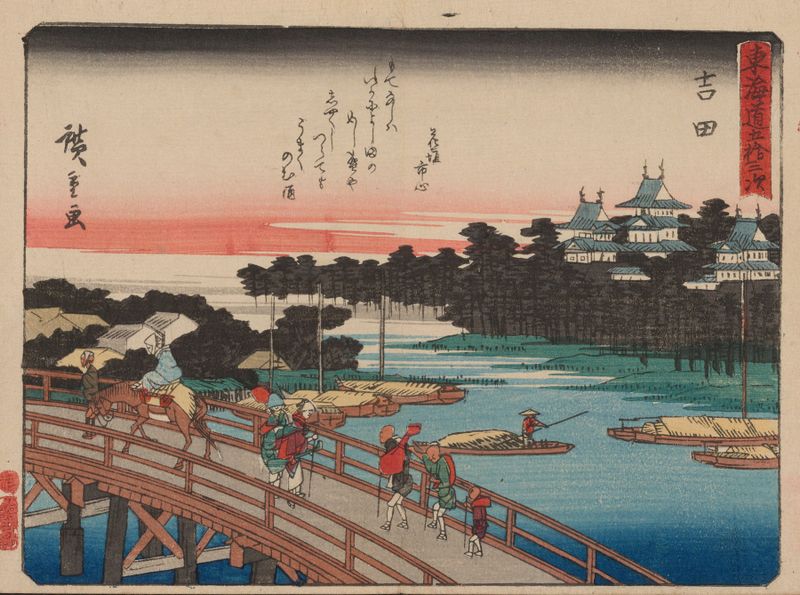
Tokaido gojusantsugi, Pl.35
Utagawa Hiroshige
Tokaido gojusantsugi, Pl.49
Utagawa Hiroshige





