Haslital — History & Facts
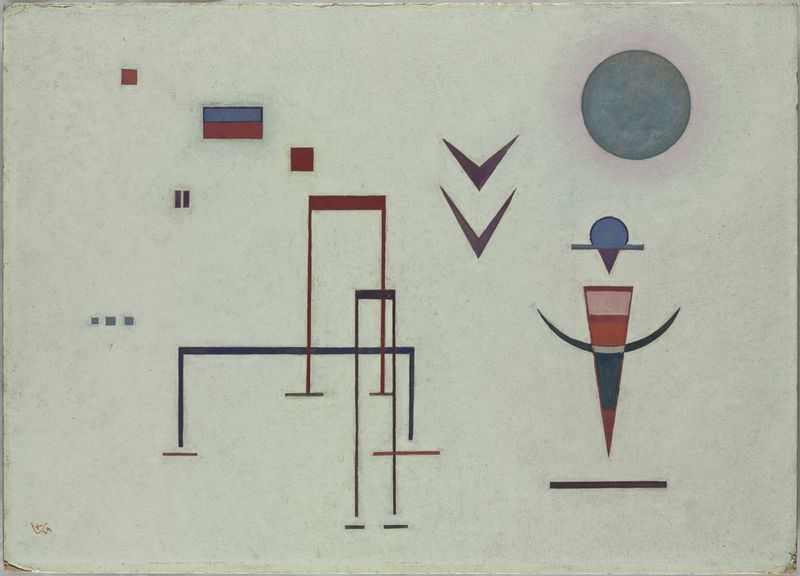
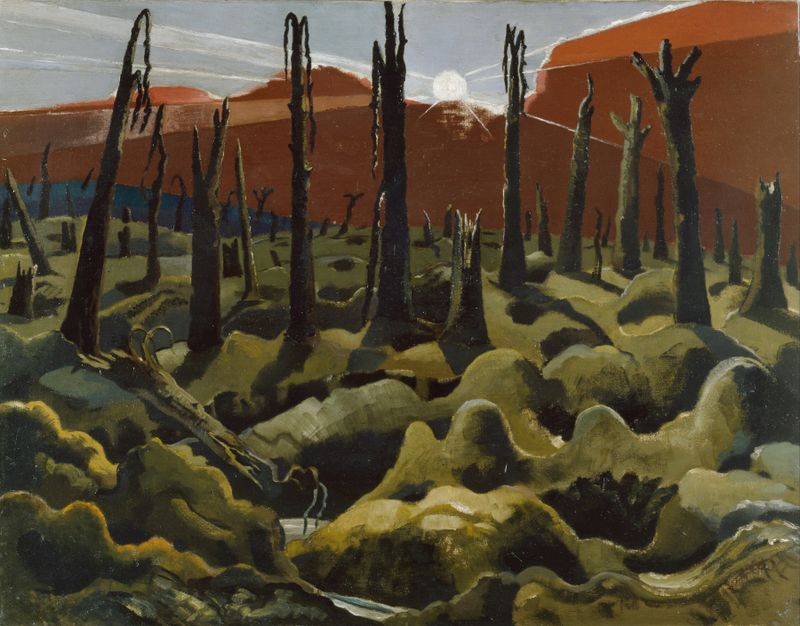
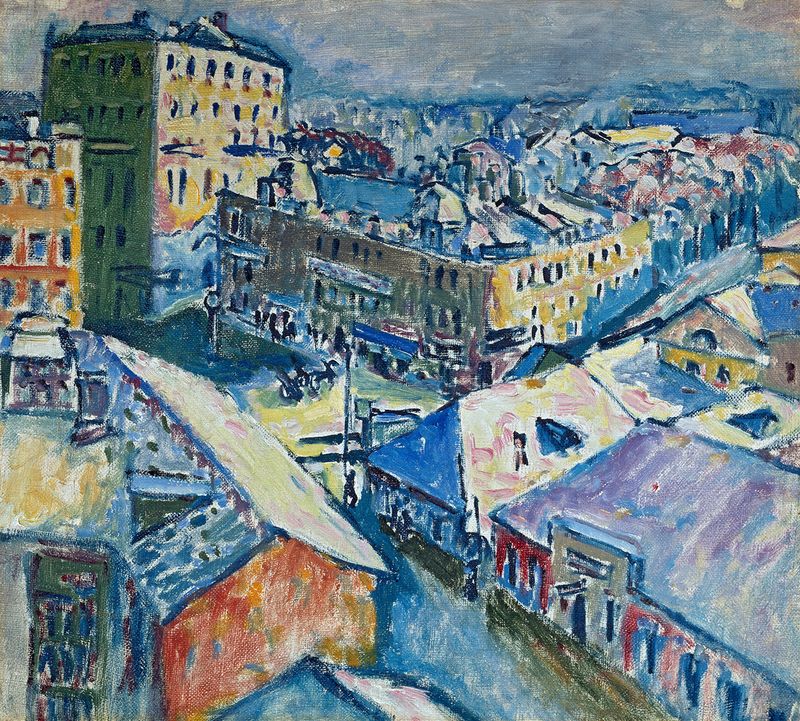
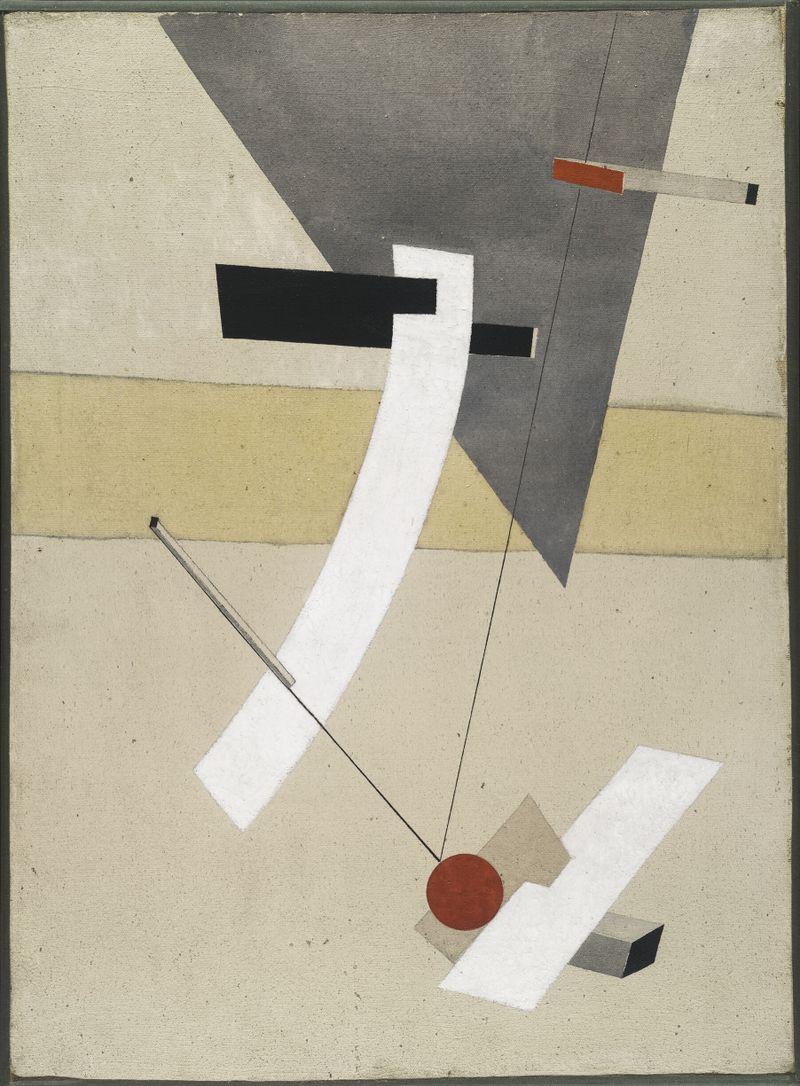
In the fleeting brushstrokes and layered textures of this painting, mortality dances with the ephemeral, whispering the fragility of existence. The interplay of color and form evokes a sense of the inevitable passage of time, urging contemplation of our own brief moments in the grand tapestry of life. Look to the center of the canvas, where swirling strokes create a vibrant whirlpool of color. The hues mingle—deep blues and fiery oranges—drawing the eye into a captivating vortex that feels alive.
Notice how the light plays across the surface, illuminating spots of white that punctuate the chaos, suggesting the presence of hope amidst turmoil. The composition teeters between abstraction and representation, allowing for multiple interpretations, yet firmly rooting the viewer in the raw emotion of the scene. Hidden beneath the surface lies a poignant dialogue between creation and destruction. Each brushstroke resonates with the heartbeat of a world on the brink, reflecting a tension between the beauty of nature and the encroach of human conflict.
The chaotic assembly hints at the artist's grappling with mortality, as the vibrant colors clash, suggesting the frenetic energy of life that ultimately yields to stillness. This contrast invites viewers to ponder the transient nature of joy and sorrow, intertwined yet distinct. Friedrich Rosenberg created this work between 1915 and 1945, a period marked by turmoil in Europe, including the impact of two world wars. Living through such upheaval, he sought to express the complexities of human emotion and existence.
As modern art movements flourished around him, Rosenberg carved out his unique voice, exploring themes of mortality and resilience through innovative techniques that would resonate long after his time.
More Artworks by Friedrich Rosenberg
Browse all →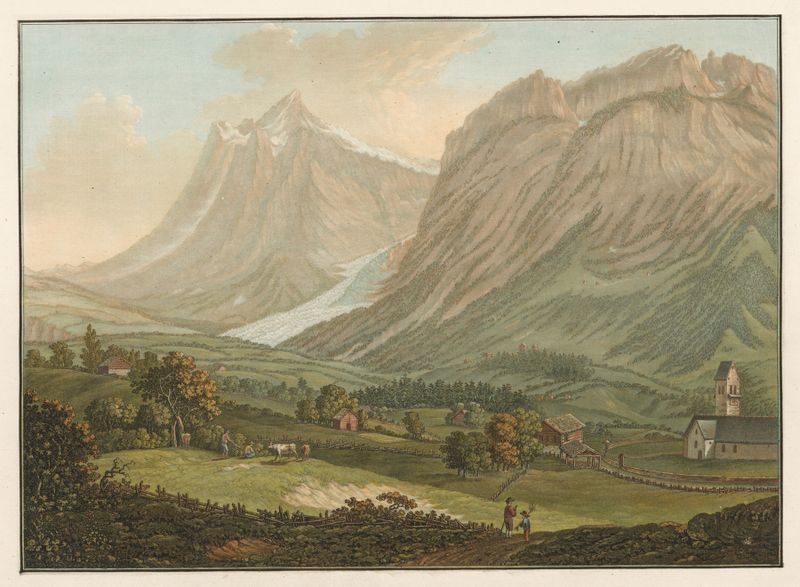
Glacier superieur de la Vallée du Grindelwald dans le Canton de Berne
Friedrich Rosenberg
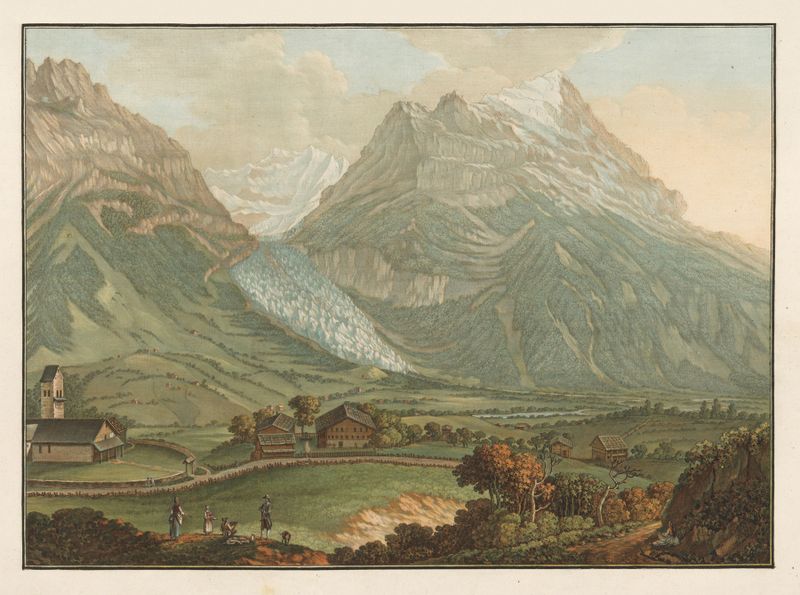
Glacier inferieur de la Vallée du Grindelwald dans le Canton de Berne
Friedrich Rosenberg
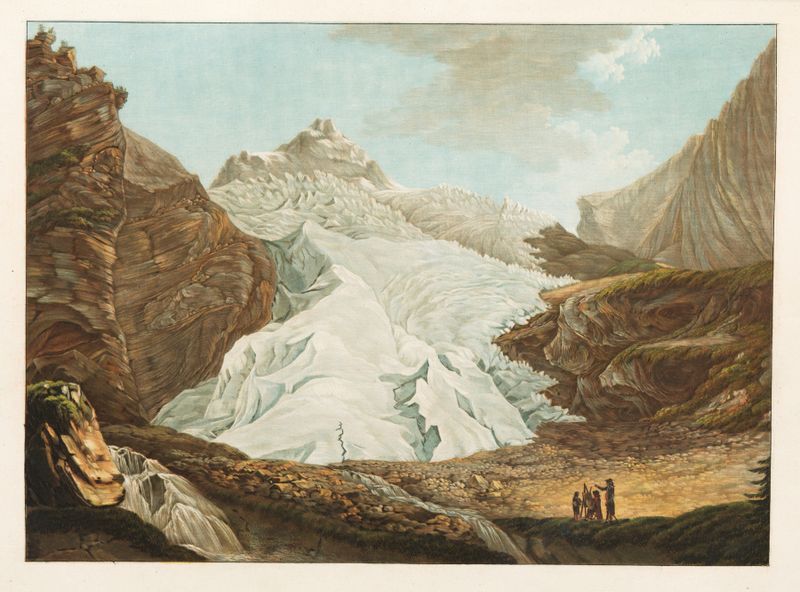
Glacier de Rosenlaui dans le pays de Hasly
Friedrich Rosenberg

Vue du fond de la Vallee du Hasly Canton de Berne
Friedrich Rosenberg

Lac et ville de Thun, avec la rivière de l’Aar, prise à Vue d’Oiseau- de la Terrasse du Chateau
Friedrich Rosenberg
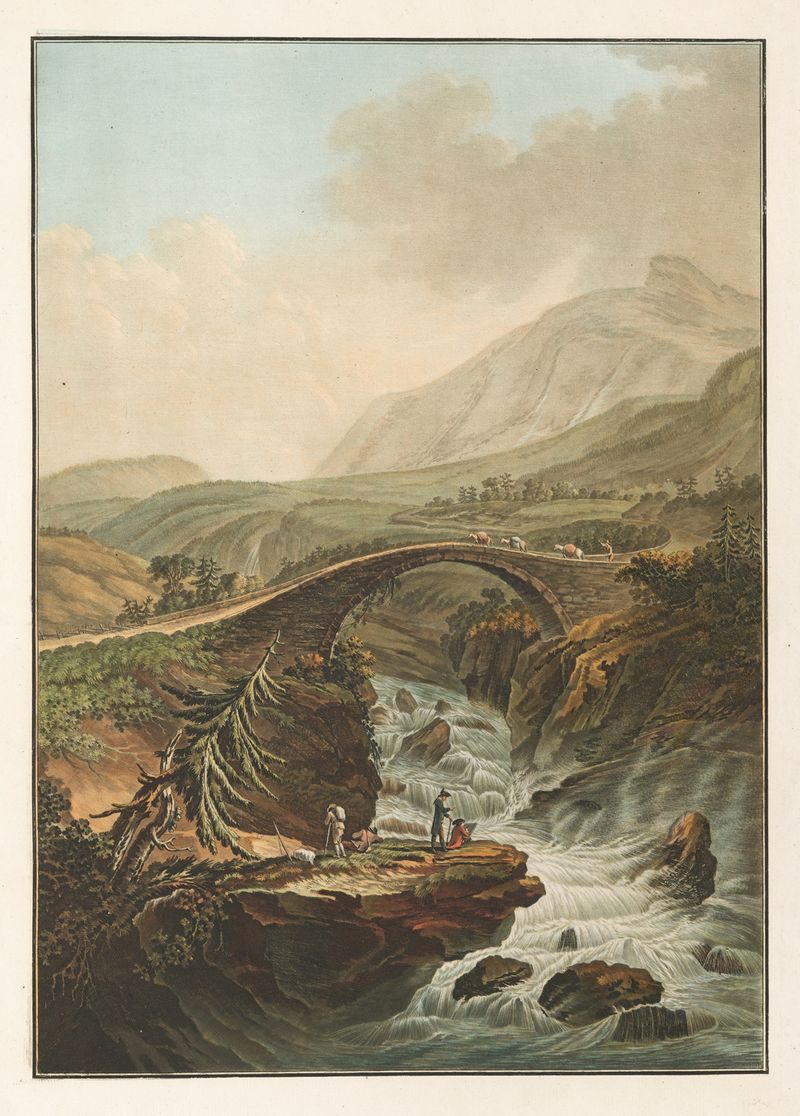
Vue d’un pont sur l’Aar Canton de Berne
Friedrich Rosenberg
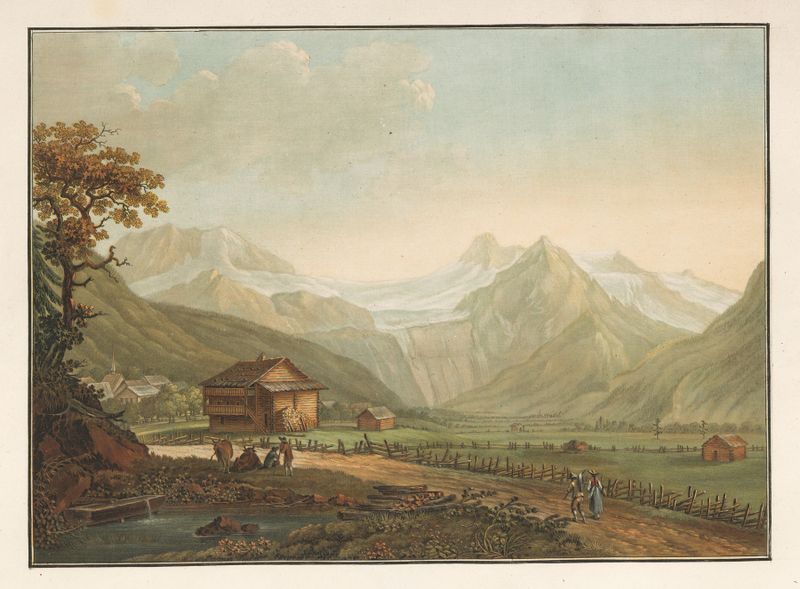
Vallon de Lenk et glacier du Ratzliberg dans le Simmenthal
Friedrich Rosenberg
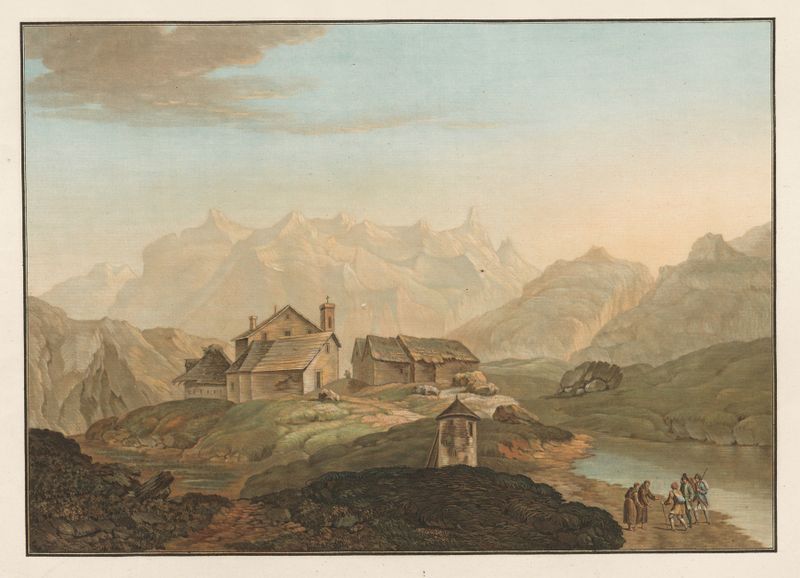
Vue de l’hospice & de la Chapelle des Capucins, au haut du Mont St. Gothard
Friedrich Rosenberg
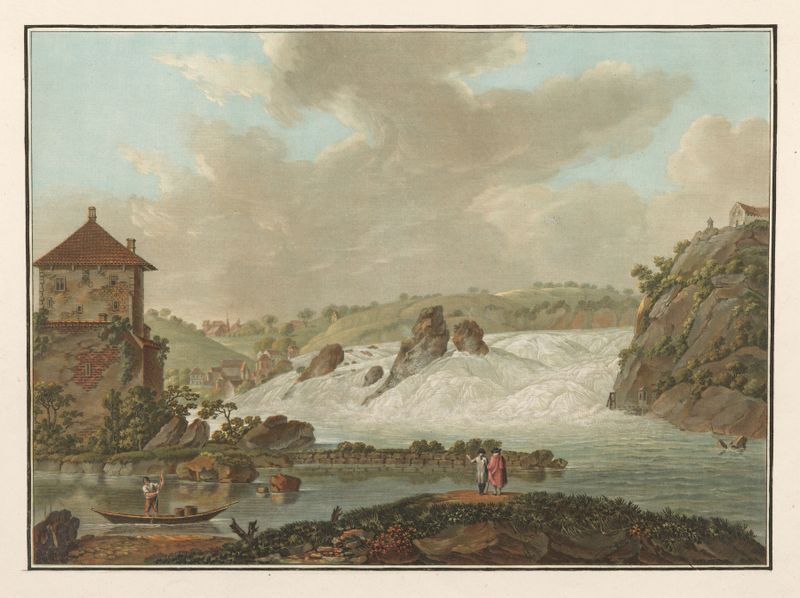
Rheinfall
Friedrich Rosenberg