
Lac et ville de Thun, avec la rivière de l’Aar, prise à Vue d’Oiseau- de la Terrasse du Chateau — History & Facts
Could beauty survive in a century of chaos? As the world teetered on the brink of turmoil, artists sought ways to capture the fleeting moments of harmony amidst the discord. Look to the lower left of the canvas, where the shimmering waters of Lake Thun stretch out like a mirror, reflecting the tranquil skies above. The artist’s meticulous brushwork draws your eye to the delicate interplay of light and shadow, each stroke revealing the lush greens of the surrounding landscape. Notice how the vibrant hues of the city nestled against the hills contrast with the serene blues of the river Aare, creating an illusion of depth that invites the viewer into this charming vista. Hidden within this idyllic scene are layers of complexity.
The juxtaposition of nature and human life suggests a fragile balance, where the beauty of the landscape is a reminder of what is at stake in a world filled with uncertainty. The winding river, both inviting and elusive, symbolizes the passage of time, hinting at the changes that both nature and civilization must face. This juxtaposition not only captures the allure of Thun but also echoes a deeper commentary on fate and resilience. During the tumultuous years between 1915 and 1945, Friedrich Rosenberg created this work while navigating the changing art world, influenced by the rise of modernism and the horrors of World War I and II.
Living in a time when traditional values and aesthetics were being challenged, he sought refuge in the beauty of landscapes. His artwork stands as a testament to the enduring power of nature, even amidst the chaos surrounding him.
More Artworks by Friedrich Rosenberg
Browse all →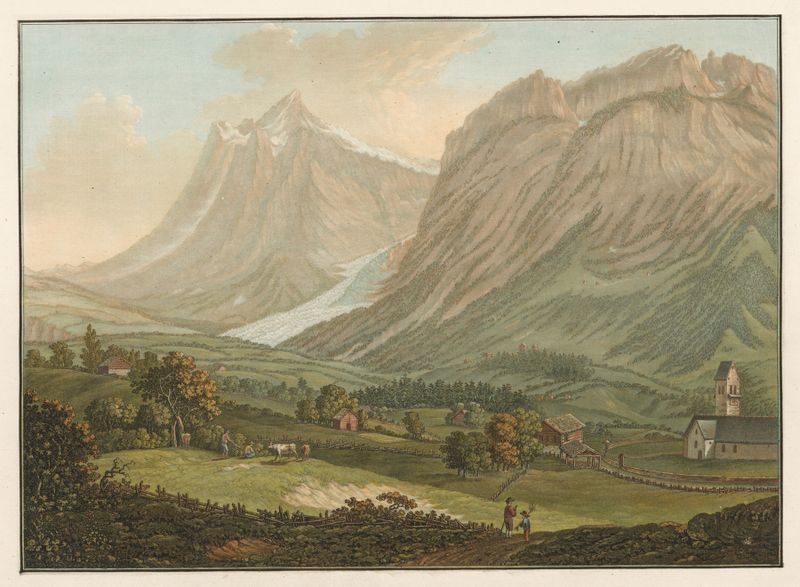
Glacier superieur de la Vallée du Grindelwald dans le Canton de Berne
Friedrich Rosenberg
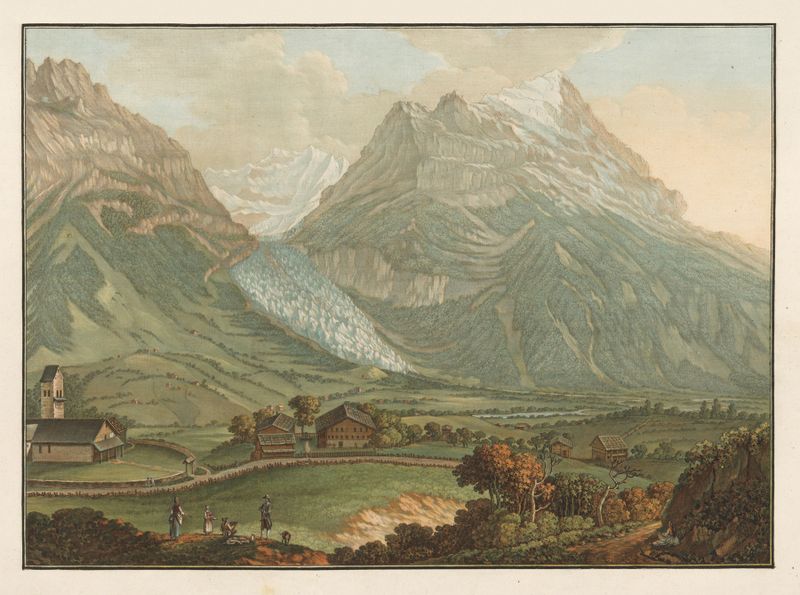
Glacier inferieur de la Vallée du Grindelwald dans le Canton de Berne
Friedrich Rosenberg
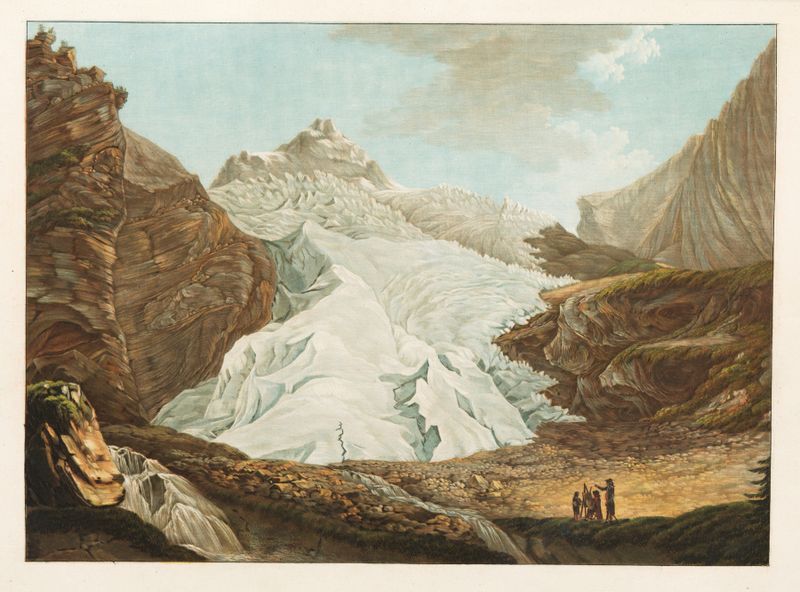
Glacier de Rosenlaui dans le pays de Hasly
Friedrich Rosenberg

Vue du fond de la Vallee du Hasly Canton de Berne
Friedrich Rosenberg
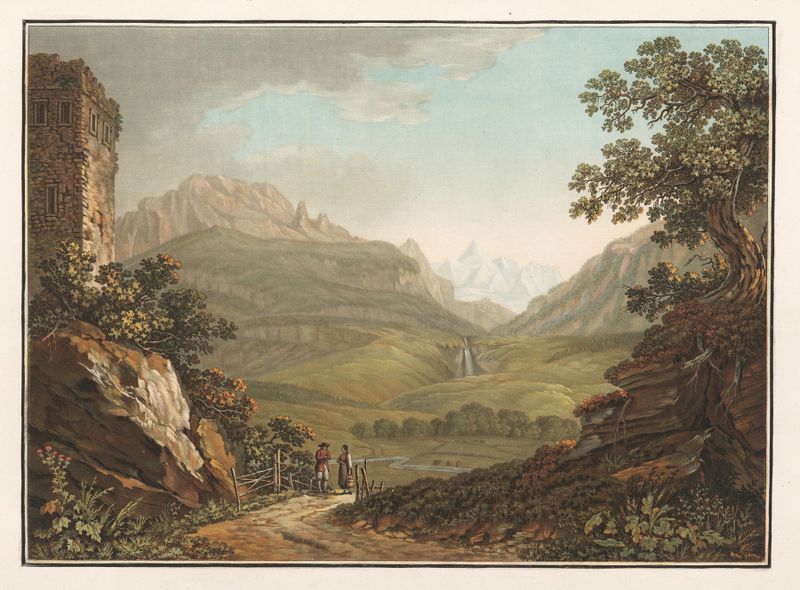
Haslital
Friedrich Rosenberg
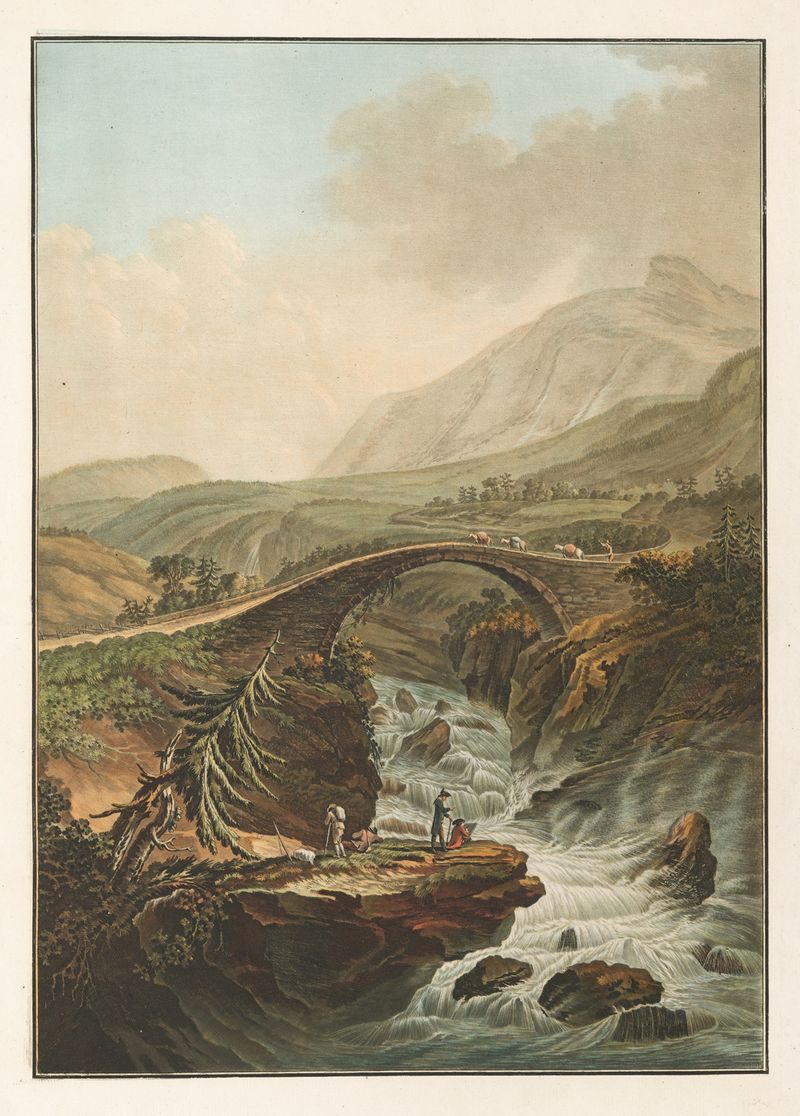
Vue d’un pont sur l’Aar Canton de Berne
Friedrich Rosenberg
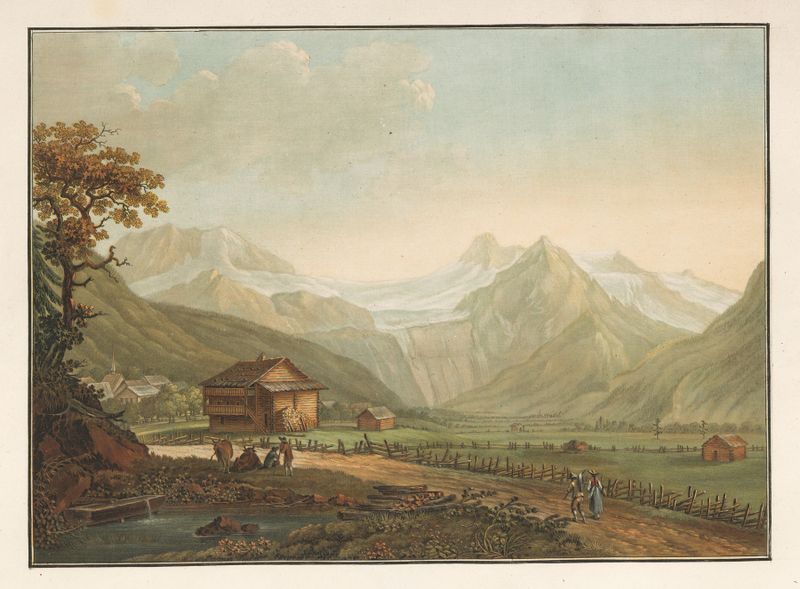
Vallon de Lenk et glacier du Ratzliberg dans le Simmenthal
Friedrich Rosenberg
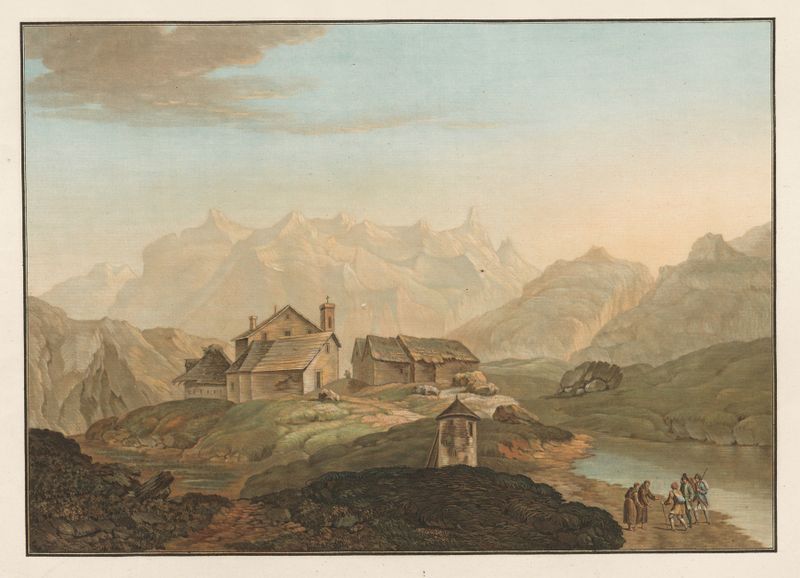
Vue de l’hospice & de la Chapelle des Capucins, au haut du Mont St. Gothard
Friedrich Rosenberg
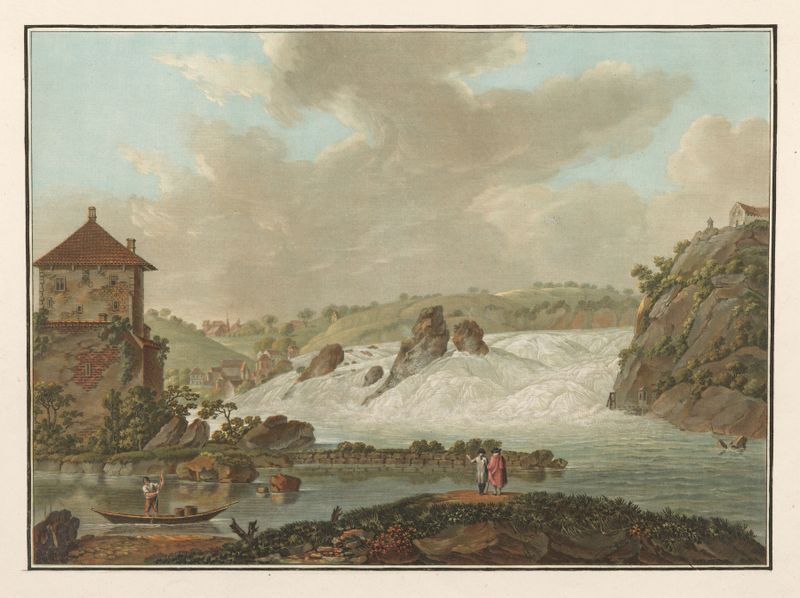
Rheinfall
Friedrich Rosenberg





