
Rheinfall — History & Facts
Did the painter know this moment would outlive them? In Rheinfall, the tumultuous waters cascade with an intensity that speaks to the collective faith in nature’s enduring power, even amid human struggle. Look to the foreground where the frothy water crashes against the rocks, sending plumes of mist into the air. The artist's careful brushstrokes create a sense of movement, drawing the viewer into the sheer force of the waterfall. Notice the palette; rich greens and earthy browns dominate, grounding the scene, while the silvery blues of the water shimmer with life.
This harmonious blend of colors evokes both tranquility and chaos, inviting reflection on the balance of force and peace within nature. Beyond the surface, the painting encapsulates a deeper emotional tension — the juxtaposition of transient human existence against the eternal flow of the river. The tumult of the waterfall symbolizes both despair and hope, reflecting the struggles faced by humanity during the tumultuous years of the early 20th century. Each droplet carries stories of those who have come before, urging the viewer to contemplate the weight of faith in the face of uncertainty. Friedrich Rosenberg painted Rheinfall during a time when Europe was engulfed in the turmoil of two World Wars.
Living in Germany from 1915 to 1945, he faced personal and societal upheaval, which influenced his artistic perspective. This period was marked by significant developments in the art world, where traditional techniques met modernist sentiments, shaping his unique representation of nature as both a refuge and a relentless force.
More Artworks by Friedrich Rosenberg
Browse all →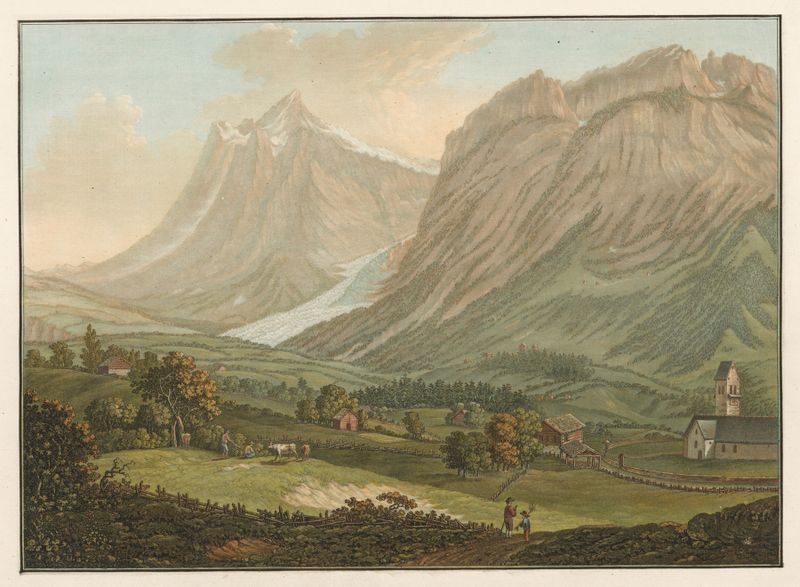
Glacier superieur de la Vallée du Grindelwald dans le Canton de Berne
Friedrich Rosenberg
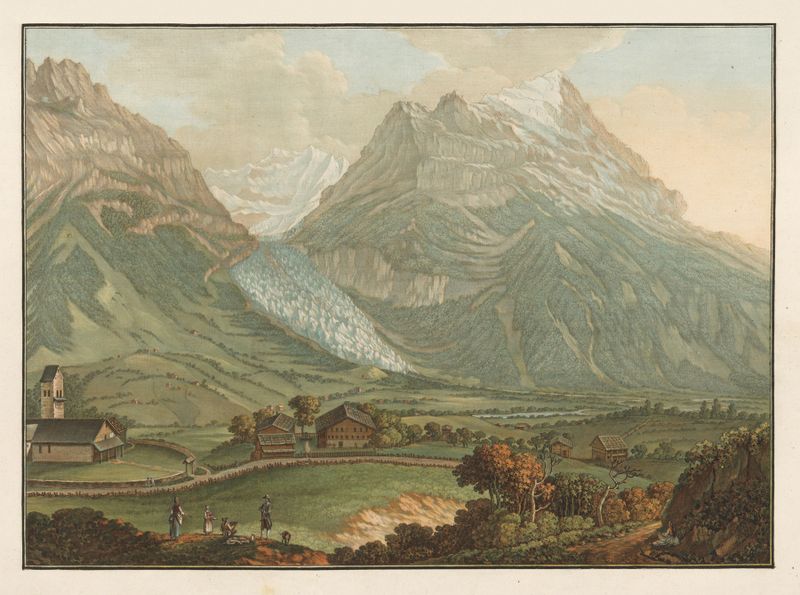
Glacier inferieur de la Vallée du Grindelwald dans le Canton de Berne
Friedrich Rosenberg
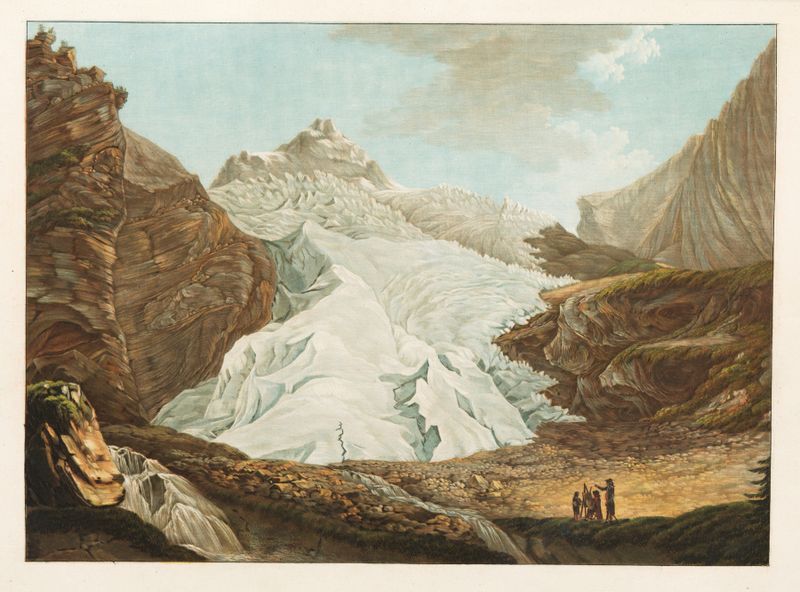
Glacier de Rosenlaui dans le pays de Hasly
Friedrich Rosenberg

Vue du fond de la Vallee du Hasly Canton de Berne
Friedrich Rosenberg
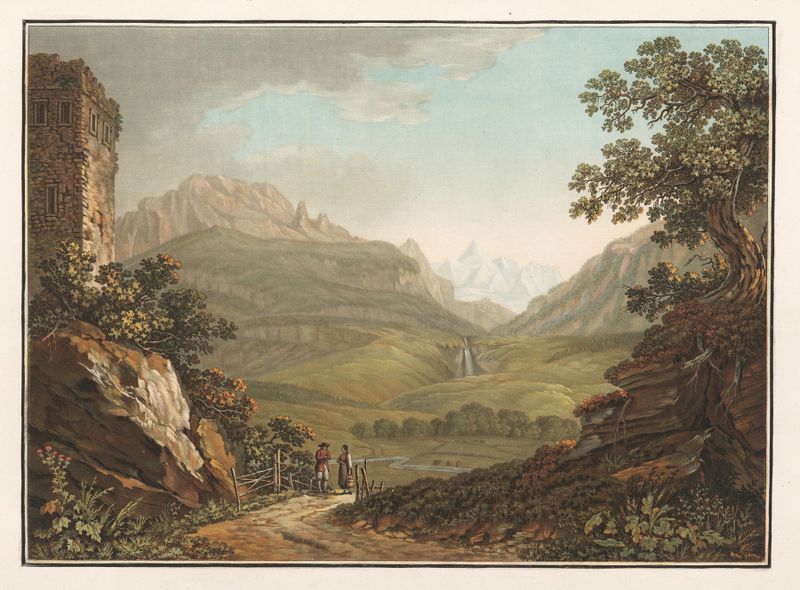
Haslital
Friedrich Rosenberg

Lac et ville de Thun, avec la rivière de l’Aar, prise à Vue d’Oiseau- de la Terrasse du Chateau
Friedrich Rosenberg
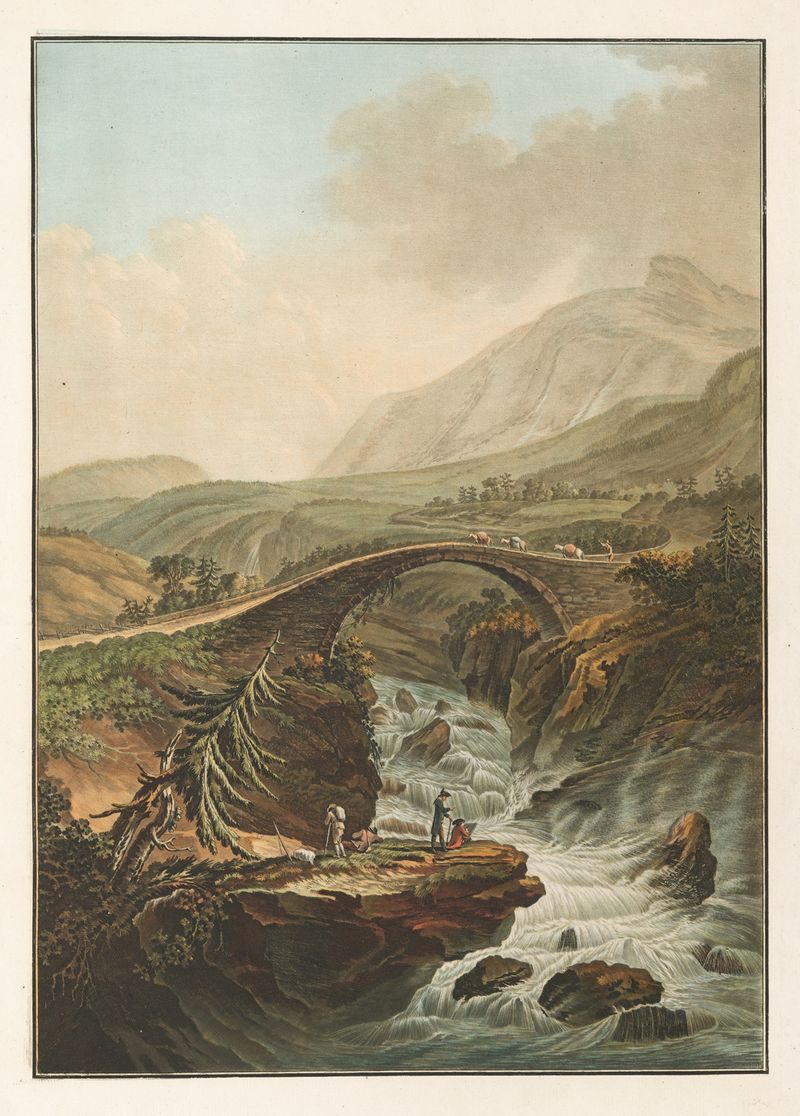
Vue d’un pont sur l’Aar Canton de Berne
Friedrich Rosenberg
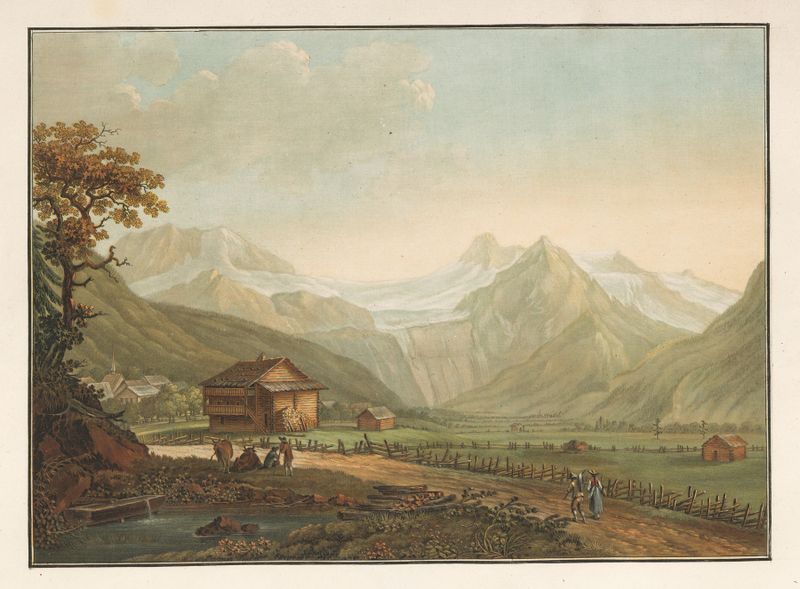
Vallon de Lenk et glacier du Ratzliberg dans le Simmenthal
Friedrich Rosenberg
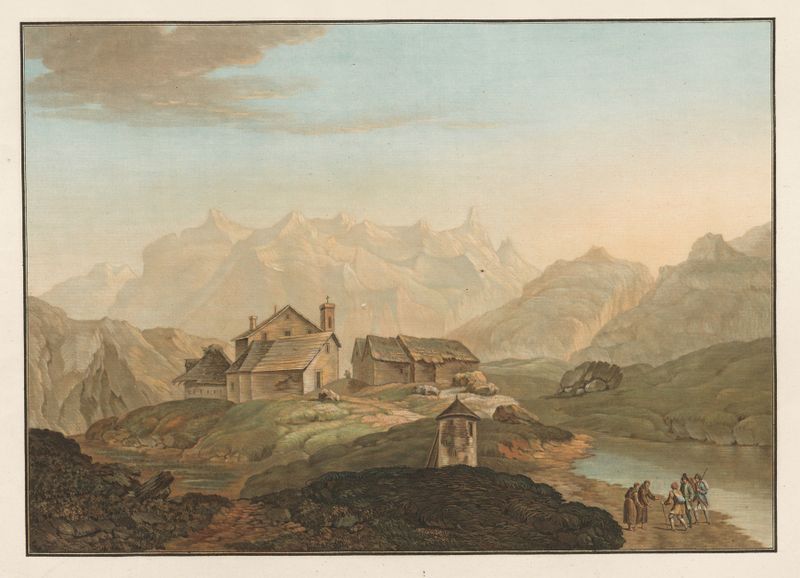
Vue de l’hospice & de la Chapelle des Capucins, au haut du Mont St. Gothard
Friedrich Rosenberg





