Hay Wagon — History & Facts
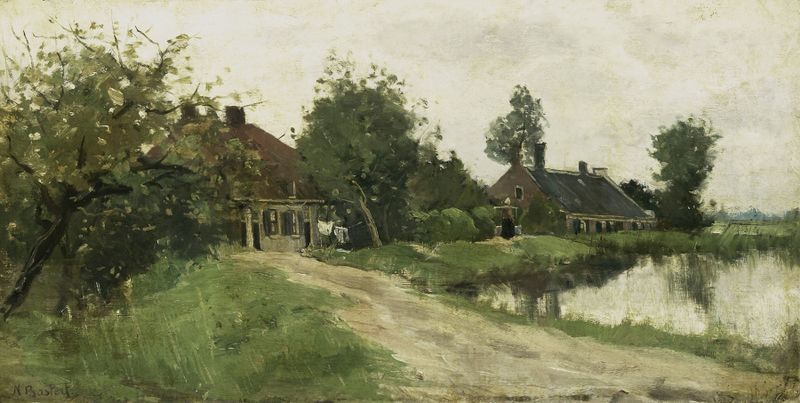
In the gentle embrace of fading light, the simplicity of a hay wagon speaks volumes of the past, carrying with it whispers of betrayal and loss hidden beneath golden layers of straw. Look closely at the interplay of warm ochres and subtle greens in the foreground; they beckon your gaze toward the intricately woven textures of hay. The wagon, positioned slightly off-center, creates a tension that drives the eye across the canvas, revealing the careful brushwork that suggests movement and life. Notice how the shadows stretch languidly, hinting at the day’s end, while a soft light lingers, illuminating the wheel's weathered surface, inviting contemplation. Yet, beneath the surface lies a depth of emotional conflict—the sturdy wagon, often a symbol of labor and sustenance, now carries an aura of abandonment.
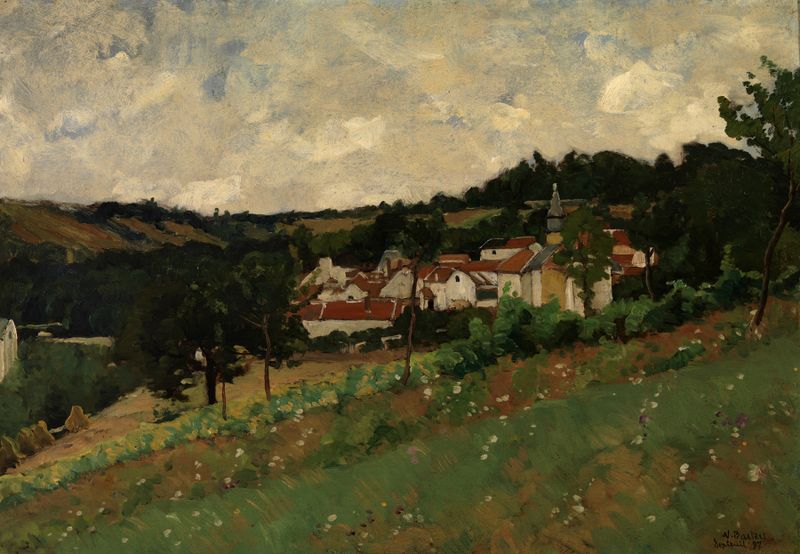
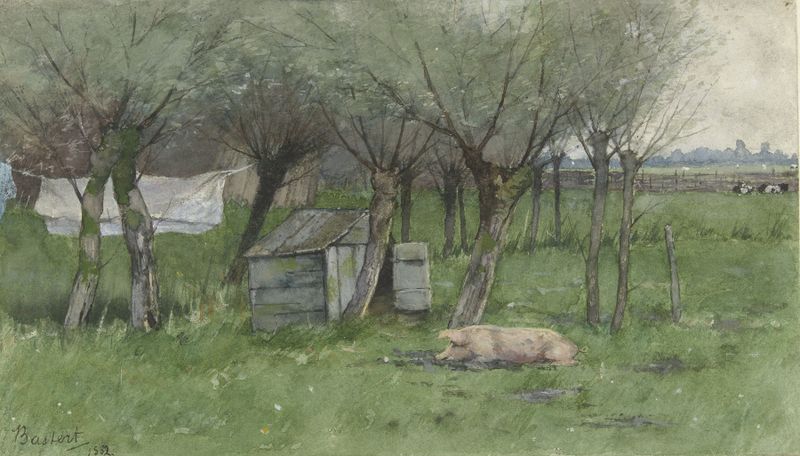
It stands alone, stripped of its purpose, evoking feelings of nostalgia and lingering regret. The landscape, tranquil yet desolate, suggests a wider narrative of forgotten promises and shattered bonds, as if the very air hums with stories of betrayal nestled within the rural expanse. Nicolaas Bastert created this poignant piece during the late 19th and early 20th centuries, a time when post-Impressionism was reshaping art’s conventions. Living in the Netherlands, he navigated a world marked by rapid change and introspection.
At this juncture, his work reflected both the intimate connection with the land and a conscious departure from tradition, embodying personal and societal complexities that would influence the art world profoundly.