Near Breukelen on the Vecht — History & Facts
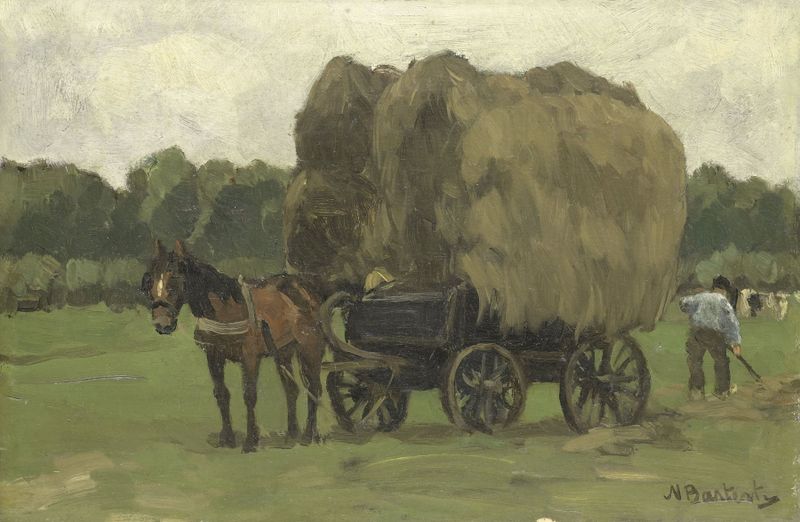
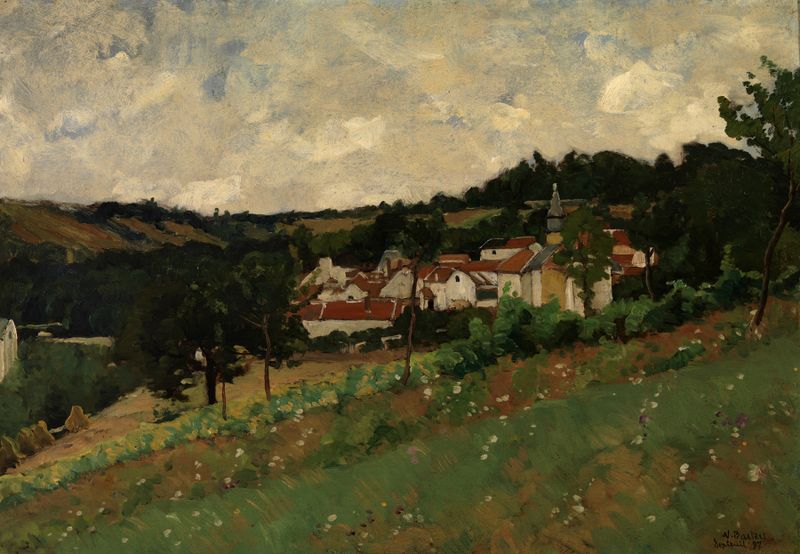
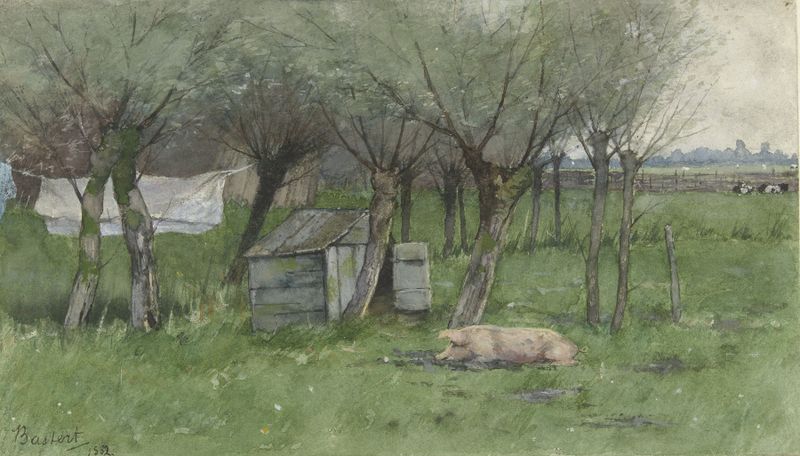
This poignant transformation resonates deeply within the landscape, inviting nostalgia for a simpler time when nature and humanity danced in harmony. Look to the lush greens enveloping the scene, where gentle strokes form a tapestry of leaves and branches. The river elegantly meanders, its fluidity contrasting with the stillness of the day. Notice how the light filters through the foliage, casting soft shadows that beckon the viewer into the tranquil embrace of this pastoral setting.
Bastert’s choice of muted earth tones evokes a sense of warmth and familiarity, grounding the observer in the serene beauty of rural life. Yet, within this idyllic composition lies a subtle tension; the stillness hints at a world beyond the canvas. The distant figures of people busily engaged in daily activities connect the past to the present, reminding us of fleeting moments shared under the vast sky. The rippling water reflects not only the beauty of nature but the passage of time itself, suggesting both continuity and change in a rapidly evolving world. Painted in the early 20th century, during a time when artistic movements were flourishing across Europe, the artist found solace in the countryside of the Netherlands.
This period reflected a search for authenticity amidst industrialization, compelling Bastert to capture the essence of rural life. As he painted Near Breukelen on the Vecht, he was not only preserving a moment but also resisting the encroaching chaos of modernity, creating a timeless homage to the pastoral landscape.