
Heilige Catharina in nis — History & Facts
This profound transformation resonates deeply in art, where fragmented moments coalesce into harmony. In Heilige Catharina in nis, the artist immortalizes a serene figure amid the tumultuous swirl of human experience. Begin by examining the central figure of Saint Catherine, her gaze steady and penetrating. Look closely at her elaborate garments — rich reds and silvers dance across the fabric, meticulously rendered to evoke both depth and texture.
Notice how the light cascades from above, illuminating her face with an ethereal glow while casting shadows that weave a narrative of piety and strength. The background, subtly detailed but less vibrant, allows the saint to emerge as the focal point, demanding your attention and inviting contemplation. Within this seemingly peaceful scene lies a tension of contrasts. The juxtaposition of her calm demeanor against the intricate chaos of swirling drapery reflects the struggles inherent in faith and virtue.
The delicate balance between her serene expression and the tumultuous elements surrounding her hints at the internal conflicts faced by those who seek righteousness. Each brushstroke seems to whisper of the chaos from which personal strength is forged, emphasizing the duality of human experience. Created between 1485 and 1490, Heilige Catharina in nis marks a significant period for its creator, who was part of the Northern Renaissance art movement. During this time, the artist was likely influenced by the growing emphasis on individualism and the exploration of human emotion.
The broader world was witnessing a cultural shift, with a burgeoning interest in classical themes and the intricate balance of spirituality and humanity, shaping the artist’s approach to this compelling portrayal of devotion.
More Artworks by Meester van het Amsterdamse Kabinet
Browse all →
De Heilige Familie bij de rozenstruik
Meester van het Amsterdamse Kabinet

Hertenjacht
Meester van het Amsterdamse Kabinet
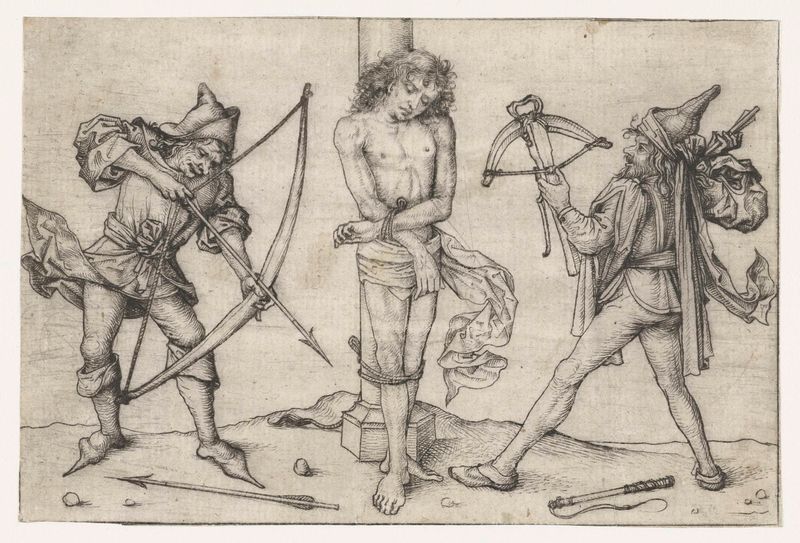
Heilige Sebastiaan met boogschutters
Meester van het Amsterdamse Kabinet

Het lichaam van Christus ondersteund door twee engelen
Meester van het Amsterdamse Kabinet

Heilige Anna-te-Drieën
Meester van het Amsterdamse Kabinet

Heilige Barbara (grote versie)
Meester van het Amsterdamse Kabinet
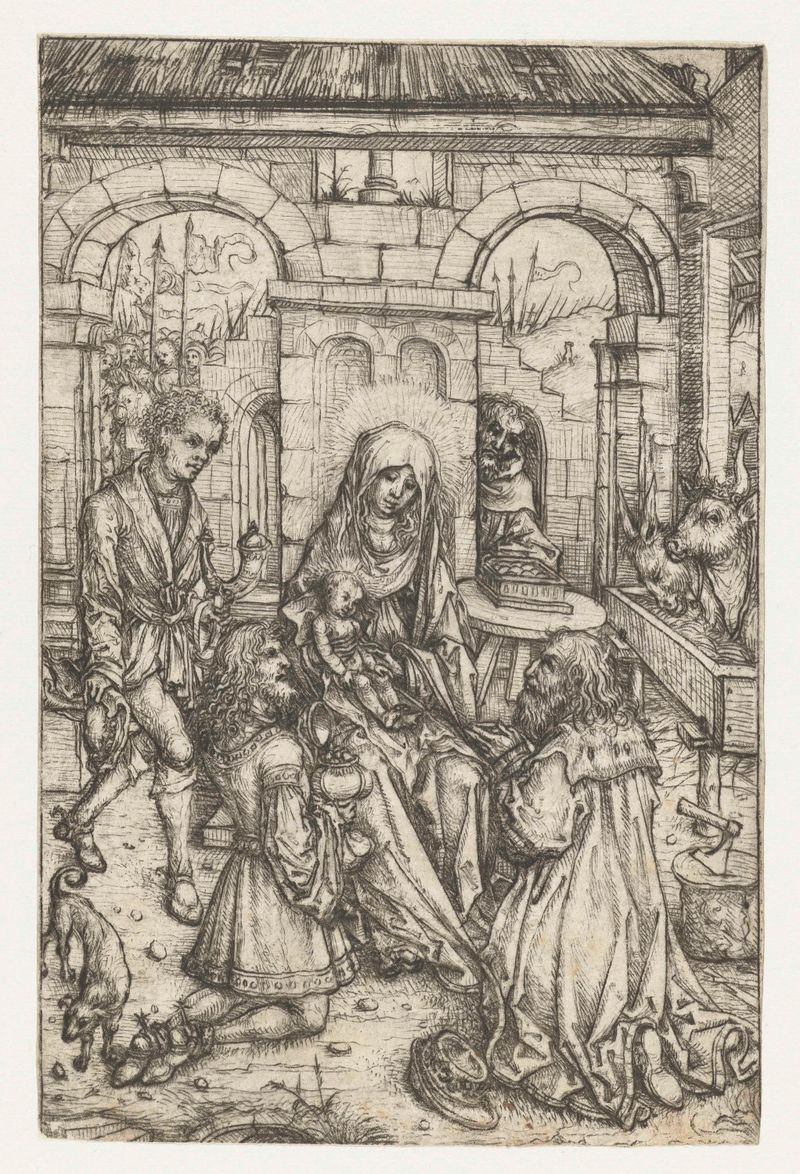
Aanbidding der koningen
Meester van het Amsterdamse Kabinet
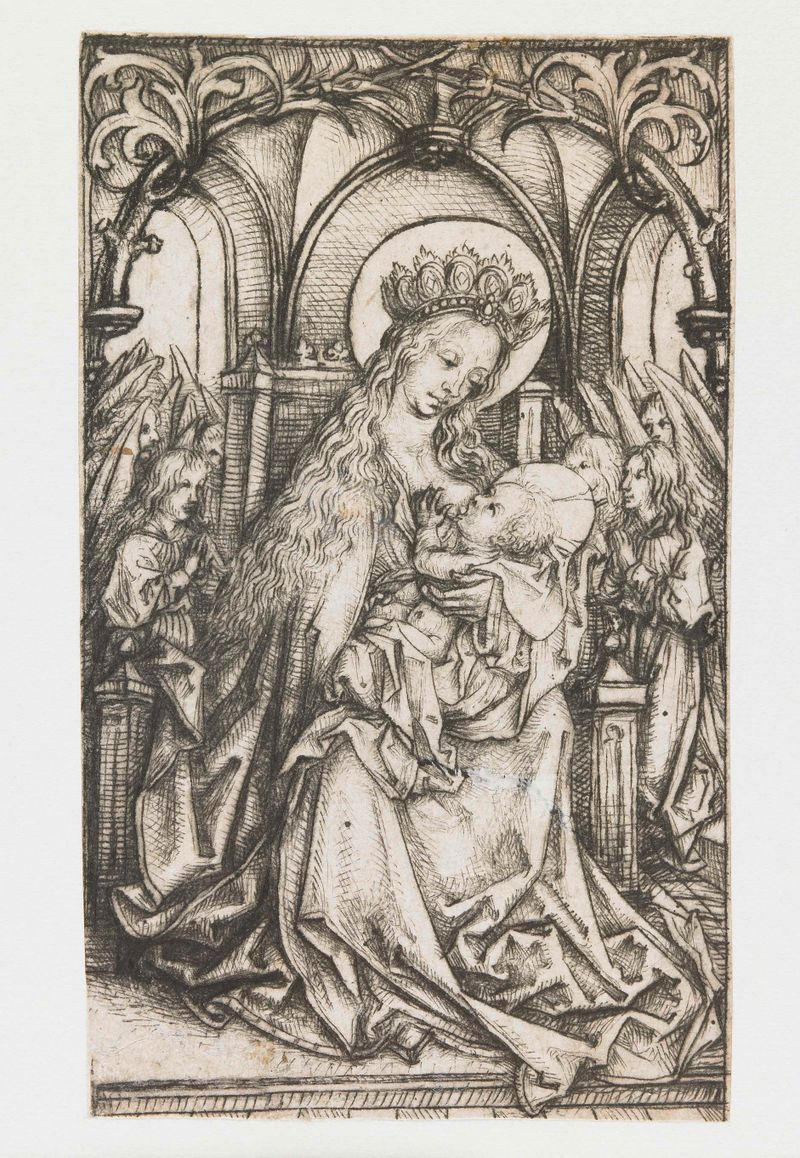
Tronende Madonna door engelen aanbeden
Meester van het Amsterdamse Kabinet

Het zegenend Christuskind
Meester van het Amsterdamse Kabinet
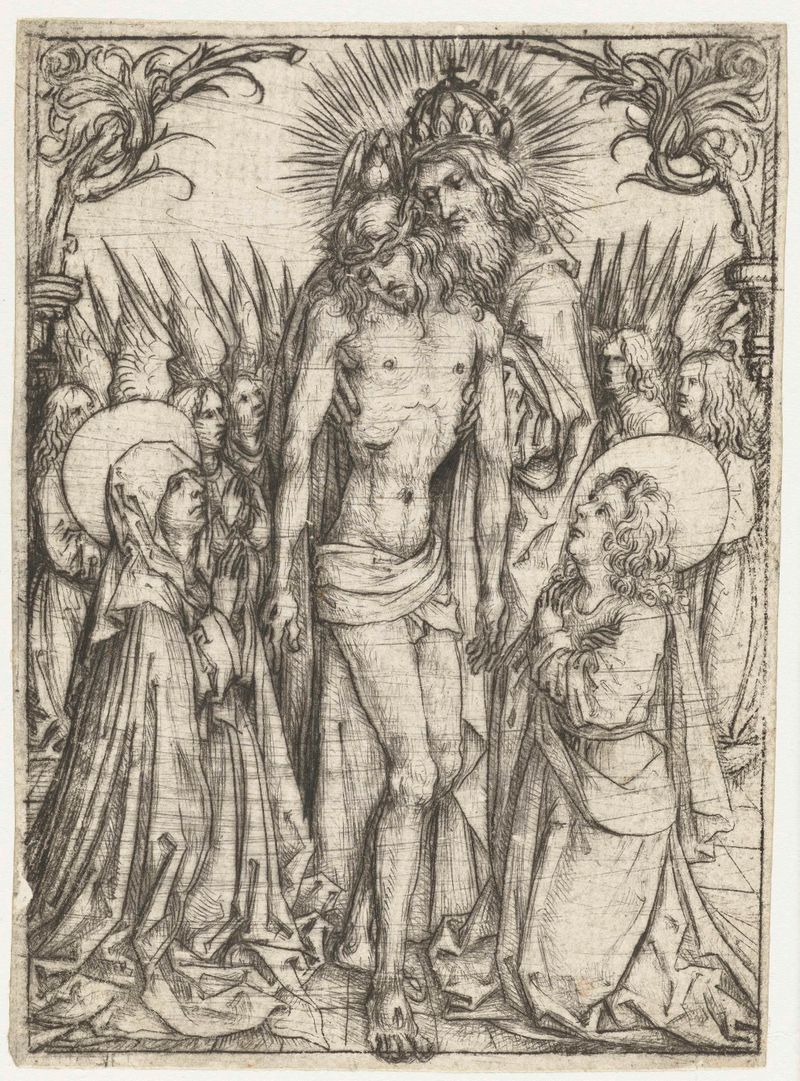
Aanbidding van de Heilige Drieëenheid door Maria, Johannes de Evangelist en engelen
Meester van het Amsterdamse Kabinet
More Religious Art
Browse all →
The Return of the Prodigal Son
Rembrandt van Rijn

The Garden of Earthly Delights
El Bosco

Count Orgaz’ funeral
El Greco

The Hundred Guilder Print: the central piece with Christ preaching, the plate arched
Rembrandt van Rijn

The Descent from the Cross
Rogier van der Weyden

The return of the prodigal son
Rembrandt van Rijn