
Heilige Christoffel ('grote versie') — History & Facts
What secret hides in the quiet of the canvas? The stillness of Heilige Christoffel invites contemplation, as it beckons the viewer to delve into a serene world woven from faith and artistry. Look to the left at the figure of Saint Christopher, towering yet composed, cradling the Christ child with a tenderness that transcends time. His robust form is intricately detailed, each fold of fabric capturing the play of light, while the muted palette of earth tones enhances the sacred atmosphere. Notice how the delicate halo around the child’s head radiates a soft luminosity, drawing the eye and underscoring the divine connection between the two figures. Beneath the surface of this serene encounter lies a profound sense of humility and protection.
The saint's sturdy presence contrasts with the innocence of the child, hinting at the burden of faith and responsibility that comes with devotion. The backdrop, a gentle landscape, evokes the harmony of nature, reinforcing the idea of divine guardianship and the quiet strength found in solitude. This balance of light and shadow serves to emphasize the eternal relationship between the earthly and the divine. Created between 1480 and 1485, this artwork emerged during a period of significant religious fervor in the Northern Renaissance.
The artist, known as the Master of the Amsterdam Cabinet, was likely influenced by the growing devotion to saints and the increasing importance of personal piety. As the world around him was undergoing profound shifts, he captured a moment in time that reflects both the spiritual longing and the artistic mastery of his era.
More Artworks by Meester van het Amsterdamse Kabinet
Browse all →
De Heilige Familie bij de rozenstruik
Meester van het Amsterdamse Kabinet

Hertenjacht
Meester van het Amsterdamse Kabinet
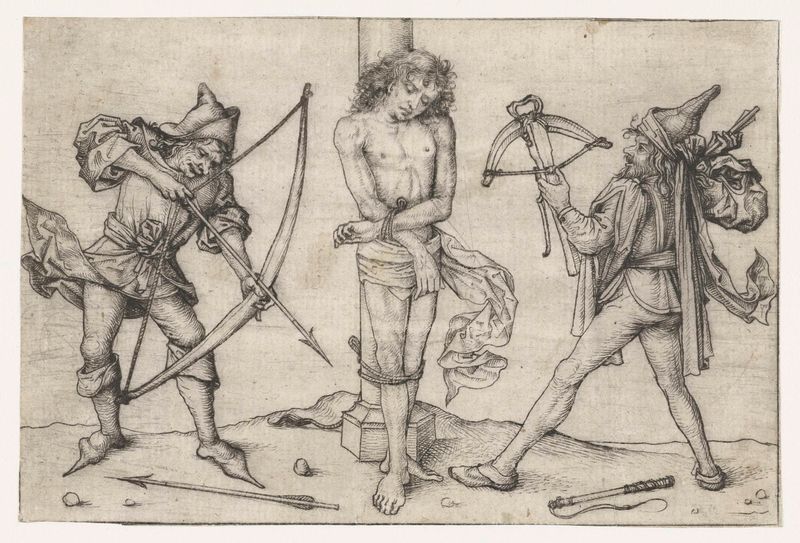
Heilige Sebastiaan met boogschutters
Meester van het Amsterdamse Kabinet

Het lichaam van Christus ondersteund door twee engelen
Meester van het Amsterdamse Kabinet

Heilige Anna-te-Drieën
Meester van het Amsterdamse Kabinet

Heilige Barbara (grote versie)
Meester van het Amsterdamse Kabinet
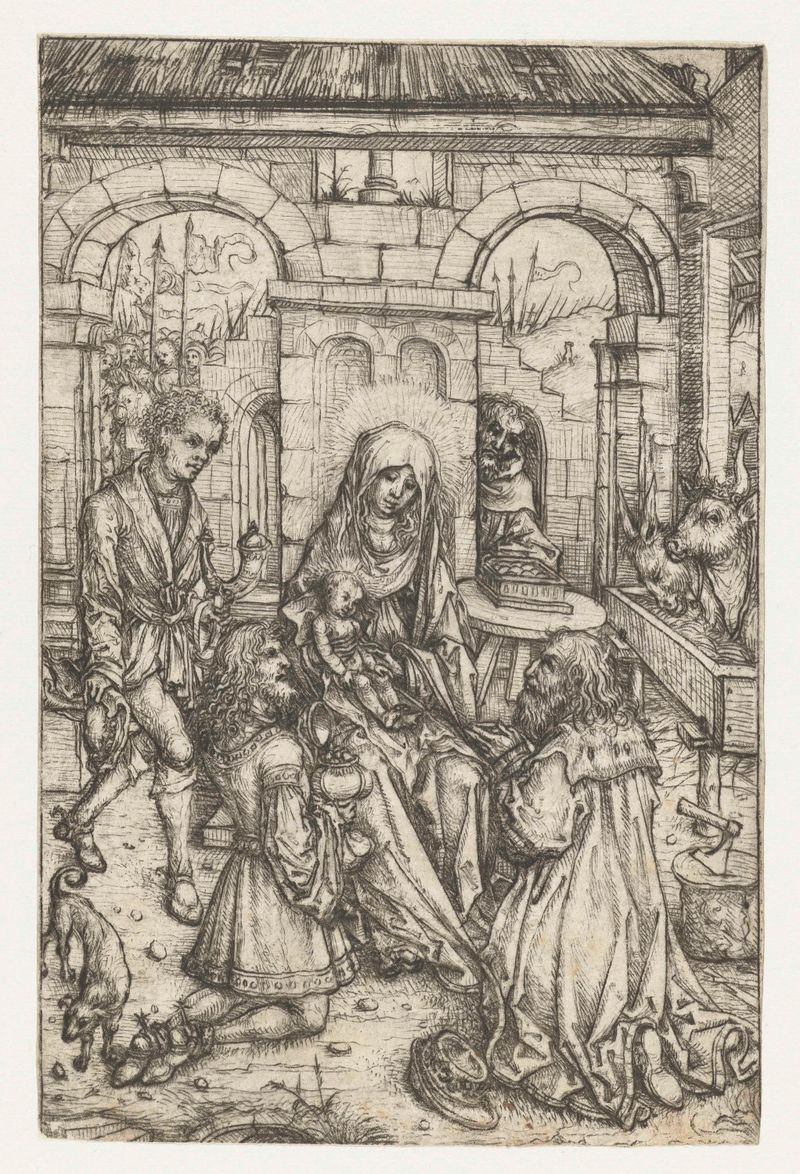
Aanbidding der koningen
Meester van het Amsterdamse Kabinet
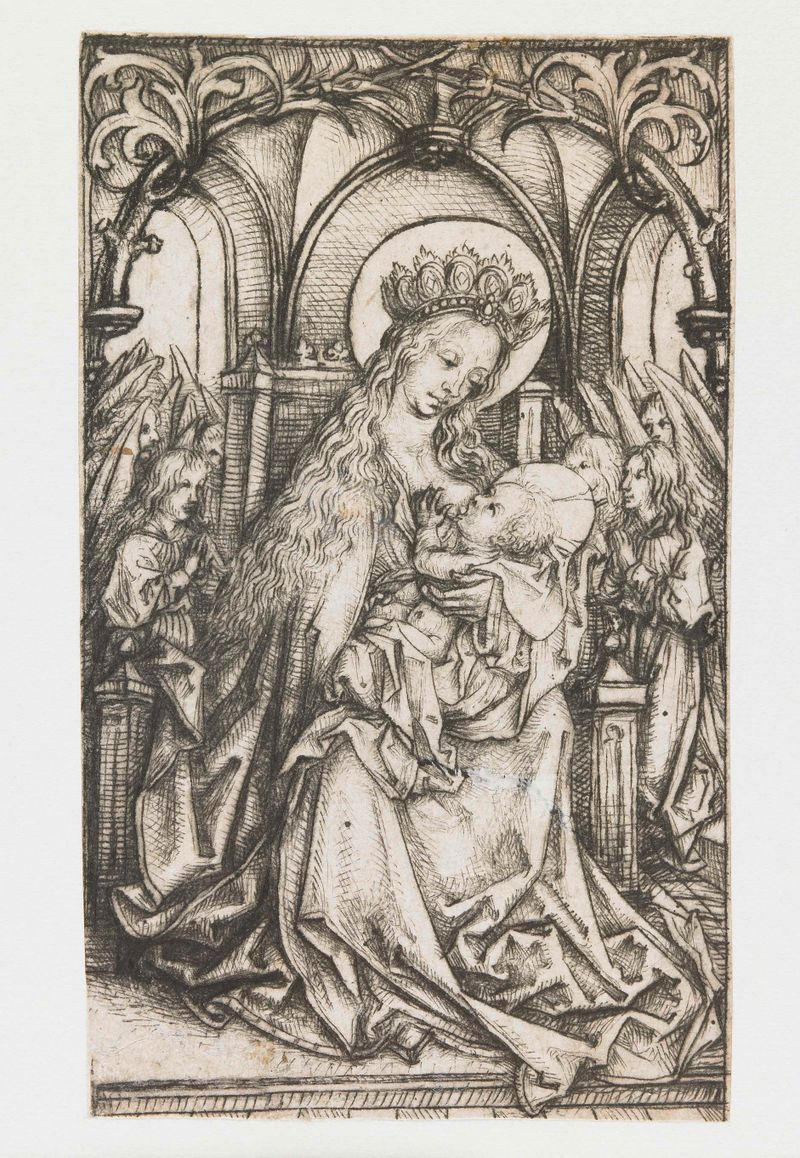
Tronende Madonna door engelen aanbeden
Meester van het Amsterdamse Kabinet

Het zegenend Christuskind
Meester van het Amsterdamse Kabinet
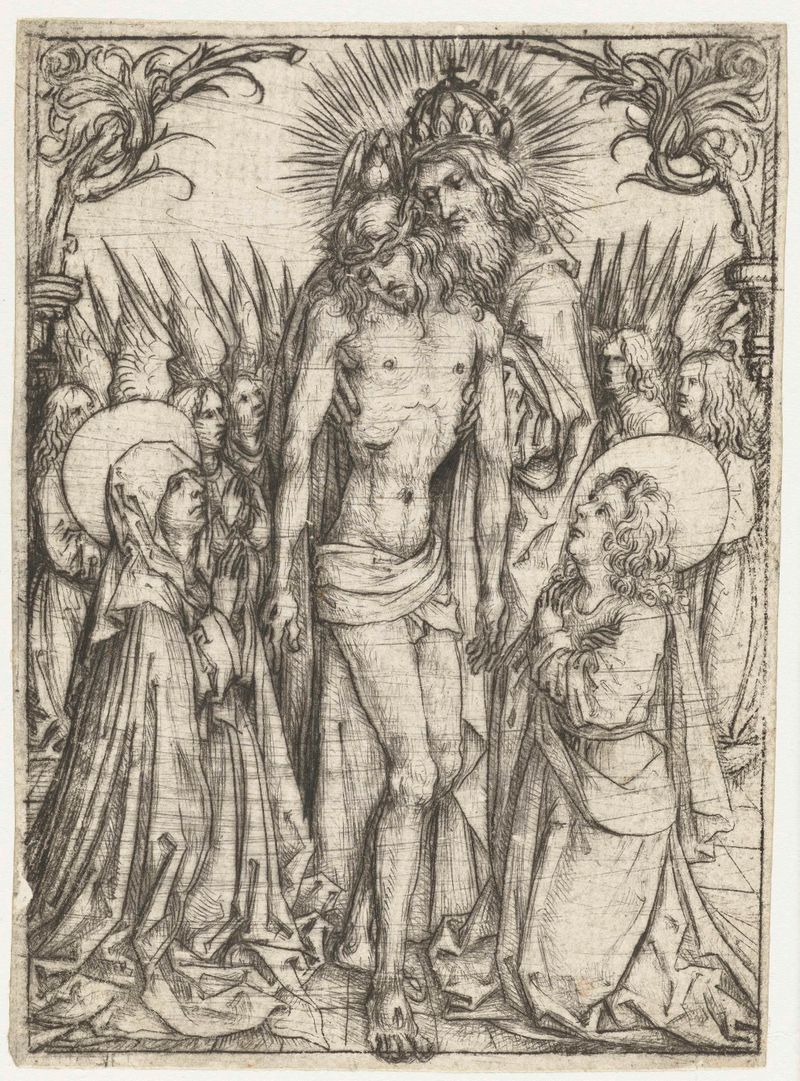
Aanbidding van de Heilige Drieëenheid door Maria, Johannes de Evangelist en engelen
Meester van het Amsterdamse Kabinet
More Religious Art
Browse all →
The Return of the Prodigal Son
Rembrandt van Rijn

The Garden of Earthly Delights
El Bosco

Count Orgaz’ funeral
El Greco

The Hundred Guilder Print: the central piece with Christ preaching, the plate arched
Rembrandt van Rijn

The Descent from the Cross
Rogier van der Weyden

The return of the prodigal son
Rembrandt van Rijn