
Heilige Maarten te paard — History & Facts
In the vibrant hues of the late 15th century, Heilige Maarten te paard captures a moment suspended between earthly and divine, where color becomes a conduit for memory. Look to the center of the canvas, where Saint Martin, clad in resplendent golds and deep reds, dominates the scene. Notice how the artist employs a rich palette to bring vibrancy to the foreground, while cool, muted tones in the background evoke a sense of distance and reverence. The contrasting colors not only highlight the saint’s majestic figure but also emphasize his act of compassion as he shares his cloak with the beggar, a gesture of humanity amid a swirling vortex of color and texture. Delve deeper, and you’ll find layers of meaning embedded in the details.
The lush greens of the landscape speak to the renewal of life, while the flickering light on the beggar’s face hints at hope amidst despair. This dichotomy reflects the broader theme of charity; the act of giving transcends the material world, urging the viewer to ponder the balance between wealth and poverty. Each brushstroke is a reminder that compassion is a choice, vividly illustrated through the interplay of light and shadow. The artist, known as the Master of the Amsterdam Cabinet, created this work between 1475 and 1480 during a period of burgeoning artistic innovation in the Northern Renaissance.
Amidst a backdrop of growing patronage and artistic exchange, the artist’s work reflects the spiritual and social currents of the time, revealing a deep engagement with themes of faith and humanity that resonated throughout the art world.
More Artworks by Meester van het Amsterdamse Kabinet
Browse all →
De Heilige Familie bij de rozenstruik
Meester van het Amsterdamse Kabinet

Hertenjacht
Meester van het Amsterdamse Kabinet
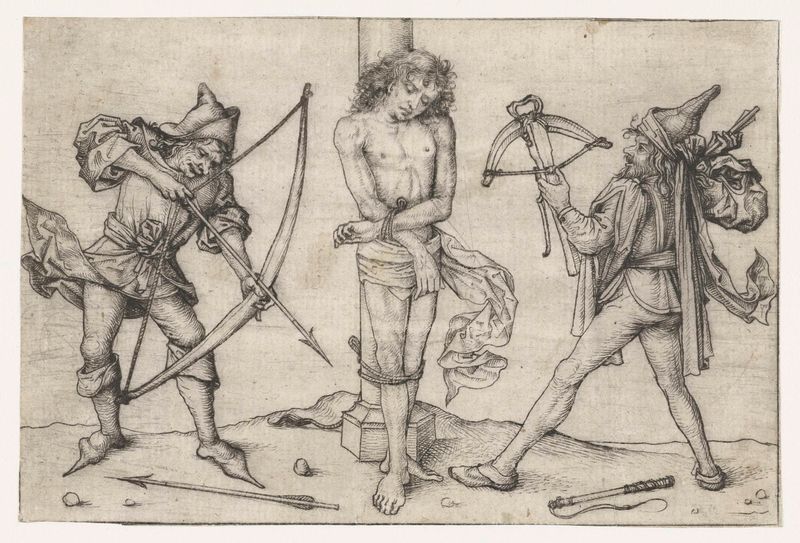
Heilige Sebastiaan met boogschutters
Meester van het Amsterdamse Kabinet

Het lichaam van Christus ondersteund door twee engelen
Meester van het Amsterdamse Kabinet

Heilige Anna-te-Drieën
Meester van het Amsterdamse Kabinet

Heilige Barbara (grote versie)
Meester van het Amsterdamse Kabinet
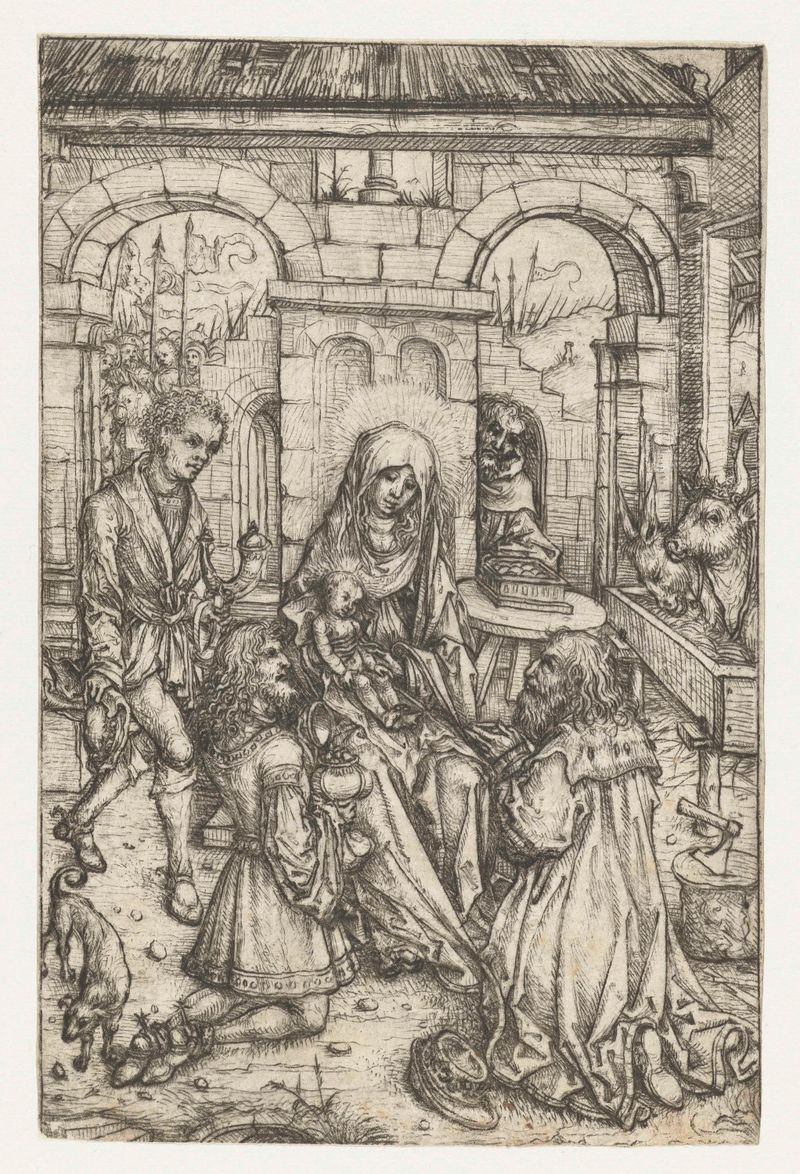
Aanbidding der koningen
Meester van het Amsterdamse Kabinet
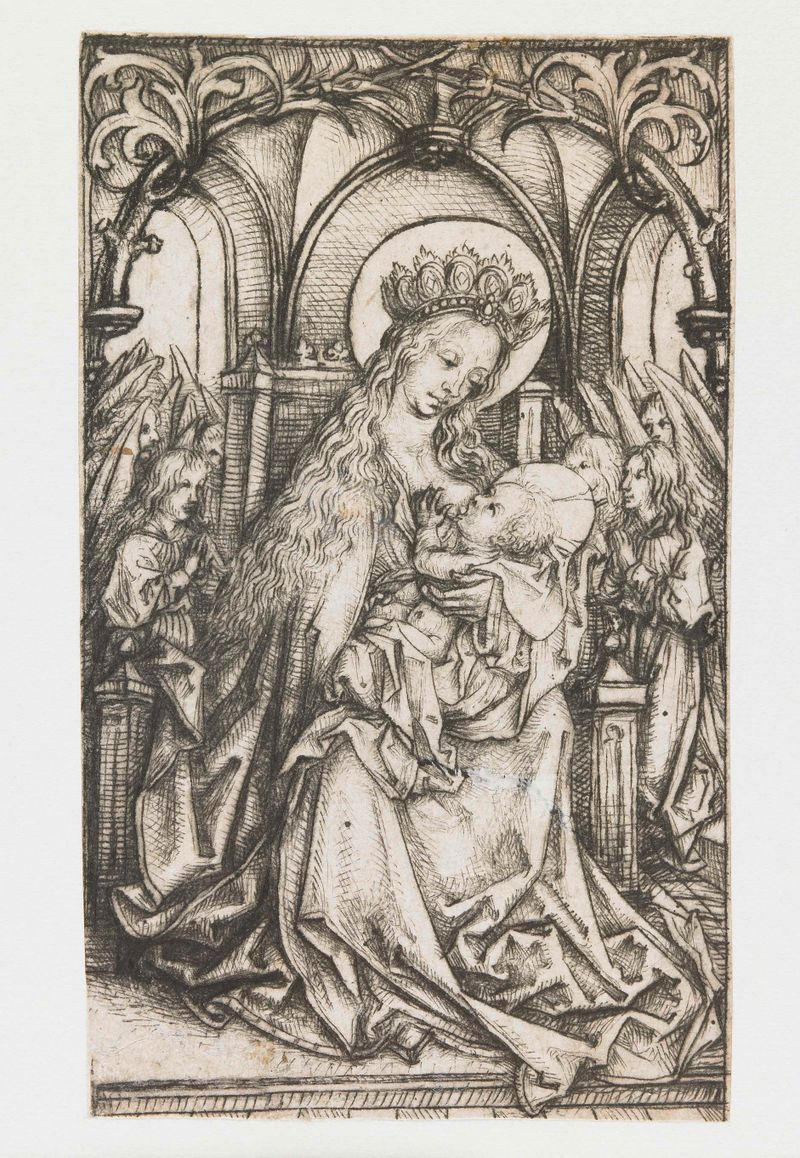
Tronende Madonna door engelen aanbeden
Meester van het Amsterdamse Kabinet

Het zegenend Christuskind
Meester van het Amsterdamse Kabinet
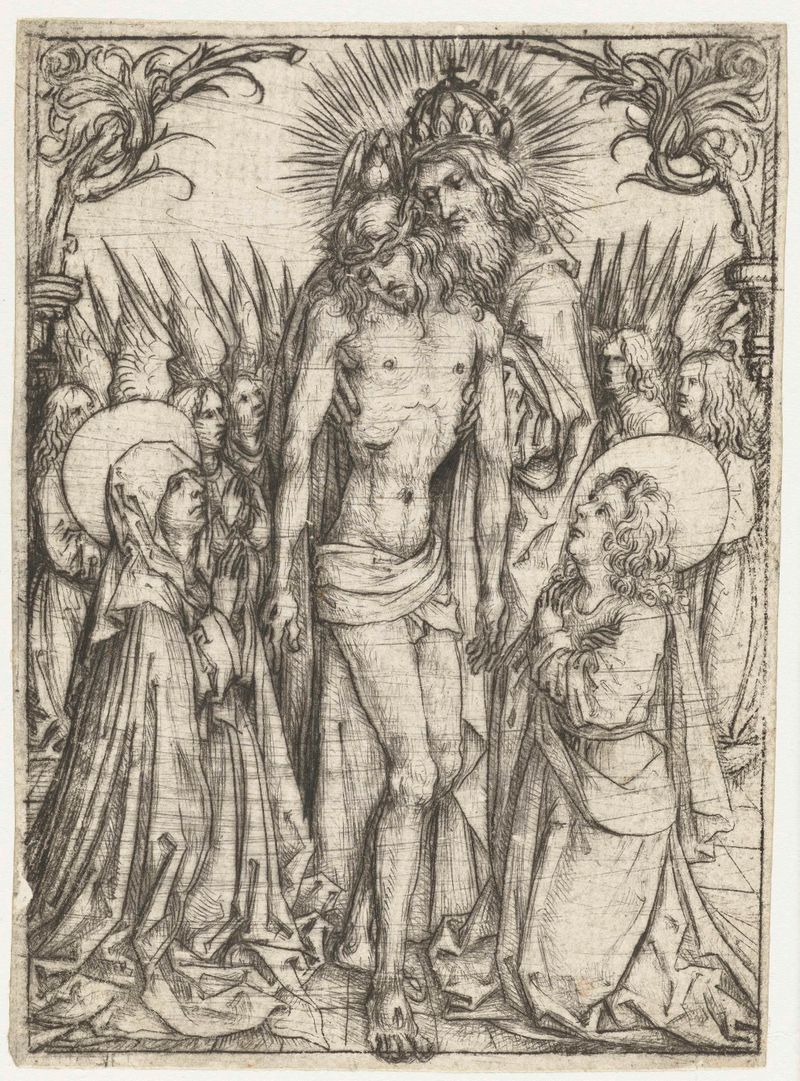
Aanbidding van de Heilige Drieëenheid door Maria, Johannes de Evangelist en engelen
Meester van het Amsterdamse Kabinet
More Religious Art
Browse all →
The Return of the Prodigal Son
Rembrandt van Rijn

The Garden of Earthly Delights
El Bosco

Count Orgaz’ funeral
El Greco

The Hundred Guilder Print: the central piece with Christ preaching, the plate arched
Rembrandt van Rijn

The Descent from the Cross
Rogier van der Weyden

The return of the prodigal son
Rembrandt van Rijn