
Heilige Sebastiaan aan de geselpaal, met rechter en beulsknecht — History & Facts
What if beauty was never meant to be finished? In the haunting portrayal of grief, raw emotion finds its expression in the unsettling yet exquisite details of suffering. Look to the left where the bound figure of Saint Sebastian stands, a poignant focal point enveloped in shadows that speak of impending doom. The artist's skillful use of chiaroscuro gives depth to the scene, accentuating the tension between light and dark that mirrors the saint's inner turmoil. Notice how the vibrant reds and deep browns contrast sharply, not just in clothing but in the very essence of pain and mortality, pulling the viewer into the heart of this moment. As your gaze travels, consider the figures surrounding Sebastian—the tormentor and the onlooker—each embodying a different facet of grief.
The beulsknecht, poised with an instrument of torture, reflects the sorrow in duty, while the solemnity of the right-hand figure evokes the empathetic ache of witnessing. This triad of emotion creates an intricate web, revealing the complex interplay between agony and the human experience, as well as the acceptance of fate’s harsh hand. Created between 1488 and 1492, this work emerged during a time of great transition in the art world, marked by the rise of individualism and emotional depth in Northern Renaissance painting. The artist, working in the cultural milieu of Amsterdam, was influenced by the growing humanist movement, which sought to explore not just the divine, but the visceral sorrow of existence.
This period was a crucible for artistic innovation, giving rise to profound expressions of both suffering and beauty.
More Artworks by Meester van het Amsterdamse Kabinet
Browse all →
De Heilige Familie bij de rozenstruik
Meester van het Amsterdamse Kabinet

Hertenjacht
Meester van het Amsterdamse Kabinet
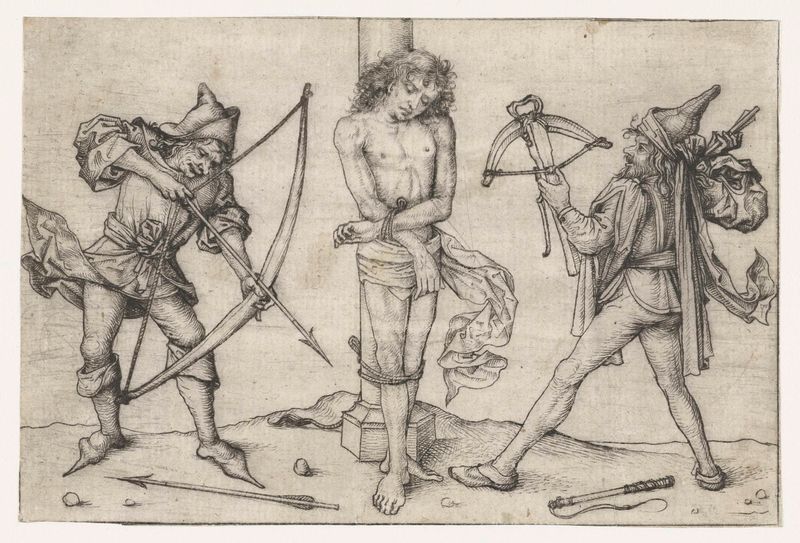
Heilige Sebastiaan met boogschutters
Meester van het Amsterdamse Kabinet

Het lichaam van Christus ondersteund door twee engelen
Meester van het Amsterdamse Kabinet

Heilige Anna-te-Drieën
Meester van het Amsterdamse Kabinet

Heilige Barbara (grote versie)
Meester van het Amsterdamse Kabinet
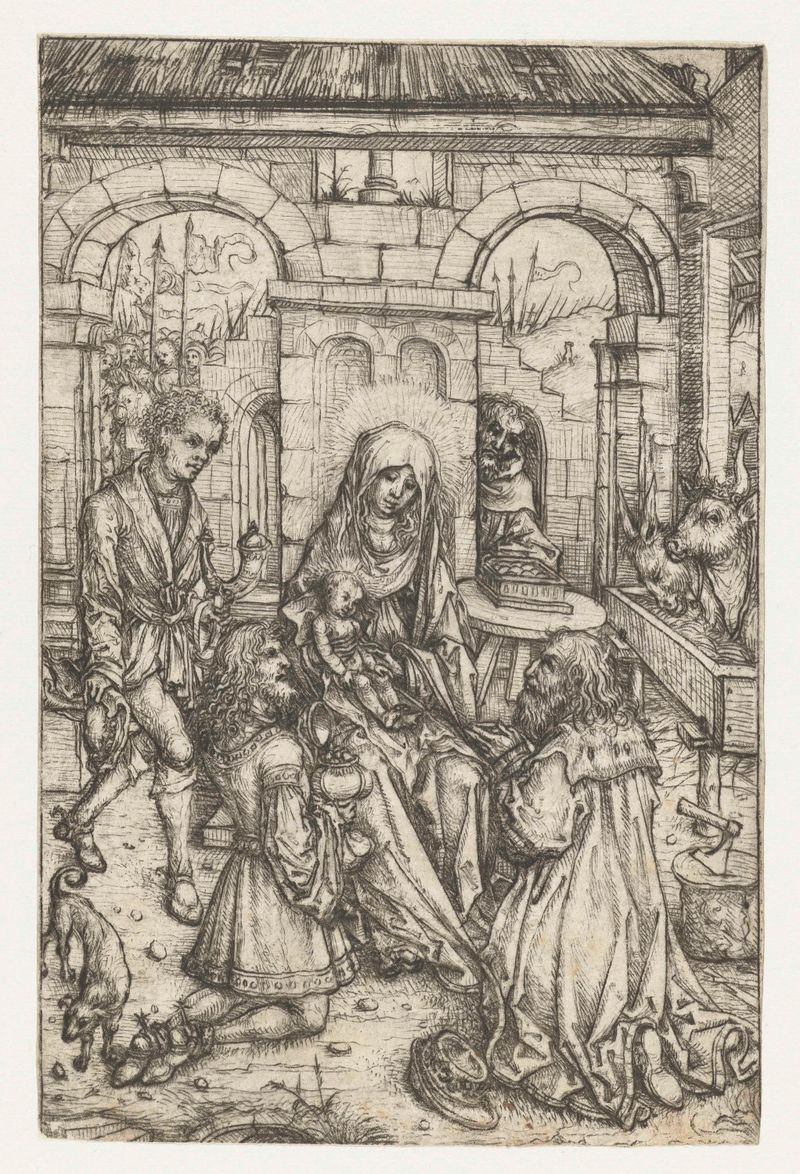
Aanbidding der koningen
Meester van het Amsterdamse Kabinet
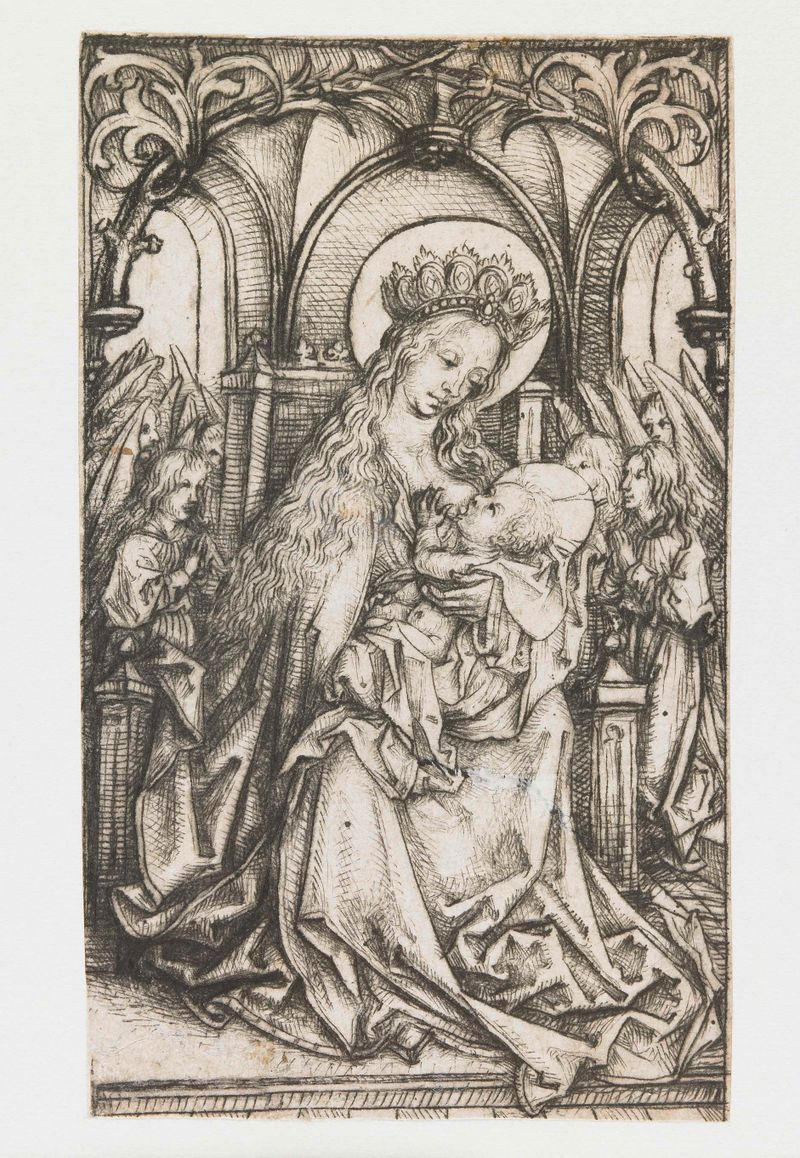
Tronende Madonna door engelen aanbeden
Meester van het Amsterdamse Kabinet

Het zegenend Christuskind
Meester van het Amsterdamse Kabinet
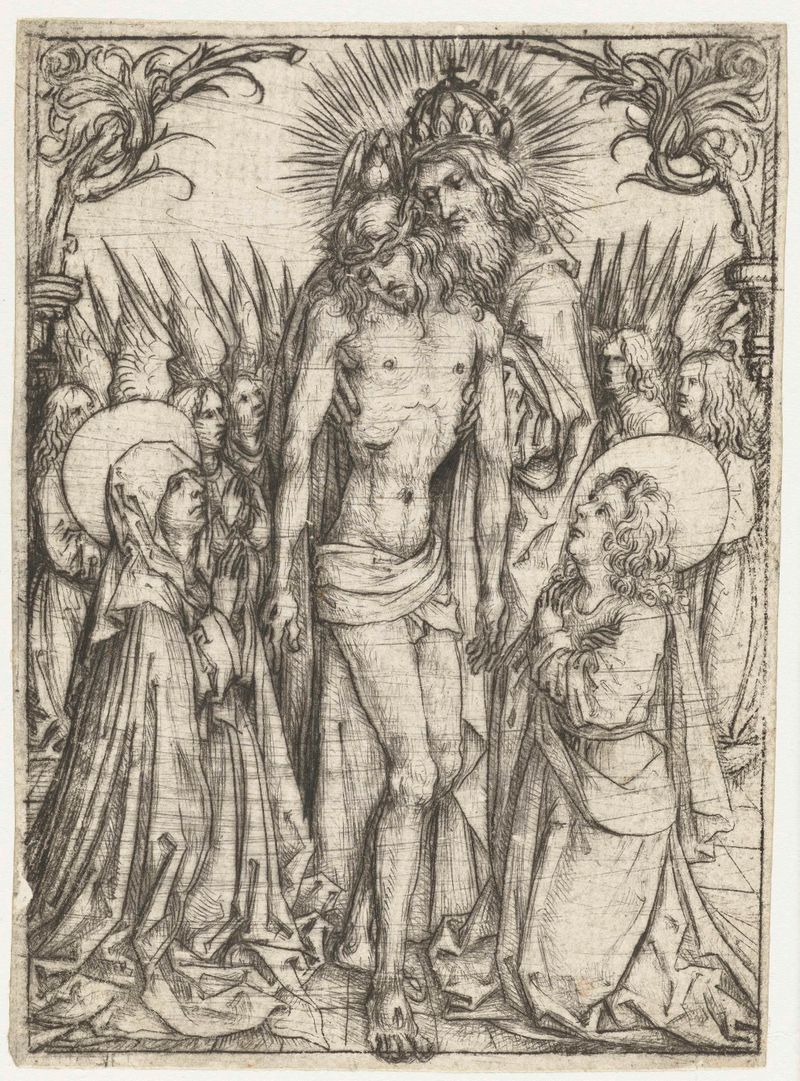
Aanbidding van de Heilige Drieëenheid door Maria, Johannes de Evangelist en engelen
Meester van het Amsterdamse Kabinet
More Religious Art
Browse all →
The Return of the Prodigal Son
Rembrandt van Rijn

The Garden of Earthly Delights
El Bosco

Count Orgaz’ funeral
El Greco

The Hundred Guilder Print: the central piece with Christ preaching, the plate arched
Rembrandt van Rijn

The Descent from the Cross
Rogier van der Weyden

The return of the prodigal son
Rembrandt van Rijn