
Heilige Sebastiaan in een nis — History & Facts
What secret hides in the quiet of the canvas? In the stillness of Heilige Sebastiaan in een nis, beauty whispers through solemnity, offering a glimpse of the divine cloaked in vulnerability. Look to the left at the delicate features of the saint, his serene expression framed by the architectural elements of the niche. Notice how the soft light caresses the figure, illuminating the subtle textures of the drapery that almost seem to breathe. The warm hues blend seamlessly with the cool shadows, creating a spatial depth that invites contemplation.
The intricate details, from the ornate carvings in the background to the graceful posture of the saint, draw the eye toward an ethereal stillness. Beneath the surface, the painting speaks of martyrdom and redemption, symbolizing the fragility of human life entwined with divine grace. The juxtaposition of the saint's serene demeanor against the ominous arrows nearby evokes a tension between hope and impending suffering. This duality serves as a poignant reminder of the beauty that exists even within pain, encouraging the viewer to reflect on their own experiences of love and loss. Created between 1488 and 1492, this work emerged during a time of rich artistic exploration in the Northern Renaissance.
The artist, part of the workshop that produced highly detailed religious imagery, captured the spiritual fervor of the day. As Europe grappled with changes in faith and art, this piece stands as a testament to both the devotion and the evolving techniques of the time, intertwining beauty with profound narrative depth.
More Artworks by Meester van het Amsterdamse Kabinet
Browse all →
De Heilige Familie bij de rozenstruik
Meester van het Amsterdamse Kabinet

Hertenjacht
Meester van het Amsterdamse Kabinet
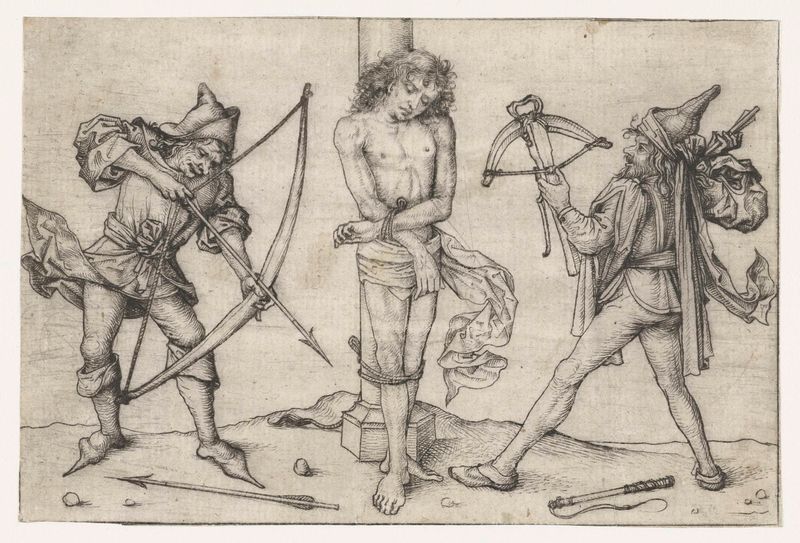
Heilige Sebastiaan met boogschutters
Meester van het Amsterdamse Kabinet

Het lichaam van Christus ondersteund door twee engelen
Meester van het Amsterdamse Kabinet

Heilige Anna-te-Drieën
Meester van het Amsterdamse Kabinet

Heilige Barbara (grote versie)
Meester van het Amsterdamse Kabinet
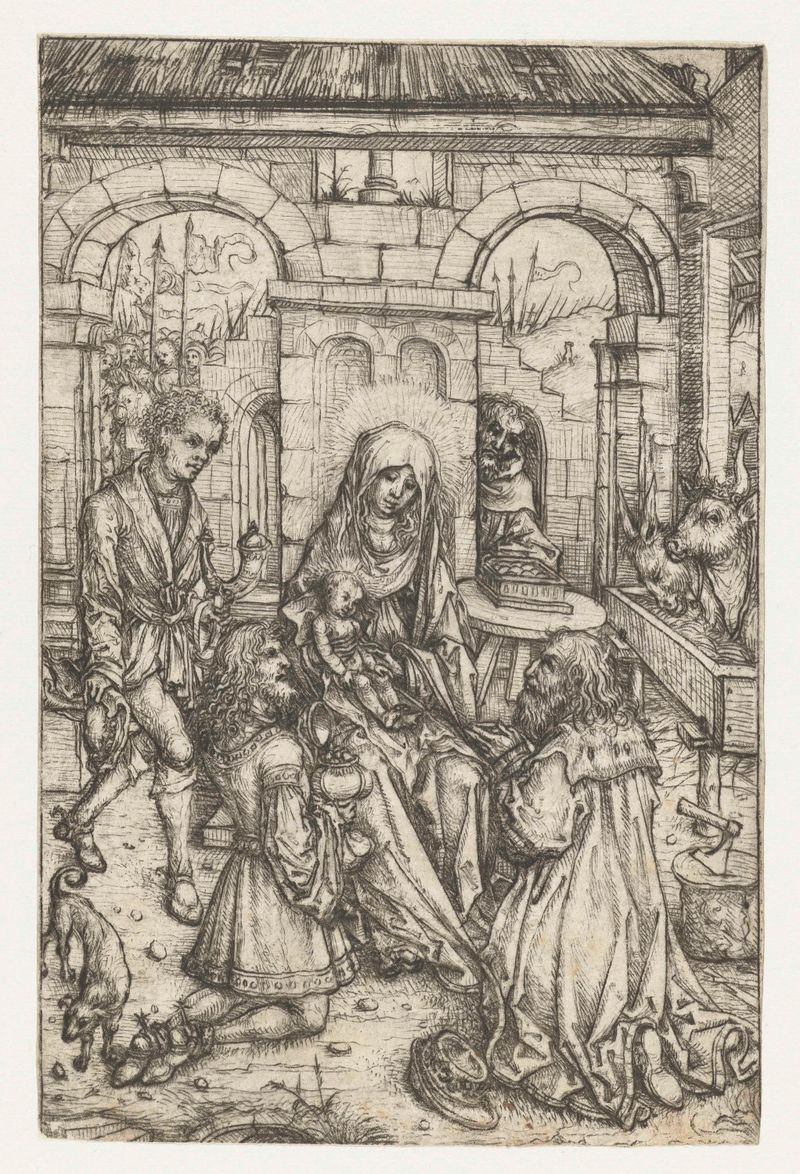
Aanbidding der koningen
Meester van het Amsterdamse Kabinet
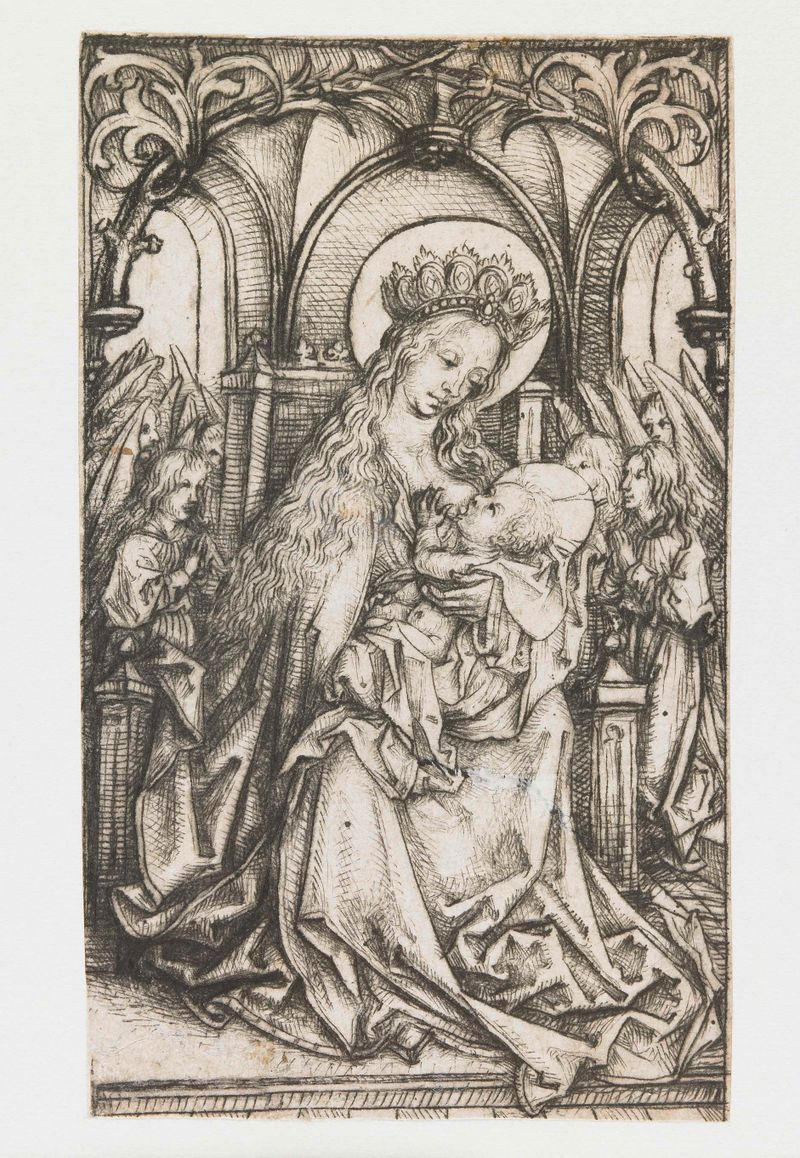
Tronende Madonna door engelen aanbeden
Meester van het Amsterdamse Kabinet

Het zegenend Christuskind
Meester van het Amsterdamse Kabinet
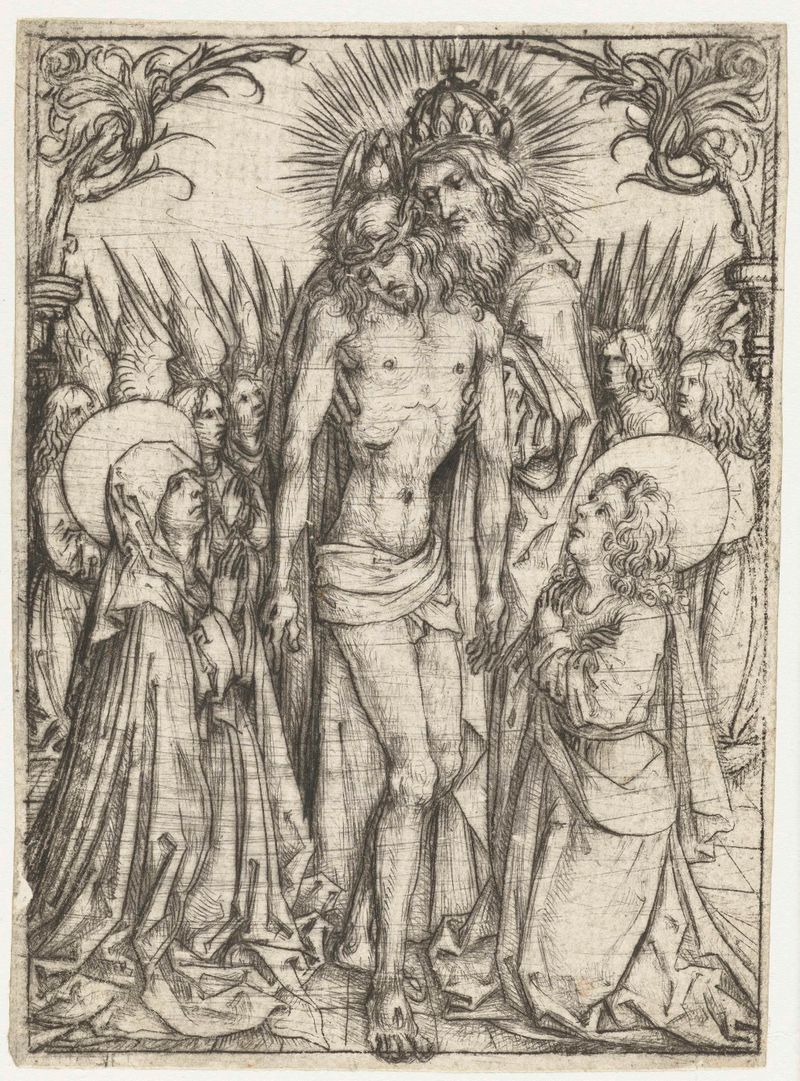
Aanbidding van de Heilige Drieëenheid door Maria, Johannes de Evangelist en engelen
Meester van het Amsterdamse Kabinet
More Religious Art
Browse all →
The Return of the Prodigal Son
Rembrandt van Rijn

The Garden of Earthly Delights
El Bosco

Count Orgaz’ funeral
El Greco

The Hundred Guilder Print: the central piece with Christ preaching, the plate arched
Rembrandt van Rijn

The Descent from the Cross
Rogier van der Weyden

The return of the prodigal son
Rembrandt van Rijn