
Henry Lee Higginson (1834-1919) — History & Facts
Is this a mirror — or a memory? In John Singer Sargent’s Henry Lee Higginson, the canvas teeters on the edge of introspection and presence, compelling the viewer to delve into the depths of the subject's character. Look to the left at the poised figure of Higginson, captured in a moment of contemplative stillness. The soft drapery of his suit contrasts against the rich, dark background, inviting a sense of flow and depth. Notice how the light delicately highlights the contours of his face, revealing the gentle strength held in his gaze.
Sargent's brushwork is loose yet deliberate, creating a vivid interplay between realism and the ethereal, while the deep colors evoke a sense of gravitas and nostalgia. Beneath the surface, the painting resonates with themes of legacy and the passage of time. The void created by the background suggests an emptiness waiting to be filled with memories, a space that invites viewers to reflect on their own narratives. Higginson’s expression captures both the weight of experience and the promise of the future, illustrating the tensions between public achievement and personal introspection.
It poses a question about what is left unsaid, whispering the stories one carries with them through life. In 1903, Sargent painted this portrait during a period marked by a growing interest in psychological depth within portraiture. Higginson, a prominent patron of the arts and founder of the Boston Symphony Orchestra, stood at the intersection of cultural evolution and personal legacy. This work emerged as part of the artist's exploration of individual identity against a backdrop of societal change, reflecting both Sargent’s mastery of technique and the evolving role of art in society.
More Artworks by John Singer Sargent
Browse all →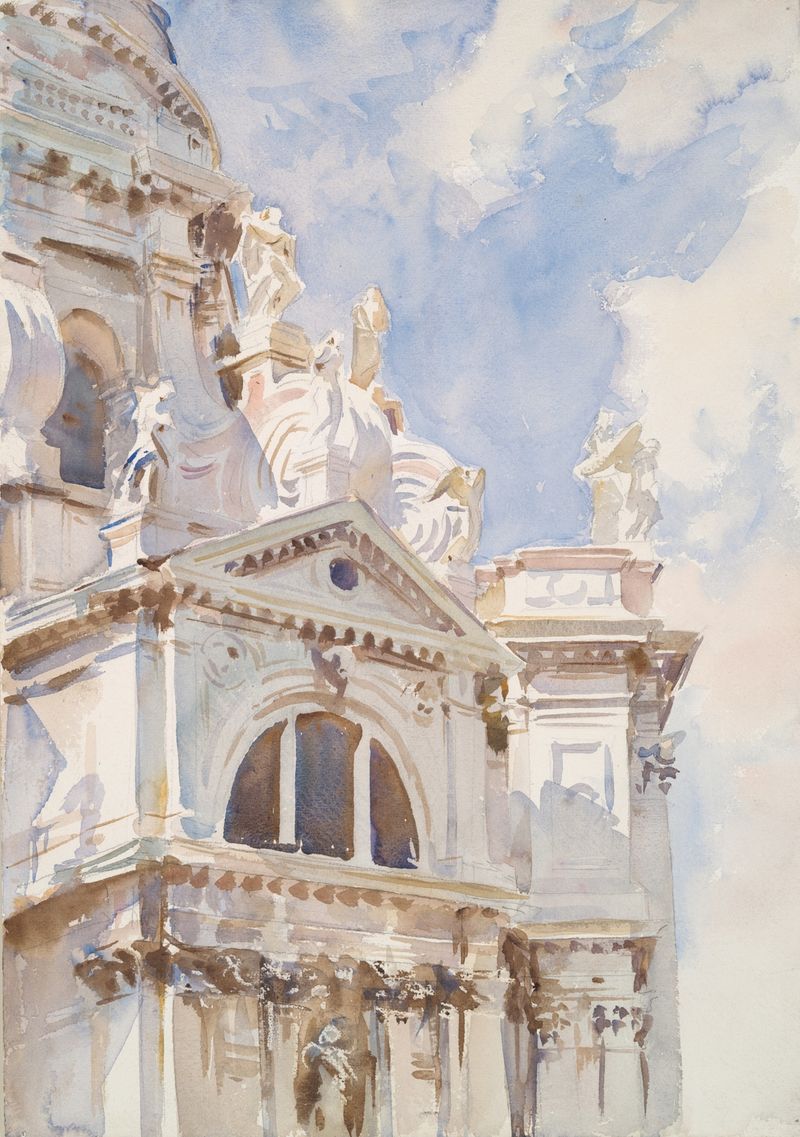
The Salute, Venice
John Singer Sargent

Mrs. Charles Deering (Marion Denison Whipple)
John Singer Sargent
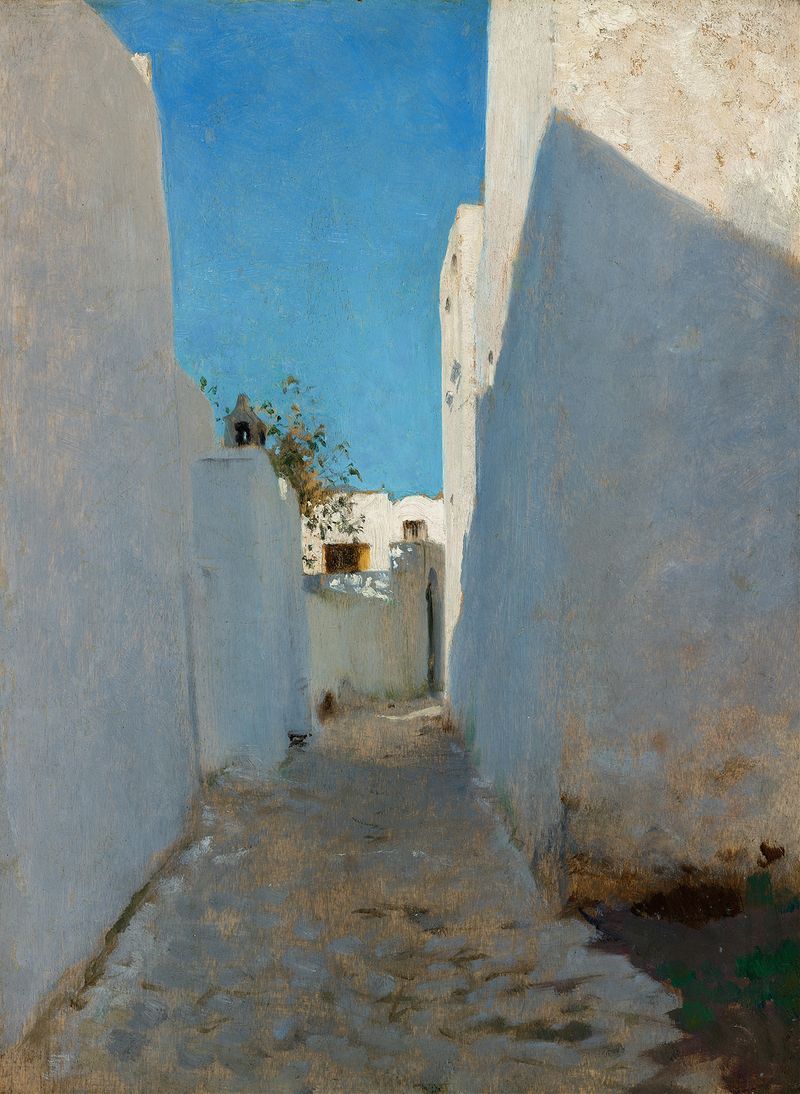
A Moroccan Street Scene
John Singer Sargent
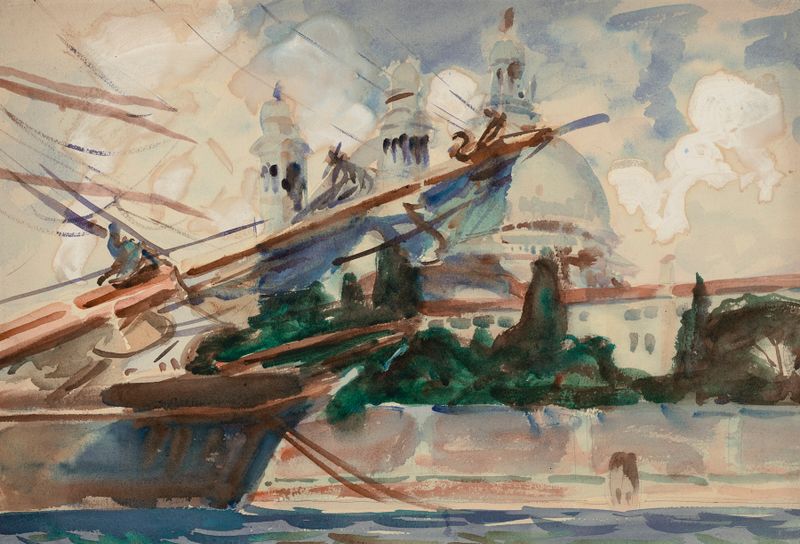
The Salute, Venice
John Singer Sargent
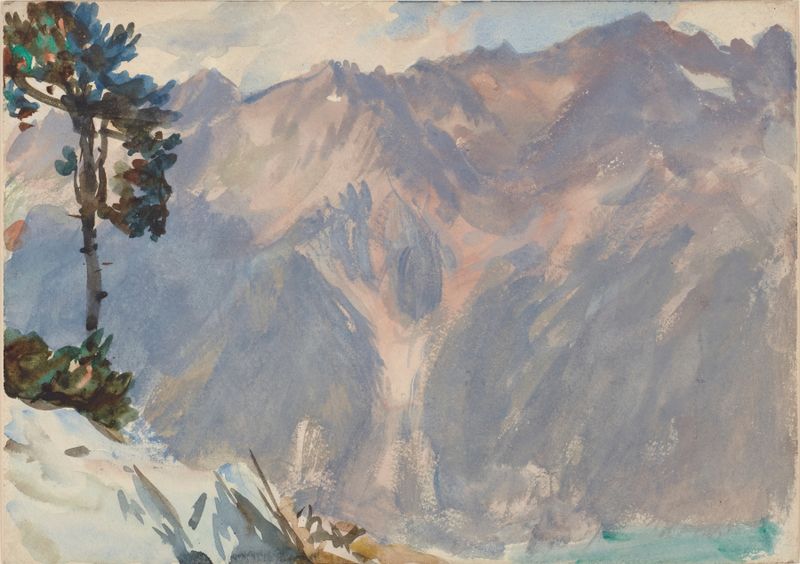
Tyrol
John Singer Sargent
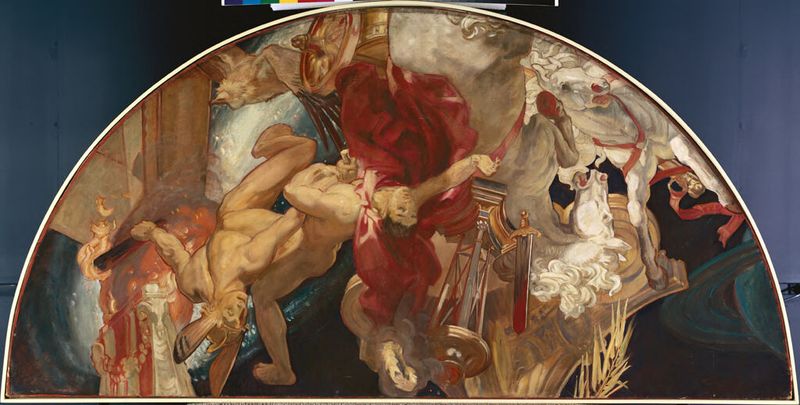
Study for "Gog and Magog," for the Boston Public Library
John Singer Sargent
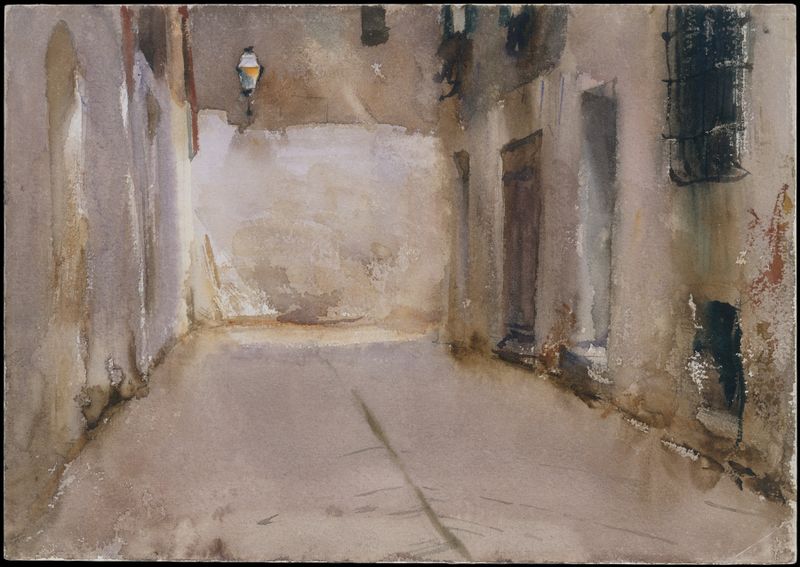
Venice
John Singer Sargent
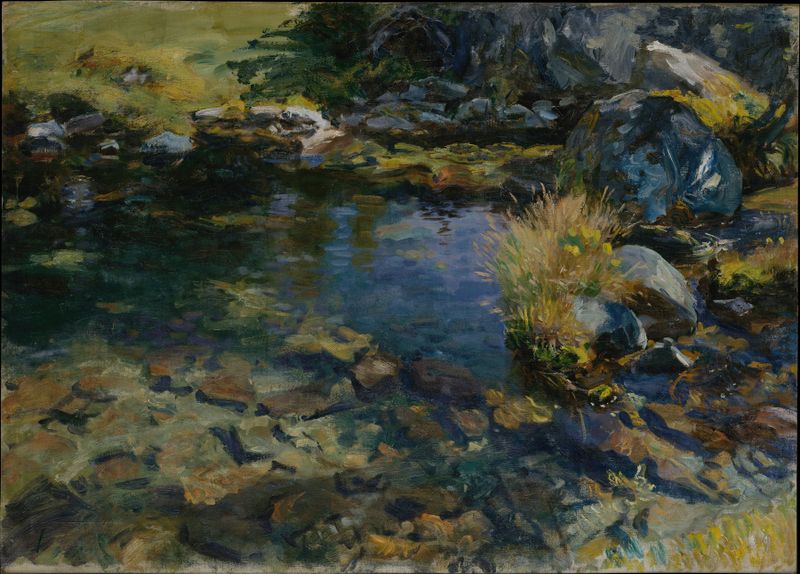
Alpine Pool
John Singer Sargent
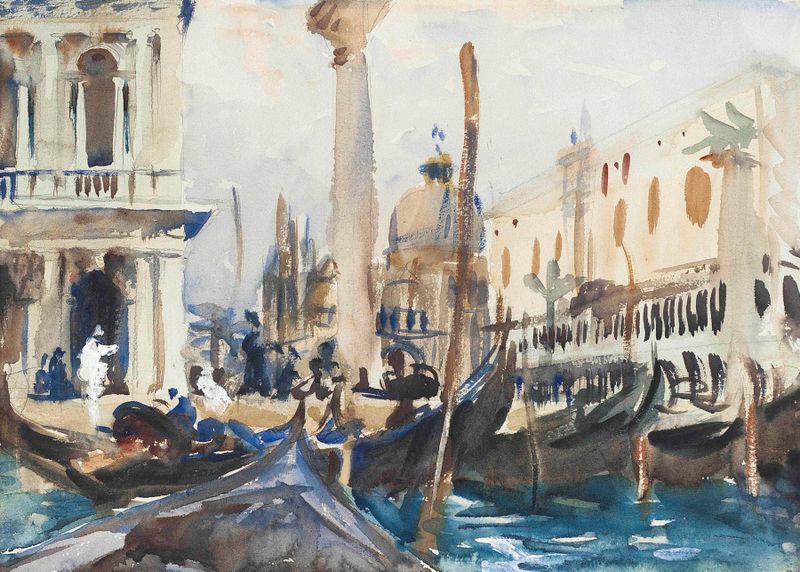
The Piazzetta with Gondolas
John Singer Sargent
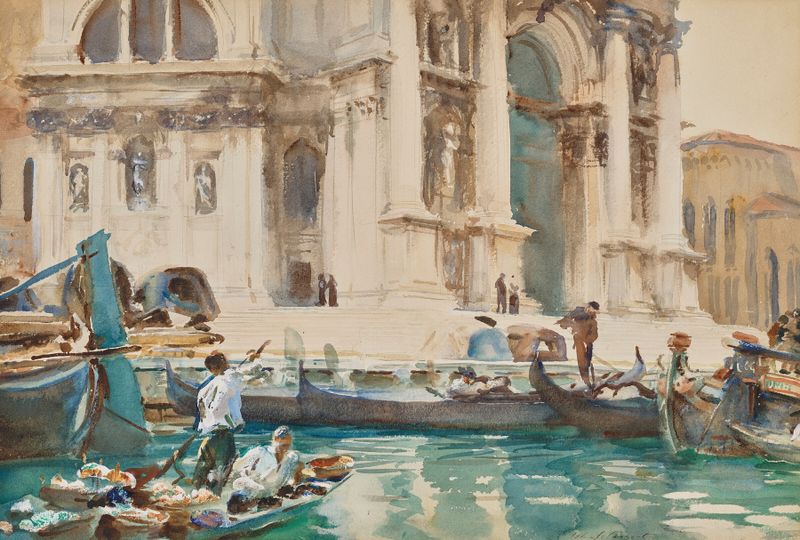
The Façade of La Salute, Venice
John Singer Sargent
More Portrait Art
Browse all →
Las meninas
Diego Velázquez

Self-portrait with a Bandaged Ear and Pipe
Unidentified artist

Girl with a Pearl Earring
Johannes Vermeer

The Sampling Officials of the Amsterdam Drapers’ Guild, Known as ‘The Syndics’
Rembrandt van Rijn

The Hundred Guilder Print: the man seen on the back in the lower left corner
Rembrandt van Rijn

Portrait of Dr Gachet
Vincent van Gogh