
The Façade of La Salute, Venice — History & Facts
What if beauty was never meant to be finished? In John Singer Sargent's The Façade of La Salute, Venice, chaos and elegance collide in a moment suspended between light and shadow. Look to the left at the grand, ornate façade, where intricate details burst forth, beckoning the eye. Sargent employs a rich palette of muted browns and vibrant blues, capturing the sun's warm embrace on the weathered stone. Notice how the brushstrokes, fluid yet decisive, create a sense of movement — the dance of daylight against the building’s surface, evoking both the passage of time and the ever-changing tide of the surrounding waters. Deeper still, one can sense an emotional tension that lies beneath the surface beauty.
The juxtaposition of the serene architecture against the chaotic waves suggests a struggle between nature and man’s creations. The light reflects the dual nature of Venice itself: a city that embodies both romance and decay, where the past fades into the turbulent present. Here, beauty is not static; it is a fleeting moment captured amid the disarray of life. In 1903, Sargent was in Venice, immersed in a world of artistic exploration, a time when his reputation was solidifying and Modernism began to ripple through the art community.
The city’s unique charm and the interplay of light captivated him, as he sought to capture the essence of this enchanting landscape, forever marked by the passage of time and the chaos of history.
More Artworks by John Singer Sargent
Browse all →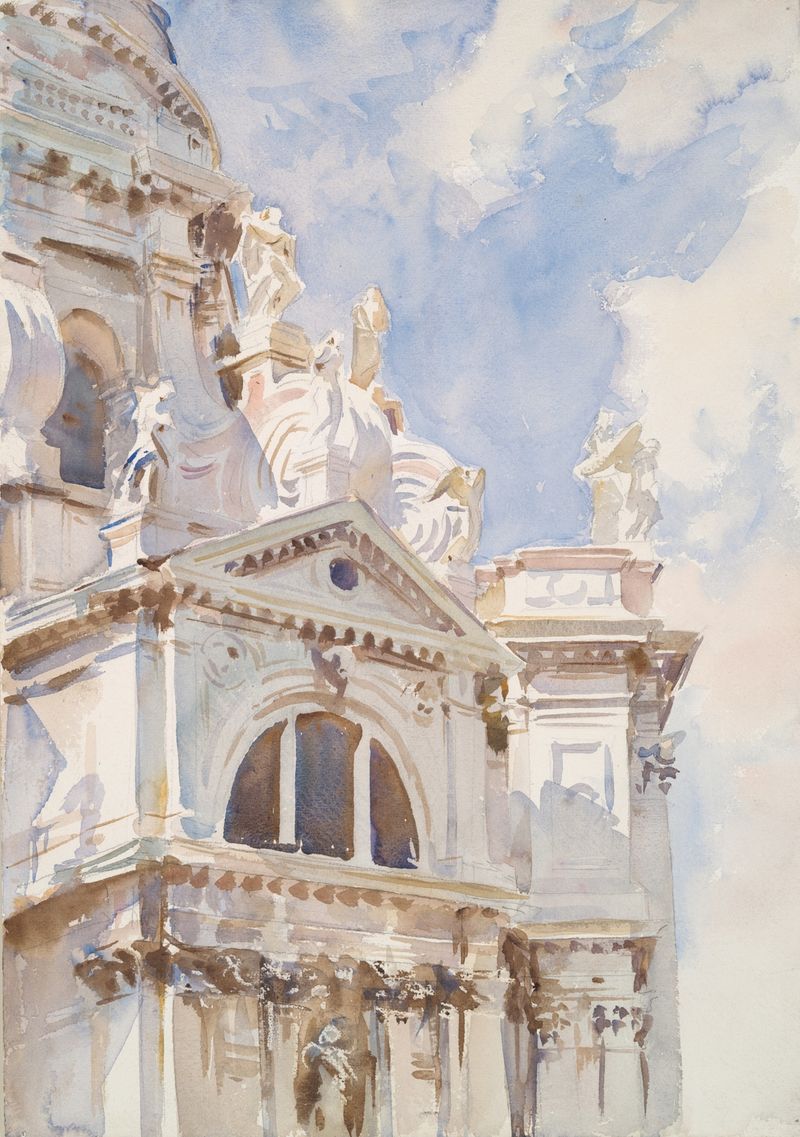
The Salute, Venice
John Singer Sargent

Mrs. Charles Deering (Marion Denison Whipple)
John Singer Sargent
A Moroccan Street Scene
John Singer Sargent
The Salute, Venice
John Singer Sargent
Tyrol
John Singer Sargent
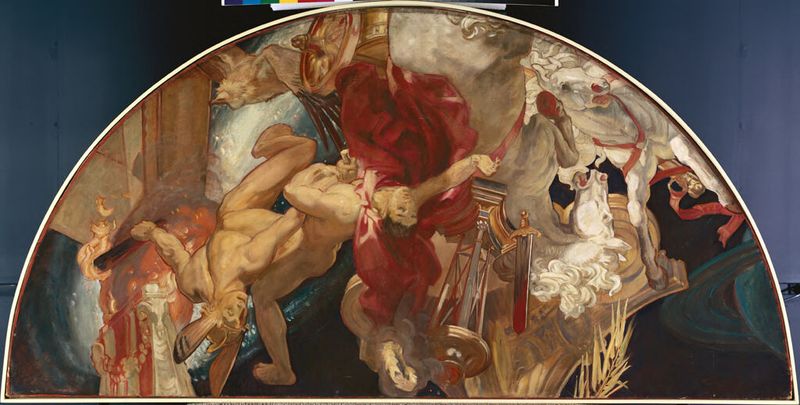
Study for "Gog and Magog," for the Boston Public Library
John Singer Sargent
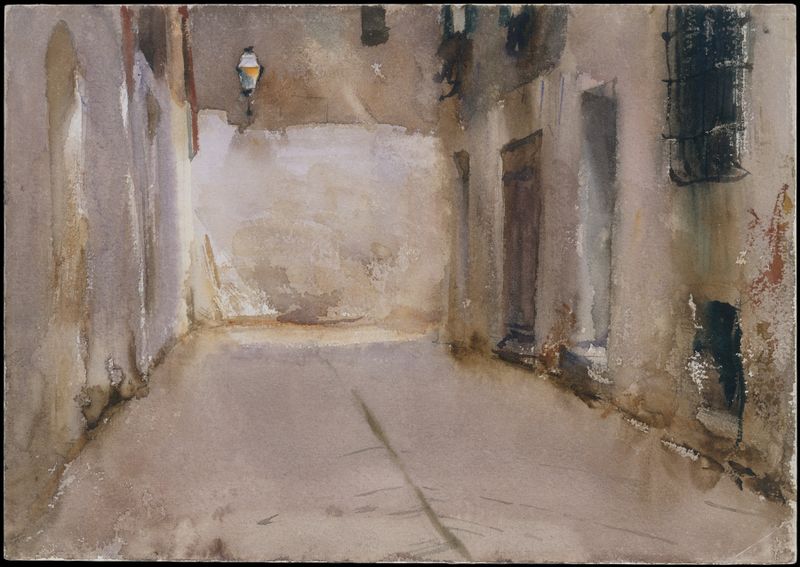
Venice
John Singer Sargent
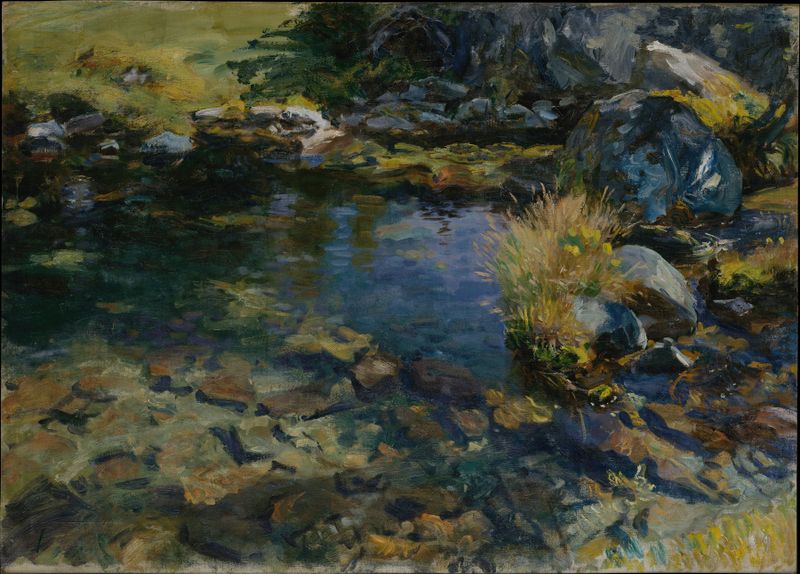
Alpine Pool
John Singer Sargent
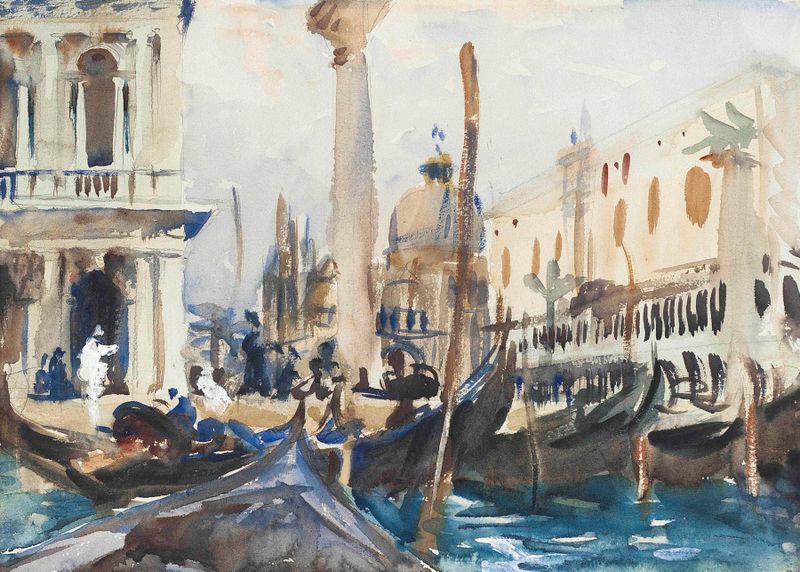
The Piazzetta with Gondolas
John Singer Sargent

Granada
John Singer Sargent
More Architecture Art
Browse all →
The statue of Liberty
Frédéric Auguste Bartholdi

View of Houses in Delft, Known as ‘The Little Street’
Johannes Vermeer

View of Houses in Delft, Known as ‘The Little Street’
Johannes Vermeer

The Cathedral in Rouen. The portal, Grey Weather
Claude Monet

The yellow house
Vincent van Gogh

The Church in Auvers-sur-Oise, View from the Chevet
Vincent van Gogh