
Herder bij Ruïne in boomrijke omgeving — History & Facts
Could beauty survive in a century of chaos? Look closely at the painting, where a solitary figure stands amidst the remnants of a crumbling ruin. The herder, draped in muted earth tones, blends with the landscape, while lush greenery encircles the dilapidated stones, suggesting nature's quiet reclamation of human endeavors. Notice how the soft light filters through the trees, casting gentle shadows that create an atmosphere of both serenity and desolation.
The meticulous brushwork captures the textures of bark and stone, inviting the viewer to appreciate the silent dialogue between man and his surroundings. As you study this scene, the emotional undercurrents begin to emerge. The herder’s posture speaks of solitude; his gaze is fixed on the horizon, contemplating his place in a world that seems to be slipping away. Each tree, vibrant yet anchored in their own stillness, mirrors the quiet loneliness of the figure.
This juxtaposition between the vitality of nature and the decay of human architecture highlights the tension between life and the remnants of existence, evoking a profound sense of introspection about the transient nature of beauty. The artist, active during the 19th century, painted this piece in a period marked by significant transformations in both society and art. Barend Hendrik Thier was influenced by the Romantic movement, which emphasized emotion and the sublime aspects of nature. During his time, the industrial revolution was reshaping landscapes and lifestyles, yet here, he chooses to focus on a herder amid ruins, reflecting the zeitgeist of longing for connection to simpler, lost times amidst encroaching chaos.
This work serves as a poignant reminder of the enduring spirit of beauty, even in solitude.
More Artworks by Barend Hendrik Thier
Browse all →
Zandweg tussen bomen met hooiwagen
Barend Hendrik Thier
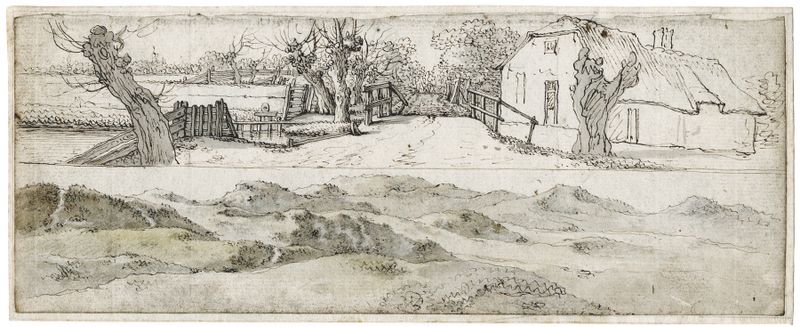
Twee landschapjes
Barend Hendrik Thier
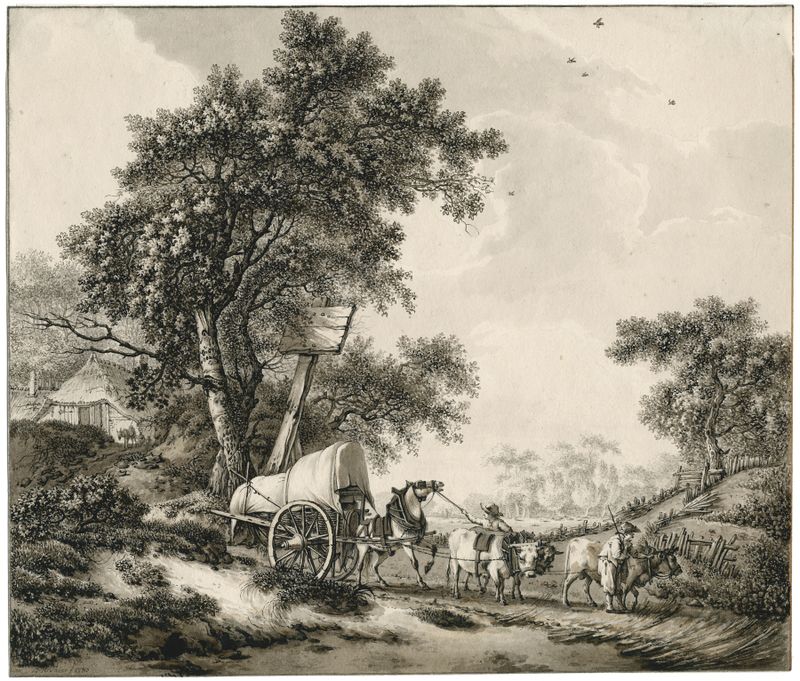
Landscape with covered waggon
Barend Hendrik Thier

Bosweg langs een beek
Barend Hendrik Thier
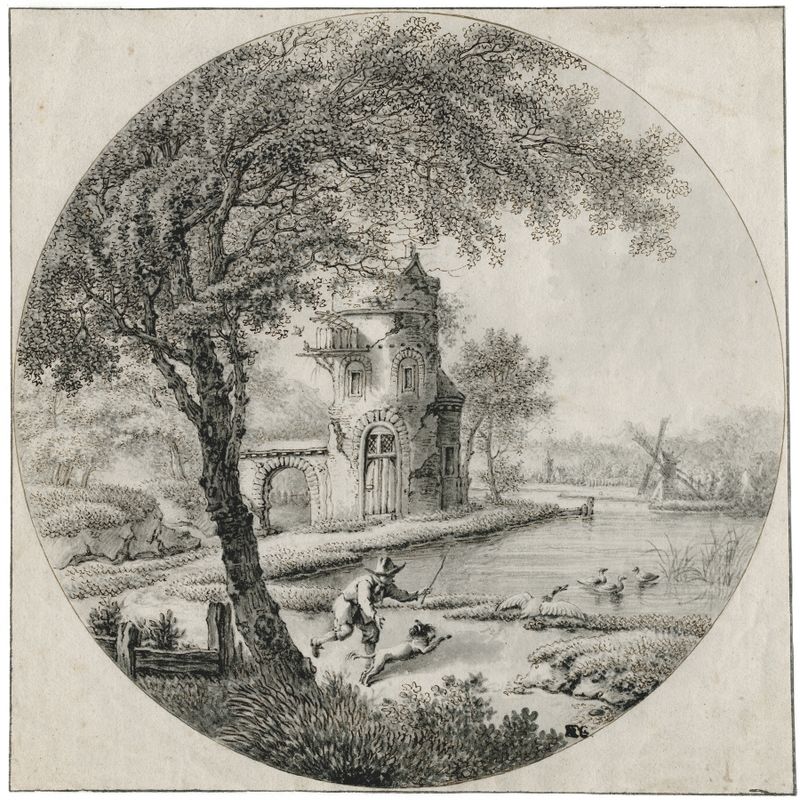
Toren aan een vijver
Barend Hendrik Thier

Landscape with horses
Barend Hendrik Thier
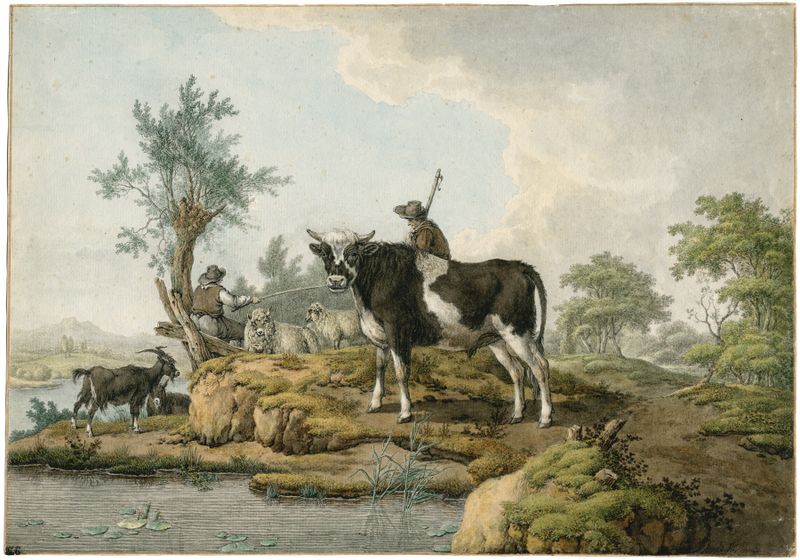
Boeren met jonge stier en ander vee langs waterkant
Barend Hendrik Thier
Bomen langs
Barend Hendrik Thier

Boerderij
Barend Hendrik Thier
Vaart in dorpje
Barend Hendrik Thier





