
Herder met een schaap — History & Facts
When did color learn to lie? In a world where tranquility often masks deeper complexities, some artworks invite us to question the very essence of serenity. Gaze first at the central figure, the herdsman, who stands calmly amid his flock. His attention is drawn to a sheep nestled by his side, a touch of warmth in the cool palette of soft greens and grays. Notice how the brushstrokes create a gentle interplay of light and shadow, illuminating the herder's face, revealing a quiet wisdom in his expression.
The subtle use of color conveys a sense of peace, while the slight tension in the sheep’s posture hints at a watchful nature, suggesting that serenity is often accompanied by vigilance. Delve deeper into the composition, where the background reveals rolling hills that stretch into the distance, embodying a harmony of nature and man. The herder's stance, relaxed yet alert, reflects the duality of his existence—both caregiver and guardian. This contrast extends to the sheep, whose docility juxtaposes the potential for chaos in nature.
The stillness of the scene evokes an emotional resonance, urging the viewer to explore the fragile balance between tranquility and vigilance in their own lives. In 1525, Hans Sebald Beham painted this piece during a period marked by the transition from the medieval to the Renaissance in Northern Europe. He was part of a movement exploring humanism and naturalism amid changing societal dynamics. This work exemplifies his mastery of detail and composition, capturing the essence of pastoral life while reflecting the evolving art world around him, emphasizing the serenity found in everyday moments.
More Artworks by Hans Sebald Beham
Browse all →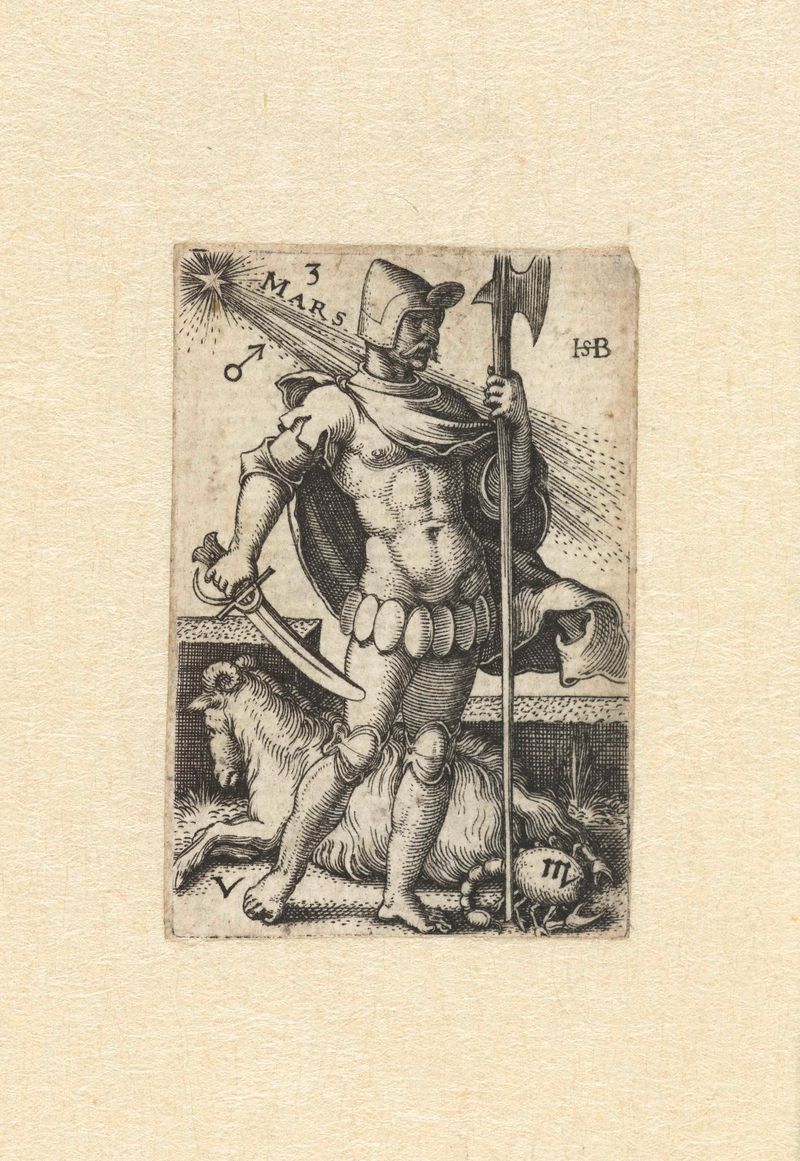
Mars met sterrenbeelden Ram en Schorpioen
Hans Sebald Beham

Achilles in gevecht met Hector
Hans Sebald Beham
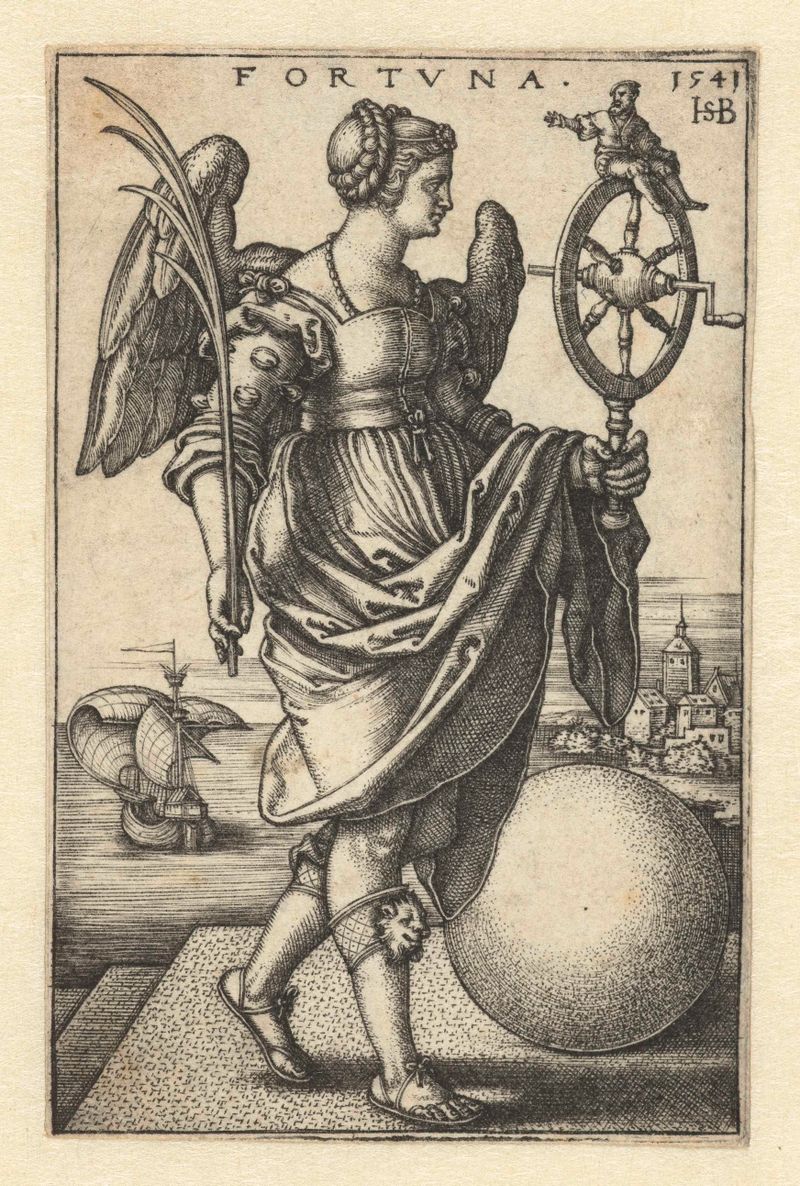
Fortuna
Hans Sebald Beham

Hercules worstelt met Antaeus
Hans Sebald Beham

Twee muzikanten met schalmey en doedelzak
Hans Sebald Beham

Voorzichtigheid (Prudentia)
Hans Sebald Beham

Hercules in gevecht met de Trojanen
Hans Sebald Beham
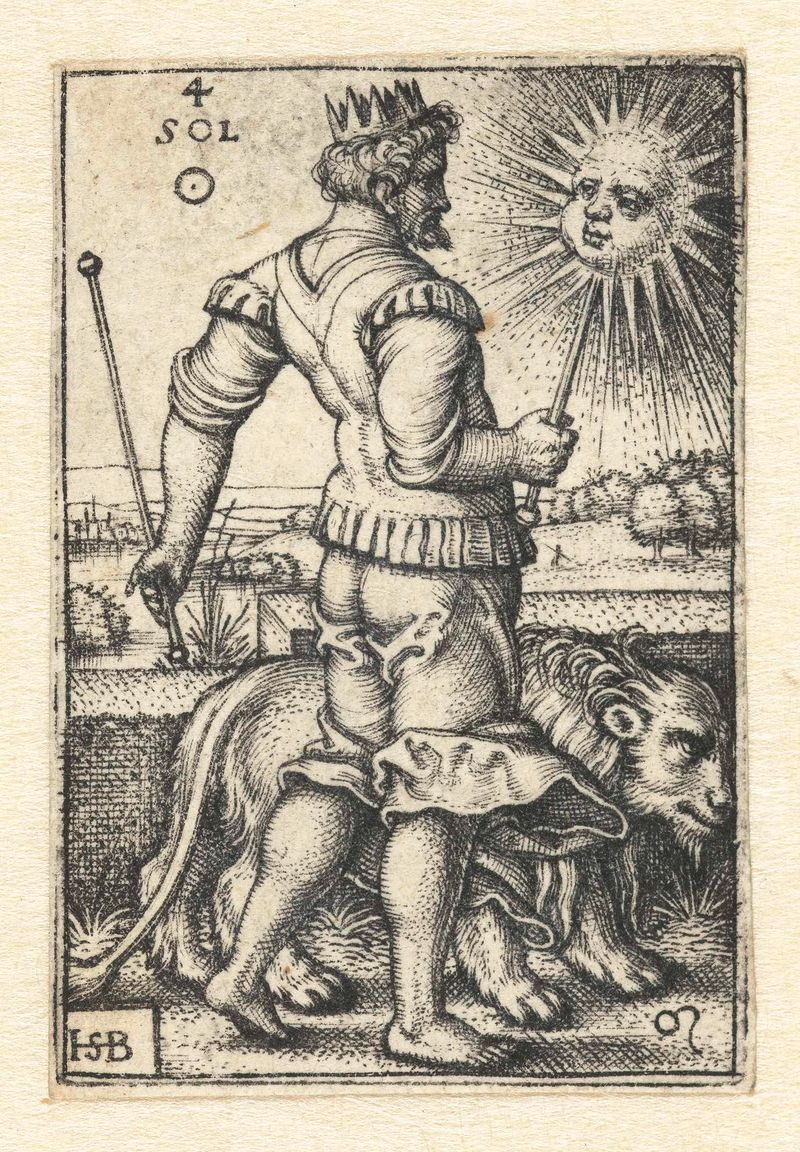
Apollo (Sol) met sterrenbeeld Leeuw
Hans Sebald Beham
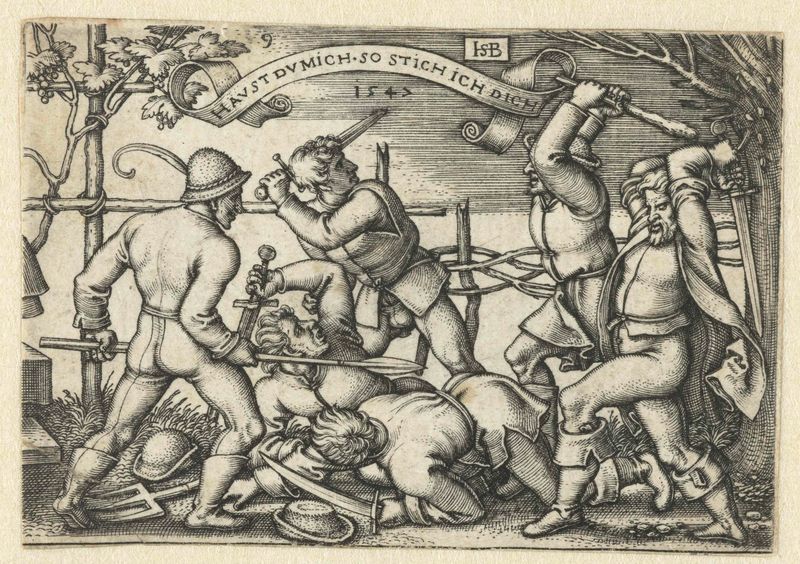
Vechtende boeren met zwaarden
Hans Sebald Beham
Hercules in gevecht met centaurs
Hans Sebald Beham





