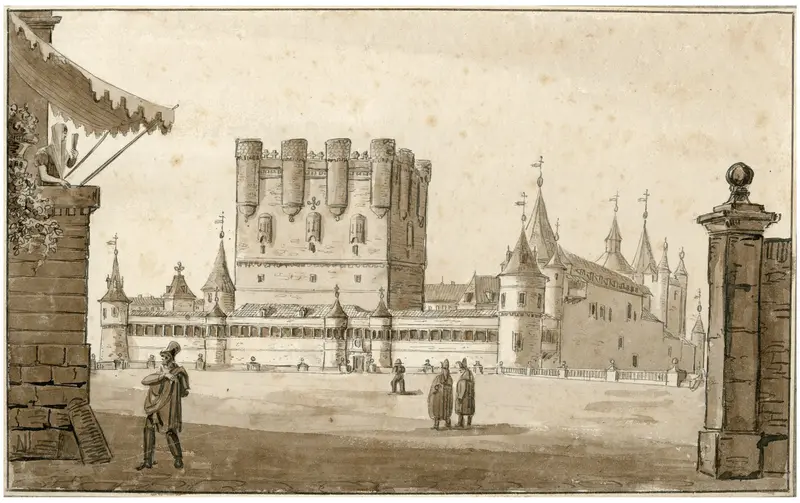
Het Alcazar te Segovia — History & Facts
Can beauty exist without sorrow? In the delicate balance of life, hope often flourishes in the shadows of despair. Focus on the towering silhouette of the Alcázar, a fortress that seems to rise from the canvas like a dream suspended in time. The artist employs a soft palette of muted earth tones, allowing the warm ochres and cool blues to coalesce, creating a serene atmosphere. Notice how light dances along the walls of the castle, illuminating its intricate turrets and architectural details, while casting gentle shadows that hint at secrets hidden within. There is a palpable tension in the contrast between the majestic fortress and the sweeping landscape that surrounds it.
The juxtaposition of strength and fragility is evident; the Alcázar stands firm against the encroaching shadows of twilight, symbolizing endurance amidst uncertainty. Furthermore, the lush greenery at its base suggests the vibrancy of life, a reminder that hope often thrives in the most unlikely places, even as darkness looms. Otto Howen created this artwork during an era when artists were grappling with modernity's rapid advancements and the remnants of tradition. The precise date of its creation remains uncertain, yet the serene representation of the Alcázar speaks to a longing for stability in a world of change.
Howen, influenced by the romanticism of his predecessors, sought to capture not only the physical beauty of the landscape but also the emotional resonance of enduring hope amid life's complexities.
More Artworks by Otto Howen
Het Alcazar te Segovia
Otto Howen
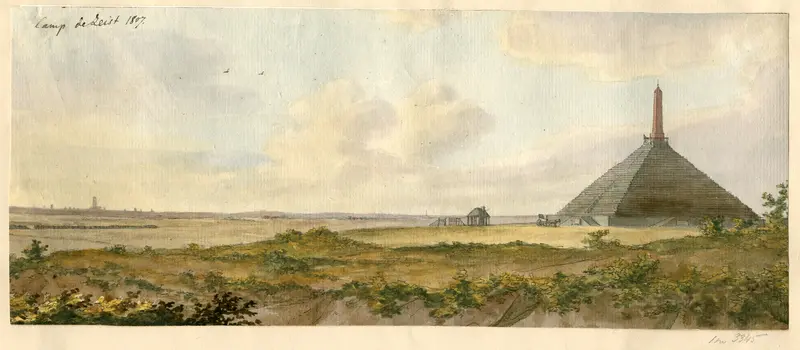
De piramide van Austerlitz bij Zeist
Otto Howen
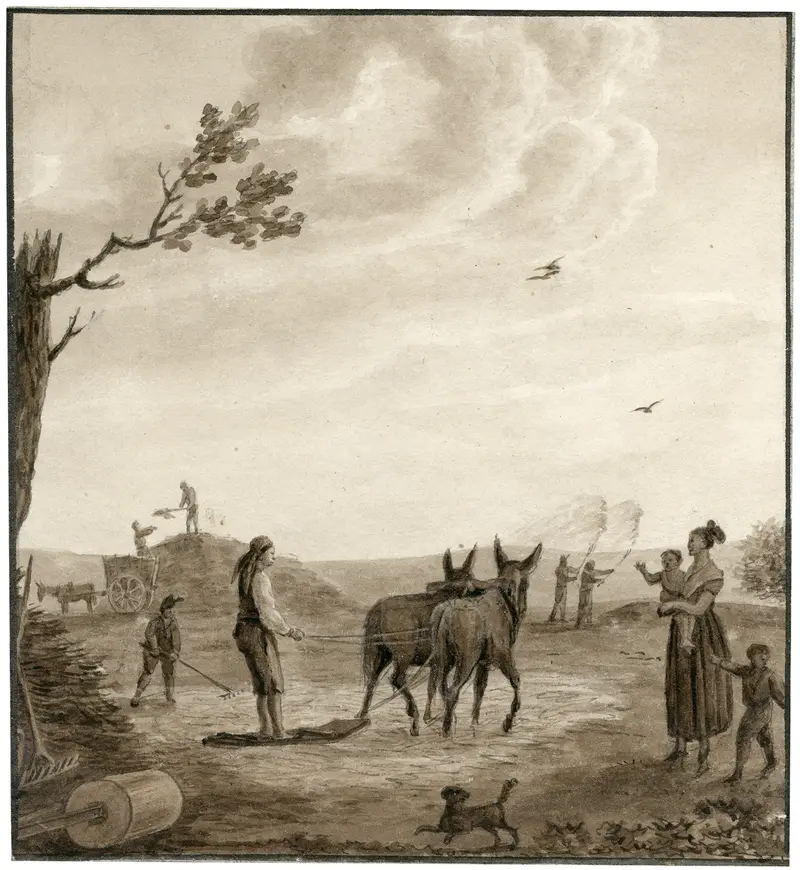
Het dorsen van het graan
Otto Howen
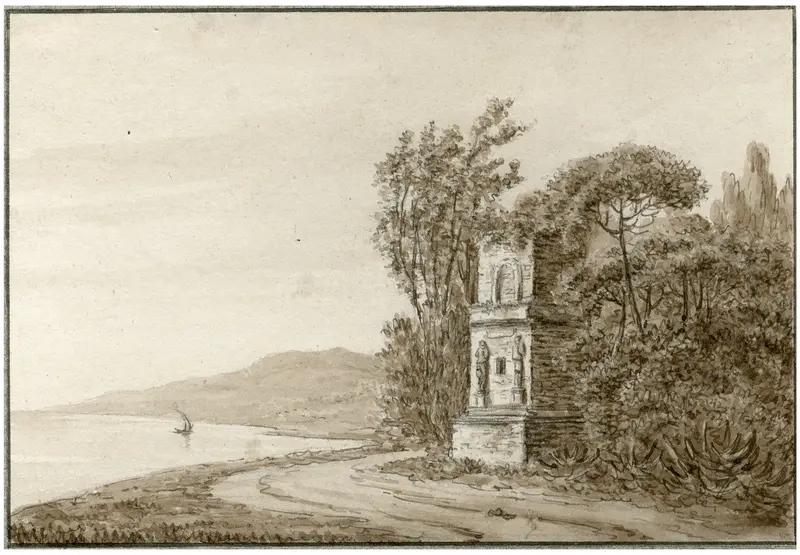
Een antiek monument in de omgeving van Taragone
Otto Howen
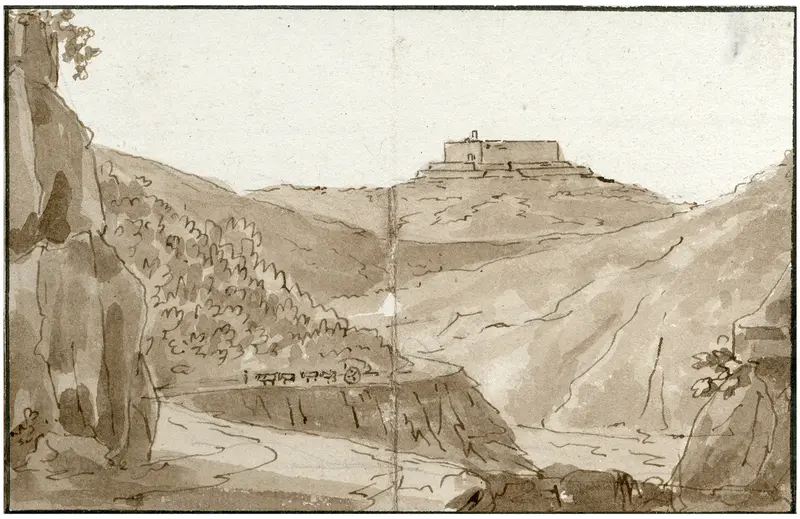
Kasteel Bellegarde in de Pyrenéén
Otto Howen
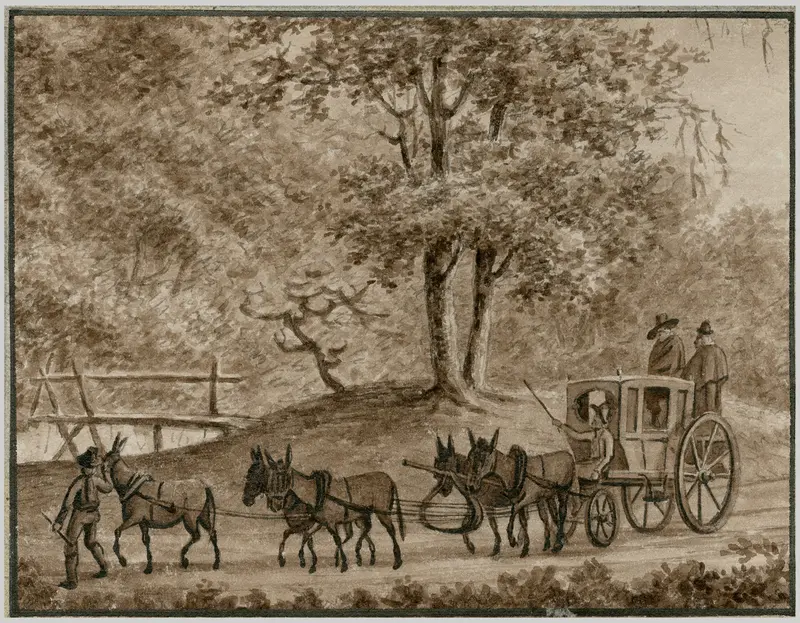
Spaanse koets in een landschap
Otto Howen
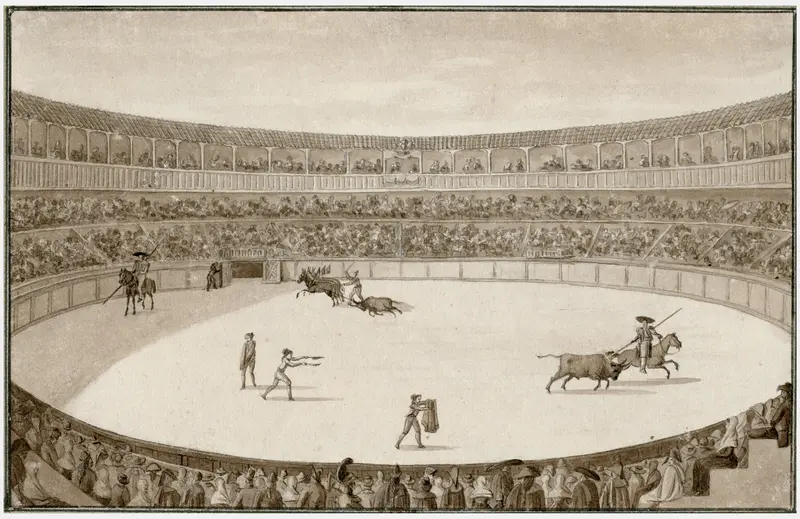
Stieregevecht in een arena
Otto Howen
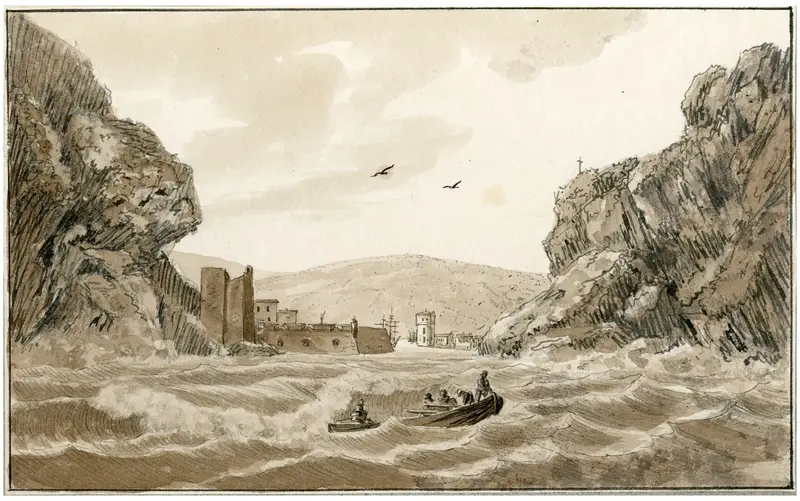
Een havenplaats in Spanje, Port de Passage
Otto Howen
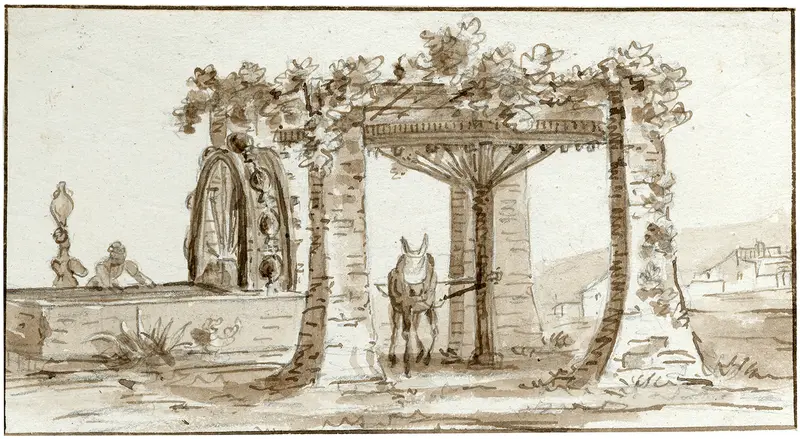
Een waterput met raderwerk en trekezel
Otto Howen
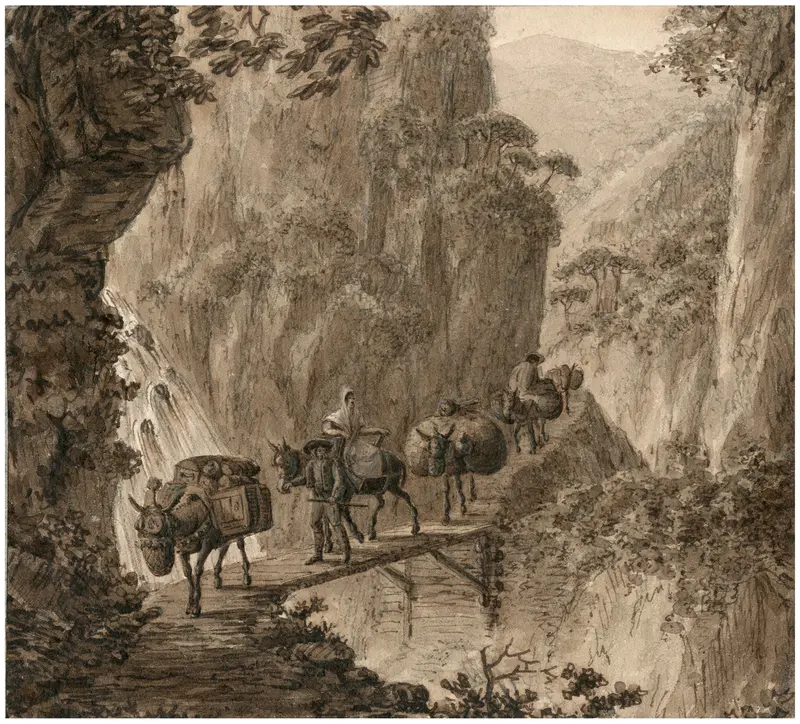
Een rij pakezels trekt door de bergen
Otto Howen