
Ruïnes van het amfitheater te Sagonte — History & Facts
Did the painter know this moment would outlive them? In each brushstroke, hope lingers, a testament to time transcending the fragile nature of existence. Look to the center of the canvas where the majestic ruins of the amphitheater rise against the backdrop of an expansive sky. The warm hues of ochre and sienna meld seamlessly with the cool blues above, creating a striking contrast that evokes both nostalgia and resilience. Notice how the light falls upon the weathered stone, each crack and crevice illuminated with an ethereal glow, inviting you to explore the echoes of history embedded within its walls. Amidst the grandeur, subtle details whisper stories of the past, suggesting a once-thriving community around this site.
The looming shadows hint at forgotten voices, while the gentle brushwork captures a sense of longing intertwined with the vibrancy of life that thrived here. This duality of decay and endurance resonates deeply, reminding us that from ruins can arise renewed possibilities, where hope persists despite the ravages of time. Otto Howen painted this work during a period of artistic exploration, likely in the late 19th to early 20th century, a time when many artists were captivated by the remnants of ancient civilizations. Few records remain, but it is evident that the artist was influenced by the Romantic movement, seeking to evoke emotion through landscapes steeped in history.
In a world increasingly focused on modernity, Howen’s choice to immortalize a crumbling amphitheater reflects a yearning for connection to the past, offering viewers a glimpse of resilience in the face of time's relentless march.
More Artworks by Otto Howen
Browse all →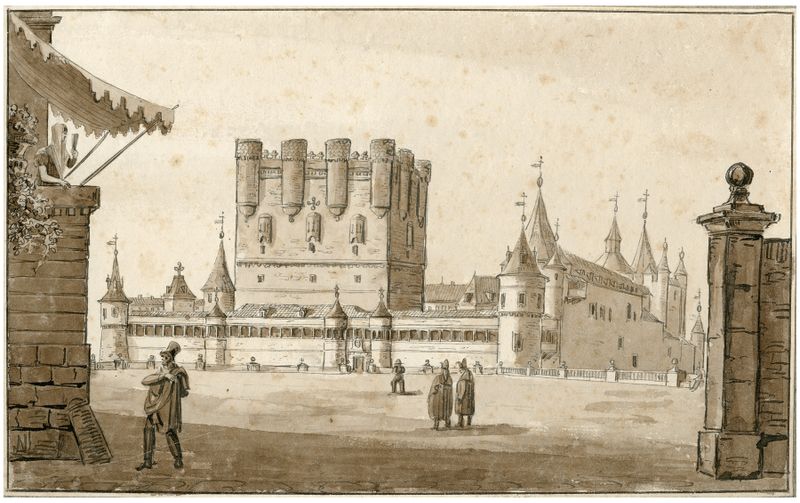
Het Alcazar te Segovia
Otto Howen
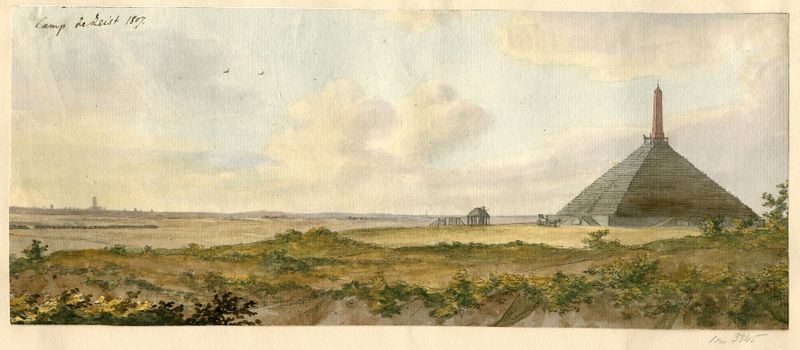
De piramide van Austerlitz bij Zeist
Otto Howen
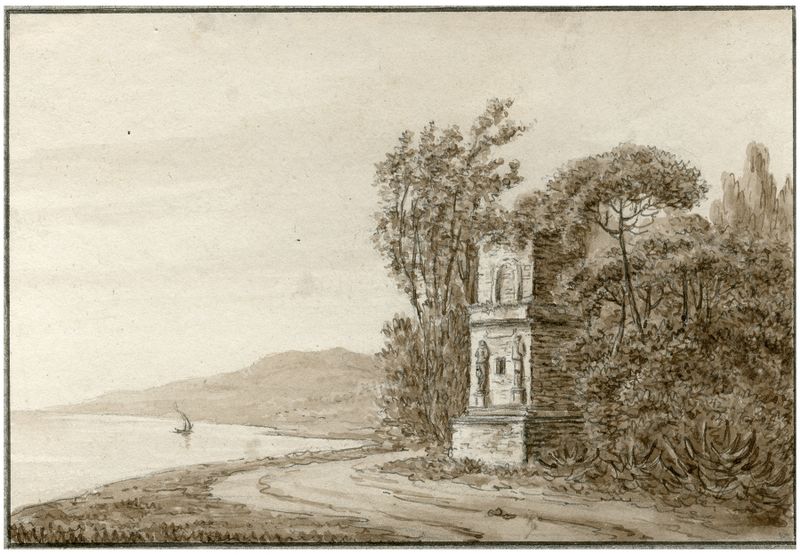
Een antiek monument in de omgeving van Taragone
Otto Howen
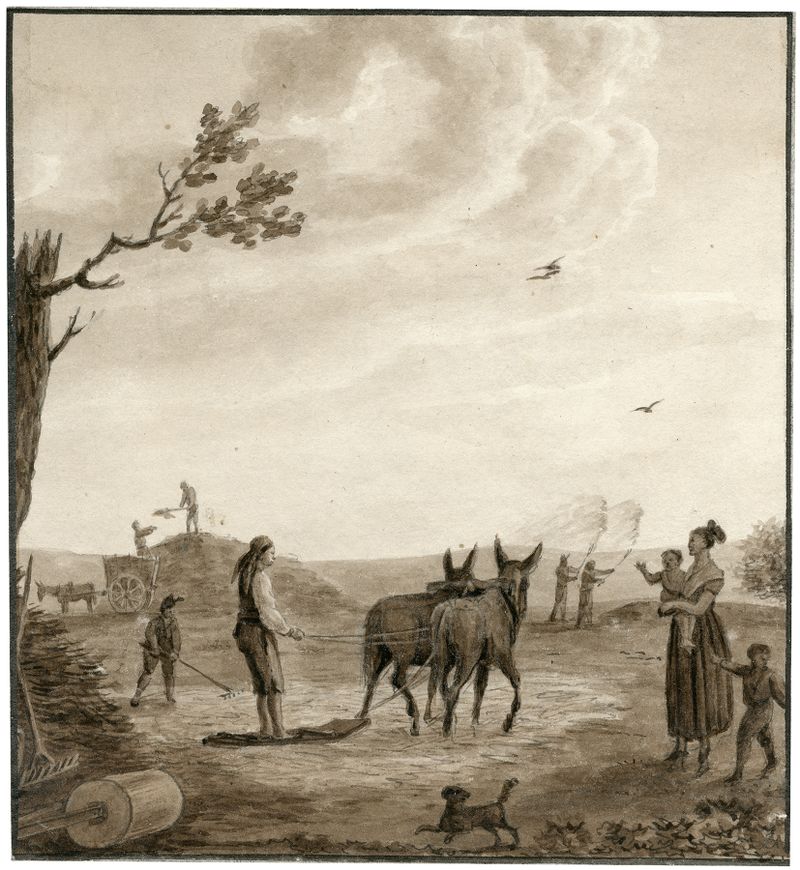
Het dorsen van het graan
Otto Howen
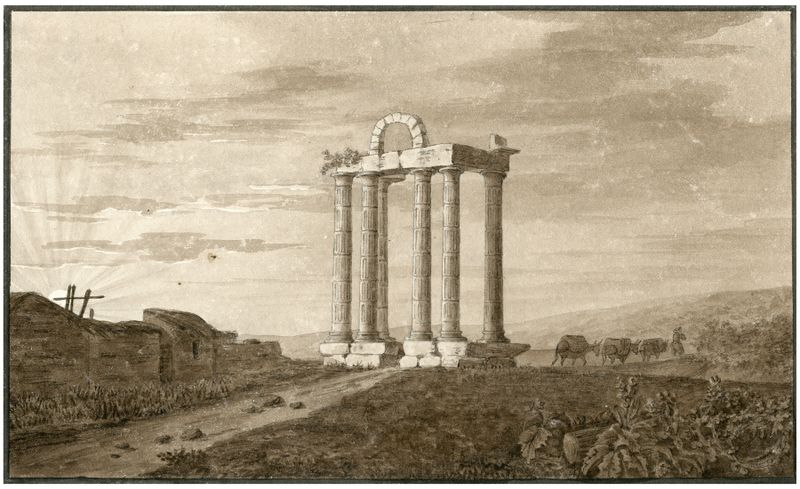
Antieke Ruïnes bij Talavera in Castillie
Otto Howen
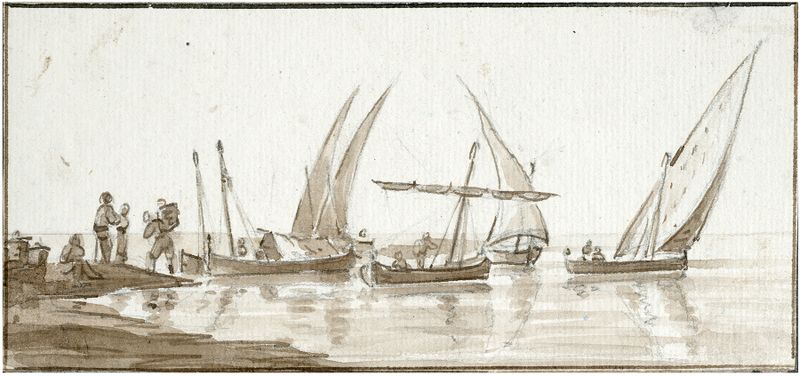
Zeilscheepjes bij een kust
Otto Howen
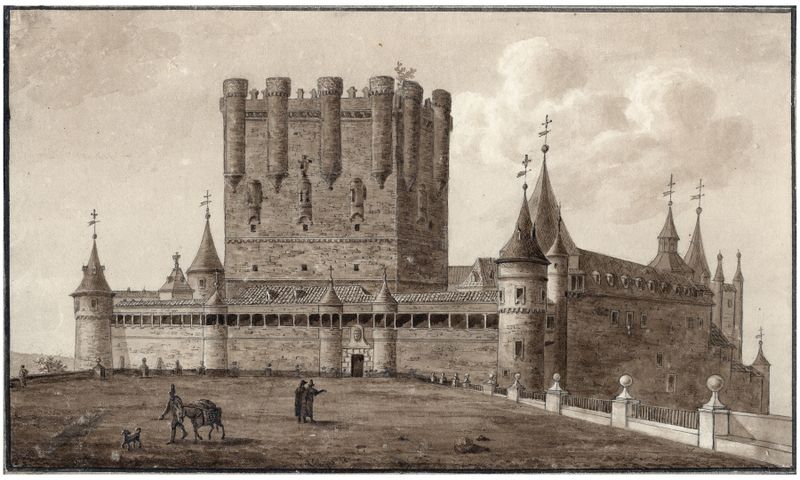
Het Alcazar te Segovia
Otto Howen
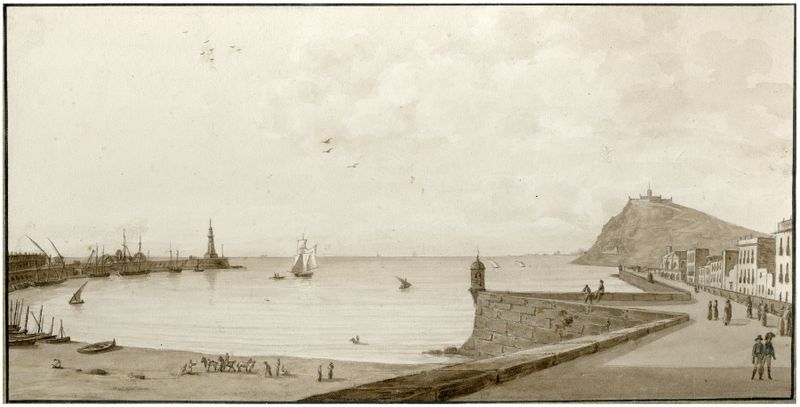
Gezicht op de haven van Barcelona
Otto Howen
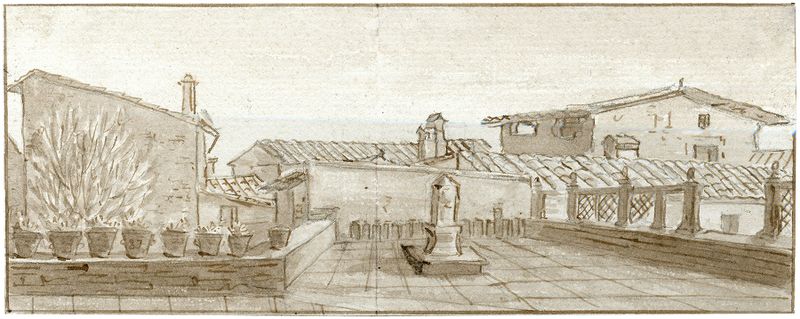
Gezicht in de omgeving van Gerona
Otto Howen
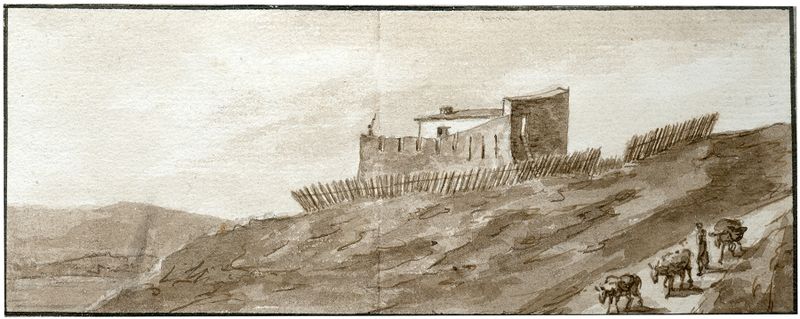
Gezicht in de omgeving van Gerona
Otto Howen
More Architecture Art
Browse all →
The statue of Liberty
Frédéric Auguste Bartholdi

View of Houses in Delft, Known as ‘The Little Street’
Johannes Vermeer

View of Houses in Delft, Known as ‘The Little Street’
Johannes Vermeer

The Cathedral in Rouen. The portal, Grey Weather
Claude Monet

The yellow house
Vincent van Gogh

The Church in Auvers-sur-Oise, View from the Chevet
Vincent van Gogh