
Het hoofd van Johannes de Doper of van Goliath — History & Facts
Who listens when art speaks of silence? In the haunting stillness of Het hoofd van Johannes de Doper of van Goliath, a somber narrative unfolds, inviting contemplation on the weight of reflection and consequence. Look closely at the center of the composition, where the severed head rests on a platter, the pale, lifeless skin contrasting starkly against the rich, dark background. Notice the way the light delicately plays upon the contours of the face, illuminating its features with an almost ethereal glow, as if to mourn the lost vitality of its former owner. The artist's meticulous attention to detail in the rendering of the expression—the slightly parted lips and fixed gaze—invites the viewer to ponder the last thoughts of the beheaded figure. Beneath the surface, this artwork resonates with themes of betrayal and sacrifice.
The act of severance speaks to the precarious nature of power and the fragility of human life, while the calmness of the surrounding darkness suggests an unsettling tranquility that belies the horrific act. The choice of materials and technique further enhances this interplay; the juxtaposition of vibrant colors against muted tones invokes a dialogue between life and death, reflecting the harsh realities of existence. Created between 1483 and 1487, this piece emerges from a period of profound transition in Northern European art, characterized by a shift towards increased realism and emotional depth. The artist, part of the esteemed workshop known as the Meester van het Amsterdamse Kabinet, was influenced by the burgeoning interest in humanism and the exploration of individual narratives.
As the world grappled with the tensions of faith and politics, this work stands as a poignant reminder of the silent echoes that linger long after the final act.
More Artworks by Meester van het Amsterdamse Kabinet
Browse all →
De Heilige Familie bij de rozenstruik
Meester van het Amsterdamse Kabinet

Hertenjacht
Meester van het Amsterdamse Kabinet
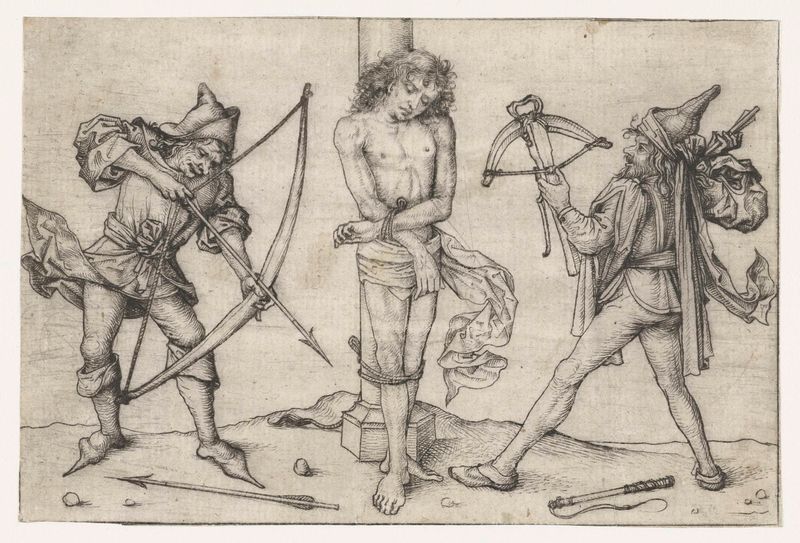
Heilige Sebastiaan met boogschutters
Meester van het Amsterdamse Kabinet

Het lichaam van Christus ondersteund door twee engelen
Meester van het Amsterdamse Kabinet

Heilige Anna-te-Drieën
Meester van het Amsterdamse Kabinet

Heilige Barbara (grote versie)
Meester van het Amsterdamse Kabinet
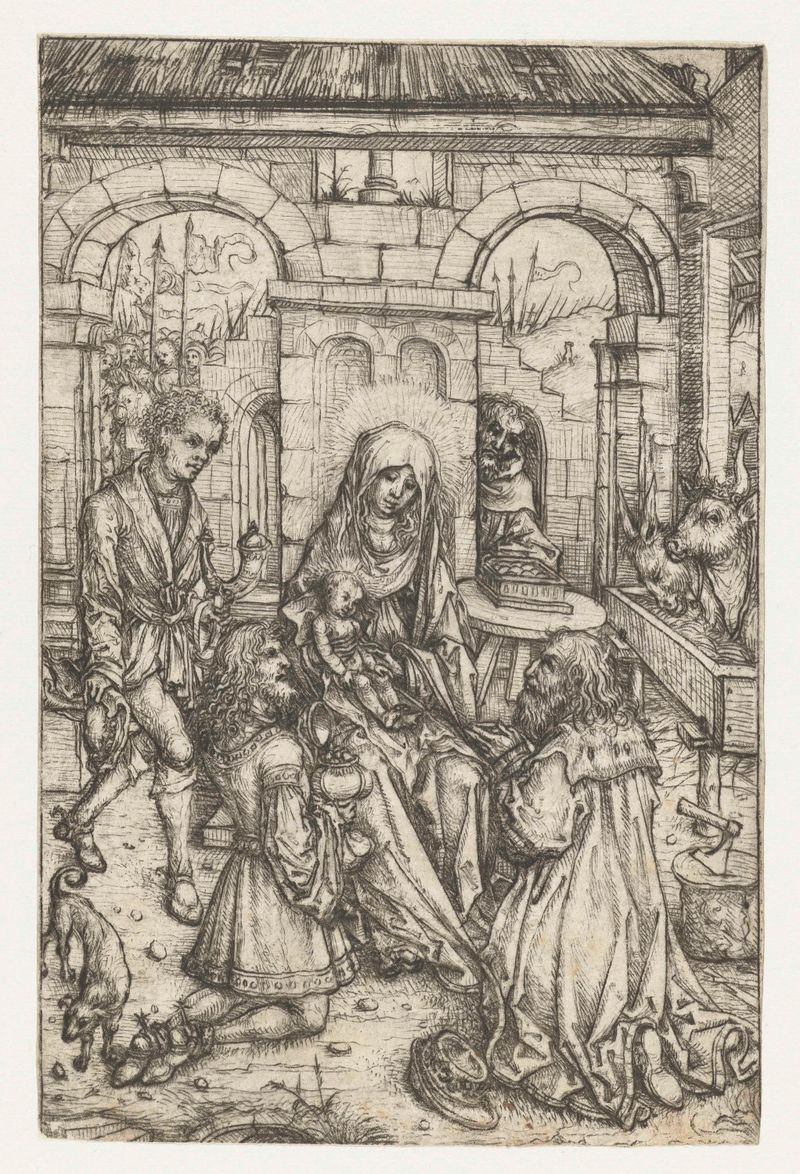
Aanbidding der koningen
Meester van het Amsterdamse Kabinet
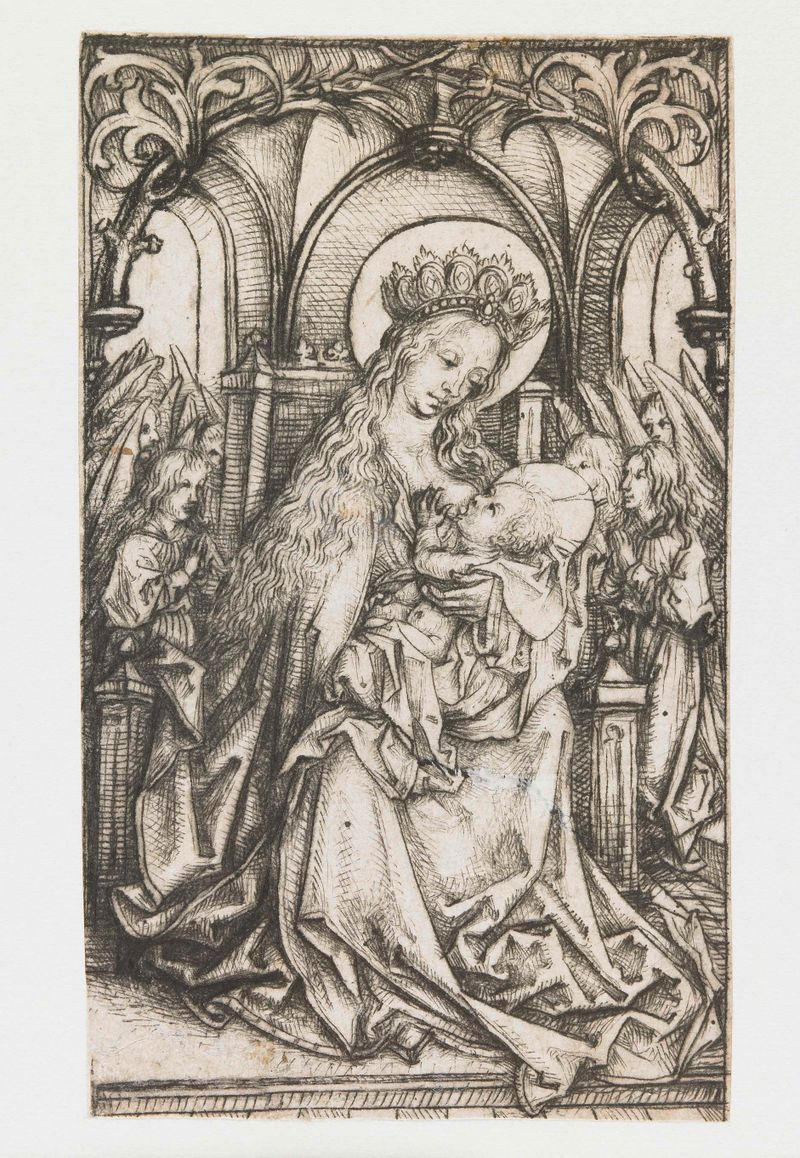
Tronende Madonna door engelen aanbeden
Meester van het Amsterdamse Kabinet

Het zegenend Christuskind
Meester van het Amsterdamse Kabinet
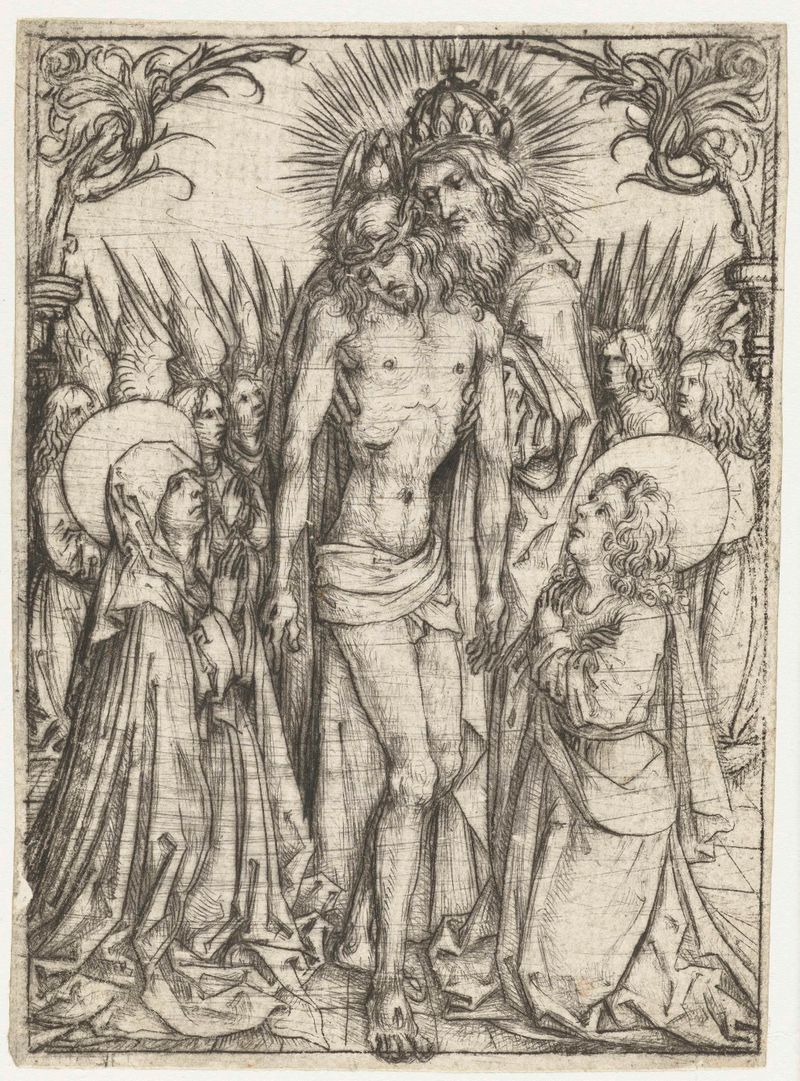
Aanbidding van de Heilige Drieëenheid door Maria, Johannes de Evangelist en engelen
Meester van het Amsterdamse Kabinet
More Religious Art
Browse all →
The Return of the Prodigal Son
Rembrandt van Rijn

The Garden of Earthly Delights
El Bosco

Count Orgaz’ funeral
El Greco

The Hundred Guilder Print: the central piece with Christ preaching, the plate arched
Rembrandt van Rijn

The Descent from the Cross
Rogier van der Weyden

The return of the prodigal son
Rembrandt van Rijn